
Used Mack Vacuum Tank Trucks For Sale in New York
Browse used Mack vacuum tank trucks in New York. Compare chassis, tank size, PTO vacuum systems, and municipal or industrial service specs.
Learn moreNo exact matches found for your search
Showing Used Vacuum Tank Trucks in New York instead.
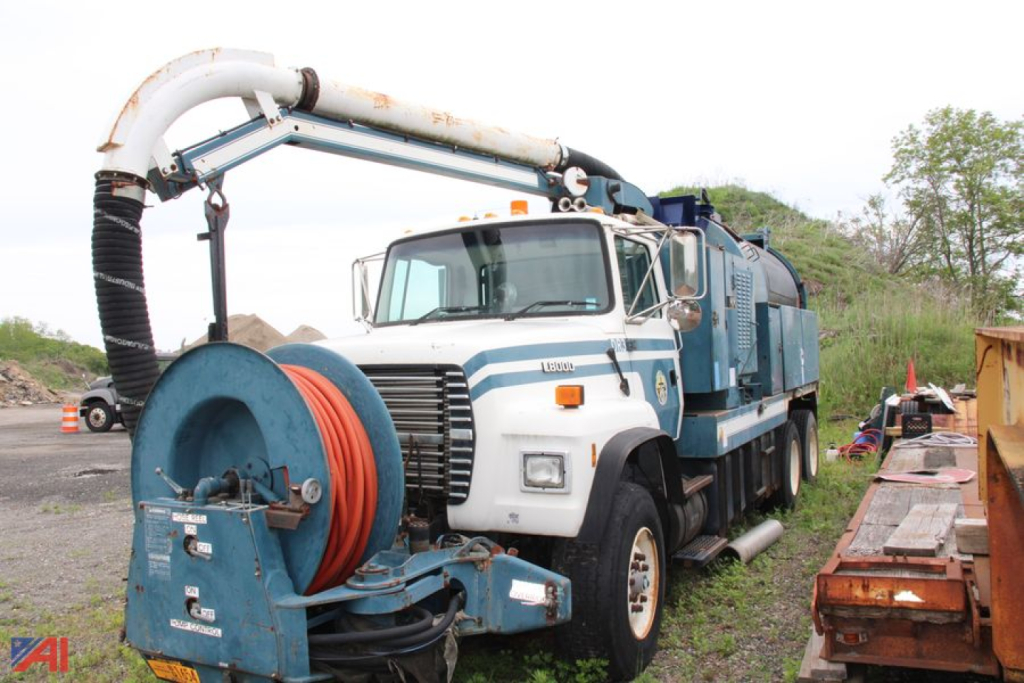
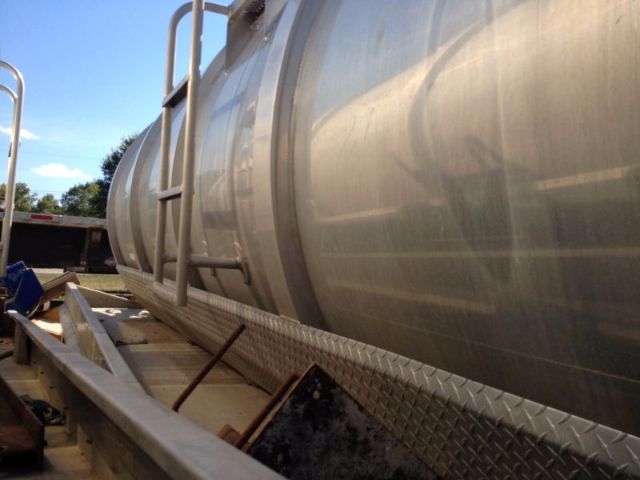
Have used mack vacuum tank truck to sell? List it here to reach thousands of buyers.
About Used Mack Vacuum Tank Trucks in New York
Tank capacity, tank material, and vacuum pump performance drive the truck’s usable range. Vacuum tank trucks are typically spec’d with steel or aluminum tanks, internal baffles, rear-opening doors, hydraulic hoists, and PTO-driven pump systems. Buyers should confirm gallon capacity, pressure and vacuum ratings, and whether the unit is set up for dry material, liquid waste, or a combination of both. Some trucks are straight vacuum units, while others are combination sewer cleaners with water tanks, jetting systems, and hose reels. If the job involves sludge, grit, grease, or heavier debris, pay close attention to pump make, filtration or secondary shutoff protection, and the condition of seals, hinges, and clamps on the rear door.
On a used Mack vacuum tank truck, chassis specs should match the work route. GVWR, axle configuration, wheelbase, suspension, transmission, and PTO compatibility all affect legal payload and maneuverability. Tight urban work in New York can favor a shorter wheelbase and predictable turning radius, while longer regional routes may put more value on ride quality, cab condition, and road-speed gearing. Engine history matters on older Mack units, especially cooling system condition, PTO operation under load, and evidence of frame corrosion from year-round municipal service. Rust around tank saddles, crossmembers, subframe mounts, and plumbing supports can be just as important as engine hours or odometer mileage.
A careful buyer also checks how the truck was used. A municipal vac truck that cleaned storm drains may show different wear than a septic truck or an industrial waste unit. Look for service records on the pump, hydraulic system, blower, valves, boom pivots, hose trays, and tank washout components. Verify the truck’s current compliance needs for New York registration, CDL requirements, and any tank-related environmental or jobsite standards tied to the intended application. The best used Mack vacuum tank trucks are the ones with a chassis spec, tank configuration, and maintenance history that fit the exact material being handled.
Frequently Asked Questions
What should I inspect first on a used Mack vacuum tank truck?
Start with the vacuum system and the tank structure, then move to the chassis. Confirm the vacuum pump builds and holds suction, the PTO engages smoothly, and the hydraulic functions operate without unusual noise or leaks. Inspect the tank shell, rear door, hinges, clamps, baffles, and subframe for rust, cracking, or previous repairs. On the Mack chassis, pay close attention to frame condition, suspension wear, brake components, and cooling system health, especially on trucks that have seen municipal or winter salt exposure in New York.
Are all vacuum tank trucks set up the same way?
No. Some vacuum tank trucks are built primarily for liquid waste such as septic or grease trap service, while others are configured for heavier sludge, solids, catch basin debris, or sewer cleaning. Combination units may include a water tank, high-pressure jetting system, hose reels, and controls for sewer maintenance. The right setup depends on tank capacity, pump type, filtration, rear door design, and whether the truck needs to load wet material, dry material, or both.
Why does the Mack chassis matter on a vacuum tank truck?
A vacuum tank truck carries substantial weight and often works in stop-and-go conditions with PTO equipment engaged for long periods. Mack vocational chassis are valued for heavy-duty frame construction, axle options, and durability in municipal and contractor service. The chassis spec affects payload, turning radius, bridge law considerations, and how well the truck handles a full tank. Buyers should make sure the axle ratings, wheelbase, suspension, and drivetrain are appropriate for the tank body and the intended route profile.
What are common issues on older used vacuum tank trucks?
Common issues include worn vacuum pumps, leaking hydraulic cylinders or hoses, damaged seals on rear doors, corrosion on tanks and subframes, and PTO driveline problems. Older units may also have electrical issues at control stations, worn boom pins, and weakened plumbing supports. On the truck side, rust, brake wear, suspension fatigue, and cooling system problems are frequent concerns. An older used unit can still be productive if both the chassis and the vacuum package have been maintained consistently.
Do I need to verify legal and operational requirements before buying in New York?
Yes. Buyers should verify registration class, weight ratings, CDL implications, and any local or state rules tied to waste hauling or municipal service. If the truck will handle regulated materials, confirm that the tank and operating equipment match the intended use and that the unit can meet jobsite or environmental requirements. It is also important to confirm overall dimensions, axle weights, and any seasonal or route restrictions that may affect operation in New York.