
Used Mack Vacuum Tank Trucks For Sale
Browse used Mack vacuum tank trucks for septic, sewer, industrial and municipal work, with durable chassis options and tank system details.
Learn moreNo exact matches found for your search
Showing Used Vacuum Tank Trucks instead.
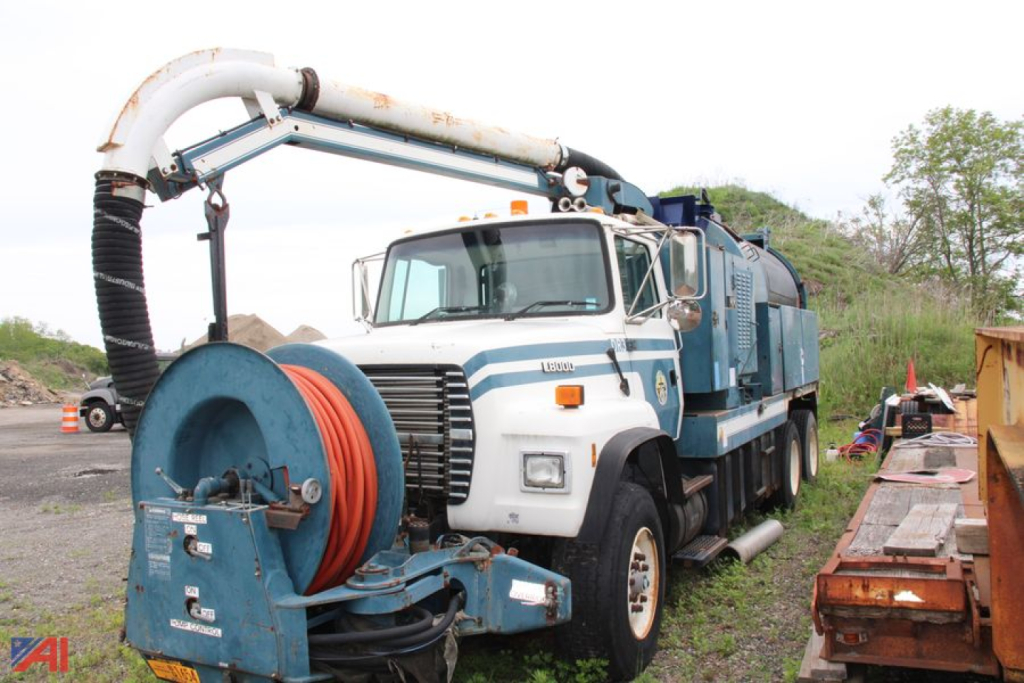
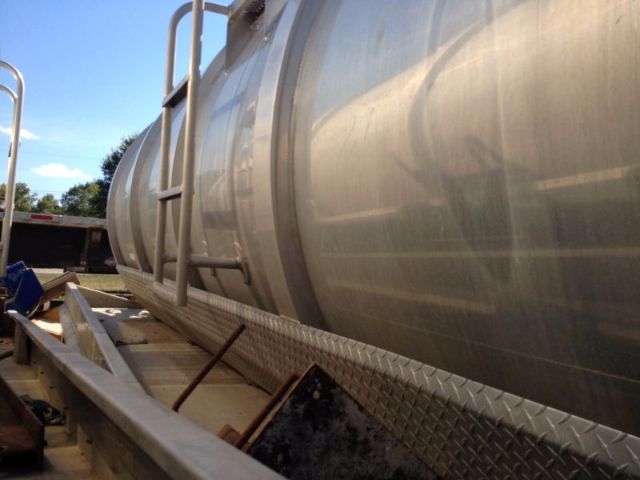
Have used mack vacuum tank truck to sell? List it here to reach thousands of buyers.
About Used Mack Vacuum Tank Trucks
The tank system deserves as much attention as the cab and engine. Vacuum tank trucks are commonly configured for septic pumping, catch basin cleanout, grease trap service, hydro excavation support, and wet industrial material recovery. Key details include steel versus aluminum tank construction, total gallon capacity, compartment layout, primary and secondary shutoff protection, rear door design, and the condition of the pump, valves, gauges, and piping. Buyers should inspect the vacuum pump brand and model, cfm rating, hours if available, PTO engagement, and evidence of oil carryover or weak suction. On older units, tank interior condition, baffle integrity, and signs of corrosion around welds, fittings, and door seals can be more important than the odometer.
Mack vacuum trucks can be found on classic vocational platforms as well as later Granite-based configurations, depending on age and application. Common spec points include tandem or single-axle layouts, diesel engines sized for local route work, manual or automatic transmissions, and axle ratings matched to legal loaded weight. A buyer should confirm wheelbase, bridge compliance, suspension type, and how the truck is licensed in the operating state. If the unit will handle heavier sludge or frequent off-pavement access, pay close attention to suspension condition, frame reinforcement, locking differential specs, and front axle capacity. For municipal work, lighting, safety controls, backup systems, and operator access around the tank body also deserve a close look.
A used Mack vacuum tank truck is often purchased for its remaining vocational life rather than just its age. Service records for the engine, PTO, hydraulic components, pump rebuilds, and tank testing can tell you more than cosmetics. The best buying decision usually comes from matching the tank and vacuum system to the actual material being handled, then confirming the Mack chassis is rated and maintained for that load cycle. When the pump system, tank structure, and chassis spec are aligned, these trucks can remain productive in specialized fleet service for years.
Frequently Asked Questions
What are the most important things to inspect on a used Mack vacuum tank truck?
Focus on the tank, pump system, and chassis as three separate assets. Inspect tank walls, welds, baffles, rear door seals, shutoff protection, and any corrosion around fittings or low points. Verify the vacuum pump builds and holds suction properly, the PTO engages cleanly, and the valves, gauges, and piping are intact. On the Mack chassis, review engine service history, transmission operation, suspension wear, brake condition, and frame integrity, especially if the truck has spent years in municipal or septic duty.
What jobs are Mack vacuum tank trucks commonly used for?
Mack vacuum tank trucks are commonly used in septic service, sewer and catch basin cleaning, grease trap pumping, industrial vacuum work, and liquid waste transport. Some are set up for municipal maintenance, while others support contractors handling sludge, stormwater debris, or wet material recovery. The exact application depends on tank capacity, pump rating, hose and boom configuration, and legal weight capacity on the chassis.
How do I choose the right tank size on a used vacuum truck?
Tank size should match both the material being collected and the weight laws in your operating area. A larger tank can reduce dump trips, but dense material like sludge can push axle weights over legal limits before the tank is full. Check the truck's GVWR, axle ratings, wheelbase, and bridge formula compliance, then compare that to the type of waste you plan to haul. Capacity alone is not enough if the chassis cannot legally or safely carry the load.
Are older Mack vacuum tank trucks still a practical buy?
They can be, if the tank structure, pump system, and driveline have been maintained correctly. Many older Mack vocational chassis were built heavily and can still perform well in low-mileage, specialized service. The key is parts support, mechanical condition, and the cost of bringing safety and operating systems up to current standards. A well-kept older truck can be a better value than a newer unit with neglected tank and pump components.
What chassis features matter most for vacuum tank truck work?
Front axle capacity, rear axle rating, frame strength, PTO compatibility, suspension condition, and transmission type all matter in vacuum service. Frequent stops, loaded starts, and PTO-driven operation put different stresses on a truck than linehaul use. Buyers should also consider turning radius, wheelbase, traction aids, and brake specification, especially for work on narrow streets, job sites, or soft ground. On a Mack, vocational chassis design is often a major advantage for these applications.