
Used Heil Trailers For Sale
Shop used Heil trailers including fuel tank, pneumatic dry bulk, and insulated tank models with specs buyers compare most.
Learn moreBrowse Heil Trailers by Category
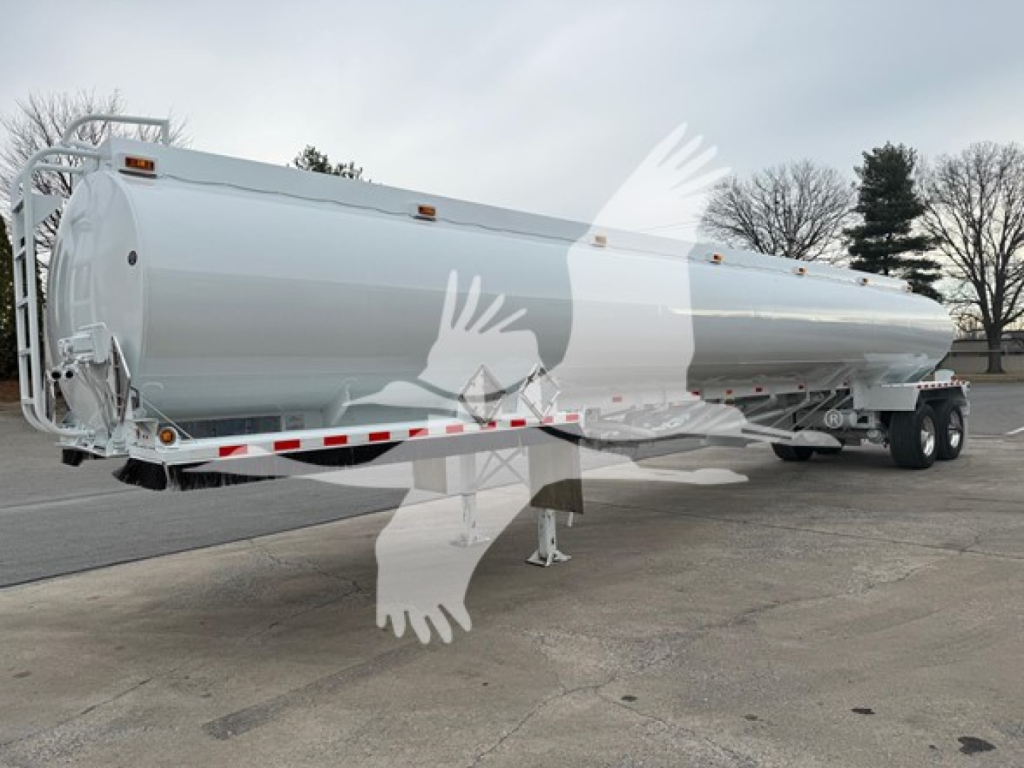
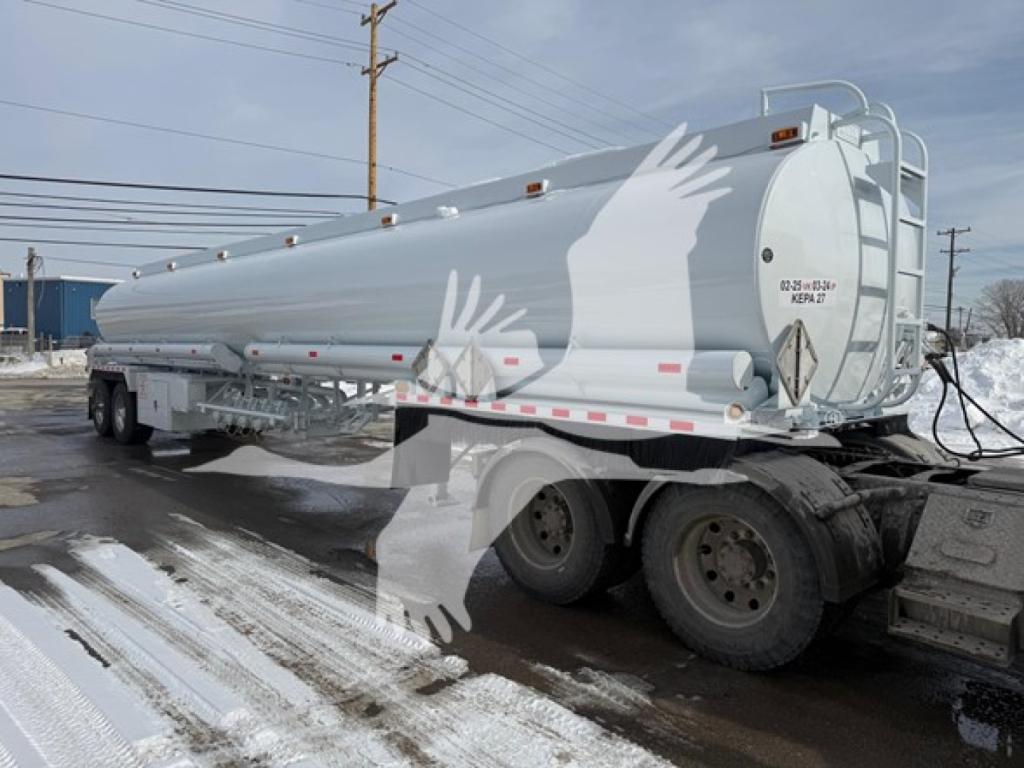
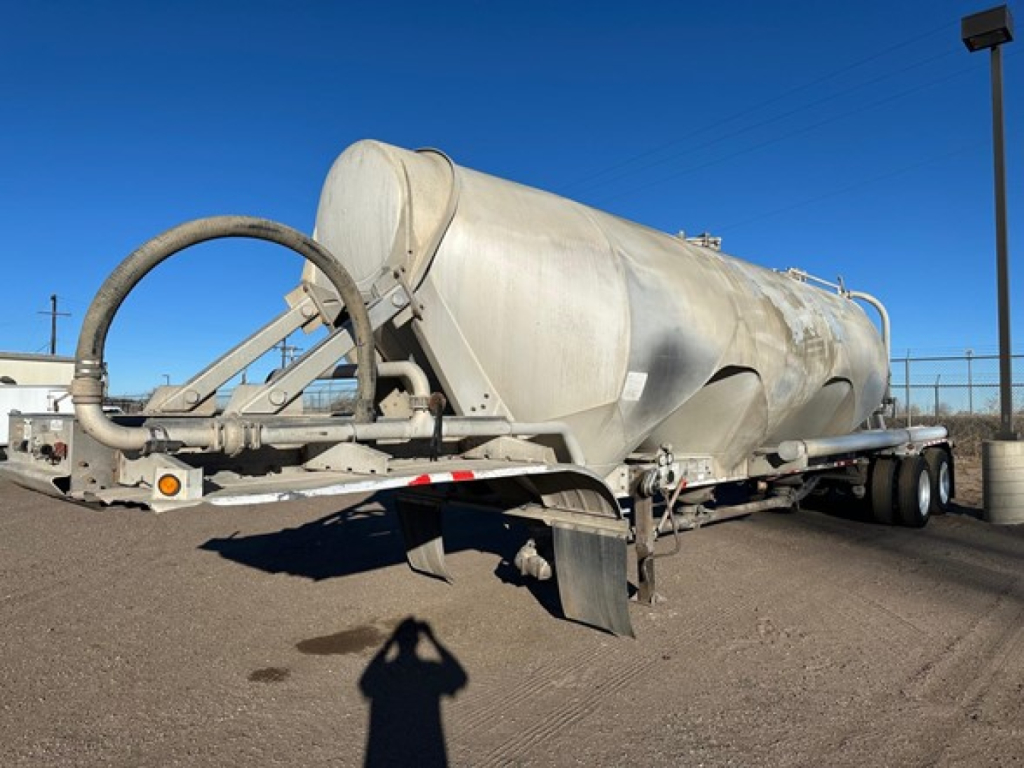
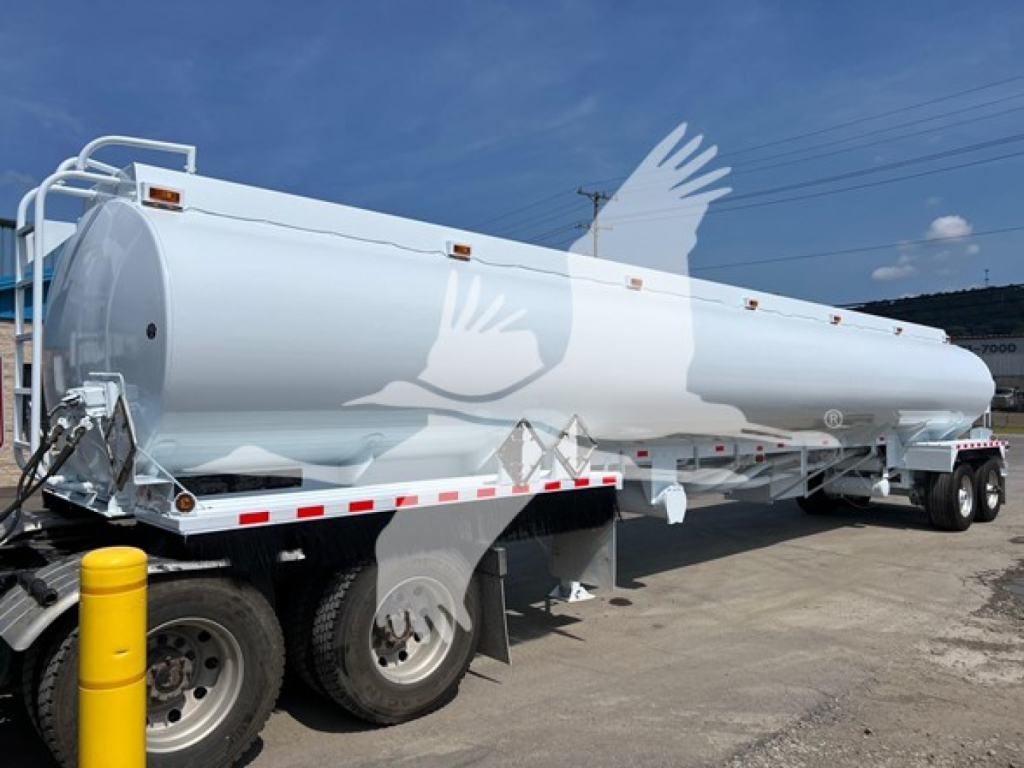
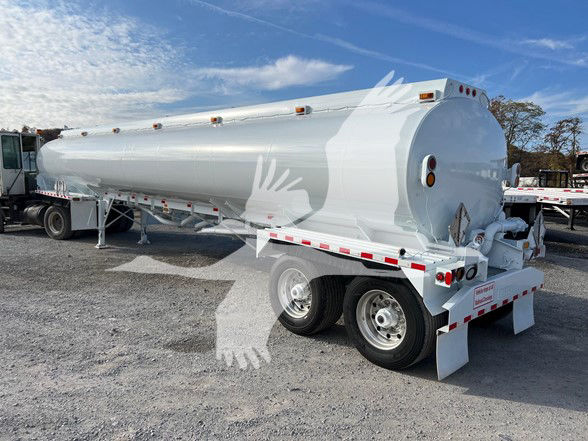
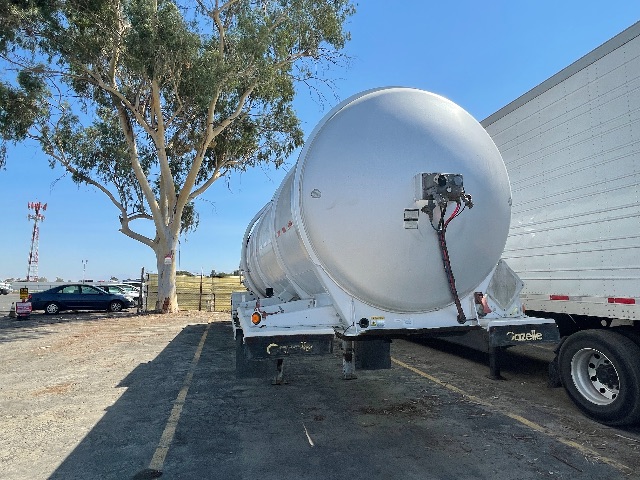
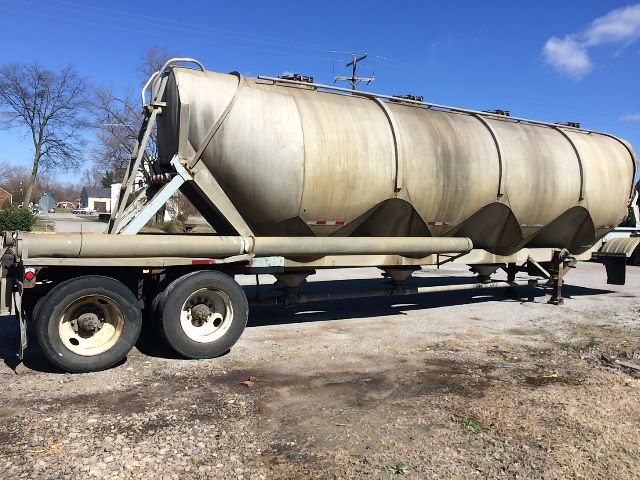
Have used heil trailer to sell? List it here to reach thousands of buyers.
About Used Heil Trailers
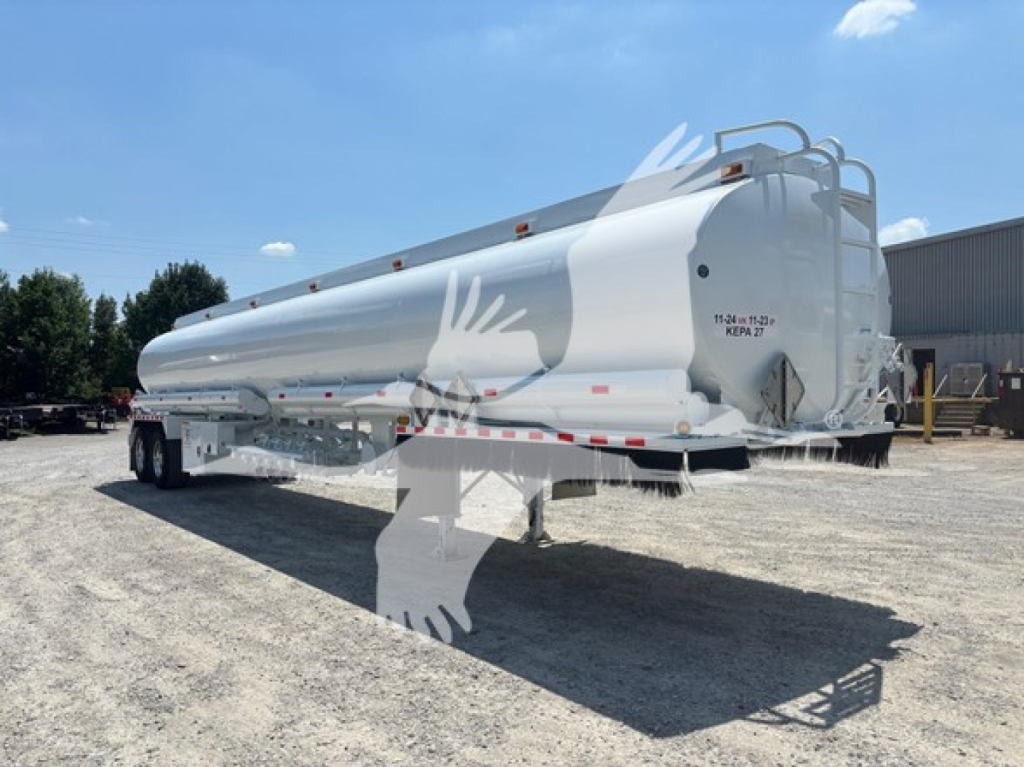
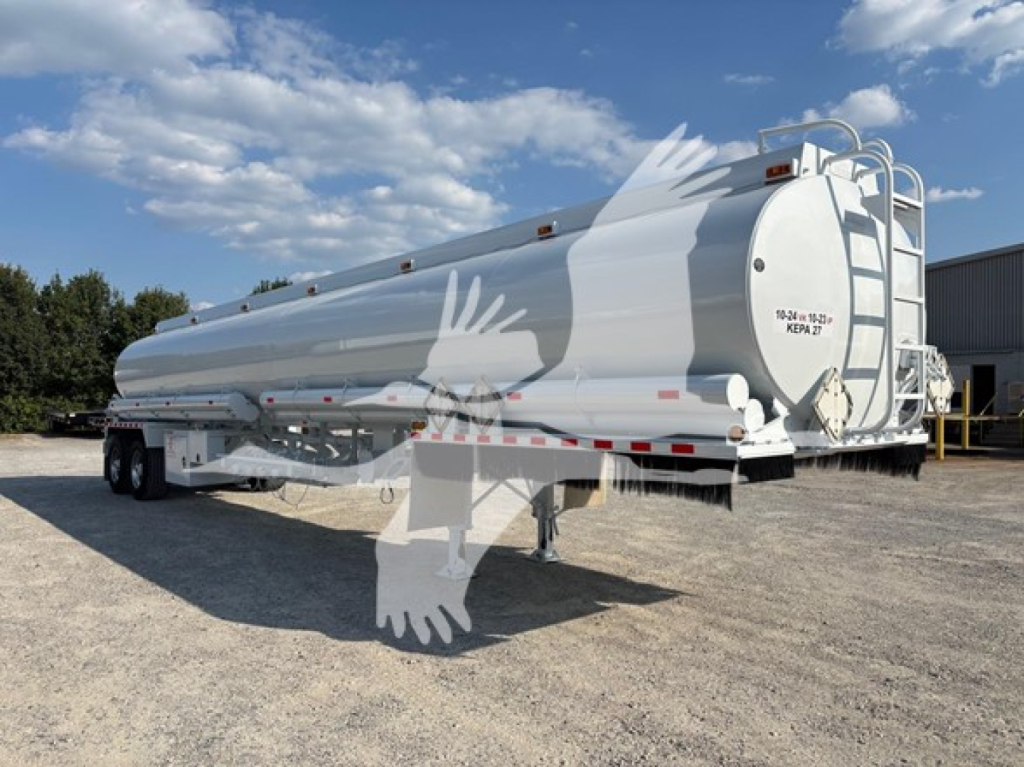
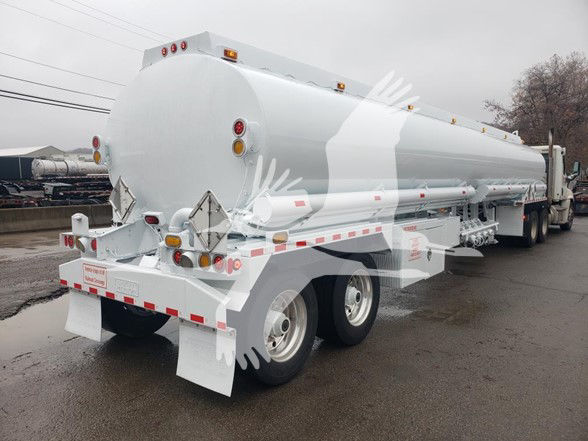
For used Heil fuel trailers, pay close attention to code compliance, testing status, and equipment configuration before comparing price. A DOT 406 gasoline trailer may include 9,200-gallon capacity, four-compartment layouts such as 3200/2300/1100/2600, aluminum piping, Civacon overfill protection, internal vapor lines, air-operated emergency valves, and cabinet storage for fittings and spill gear. Buyers should verify the latest V and K tests, inspection dates, brake type, axle track, kingpin setting, and the condition of the barrel, bulkheads, valves, hose tubes, and sight glasses. Compartment layout matters as much as total capacity because it affects delivery flexibility and how efficiently the trailer fits branded fuel routes.
For used Heil pneumatic trailers, the priority is discharge performance and structural condition. Common specs include aluminum barrel and frame construction, tandem axles, air ride suspension, three hoppers, three manholes, Sand Hog style tees, vibrators, and rear discharge setups. Capacity is usually listed in cubic feet rather than gallons, and operating efficiency depends on the blower package you plan to pair with the trailer, product density, plumbing condition, and how well the trailer seals under pressure. Look closely at hopper shape, tee material, discharge piping, suspension condition, wheel setup, and signs of prior product contamination or moisture intrusion. If the trailer has an adjustable coupler, confirm kingpin adjustment range and how it matches your tractor wheelbase and bridge law requirements.
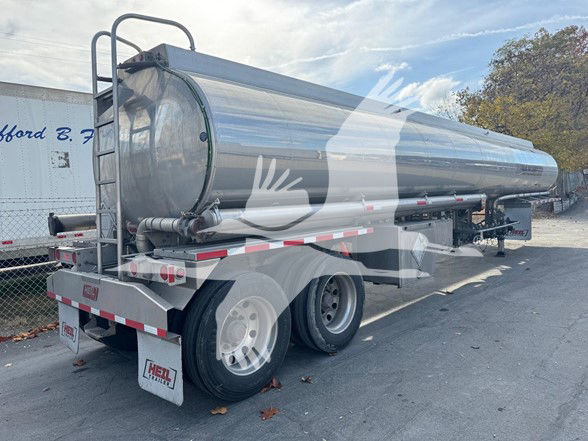
Heil also appears regularly in stainless and insulated tank trailer configurations for chemical, food-grade, or temperature-sensitive liquid service, depending on spec. In this category, buyers should verify the tank code, barrel material such as T-316 stainless, insulation, heating method, pressure manhole setup, discharge size, and whether the trailer has steam heat, in-transit heat, or vapor recovery. Across all used Heil trailers, frame material, suspension type, tire size, wheel composition, lining or barrel condition, and documentation history all affect long-term value more than paint alone. A clean spec sheet is important, but the best buying decisions come from matching the trailer’s code, capacity, plumbing, and compartment or hopper design to the product you actually haul.
Frequently Asked Questions
What types of used Heil trailers are most common on the market?
The most common used Heil trailers are petroleum fuel tank trailers, pneumatic dry bulk trailers, and insulated or stainless liquid tank trailers. Fuel units are often DOT 406 gasoline trailers with multiple compartments, bottom loading, vapor recovery, and overfill protection. Pneumatic units are usually aluminum dry bulk trailers in the 1,000 to 1,040 cubic foot range with multiple hoppers and rear discharge plumbing. Heil also built insulated and stainless tanks for specialized liquid service, so the exact trailer type should be matched to the commodity and regulatory requirements before comparing age or price.
What should I check first on a used Heil fuel trailer?
Start with the code and test status, then move to the compartment layout and discharge equipment. A used Heil fuel trailer should have current or recently documented inspections such as V and K testing, and the DOT or MC code must match the product being hauled. After that, review gallon capacity, compartment sizes, bottom-load configuration, vapor recovery, overfill system manufacturer, emergency valves, hose tube setup, and barrel condition. These details have a direct impact on legal operation, loading compatibility, and route efficiency.
How do I evaluate a used Heil pneumatic trailer?
The key questions are cubic foot capacity, hopper count, discharge layout, and overall pressure integrity. Most buyers also look at tee design, vibrator setup, plumbing material, and suspension spec because those items influence unload speed and maintenance cost. Inspect the hoppers, manholes, piping, and weld areas for wear, corrosion, or evidence of moisture contamination. A pneumatic trailer can look clean externally and still have internal issues that affect product flow or pressure retention, so discharge system condition matters as much as barrel appearance.
Is aluminum or stainless steel better on a used Heil trailer?
It depends on the application. Aluminum is common on fuel and dry bulk trailers because it helps reduce tare weight and supports higher payload potential. Stainless steel is more common on chemical or specialized liquid tanks where corrosion resistance, sanitation, or compatibility with heated products matters more than weight savings. The better choice is the material that matches the commodity, cleaning requirements, and tank code, not simply the one with the lower purchase price.
Why does compartment or hopper layout matter so much on a used Heil trailer?
Layout determines how useful the trailer is in actual service. On a fuel trailer, compartment sizes control how many products can be delivered on one route and how efficiently each stop can be supplied. On a pneumatic trailer, hopper count and discharge design affect product flow, unload consistency, and residue left in the vessel. Two Heil trailers with similar total capacity can perform very differently if the internal layout does not fit your lanes, customer stops, or commodity handling needs.