
Used Peterbilt Vacuum Trucks For Sale in Florida
Browse used Peterbilt vacuum trucks for sale in Florida, including sewer jetter and combo units with debris bodies, blowers, water systems, and PTO setups.
Learn more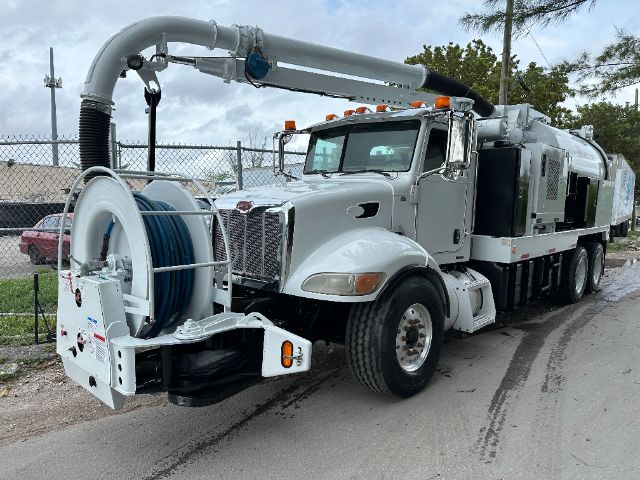
Have used peterbilt vacuum truck to sell? List it here to reach thousands of buyers.
About Used Peterbilt Vacuum Trucks in Florida
A buyer comparing used Peterbilt vacuum trucks should look closely at the body and vacuum system first, then the chassis. Common specs in this class include debris bodies around 8 to 12 yards, freshwater capacity around 500 to 1,500 gallons, high-pressure water systems rated by GPM and PSI, and either positive displacement blowers or multi-stage fan systems depending on the intended work. Combo units, often built by manufacturers like Vac-Con, are designed to vacuum material and jet lines in one package. Key checkpoints include blower hours, pony motor condition if equipped, hose reel operation, rear door seals and locks, dump body hydraulics, tank integrity, and signs of corrosion or patching inside the debris tank.
On the truck side, Peterbilt models used for vacuum service are often spec'd with diesel engines in medium-duty and heavy-duty ranges, automatic or Allison transmissions, 22.5-inch rubber, and GVWRs that support full water and debris loads. Florida operators should pay particular attention to axle ratings, brake condition, cooling system performance, and frame or body corrosion from salt exposure in coastal regions. Ex-municipal units are common in this segment and can be attractive because they may have documented maintenance histories, but idle hours, PTO hours, and overall wear on the vacuum package matter more than odometer miles alone. A lower-mile truck with high blower or pump hours can still need significant refurbishment.
The best used Peterbilt vacuum truck depends on the work mix. Sewer and storm line contractors usually prioritize jetting performance, water capacity, and hose reel layout. Septic and industrial cleanup buyers may focus more on vacuum airflow, tank volume, filtration, and rear door serviceability. For urban Florida work, turning radius, wheelbase, and overall truck length can matter just as much as tank size. A good listing in this category should give enough detail on the vacuum package model, debris capacity, water system output, engine, transmission, PTO or auxiliary power setup, and service history to let a buyer judge remaining life and job fit before making the trip.
Frequently Asked Questions
What should I inspect first on a used Peterbilt vacuum truck?
Start with the vacuum package, not just the truck chassis. The blower or fan system, water pump, hose reels, hydraulic functions, debris tank, rear door seals, and dump system usually determine the biggest repair costs. Check operating hours, listen for abnormal blower noise, inspect the tank interior for corrosion or repairs, and confirm the rear door closes and seals properly. After that, review the chassis condition, engine, transmission, tires, brakes, and PTO operation.
Are combo vacuum jetter trucks better than straight vacuum trucks?
A combo vacuum jetter truck is better when the work includes cleaning sewer lines, storm drains, and other pipe systems that require both high-pressure water and vacuum recovery. A straight vacuum truck can be the better choice for septic pumping, non-destructive excavation support, sludge removal, and material recovery where jetting capacity is less important. The right choice comes down to the jobs you run most often, because combo units add versatility but also more components to maintain.
Do miles matter more than hours on a used vacuum truck?
Hours on the vacuum system often matter as much as, or more than, chassis miles. A truck with modest mileage can still have heavy wear on the blower, water pump, pony motor, hydraulics, and hose systems if it spent years in stop-and-run municipal service. Buyers should compare odometer miles, engine hours, PTO hours, and any separate hour meter on the vacuum package. Service records are especially valuable for evaluating true wear.
What specs are most important for sewer and storm drain work in Florida?
For sewer and storm drain applications, the most important specs are water capacity, jetter output in GPM and PSI, debris body size, vacuum performance, and maneuverability. In Florida, operators often work around standing water, sand, organic debris, and tight municipal access points, so hose reel layout, boom configuration if equipped, wheelbase, and axle capacity can all affect productivity. The best setup balances enough water and debris capacity for a full shift with a truck size that can still access urban and residential job sites.
Are ex-municipal Peterbilt vacuum trucks a good buy?
Ex-municipal trucks can be a strong value because they are often maintained on scheduled intervals and may come with better service documentation than privately owned units. The tradeoff is that many municipal trucks spend long periods idling or operating PTO equipment at low road mileage, which can hide wear if you only look at the odometer. Buyers should inspect the full operating condition of the vacuum system, verify maintenance history, and look for deferred repairs that may have developed near the end of fleet service.