
Used Mack Vacuum Trucks For Sale in Florida
Browse used Mack vacuum trucks for sewer cleaning, hydro excavation, and municipal work, including combo jetter builds on durable Mack chassis.
Learn more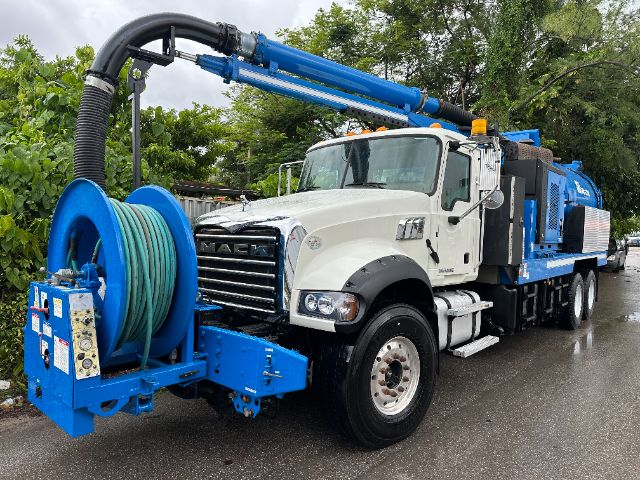
Have used mack vacuum truck to sell? List it here to reach thousands of buyers.
About Used Mack Vacuum Trucks in Florida
For this category, the real buying decisions start with the vacuum package, not just the truck badge. Combo sewer cleaners commonly include a debris body around 8 to 12 cubic yards, fresh water capacity in the 1,000 to 1,500 gallon range, a high-pressure water pump rated by GPM and PSI, and either a fan system or positive displacement blower depending on intended work. A liquid ring or centrifugal fan setup can be attractive for municipal sewer flushing and general catch basin work, while PD blower-equipped units may be preferred when stronger vacuum performance over distance is important. Buyers should also verify hose reel configuration, boom layout, hydraulic dump function, rear door seal condition, filtration system wear, and whether the unit uses chassis PTO drive or a separate pony motor.
Mack vacuum trucks often show up on Granite and Pinnacle vocational platforms, with diesel engines sized for stop-and-go municipal duty and heavier front axle ratings to support the vacuum body and water load. On used units, transmission choice matters because automatic and automated manual setups can improve drivability in dense urban routes, while axle ratings, wheelbase, and bridge law considerations affect legal payload and maneuverability. In Florida service, cooling system condition, AC performance, electrical reliability, and tire condition are worth extra attention because these trucks spend long hours idling, operating auxiliary equipment, and working in heat and humidity. If the truck is ex-municipal, service records can be a major advantage, but buyers should still inspect the blower or fan, jetting pump, hose reels, tank interiors, and all hydraulic functions under load.
A well-matched used Mack vacuum truck can be a productive asset for sewer departments, septic contractors, utility crews, and stormwater maintenance fleets. The best unit is usually the one with the right body capacity, water volume, vacuum system, and service history for the work, not simply the newest chassis. Look at total miles and engine hours, but weigh them against auxiliary equipment hours, signs of body corrosion, pump and blower maintenance, and the availability of replacement parts for the vacuum package. For buyers comparing multiple listings, the strongest value often comes from a truck with a proven vocational spec, documented maintenance, and a body system that matches the exact cleaning, excavation, or debris-handling jobs it will perform.
Frequently Asked Questions
What should I look at first when buying a used Mack vacuum truck?
Start with the vacuum system and body, because that is where most of the truck's job-specific value and repair risk sits. Check the debris body size, fresh water capacity, fan or blower type, pump rating, hose reels, boom operation, hydraulic dump function, rear door seals, and signs of corrosion or cracking. Then compare chassis miles to engine hours and auxiliary equipment hours, because a vacuum truck can have moderate road miles but still show heavy work-cycle use.
Are Mack vacuum trucks good for municipal and utility work?
Yes. Mack chassis are widely used in vocational applications because they are built for heavy loads, stop-and-go duty, and body-builder compatibility. In sewer cleaning, storm drain maintenance, and utility support, buyers often favor Mack for durability, service network familiarity, and chassis configurations that work well with vacuum and combo jetter bodies.
What is the difference between a combo jetter and a straight vacuum truck?
A combo jetter combines a vacuum recovery system with a high-pressure water jetting system for cleaning sewer lines, lift stations, and catch basins. A straight vacuum truck is primarily designed to remove liquids, sludge, slurry, or debris and may not have the same jetting capability. If the truck will be used for line cleaning, root cutting support, and flushing municipal systems, a combo unit is usually the better fit.
Why do pony motor hours matter on a used vacuum truck?
Many vacuum trucks use a separate pony motor to run the vacuum and water systems independently of the chassis engine. Those hours reflect wear on the auxiliary equipment side of the truck, which can be just as important as engine miles. A truck with lower road miles but very high pony motor hours may still have substantial wear in the pump, fan or blower, hydraulic components, and support systems.
What matters most for used vacuum trucks in Florida?
Florida buyers should pay close attention to corrosion, electrical condition, cooling system performance, and the health of seals, hoses, and hydraulic components. Heat, humidity, and municipal washdown exposure can accelerate wear in wiring, fittings, and body hardware. Strong air conditioning, reliable engine cooling, and a clean tank and pump system are especially important for trucks expected to work long hours in hot weather.