
Used GMC Vacuum Trucks For Sale in Florida
Browse used GMC vacuum trucks in Florida, including sewer, hydro excavation, and industrial cleanup units with diesel power and PTO or pony motor setups.
Learn more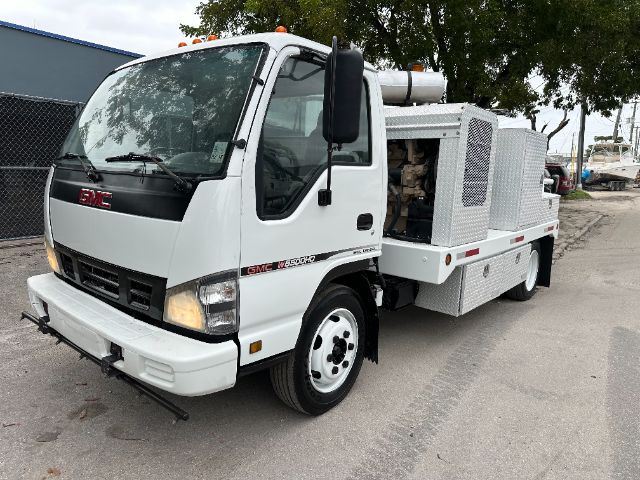
Have used gmc vacuum truck to sell? List it here to reach thousands of buyers.
About Used GMC Vacuum Trucks in Florida
The upfit matters more than the badge in this category, so buyers should start with the vacuum system before looking at mileage. Key items include blower type and CFM rating, tank capacity, water capacity, pump pressure, filtration setup, hose reel arrangement, and whether the unit runs through PTO or a pony motor. Smaller GMC vacuum trucks are often configured for sewer jetting and line cleaning with fresh water tanks, high-pressure pumps, and compact debris bodies. A unit with a positive displacement blower, around 500 CFM, and a dedicated water pump can be a strong match for municipal pipe maintenance, lift station cleanup, and contractor use where access is limited and a full-size vac truck would be oversized.
Chassis selection still matters because payload, axle ratings, turning radius, and cab ergonomics affect daily productivity. Common GMC medium-duty platforms used for vacuum bodies can include cabover and conventional layouts, with diesel engines paired to automatic transmissions for easier operation in repetitive route work. Buyers should verify GVWR, wheelbase compatibility with the installed body, brake condition, PTO engagement, and frame integrity around mounting points. On used vacuum trucks, service records for the blower, pump, hoses, valves, tank interior, and hydraulic components are especially important. In Florida, it also pays to inspect for rust around the subframe, water system corrosion, sun-related hose wear, and signs of salt-air exposure if the truck has worked near the coast.
A good used GMC vacuum truck is defined by application fit, not just age or miles. For sewer and jetting work, pay close attention to water pump output, hose capacity, and debris tank access for cleaning. For dry recovery or industrial vacuum service, look harder at blower performance, filtration, and tank construction. If the truck is equipped with specialty systems such as a PipeHunter package, hydro excavation components, or a high-PSI water pump, make sure replacement parts and service support are still accessible. The right unit should match your material type, daily run distance, dump frequency, and crew size while staying legal on axle weight and practical to maintain.
Frequently Asked Questions
What should I look for first on a used GMC vacuum truck?
Start with the vacuum and water systems, not the odometer. Blower condition, pump output, tank integrity, hose wear, valve function, and filtration setup usually determine how useful the truck will be in the field. Mileage matters, but a lower-mile truck with a worn blower or neglected water pump can become more expensive than a higher-mile unit with documented maintenance.
Are GMC vacuum trucks good for sewer and hydro excavation work?
Yes, many GMC medium-duty chassis work well for sewer cleaning, jetting, catch basin service, and lighter hydro excavation applications. They are often chosen for their maneuverability, automatic transmission availability, and serviceability on municipal and contractor routes. The real deciding factor is the upfit, including blower CFM, water capacity, PSI rating, hose storage, and debris tank design.
Is a PTO system better than a pony motor on a vacuum truck?
Each setup has advantages. A PTO-driven system is simpler in some fleets because it uses the truck engine and can reduce the number of separate power units to maintain. A pony motor can let the vacuum or water system run independently and may be preferred on certain specialty builds. Buyers should compare fuel use, maintenance history, noise, cold-start behavior, and how the truck will be operated during long stationary jobs.
What matters most when buying a used vacuum truck in Florida?
Florida buyers should pay close attention to corrosion, especially on the subframe, tank, plumbing, electrical connections, and hose hardware. Coastal use can accelerate rust and damage fittings even on trucks that look clean from a distance. Heat and UV exposure also shorten hose, seal, and plastic component life, so a thorough inspection of the water and vacuum systems is important.
How do I know if a used GMC vacuum truck is sized correctly for my business?
Match the truck to the material you are recovering, the average job duration, disposal frequency, and the access conditions at your work sites. Smaller units can be more productive in urban or residential areas because they are easier to position and cycle quickly. Larger-capacity units may reduce dump trips, but they can be less practical on tight routes and may create axle weight limitations if the chassis is not spec'd correctly.