
Used Trucks For Sale in Oklahoma
Browse used trucks for sale in Oklahoma, including dump, day cab, sleeper, refuse, and vocational trucks with buyer-focused spec insights.
Learn morePopular Trucks Categories
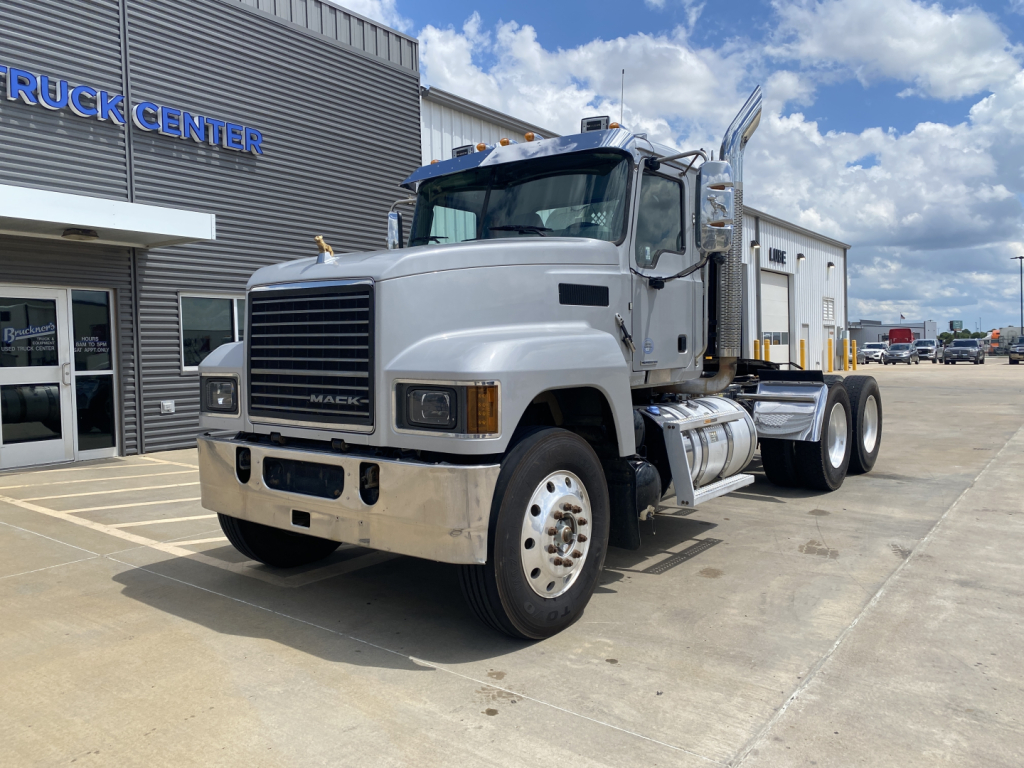
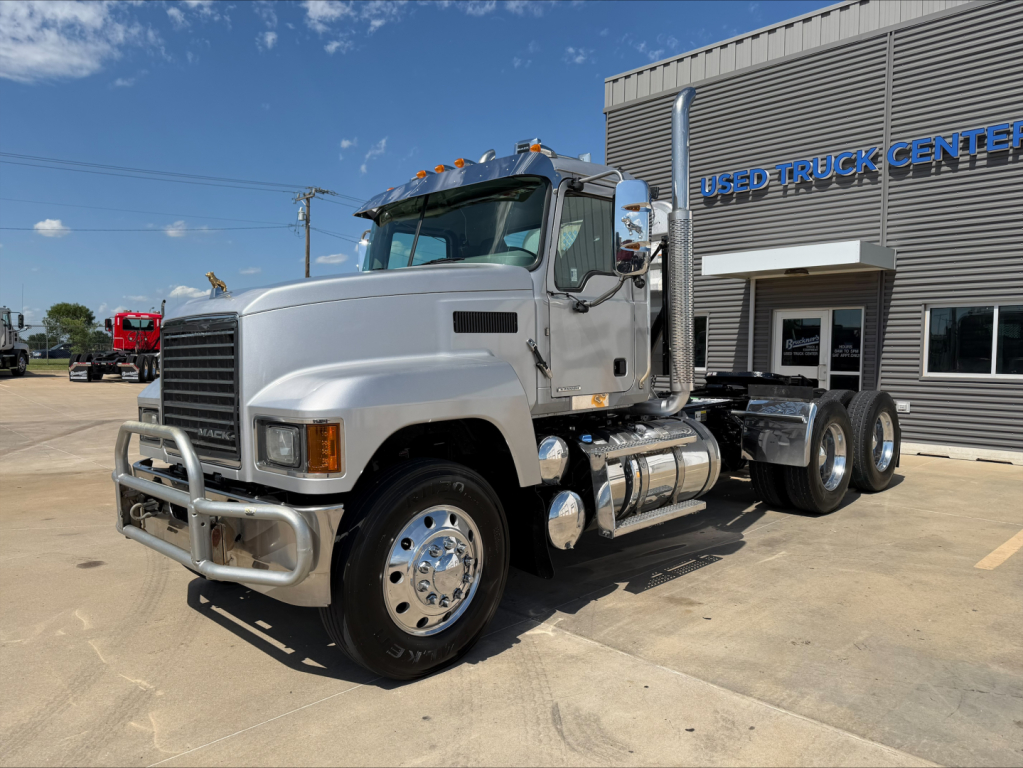
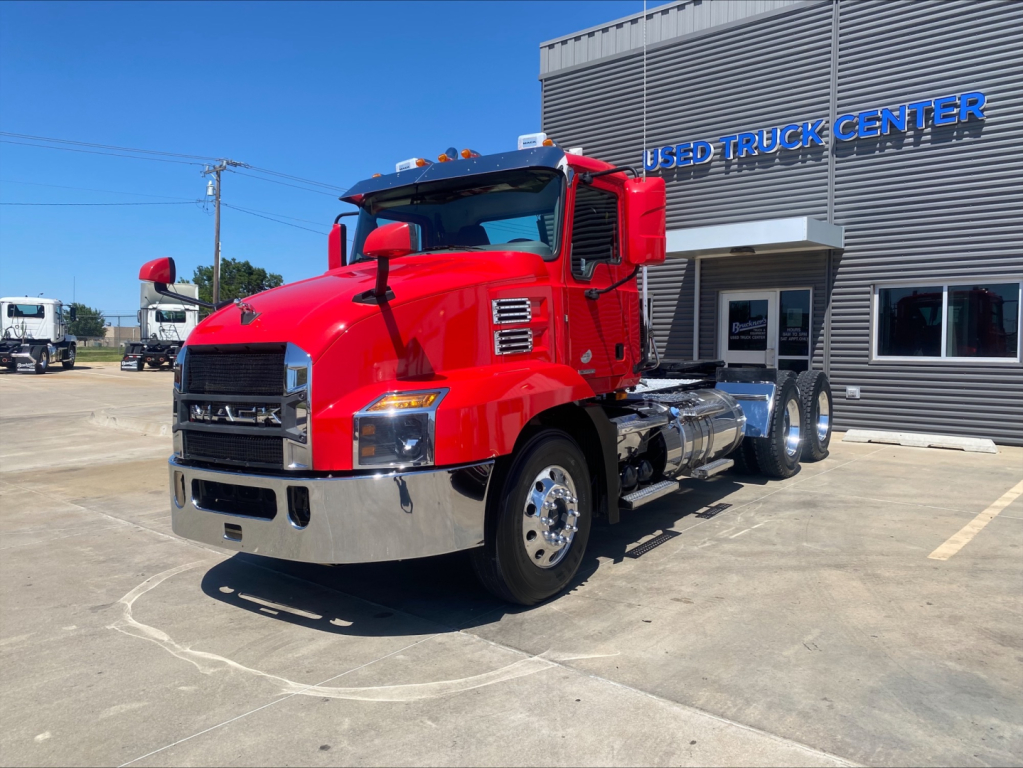
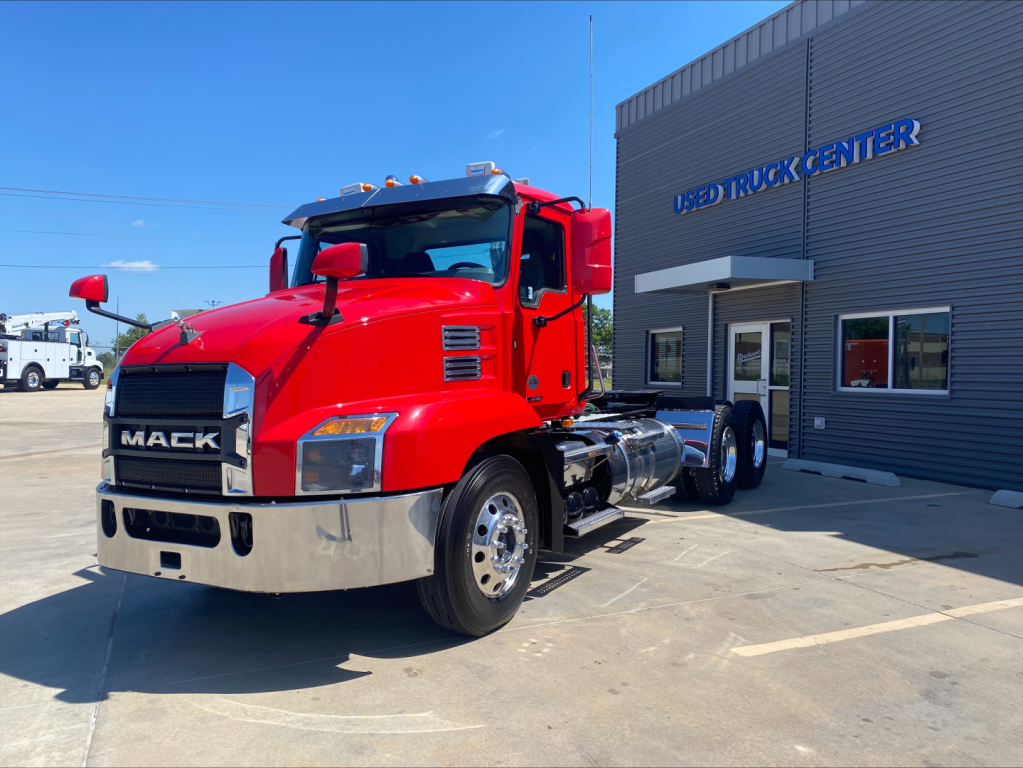
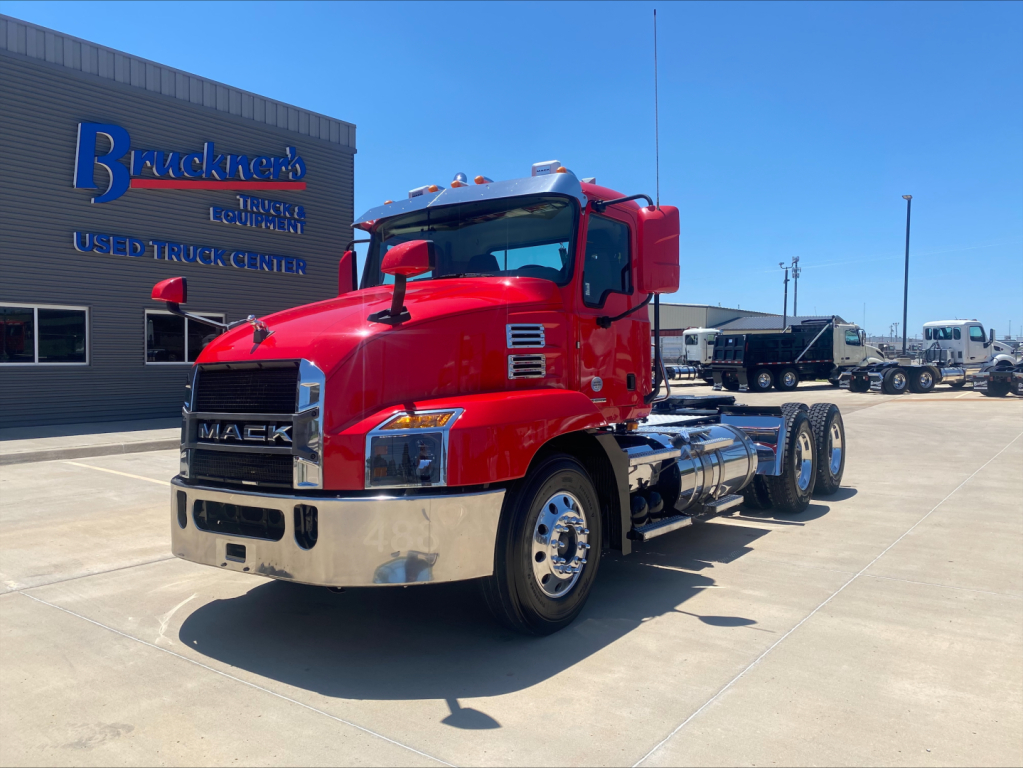
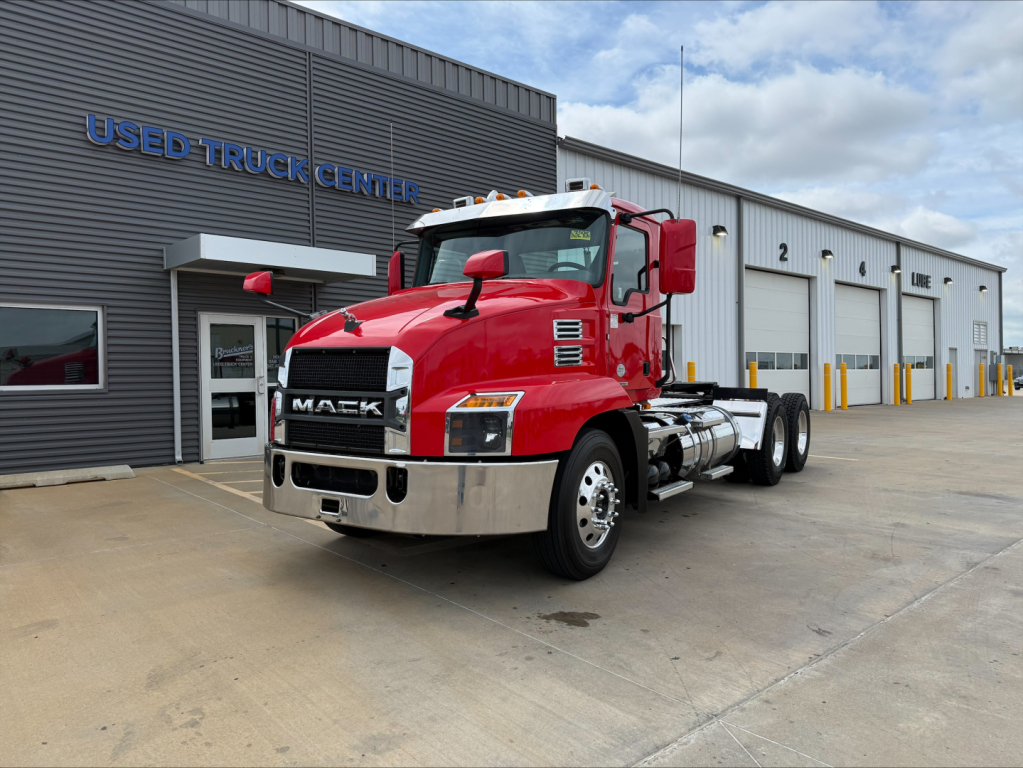
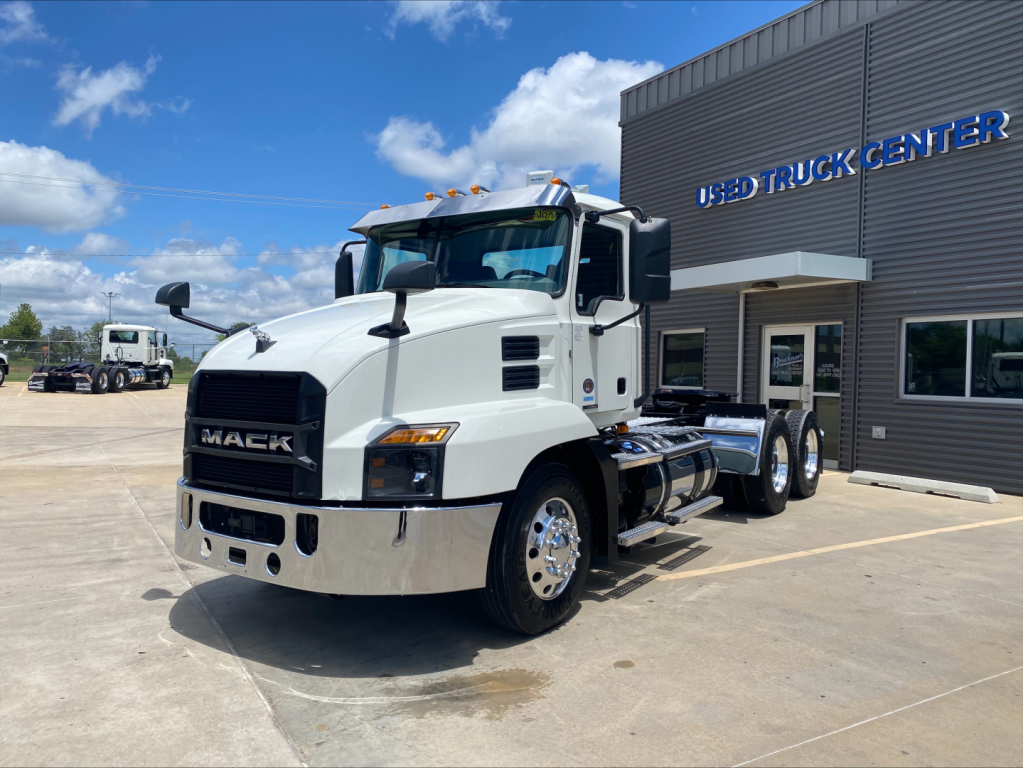
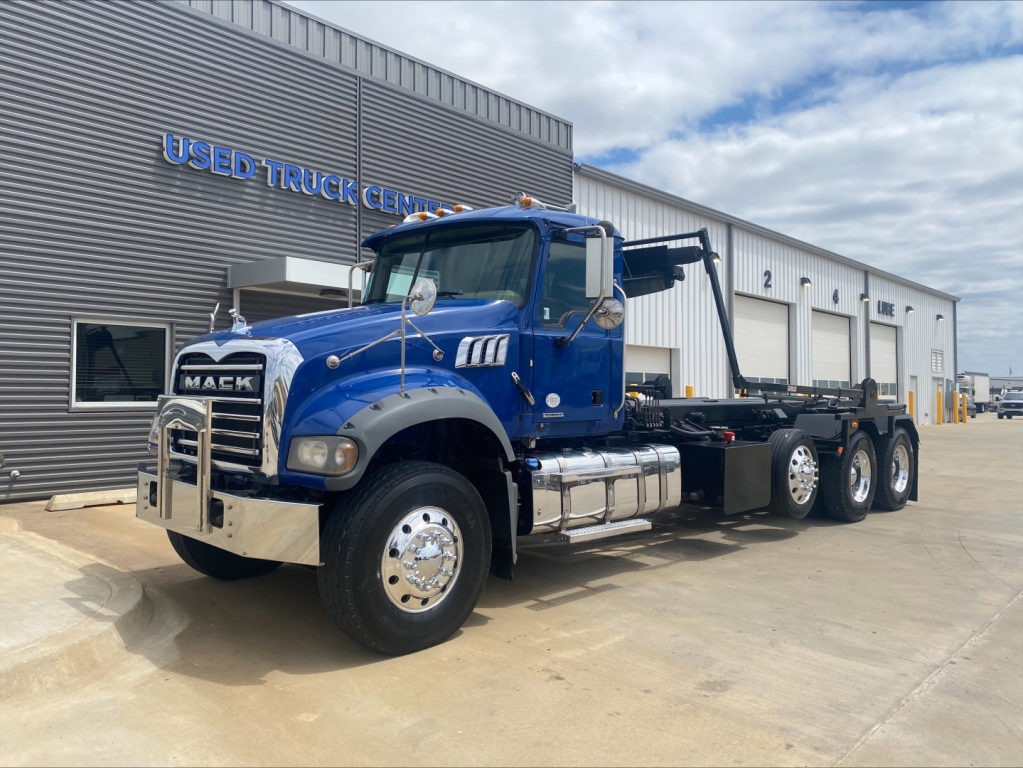
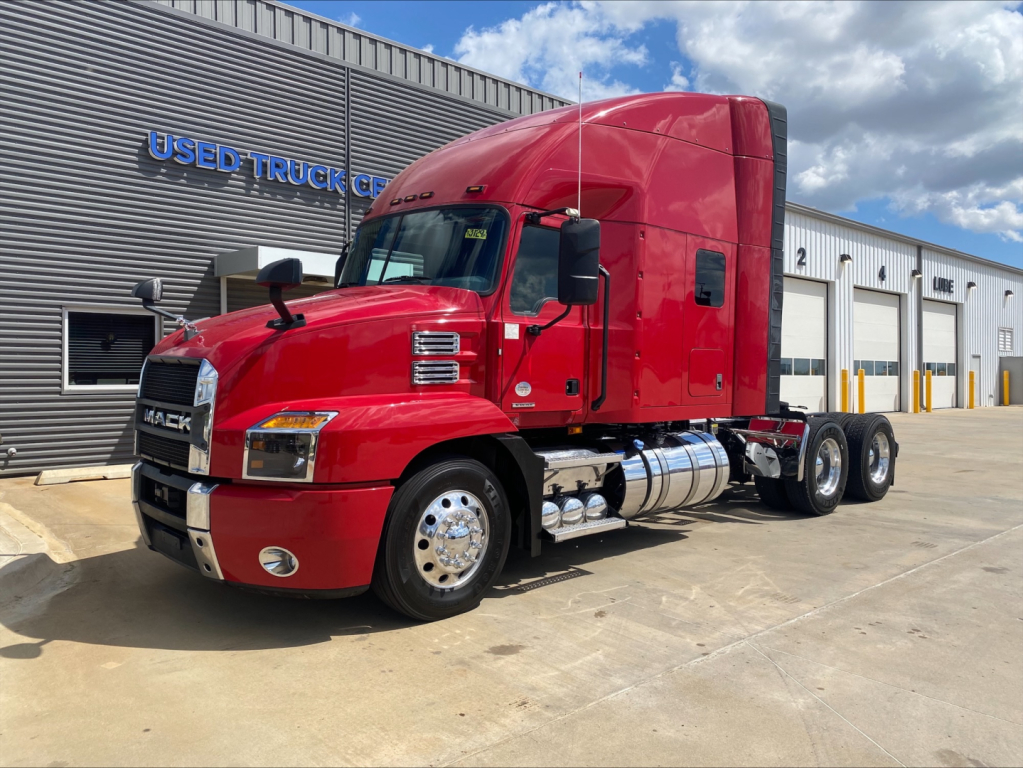
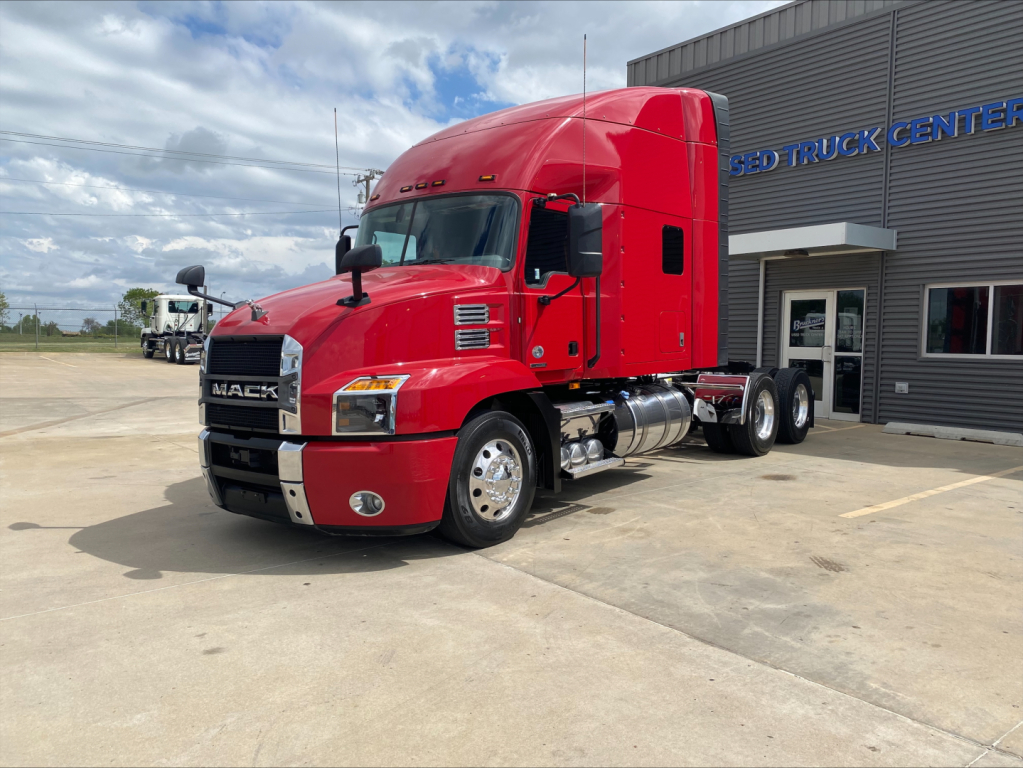
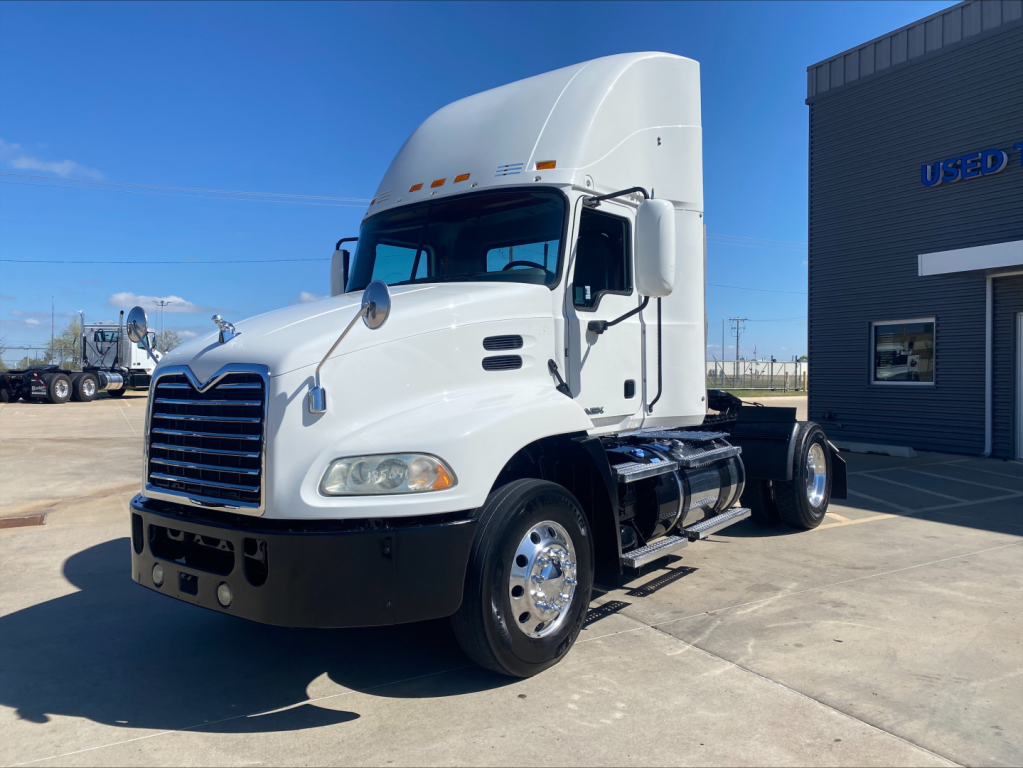
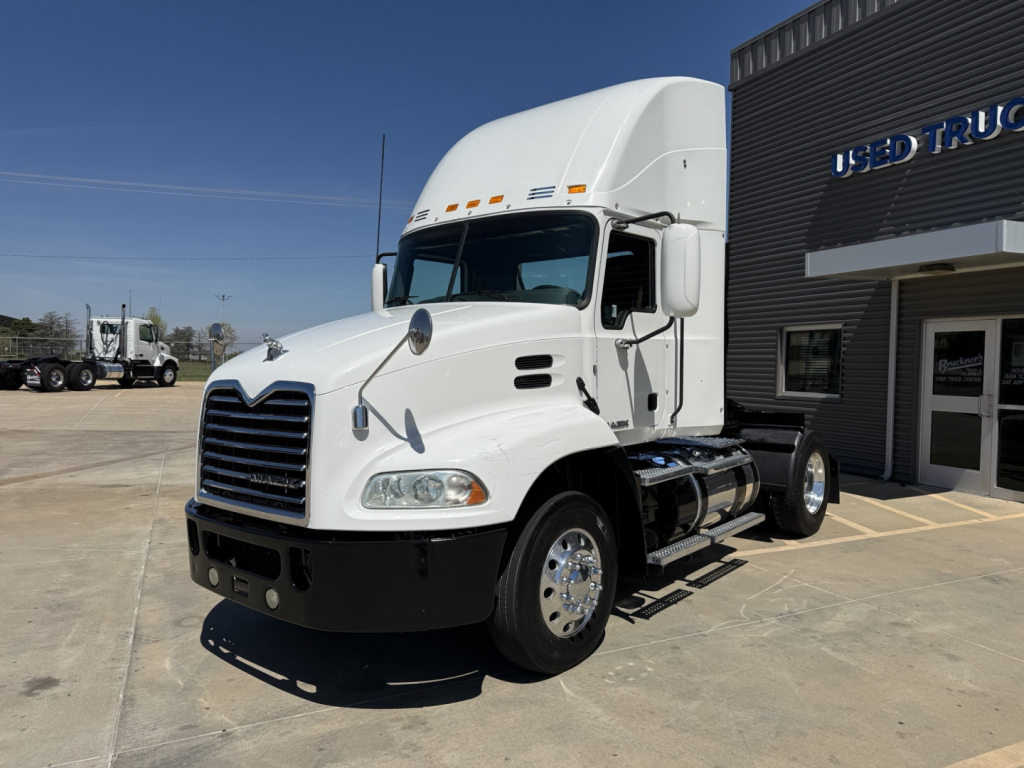
Showing 37 to 48 of 64 results
Have used truck to sell? List it here to reach thousands of buyers.
About Used Trucks in Oklahoma
For over-the-road and regional use, common decision points are sleeper versus day cab, tandem axle layout, engine output, and transmission type. Late-model highway trucks often show up with 400 to 525 horsepower diesel engines, automated manual transmissions such as Volvo I-Shift or Mack M-Drive, or traditional manual gearboxes in 10-, 12-, or 18-speed configurations. Rear axle ratios in the low 2s to mid 3s are common on fuel-conscious highway specs, while wheelbase and suspension setup affect ride quality, trailer compatibility, and weight distribution. Buyers running long miles through Oklahoma, Texas, Kansas, and surrounding lanes should also pay attention to emissions history, maintenance records, tire condition, and whether the truck was operated in linehaul, regional, or heavy vocational service.
Vocational used trucks in Oklahoma often include dump trucks, garbage trucks, and severe-duty chassis designed for construction, aggregates, paving, oilfield support, and municipal fleets. These trucks typically carry heavier front axles, higher GVWRs, shorter or purpose-built wheelbases, and more aggressive rear ratios for startability and PTO work. Allison automatic transmissions are common in dump and refuse applications because they simplify stop-and-go operation and body control integration, while heavy spring or severe-duty air suspensions are selected for payload and terrain. On trucks with installed bodies, bed material, body length, hoist condition, liner wear, tailgate style, and hydraulic performance matter as much as the cab and engine.
Oklahoma buyers also tend to evaluate trucks by region and duty cycle. A used truck that spent its life on state highways may present differently than one that worked in quarries, landfills, or city routes. Frame condition, body rust, suspension wear, brake life, pusher or lift axle operation, and steer axle capacity can all affect near-term operating cost. For highway tractors, look closely at wheelbase, fifth wheel setup, fuel capacity, and interior condition. For vocational trucks, focus on PTO hours, frame upfitting quality, axle spread, and any signs of hard off-road use. The strongest value usually comes from a truck whose original spec matches your freight, terrain, and legal weight requirements with minimal rework.
Frequently Asked Questions
What types of used trucks are commonly available in Oklahoma?
Used trucks in Oklahoma commonly include conventional day cabs, sleeper tractors, dump trucks, garbage or refuse trucks, and other vocational chassis. Highway trucks are typically set up for regional or long-haul freight with tandem axles, air ride suspensions, and fuel-efficient gearing. Vocational trucks are more likely to have heavier front axles, higher GVWR, automatic transmissions, PTO capability, and purpose-built bodies for construction, municipal, or industrial work.
What should I check first when comparing used trucks for sale?
Start with the truck's intended application, then verify core specs that support that job. Key items include engine make and horsepower, transmission type, axle ratings, suspension, rear ratio, wheelbase, GVWR, and number of axles. After the spec sheet, the next priority is condition: service history, engine hours if available, brake and tire life, frame condition, signs of corrosion or abuse, and the condition of any installed body or hydraulic equipment.
Are automatic transmissions common in used vocational trucks?
Yes. Automatic transmissions, especially Allison automatics, are very common in used dump trucks, refuse trucks, and other stop-and-go vocational applications. They improve drivability, reduce clutch wear, and work well with PTO-driven equipment and frequent starts under load. Automated manuals are also common across the used market, particularly in highway tractors where fuel economy and driver familiarity are major considerations.
How do axle ratings and GVWR affect used truck selection?
Axle ratings and GVWR determine how the truck can be legally and practically used. A heavier steer axle, tandem rears, or added pusher axle can make a major difference in payload capability and body selection. Buyers should match front axle weight, rear axle weight, suspension capacity, and gross vehicle weight rating to the loads they expect to carry. Choosing a truck with insufficient ratings can limit payload, while buying too much truck can add unnecessary cost and empty weight.
What is the difference between a highway truck spec and a vocational truck spec?
A highway truck spec is usually built around fuel economy, ride quality, and trailer compatibility. That often means aerodynamic cab design, air ride suspension, lower rear axle ratios, and sleeper or day cab configurations for freight operations. A vocational truck spec is built around durability, startability, PTO function, and weight carrying capacity. These trucks often use heavier frames, stronger front axles, more aggressive gearing, shorter or application-specific wheelbases, and body-ready chassis layouts for dump, refuse, or other jobsite work.