
Used Elgin Sweeper Trucks For Sale in Kansas
Browse used Elgin sweeper trucks for sale in Kansas. Compare Pelican and other models by broom type, hopper capacity, engine hours, and condition.
Learn more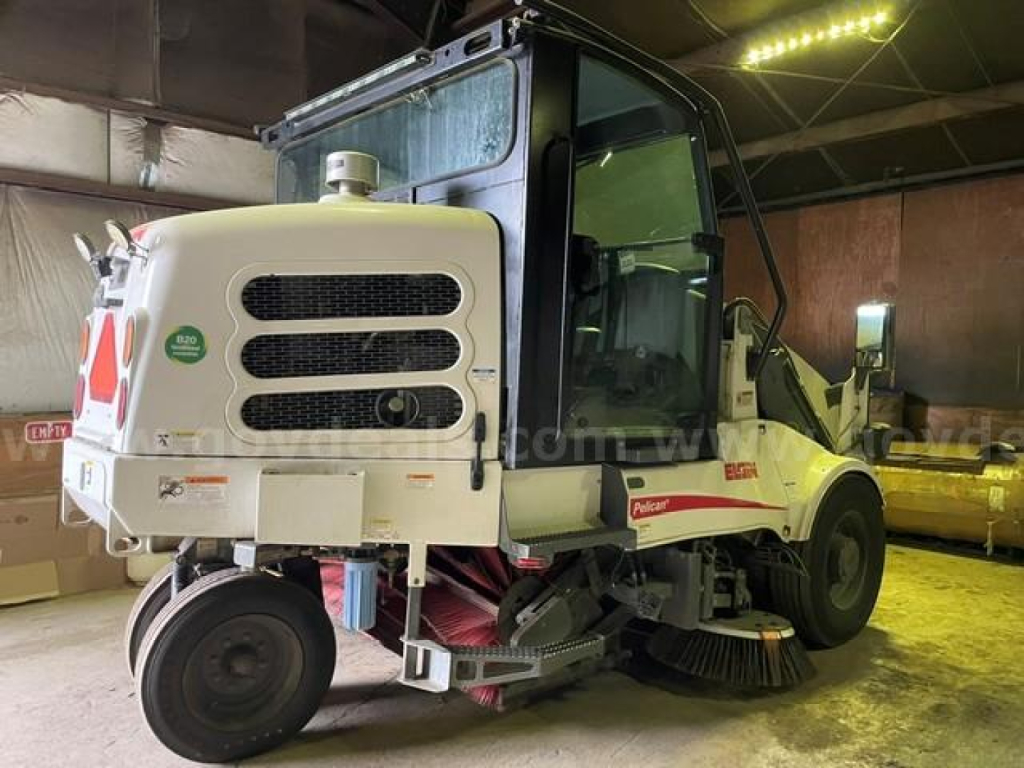
Have used elgin sweeper truck to sell? List it here to reach thousands of buyers.
About Used Elgin Sweeper Trucks in Kansas
On a used Elgin sweeper truck, the big checkpoints are engine hours, broom wear, hopper condition, water system function, and evidence of corrosion around the conveyor, suction path, or dump structure. In Kansas, seasonal use matters. Units that have worked around winter sand, salt, and road treatment material can show accelerated wear in the hopper, gutter broom assemblies, spray nozzles, and hydraulic components. A buyer should also pay close attention to auxiliary engine hours if the sweeper uses a separate power source for the sweeping system, along with fan condition, pickup head wear, broom arm operation, and the condition of the elevator or conveyor system on mechanical broom models. Service records are especially valuable on sweepers because preventive maintenance drives uptime more than odometer miles alone.
Common specs in this category include diesel power, automatic transmissions, dual gutter brooms, water dust suppression systems, and dump hoppers sized for municipal route work or contractor cleanup. Many Elgin sweeper trucks are built on commercial chassis from major manufacturers, so parts and service support often depend on both the chassis maker and the sweeper body components. Buyers should confirm GVWR, axle ratings, hopper capacity, sweep path width, and whether the truck is configured for 2WD or another drivetrain setup suited to its route conditions. Cab condition, visibility, air conditioning, warning lights, backup cameras, and in-cab controls also matter because sweeper trucks spend long hours in stop-and-go operation.
A used Elgin sweeper truck makes the most sense when the machine matches the debris profile and duty cycle. Municipal buyers may prioritize route reliability, operator familiarity, and easy broom replacement. Contractors may focus more on hopper volume, dust control, and suitability for asphalt, milling, or construction cleanup. Pelican models remain popular because they are widely known, relatively straightforward to operate, and well suited to routine street and lot sweeping. The best buying decision usually comes from balancing hours, broom system condition, chassis service history, and how closely the sweeper's setup fits the work it will actually perform.
Frequently Asked Questions
What is the difference between an Elgin mechanical broom sweeper and an Elgin air sweeper?
An Elgin mechanical broom sweeper uses rotating gutter brooms and a conveyor or elevator system to move debris into the hopper. This design is typically better for heavier material such as sand, aggregate, leaves, and milling debris. An Elgin air sweeper uses suction and airflow to collect finer debris and often provides better dust control and a cleaner finish on paved surfaces. The right choice depends on the material being collected and the cleanup standard required on the job.
What should I inspect first on a used Elgin sweeper truck?
Start with the sweeping system, not just the chassis. Check broom wear, pickup head condition, conveyor or suction components, hopper floor and sidewalls, water tank and spray system, hydraulic leaks, and all sweep functions under operation. Then review engine hours, transmission performance, brake condition, tire wear, and any signs of corrosion or structural repair. A sweeper truck can look acceptable cosmetically while still needing expensive body or broom system work.
Are engine hours more important than miles on a used sweeper truck?
In many cases, yes. Sweeper trucks spend a large part of their life operating at low road speed while running hydraulic and broom systems, so miles alone do not tell the full story. Engine hours, and auxiliary engine hours when applicable, often give a better picture of real use. A lower-mile sweeper with high operating hours may have more wear in the sweeping system than a higher-mile unit that spent more time traveling between jobs.
Why are Elgin Pelican models so common in the used sweeper market?
The Elgin Pelican is widely used by municipalities and contractors because it is a proven mechanical broom platform with broad parts familiarity and a straightforward operating design. It is well suited to routine street maintenance, parking lots, and heavier debris applications where a mechanical broom sweeper performs well. Its popularity means buyers often find more used examples, more operator familiarity, and easier access to service knowledge.
What matters most when buying a used Elgin sweeper truck in Kansas?
Kansas buyers should pay close attention to corrosion from winter road treatment materials, the condition of the water and hydraulic systems, and how the sweeper performs in stop-and-go municipal or contractor work. Local duty cycles often include street sand, leaves, and general road debris, so broom system wear and hopper condition are especially important. A unit with solid maintenance history, functional spray and broom systems, and limited rust in key body components will usually be the stronger value.