
Used Elgin Sweeper Trucks For Sale
Browse used Elgin sweeper trucks including Pelican and Crosswind models. Compare broom, air, hopper, and chassis specs for municipal cleaning work.
Learn more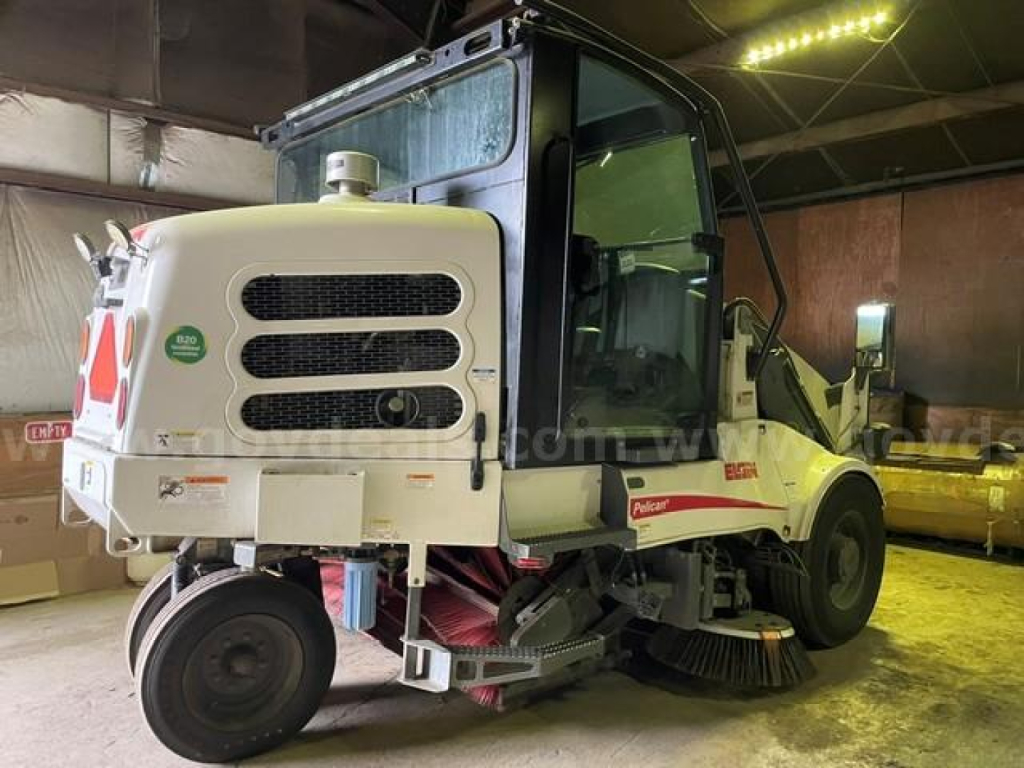
Have used elgin sweeper truck to sell? List it here to reach thousands of buyers.
About Used Elgin Sweeper Trucks
The first buying decision is usually application, then hopper size, broom setup, and chassis condition. On a used Elgin sweeper truck, pay close attention to auxiliary engine hours if equipped, main engine hours or mileage, hydraulic performance, water system operation, and hopper condition. Side broom wear, pickup head condition, suction tubing, conveyor components, and elevator wear are all expensive clues to how the machine was maintained. Corrosion matters on any sweeper, especially around the hopper, water tank, cab floors, and frame areas exposed to constant moisture and debris. Many used units come from municipalities, so service records can be a major advantage if they show routine broom replacement, hydraulic service, and scheduled engine maintenance.
Elgin Pelican sweepers are well known in the used market as mechanical broom street sweepers built for city streets, construction cleanup, and heavier material pickup. Crosswind models are regenerative air sweepers designed for efficient dust and debris collection with lower water usage than some older conventional systems. Depending on year and configuration, buyers may see diesel engines, automatic transmissions, two-wheel steer chassis, standard dual side brooms, and municipal-spec lighting or safety packages. Tire condition, brake performance, steering play, and PTO or hydraulic engagement should be checked carefully because sweepers spend much of their lives in low-speed stop-and-go service that is hard on driveline and suspension components.
A good used Elgin sweeper truck is less about paint and more about system integrity. Vacuum performance, broom pressure control, spray nozzles, hopper dump operation, and fan or conveyor function tell the real story. If the truck will be used for public works, road construction support, sealcoat cleanup, or commercial property maintenance, match the sweeper type to the debris stream and route length. Buyers comparing listings should weigh chassis age against documented maintenance, because a well-kept older Elgin can outperform a newer unit with neglected hydraulics or a worn sweeping system.
Frequently Asked Questions
What is the difference between an Elgin Pelican and an Elgin Crosswind sweeper?
The Elgin Pelican is a mechanical broom sweeper, which uses brooms and a conveyor or elevator system to move heavier debris into the hopper. It is commonly chosen for municipal street routes, gravel, millings, and construction cleanup. The Elgin Crosswind is a regenerative air sweeper, which uses controlled airflow to lift and collect finer material with strong dust control. It is often preferred for paved surfaces, parking lots, and applications where a cleaner sweep pattern is important.
What should I inspect first on a used Elgin sweeper truck?
Start with the sweeping system, not just the cab and chassis. Check hydraulic operation, broom wear, pickup head condition, hopper structure, water system function, and the condition of hoses, cylinders, and suction components. Then review engine hours, mileage, transmission operation, brake condition, and signs of corrosion. A sweeper can run and drive well while still needing costly hopper, broom, or hydraulic repairs, so system condition is usually the biggest value factor.
Are used Elgin sweeper trucks good for municipal and contractor work?
Yes. Used Elgin sweeper trucks are widely used by cities, counties, paving contractors, and property maintenance operators. Mechanical broom models are especially practical for road edges, aggregate, and heavier debris, while regenerative air models fit dust-sensitive sweeping on smoother pavement. The best fit depends on route type, debris volume, dumping frequency, and whether the work is focused on public streets, parking areas, or post-construction cleanup.
How important are engine hours and auxiliary engine hours on a used sweeper?
They are very important because many sweepers accumulate wear through sweeping hours as much as road mileage. On units with a separate auxiliary engine, that engine may have seen substantial operating time running the sweeping package even if chassis miles are moderate. Buyers should compare engine hours, maintenance history, and overall system condition together. Low mileage alone does not guarantee low wear on a street sweeper.
Do older used Elgin sweepers still make sense to buy?
They can, provided the machine has been maintained and the sweeping components are still sound. Many older Elgin units remain productive in municipal and private fleet service because the core chassis and sweeping systems are familiar to technicians and operators. The key is to inspect the hopper, hydraulics, broom assemblies, fan or conveyor systems, and structural rust closely. An older sweeper with strong maintenance records can be a better value than a newer machine with deferred repairs.