
New Rolloff Trucks For Sale
New rolloff trucks with optimized hoists, chassis strength, payload capacity, corrosion protection, and hydraulic cooling to maximize uptime, safety
Learn more88 Listings
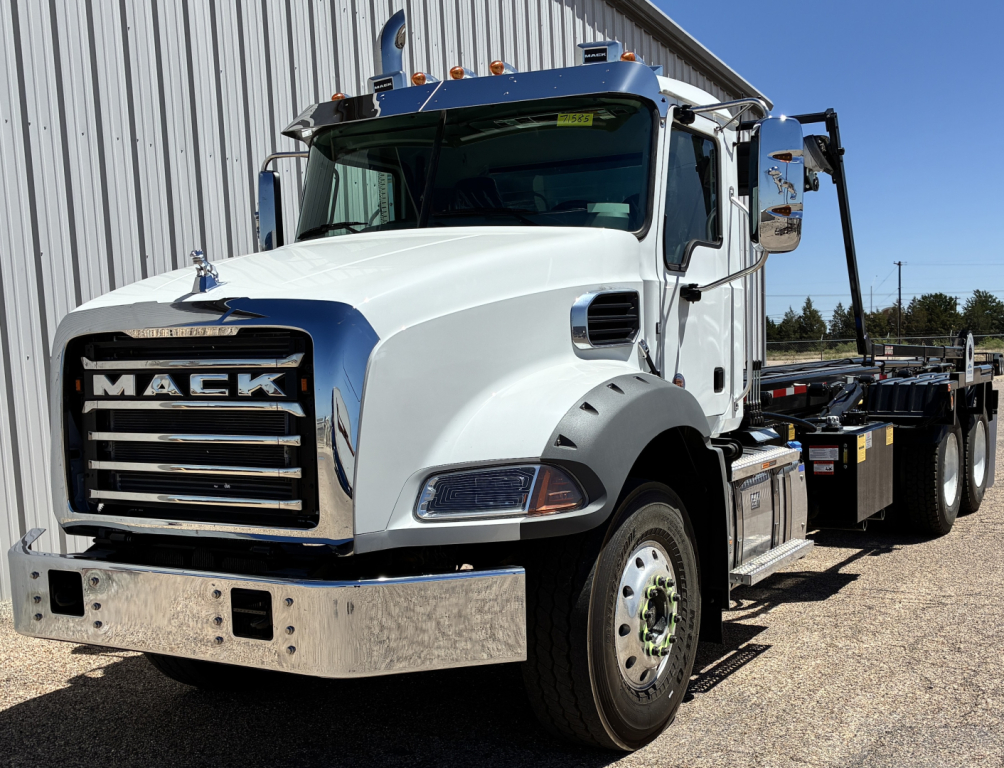
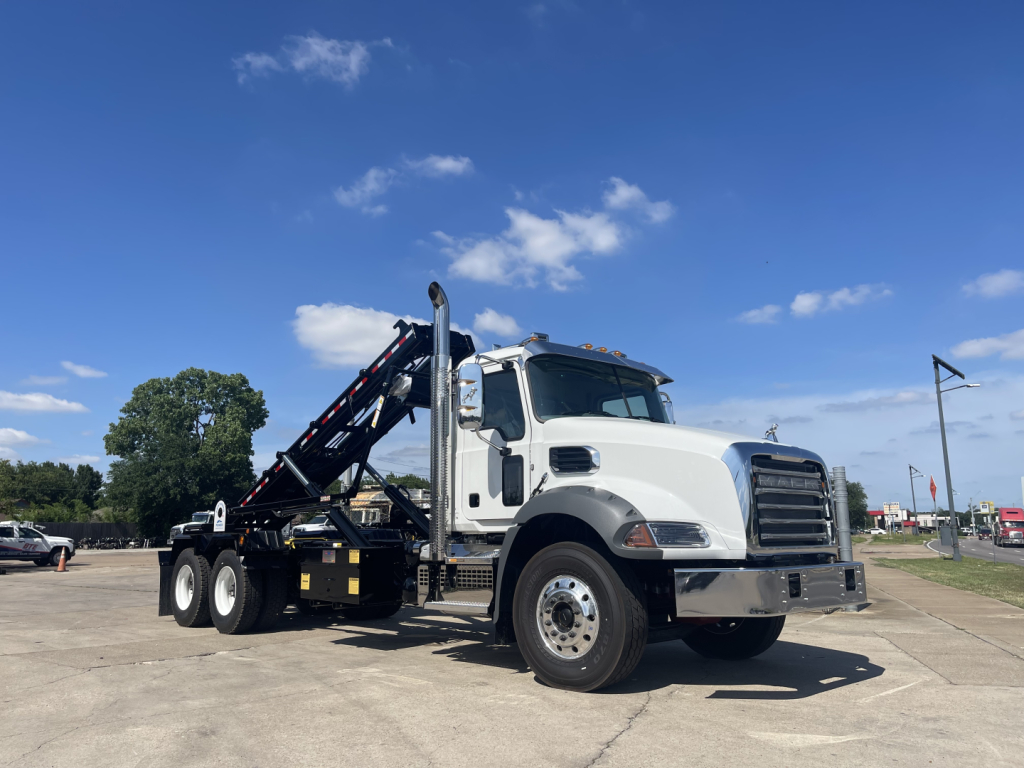
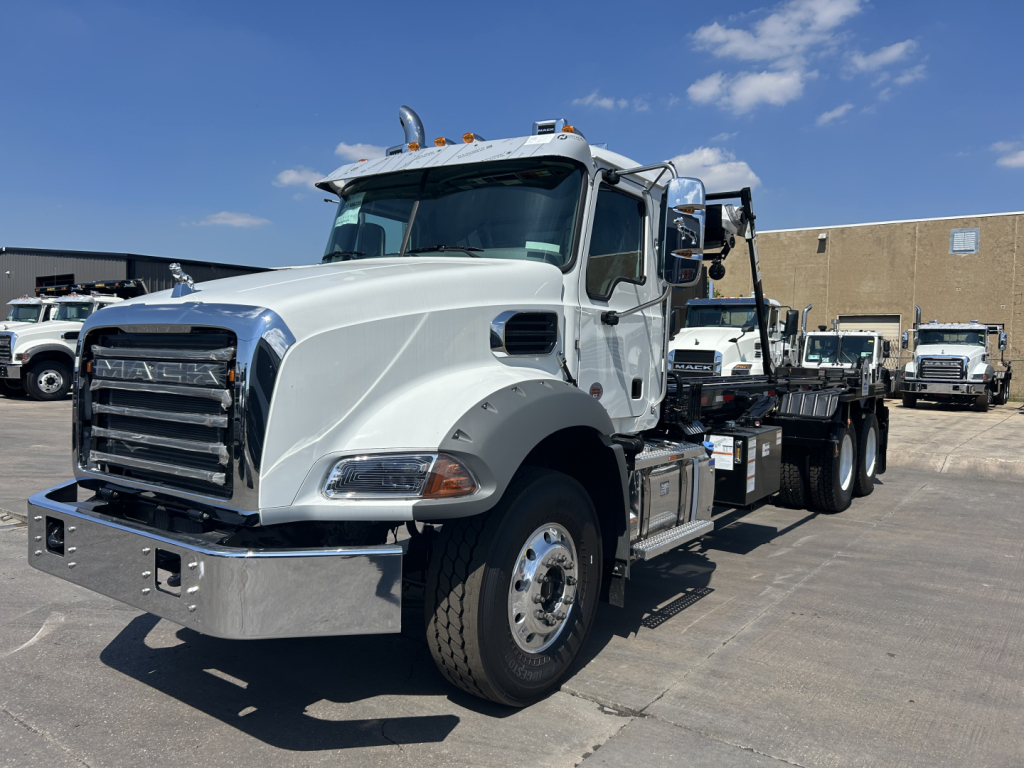
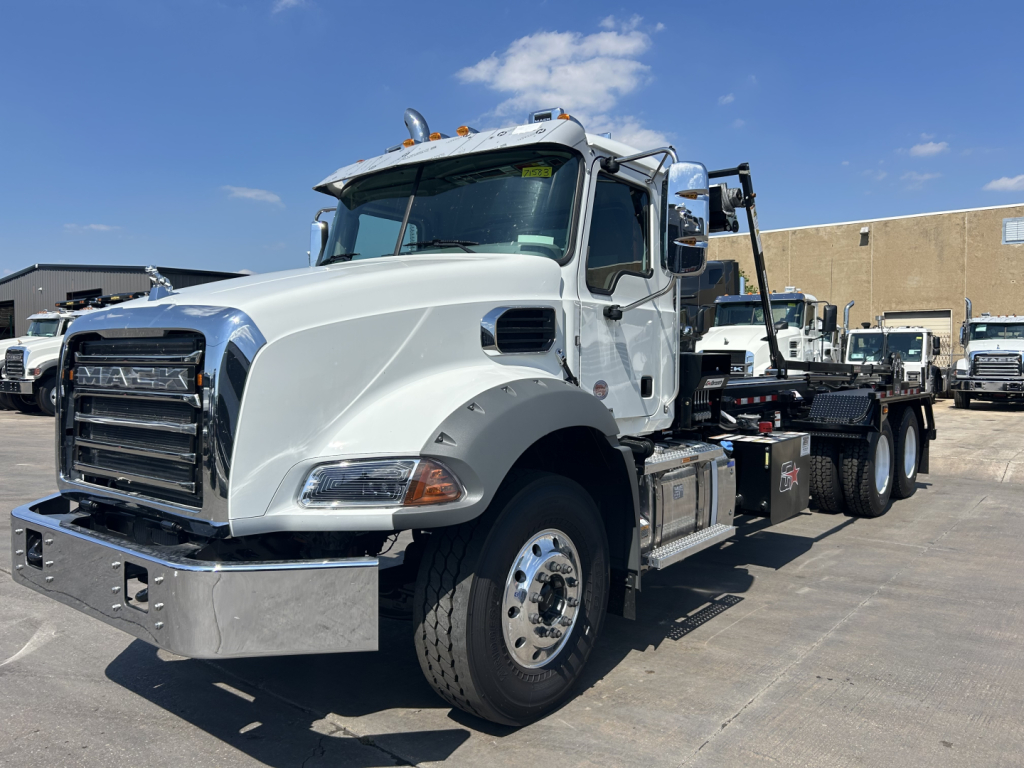
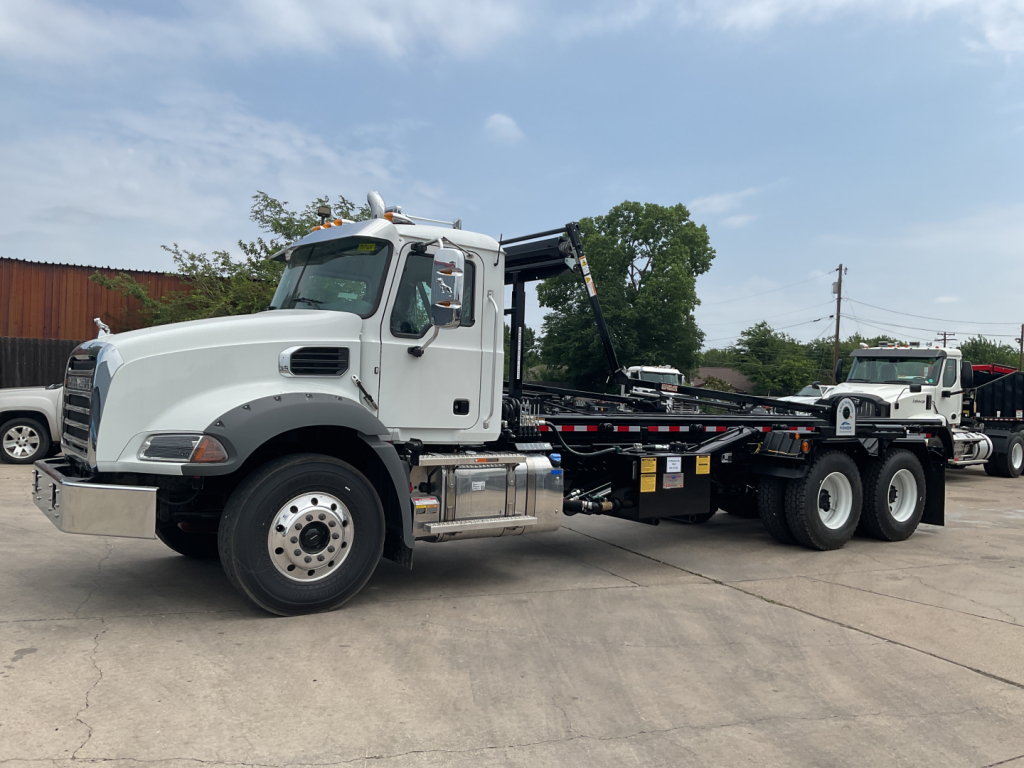
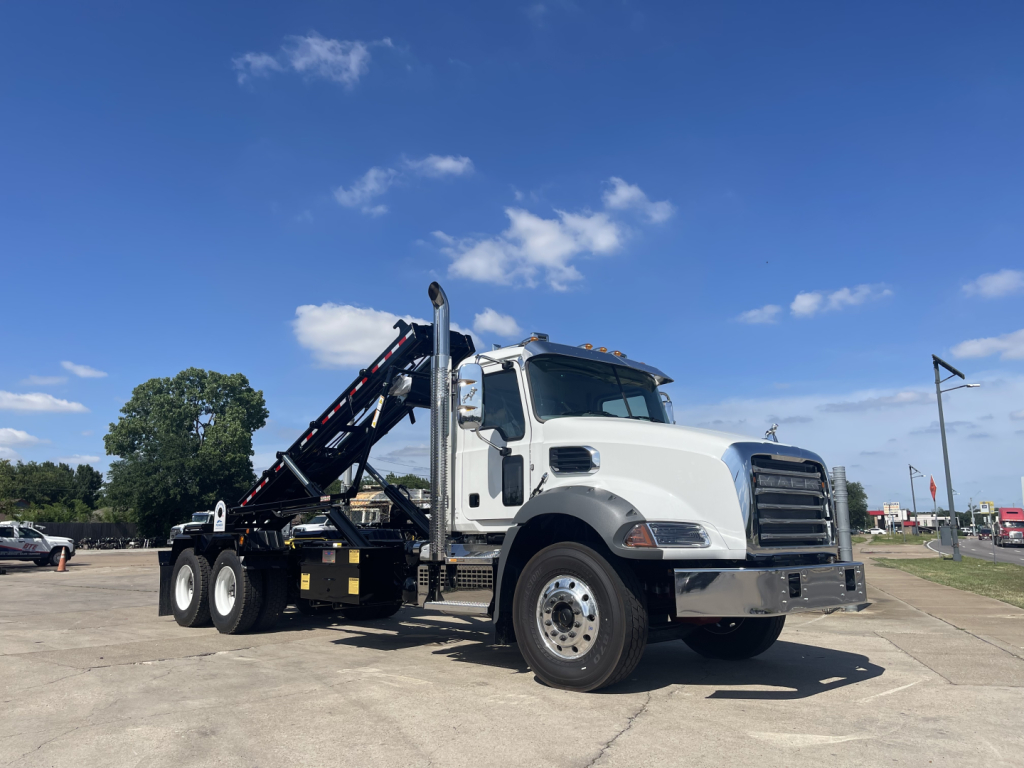
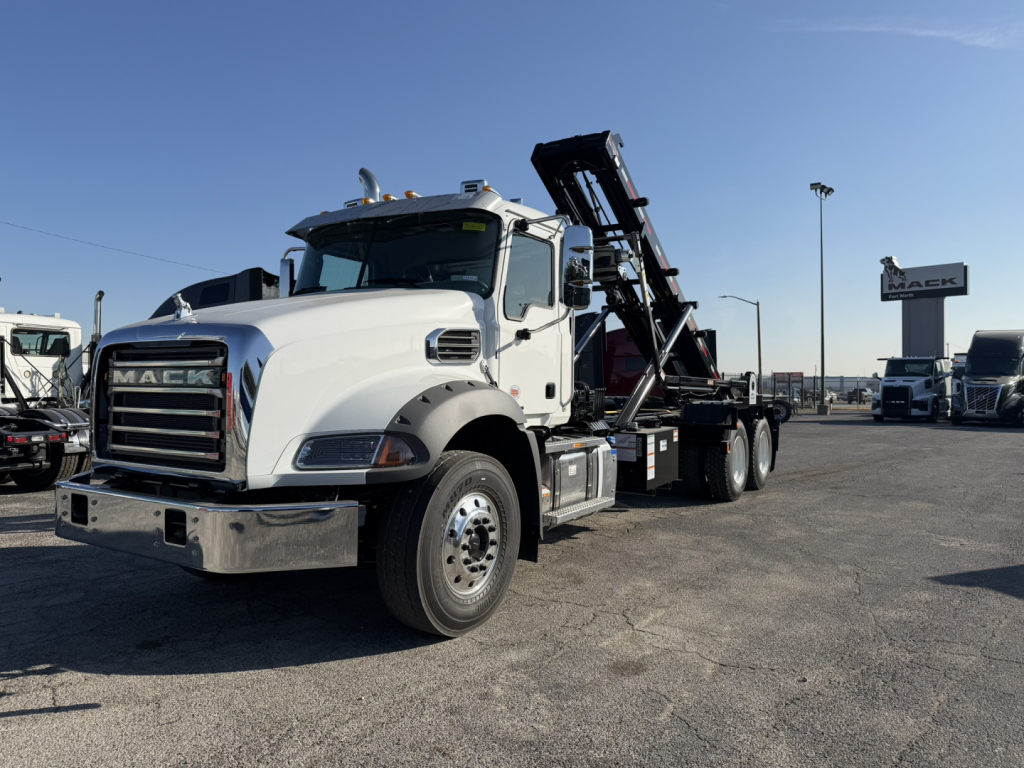
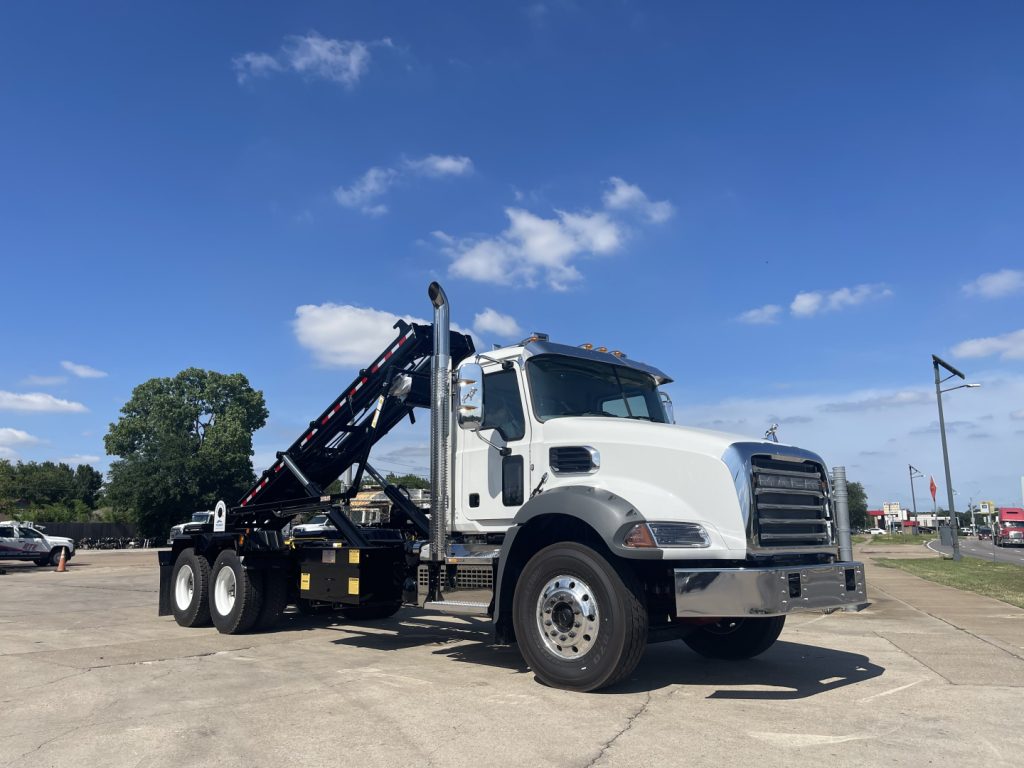
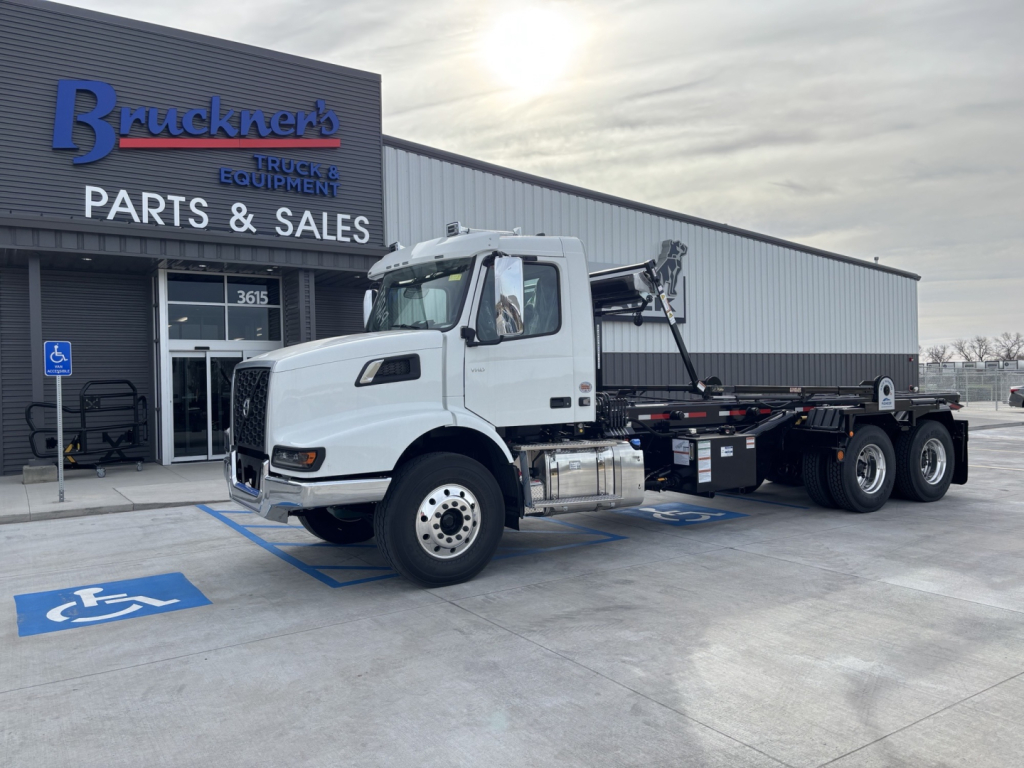
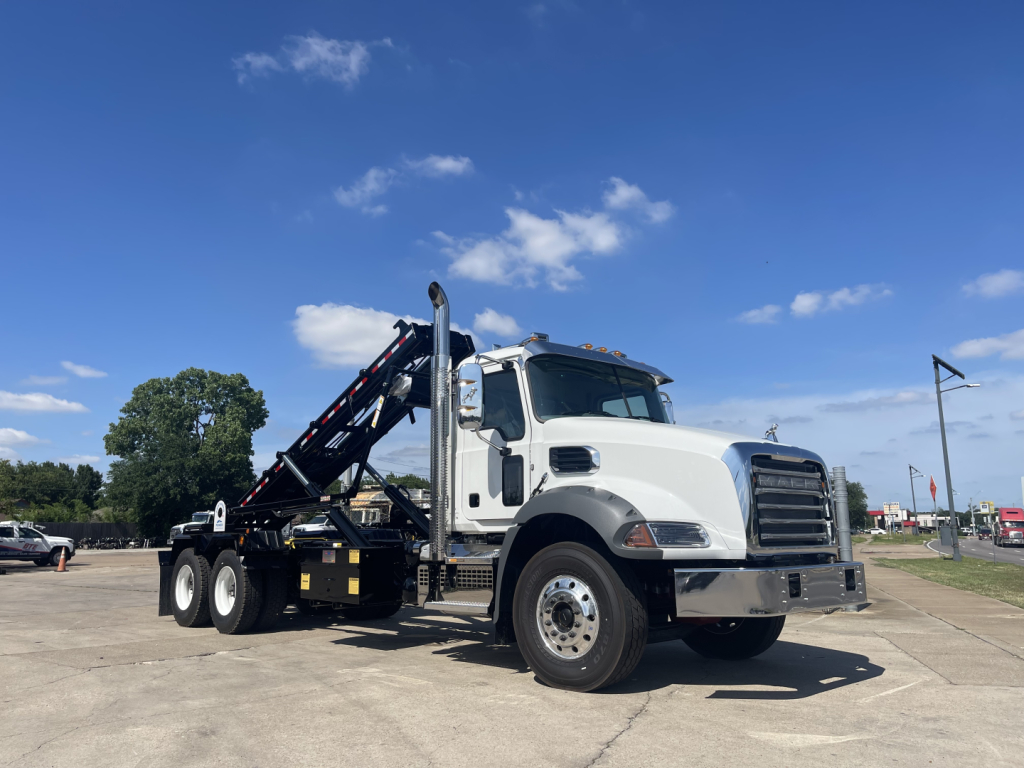
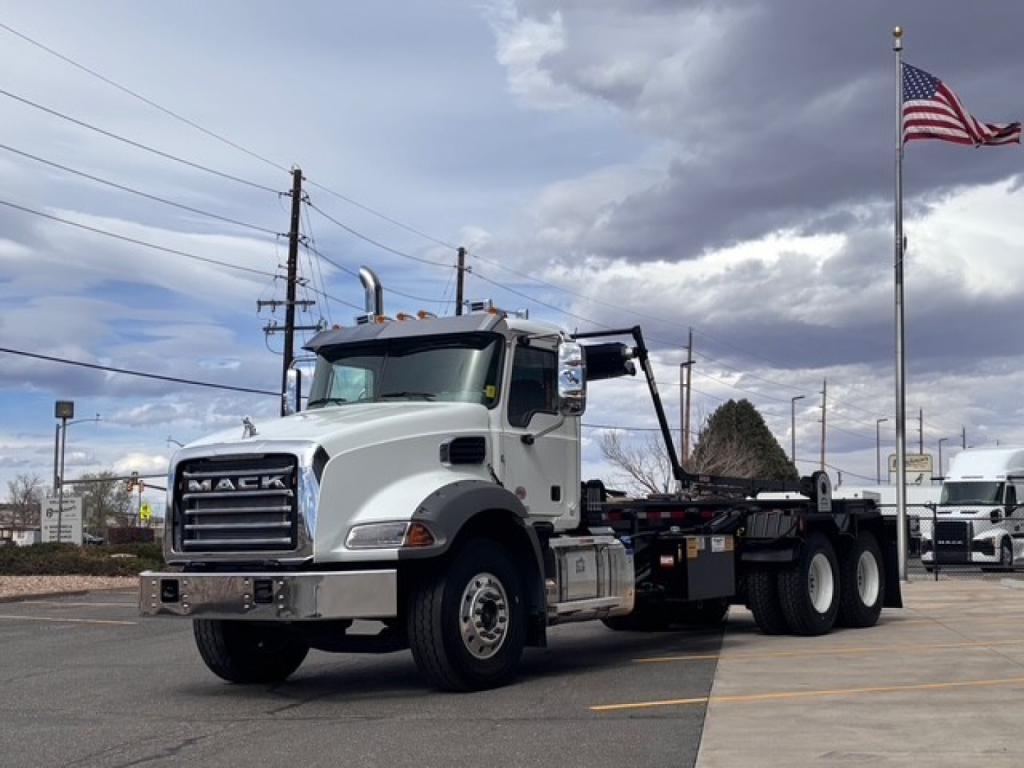
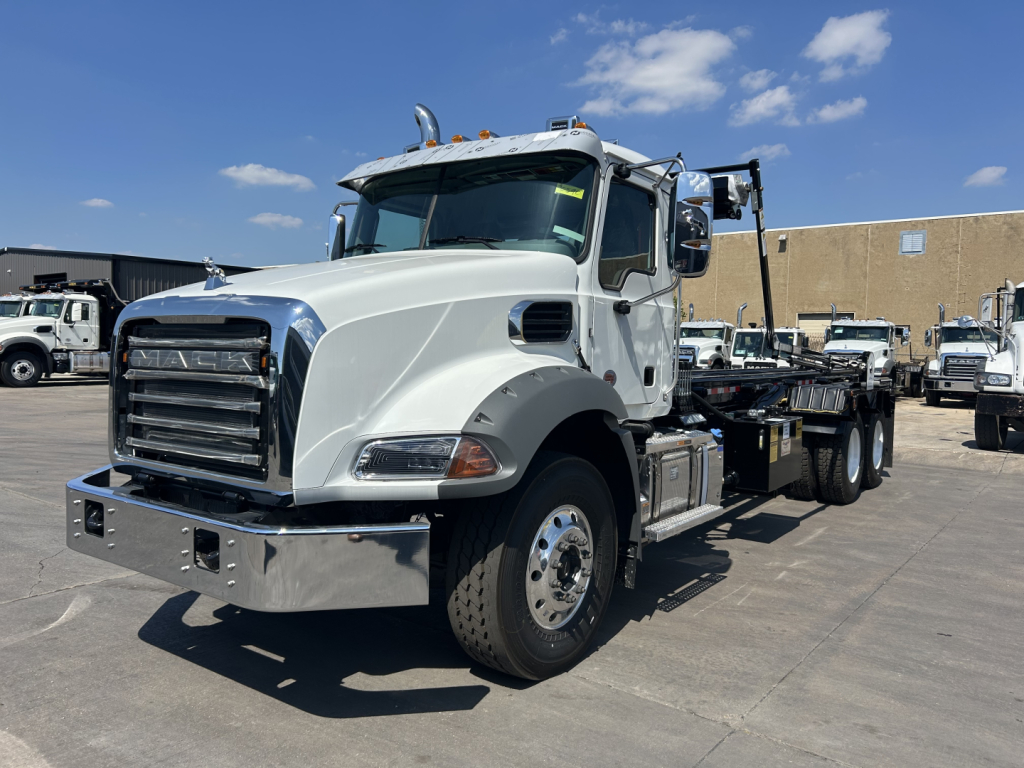
Showing 73 to 84 of 88 results
Have new rolloff truck to sell? List it here to reach thousands of buyers.
About New Rolloff Trucks
New rolloff trucks for sale are built around the hoist, choose between cable hoist for standardized outside rail containers and hooklift for fast multi body changeouts. Capacities typically range from 20,000 to 75,000 pounds, with common body lengths from 18 to 26 feet. Hook heights at 54 inch or 62 inch affect container compatibility, so match the hoist to your current box fleet. Look for low profile subframes that keep load angle shallow, dual rear hold downs, body locks, and a tarp system that clears gantries and tail rollers without chafing lines. Specify in cab proportional controls, radio remote if curbside loading is frequent, and a PTO driven hydraulic pump sized to your duty cycle.
Structural integrity starts with the chassis frame RBM and the hoist subframe. Single high tensile frame rails with a liner over the hoist saddle resist twisting when loading on uneven ground; crossmember spacing, rear tail skids, and wide diameter rollers spread point loads from heavy demo boxes. Floor strength at the interface matters, specify AR wear plates and replaceable wear strips at the tail to protect the truck when container floors are bowed or uneven, and spec reinforced rear aprons to prevent gouging. A well matched rear overhang and axle placement also protects the frame from prying forces during dump moves, and rear body locks keep the box seated on washboard haul roads.
Payload is won or lost on tare weight, balance lightweight components with durability. High tensile steel booms reduce weight compared with older designs, aluminum wheels, fuel and air tanks remove hundreds of pounds, and a pusher axle with aluminum hubs can unlock bridge legal payload without overloading the steer axle. Hooklifts tend to weigh more than cable hoists, often by 800 to 1,200 pounds, but offer faster cycle times and precise body positioning. Match GVWR to route density and box weight, a 6x4 with 13,200 steer and 40,000 rears suits municipal work, while 18,000 steer with 46,000 rears and a lift axle suits demolition or scrap. Wheelbase and CA must match your rail length to keep axle weights legal and approach angles workable at landfills, and suspension choice matters, air ride saves tare and rides well, single point or heavy spring brings stability in off road loading.
Corrosion resistance and thermal integrity drive lifecycle cost. Look for zinc rich primers and powder coat or hot dip galvanized subframes, stainless or nickel plated hydraulic fittings, sealed LED harnesses with Deutsch connectors, composite fenders, and chromed cylinder rods with heavy duty wiper seals to block grit. Hydraulic systems should be sized for summer heat and high cycle routes, spec a PTO driven piston or gear pump matched to valve flow, a properly sized oil tank with return filtration, and a cooler or fan pack to keep oil near 140 to 180 degrees. Route hoses and tanks away from DPF heat, add shields where needed, and consider cold weather tank heaters and arctic hose for northern fleets. Proportional controls, load holding valves, and tarp interlocks shorten cycle time and protect components, which keeps uptime high and drivers safe.
Structural integrity starts with the chassis frame RBM and the hoist subframe. Single high tensile frame rails with a liner over the hoist saddle resist twisting when loading on uneven ground; crossmember spacing, rear tail skids, and wide diameter rollers spread point loads from heavy demo boxes. Floor strength at the interface matters, specify AR wear plates and replaceable wear strips at the tail to protect the truck when container floors are bowed or uneven, and spec reinforced rear aprons to prevent gouging. A well matched rear overhang and axle placement also protects the frame from prying forces during dump moves, and rear body locks keep the box seated on washboard haul roads.
Payload is won or lost on tare weight, balance lightweight components with durability. High tensile steel booms reduce weight compared with older designs, aluminum wheels, fuel and air tanks remove hundreds of pounds, and a pusher axle with aluminum hubs can unlock bridge legal payload without overloading the steer axle. Hooklifts tend to weigh more than cable hoists, often by 800 to 1,200 pounds, but offer faster cycle times and precise body positioning. Match GVWR to route density and box weight, a 6x4 with 13,200 steer and 40,000 rears suits municipal work, while 18,000 steer with 46,000 rears and a lift axle suits demolition or scrap. Wheelbase and CA must match your rail length to keep axle weights legal and approach angles workable at landfills, and suspension choice matters, air ride saves tare and rides well, single point or heavy spring brings stability in off road loading.
Corrosion resistance and thermal integrity drive lifecycle cost. Look for zinc rich primers and powder coat or hot dip galvanized subframes, stainless or nickel plated hydraulic fittings, sealed LED harnesses with Deutsch connectors, composite fenders, and chromed cylinder rods with heavy duty wiper seals to block grit. Hydraulic systems should be sized for summer heat and high cycle routes, spec a PTO driven piston or gear pump matched to valve flow, a properly sized oil tank with return filtration, and a cooler or fan pack to keep oil near 140 to 180 degrees. Route hoses and tanks away from DPF heat, add shields where needed, and consider cold weather tank heaters and arctic hose for northern fleets. Proportional controls, load holding valves, and tarp interlocks shorten cycle time and protect components, which keeps uptime high and drivers safe.