
New Mack Rolloff Trucks For Sale in Texas
New Mack rolloff trucks for sale in Texas. Granite-based roll-off specs, hook capacity, PTO setup, suspension, and vocational features.
Learn more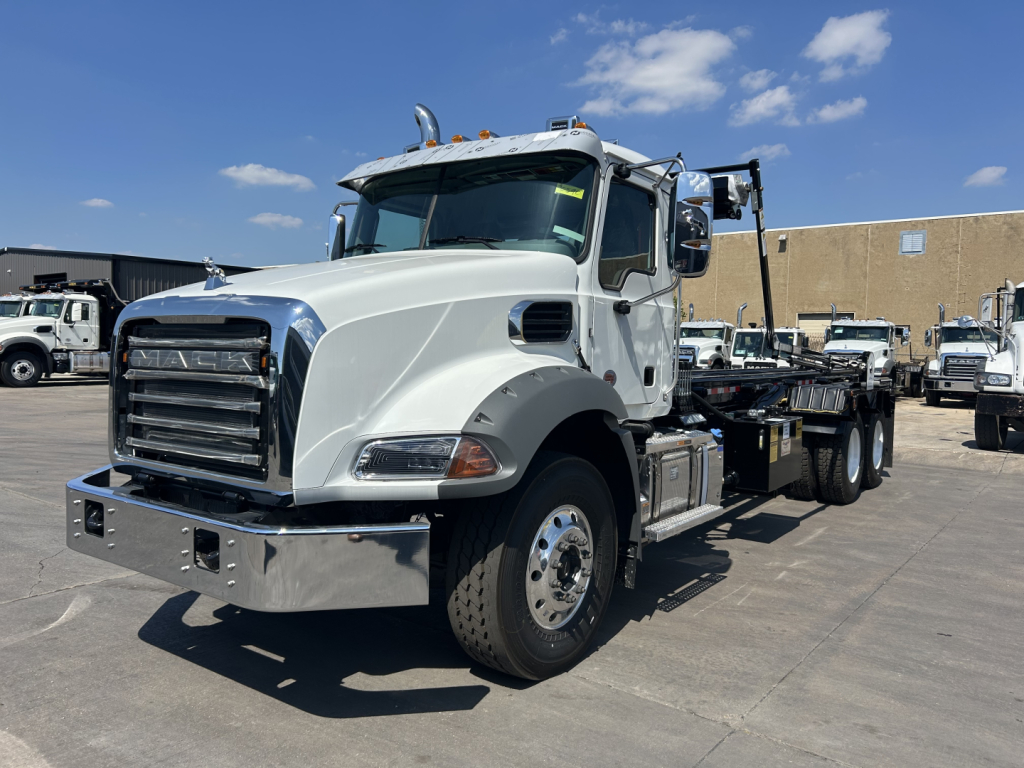
Showing 49 to 50 of 50 results
Have new mack rolloff truck to sell? List it here to reach thousands of buyers.
About New Mack Rolloff Trucks in Texas
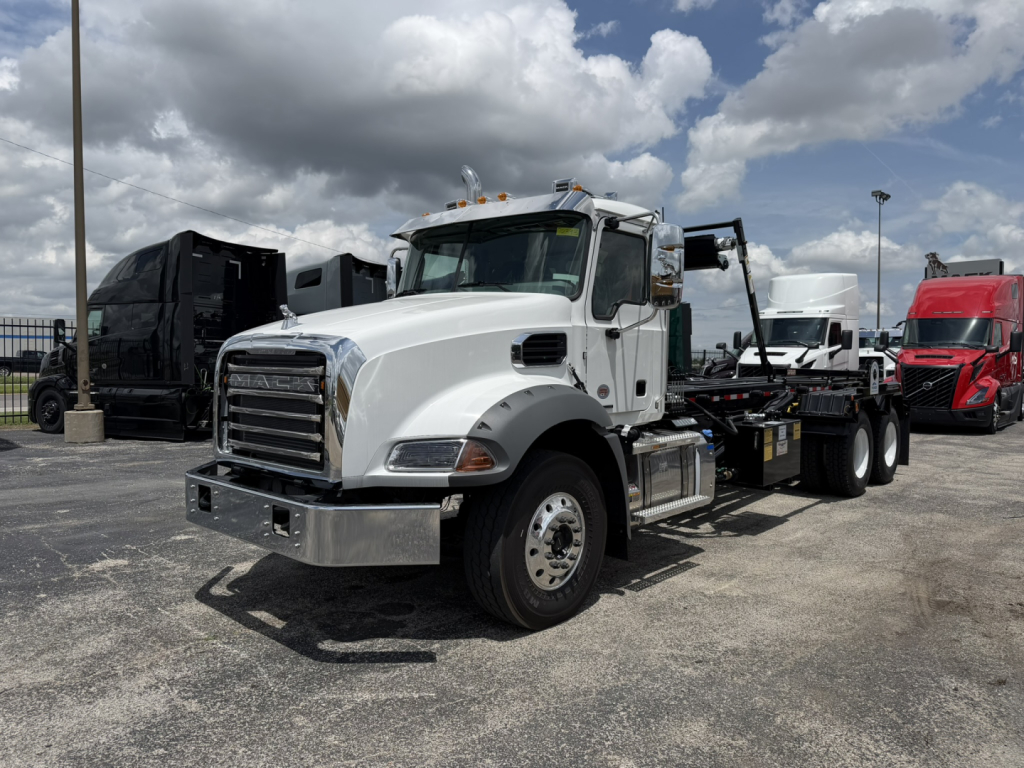
On a Mack roll-off, the key decisions usually start with the hoist and container range. Buyers should confirm the intended box lengths, hook or cable setup, hoist capacity, rail width, and clear cab-to-axle dimensions so the body matches the work. Common rolloff body features include outside or in-cab air controls, tarp systems, ICC lighting, work lights, toolboxes, and floating or severe-duty rear bumpers. PTO engagement style, pump sizing, reservoir capacity, and hydraulic plumbing matter because slow cycle times or a poorly matched system show up fast in daily operation. If the truck will spend time on rough approaches or unpaved yards, rear suspension choice and rear frame reinforcement deserve close attention.
Mack vocational trucks in this class are often spec'd with engines in the 400-plus horsepower range and paired with Allison automatic transmissions for stop-and-go productivity and easier driver training. A tandem-axle setup is typical for legal payload and container stability, and buyers should look closely at front axle capacity, suspension rating, locking differentials, brake configuration, and wheelbase. Texas operators also tend to pay attention to cooling performance, fuel capacity, and upfit details that support long days in heat and dust. Disc front brakes, durable rear drum setups, and proven suspensions such as Camelback remain common choices on severe-service Mack applications because they are familiar to fleets and service departments.
A new rolloff truck should be evaluated as a complete system, not just a chassis with a body installed. Body brand, hoist geometry, tarp design, cab controls, and service access all affect daily productivity. The best spec is the one that matches container inventory, legal route weights, dump site conditions, and technician support in your area. For buyers comparing new Mack rolloff trucks for sale in Texas, the real value is usually found in a clean vocational spec with the right axle spread, the right hydraulic package, and a body built for the abuse of repeated container loading and unloading.
Frequently Asked Questions
What is the typical configuration for a new Mack rolloff truck?
Most new Mack rolloff trucks are built on a vocational Granite tandem-axle chassis with a severe-duty frame, diesel engine, PTO-driven hydraulic system, and either hooklift-style or cable hoist roll-off body equipment depending on the application. Common specs include automatic transmissions, locking differentials, high-capacity front and rear axles, and vocational suspensions designed for repeated loading cycles and uneven jobsite surfaces.
What should I check when matching a rolloff body to a Mack chassis?
The main checks are cab-to-axle dimension, wheelbase, frame height, axle ratings, intended container lengths, and hoist capacity. Buyers should also verify PTO compatibility, hydraulic pump output, reservoir sizing, rear overhang, and whether the body manufacturer's installation requirements match the chassis layout. A mismatch in any of these areas can affect cycle time, weight distribution, container clearance, and long-term durability.
Are Allison automatic transmissions a good choice for rolloff work?
Yes. Allison automatics are widely used in rolloff applications because they handle constant stop-and-go driving, frequent backing, and driver variation well. They reduce clutch wear, simplify training, and can improve productivity on dense urban or transfer-station routes. For many fleets, the tradeoff is worth it because rolloff work depends on consistency and uptime more than maximum highway efficiency.
What features matter most on a rolloff truck working in Texas?
Cooling capacity, fuel range, heavy-duty air conditioning, durable suspension, and a hydraulic setup that holds up in heat and dust are all important in Texas service. Buyers should also consider legal bridge and axle weight limits on their operating routes, especially if containers will be loaded with dense debris, scrap, or roofing tear-off. Tarp systems, work lights, and easy-to-service component placement also matter because they directly affect safety and daily productivity.
What is the difference between a hooklift and a traditional cable rolloff truck?
A traditional cable rolloff uses a cable and hoist system to pull containers onto rails, while a hooklift uses a hydraulic arm and hook to load and unload compatible bodies or containers. Cable rolloffs remain common for dedicated waste and debris container service, while hooklifts offer more flexibility when operators want to handle multiple body types. The right choice depends on your container fleet, loading environment, and how much versatility you need from the truck.