
New 2024 Trucks For Sale
Shop new 2024 trucks for sale, including day cabs, sleepers, dump, roll-off, and vocational models with modern powertrains and warranties.
Learn morePopular Trucks Categories
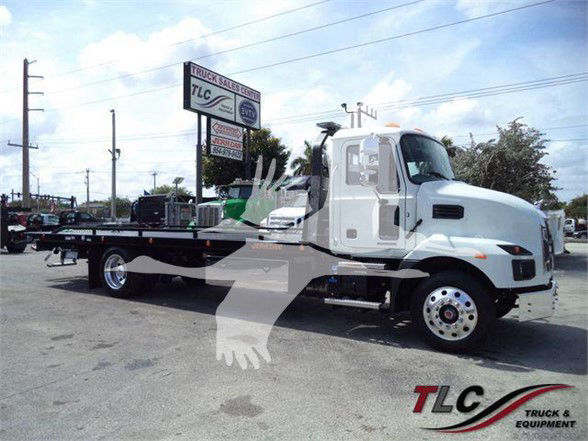
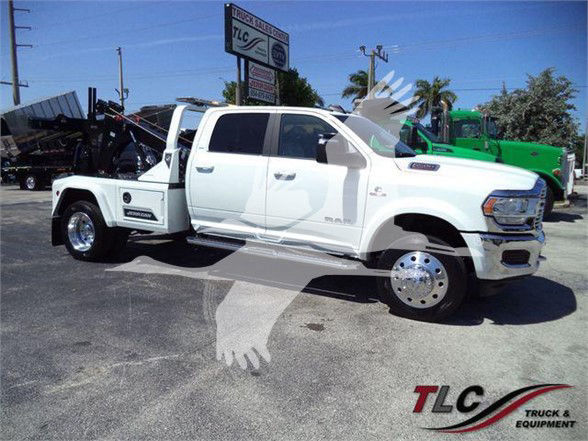
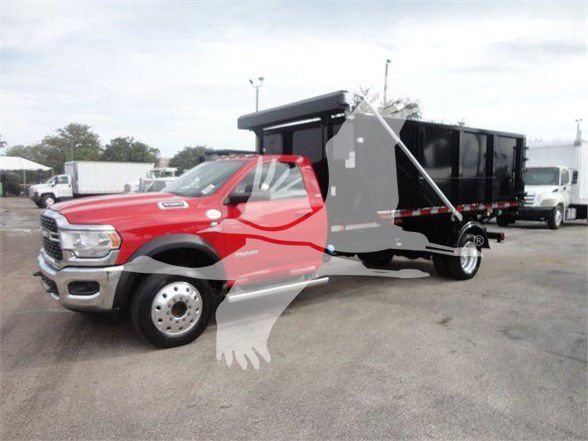
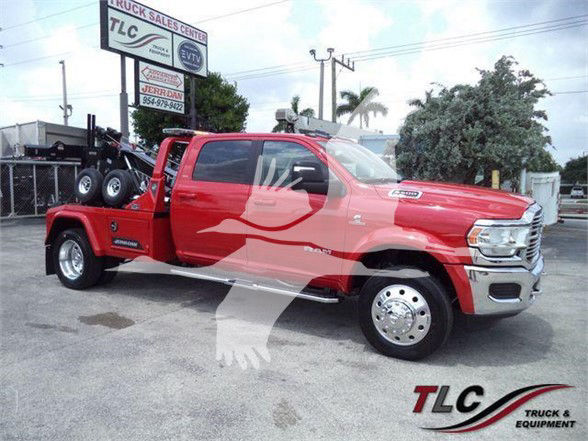
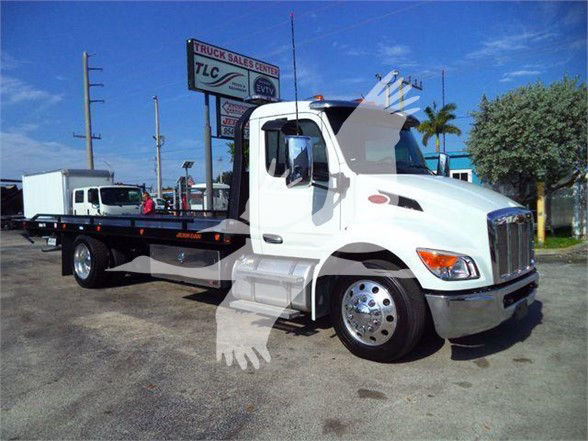
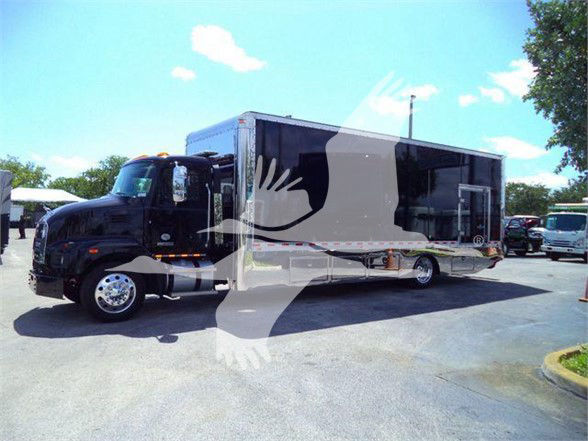
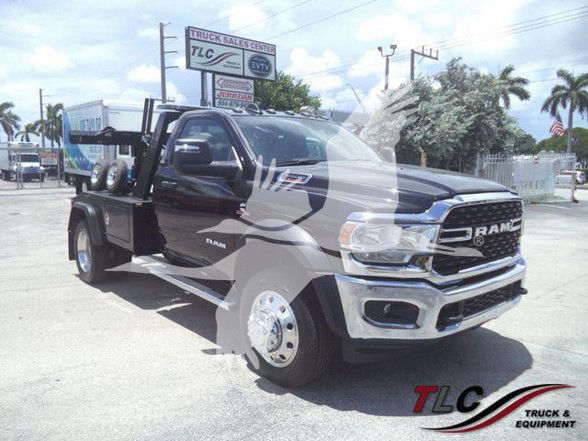
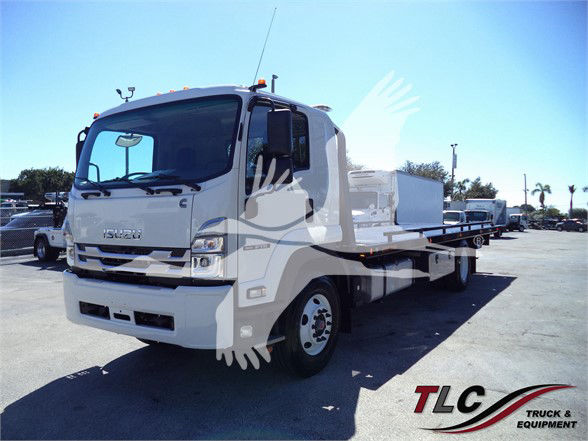
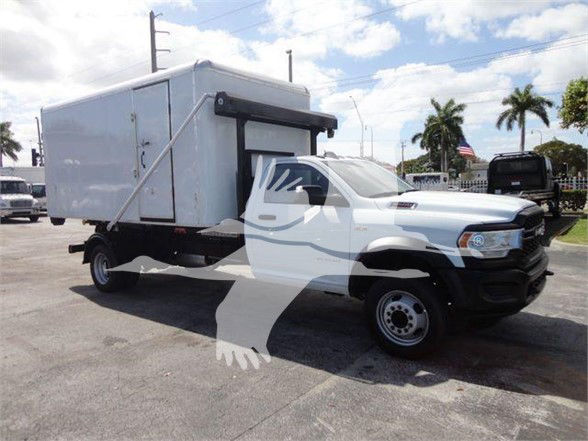
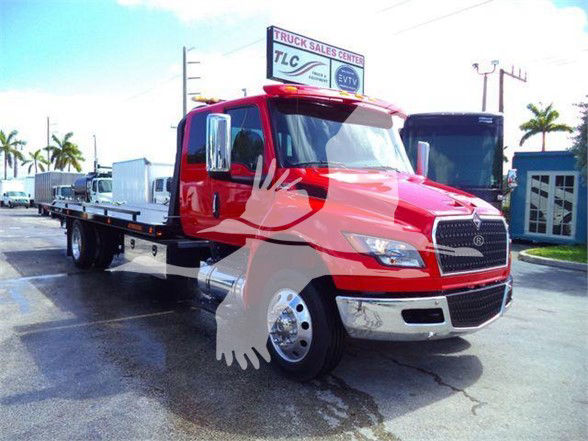
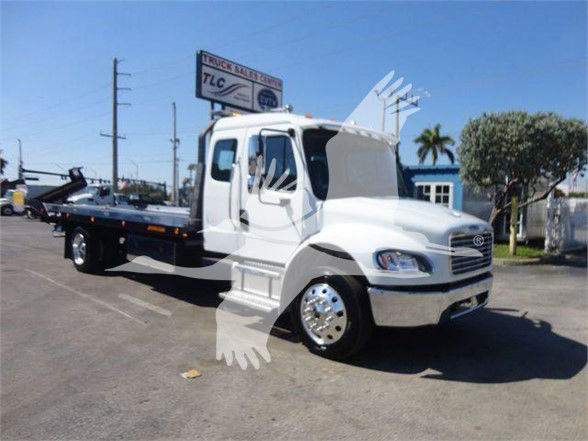
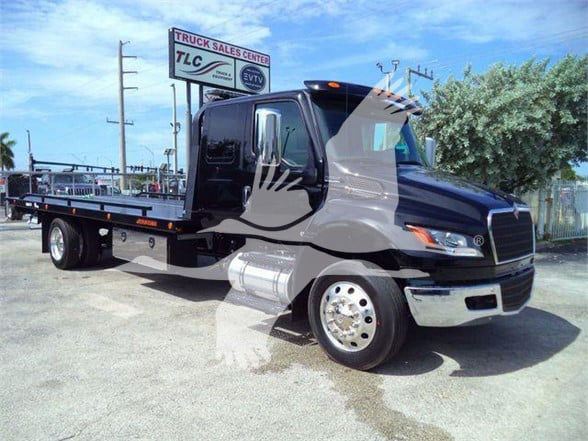
Showing 49 to 60 of 96 results
Have new 2024 truck to sell? List it here to reach thousands of buyers.
About New 2024 Trucks
The first buying decision is usually application. A 2024 highway tractor is typically set up around fuel economy, payload balance, and driver comfort, with common specs such as 6x4 tandem drive axles, 40,000-lb rears, wheelbases around the low-200-inch range, and integrated powertrains from brands like Volvo or Mack. Sleeper configurations add living space and often come with features that matter to long-haul operations, including optimized aero packages, idle-reduction equipment, and cab layouts designed for team or over-the-road use. Day cab trucks are usually chosen for regional freight, port work, dedicated lanes, and terminal-to-terminal service where maneuverability and lower tare weight matter more than sleeper space.
On the vocational side, new 2024 trucks are often selected by axle ratings and body compatibility before engine badge or trim level. Dump trucks, roll-off trucks, mixers, and severe-service chassis may carry front axle ratings from around 10,000 lbs into the 20,000-lb class, with rear axle capacities from 21,000 lbs on smaller single-axle units up to 46,000 lbs or more on tandem setups. Allison automatic transmissions remain common for stop-and-go routes and PTO-intensive work, while heavier suspensions such as multi-leaf or camelback designs are favored for durability on rough sites. Buyers should also pay close attention to wheelbase, back-of-cab to axle measurement, frame reinforcement, PTO provision, brake type, and suspension spec because those details determine how well the truck fits a dump body, hoist, mixer, hooklift, or other vocational equipment.
A new 2024 truck also gives buyers a cleaner baseline for lifecycle planning. Maintenance history starts at zero, emissions components are current, and factory telematics, collision mitigation systems, disc brakes, backup cameras, and integrated transmission programming are more common than on older trucks. The right spec depends less on model name and more on matching horsepower, axle ratio, GVWR, cab style, and suspension to the route and payload. For fleets and owner-operators comparing multiple new trucks for sale, the strongest value usually comes from a spec that fits the work on day one without forcing expensive modifications after delivery.
Frequently Asked Questions
What should I compare first when shopping for a new 2024 truck?
Start with the job the truck will do every day. Cab type, axle configuration, GVWR, wheelbase, and suspension are usually more important than paint color or trim. A regional day cab tractor, a long-haul sleeper, and a vocational dump or roll-off truck may all be new trucks, but they require very different frame layouts, powertrains, and axle ratings. Buyers who match the truck to payload, route, and body requirements first usually avoid costly rework later.
Are new 2024 trucks better for fuel economy than older trucks?
In many cases, yes. Newer highway tractors typically benefit from improved aerodynamics, more refined engine calibration, automated manual transmissions, and integrated drivetrain logic. Specs such as rear axle ratio, tire size, idle-reduction equipment, and cruise strategy still matter, so fuel economy is not the same across every 2024 truck. A properly spec'd 2024 sleeper or day cab built for highway use will generally outperform an older truck that lacks current aero and powertrain technology.
What is the difference between a new 2024 day cab and a new 2024 sleeper truck?
A day cab is designed without a sleeper compartment and is commonly used for local, regional, drayage, and dedicated route work. It usually offers lower weight, a shorter overall package, and easier maneuverability. A sleeper truck includes a bunk area and is built for longer runs where driver rest and storage matter. The right choice depends on length of haul, hours away from terminal, and customer service requirements rather than just purchase price.
What specs matter most on a new 2024 vocational truck?
For vocational trucks, pay close attention to front axle rating, rear axle capacity, suspension type, frame strength, transmission type, PTO capability, and wheelbase. Those items determine body fitment, legal payload, and durability in severe-duty service. Rear ratio also matters because it affects launch performance and drivability on grades or jobsites. On a dump, mixer, or roll-off truck, the wrong wheelbase or axle spec can create body installation issues even if the engine and cab are otherwise correct.
Why do many buyers choose a new truck instead of a late-model used truck?
A new truck gives the buyer a full-service starting point with no unknown prior maintenance, no hidden duty-cycle abuse, and current warranty support. It also allows access to the latest safety systems, updated emissions hardware, and factory-integrated technology such as telematics and automated shifting. For fleets, that can simplify maintenance planning and uptime forecasting. For owner-operators, it can reduce early repair surprises and provide a truck that is already spec'd around current operating demands.