
Used International Gasoline - Fuel Trucks For Sale in Idaho
Browse used International gasoline and fuel trucks for sale, including common tank sizes, chassis specs, pump systems, and Idaho work-use considerations.
Learn more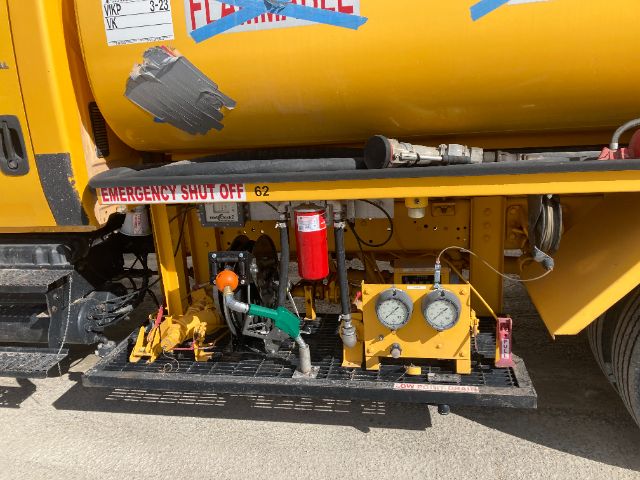
Have used international gasoline - fuel truck to sell? List it here to reach thousands of buyers.
About Used International Gasoline - Fuel Trucks in Idaho
The tank and dispensing system deserve as much attention as the cab and drivetrain. A fuel truck can include a single-compartment or multi-compartment tank, product meter, PTO-driven pump, filtration system, hose reel, bonding cable, emergency shutoffs, and nozzle package sized for the intended flow rate. Buyers should confirm tank material, compartment configuration, current inspection status, and whether the unit is set up for gasoline service, diesel service, or aviation fueling. If the truck was previously used in airport, municipal, farm, or fleet fueling, that prior application often tells you a lot about pump hours, idle time, and how specialized the equipment may be.
On used International fuel trucks, condition is more than mileage. Tank certification, DOT cargo tank inspection records, plumbing condition, valve integrity, meter accuracy, and reel operation are often more important than odometer readings alone. A low-mile truck that spent years stationary can still need seals, hoses, and pump work. Check for corrosion around tank saddles, leaks at fittings, evidence of contamination, and the condition of filters and strainers. On the chassis side, transmission type, brake system, wheelbase, GVWR, and axle ratings should match the loaded weight of the tank and the roads the truck will run.
For Idaho buyers, route profile and climate can affect the right spec. Rural delivery, farm fueling, construction support, and municipal fleet service often favor a dependable medium-duty chassis with simple controls and easy field service. Cold-weather starting, gradeability, and braking performance matter if the truck will run in mountainous areas or on secondary roads. A used International gasoline or fuel truck is often a practical choice for operators who want a proven commercial chassis with broad service-network familiarity and a wide range of body and tank configurations already in the market.
Frequently Asked Questions
What should I check first on a used International fuel truck?
Start with the tank, pump, and inspection paperwork before focusing on mileage. Confirm the tank capacity, product compatibility, compartment layout, current cargo tank inspection status, and the condition of hoses, valves, reels, and emergency shutoff components. On the chassis, verify engine model, transmission, GVWR, axle ratings, brake type, and service history so the truck matches the payload and duty cycle you need.
Are International fuel trucks typically built on medium-duty chassis?
Yes, many used International fuel trucks are built on medium-duty platforms such as the 4000 Series. These chassis are common in fleet fueling, agricultural delivery, and airport support because they balance payload, maneuverability, and service access. Exact capability depends on wheelbase, suspension, axle ratings, and the size and weight of the mounted tank system.
How important is tank inspection and certification on a used fuel truck?
It is critical. A used fuel truck should be evaluated for current DOT cargo tank inspection status, pressure or leakage test records where applicable, and any documentation tied to tank repairs or modifications. Buyers should also confirm that the plumbing, meter, filtration, and shutoff equipment are appropriate for the product being hauled and dispensed. Missing or outdated inspection records can add cost and downtime before the truck can be put to work.
What tank size is best for a used gasoline or fuel truck?
The best tank size depends on delivery volume, legal weight, and where the truck will operate. Smaller tanks can be a better fit for local fleet service, farms, or jobsites where maneuverability matters. Larger tanks improve fuel volume per trip but increase gross weight and may limit route flexibility. The right choice is the one that keeps the truck productive without overloading the chassis or creating unnecessary access problems at customer locations.
Why are older International fuel trucks still popular on the used market?
Older International fuel trucks remain popular because many were built on durable commercial chassis with widely known engine platforms and straightforward mechanical systems. Parts support, technician familiarity, and simple PTO-driven pump arrangements help keep repair costs manageable. For many buyers, a well-maintained older truck with solid tank and dispensing equipment can be a better value than a newer unit with more complex systems.