
Used International Gasoline - Fuel Trucks For Sale
Browse used International gasoline and fuel trucks with common tank sizes, pump systems, chassis specs, and service applications.
Learn more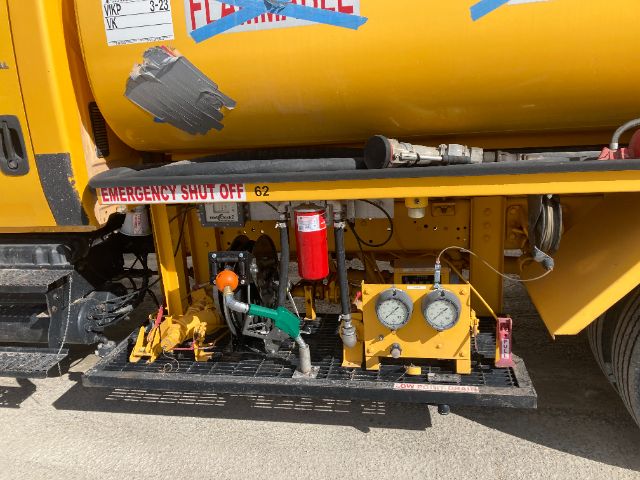
Have used international gasoline - fuel truck to sell? List it here to reach thousands of buyers.
About Used International Gasoline - Fuel Trucks
The first buying decision is usually tank and dispensing configuration. Used fuel trucks may carry gasoline, diesel, or mixed petroleum products depending on compartment design, pump package, and certification. Tank sizes often range from smaller service bodies up to several thousand gallons on medium-duty trucks. Buyers should verify whether the tank is a DOT cargo tank or a non-DOT refueler body, and confirm the latest inspection status, test records, placarding, emergency equipment, and product-specific fittings. Metered systems, filtration, bonding reels, grounding cables, and hose reel length all affect day-to-day usability. If the truck will serve airports, mines, contractors, or municipal yards, nozzle type, gallons-per-minute output, and filtration standards can be just as important as tank size.
On the chassis side, International fuel trucks are often selected because parts support is strong and the cab and frame are well suited to vocational use. Buyers will see diesel-powered chassis frequently, even in a gasoline-fueling application, because the truck itself is often diesel while the tank is configured to carry gasoline or other fuels. Pay close attention to GVWR, axle ratings, wheelbase, brake type, transmission, PTO operation, and engine family. A medium-duty International with an Allison automatic may be a better fit for stop-and-go fleet fueling, while a manual transmission can still appeal in lower-cost applications. Frame condition, corrosion around tank mounts, and evidence of product contamination or neglected pump maintenance should be inspected closely on any used fuel truck.
A good used International gasoline-fuel truck should be evaluated as both a truck and a regulated fueling asset. Buyers should review service history for the engine and drivetrain, but also pressure tests, meter calibration, hose condition, valve operation, filter housing condition, and any documentation tied to cargo tank inspection cycles. If the truck was used in airport or commercial fueling service, low mileage can be a plus, but idle hours and pump-system wear still matter. The best fit depends on route density, site access, fuel type, and compliance requirements in the states where the truck will operate.
Frequently Asked Questions
What should I check first on a used International gasoline or fuel truck?
Start with the tank and dispensing system, not just the cab and engine. Confirm tank capacity, compartment layout, DOT classification, current inspection paperwork, pump operation, meter function, hose reel condition, nozzle type, and filtration equipment. A clean-running chassis is important, but the value of a fuel truck depends heavily on whether the tank system is compliant, serviceable, and matched to the fuel products you plan to handle.
Are International gasoline-fuel trucks usually powered by gasoline engines?
Not necessarily. Many International gasoline-fuel trucks are diesel-powered chassis that carry gasoline or other petroleum products in the tank body. The term gasoline-fuel truck usually refers to the truck's application and tank setup rather than the engine fuel type. Buyers should separate the chassis engine specs from the tank's intended product use when comparing listings.
How important are DOT inspections and tank documentation on a used fuel truck?
They are critical. A used fuel truck can require cargo tank inspections, test records, and other compliance documentation depending on its configuration and intended use. Missing paperwork can delay operation, add reinspection costs, or create registration and insurance issues. Always verify the latest inspection date, test type, and whether the truck's tank and equipment meet the regulatory standards for the product and service area.
What tank size is best for a used International fuel truck?
The right size depends on payload limits, delivery volume, and site access. Smaller tanks are easier to maneuver in urban yards, construction sites, and airport ramps, while larger tanks reduce refill frequency and improve productivity on higher-volume routes. Buyers should match tank capacity to axle ratings, wheelbase, legal loaded weight, and the pumping equipment needed for their average daily fueling demand.
What are common applications for a used International fuel truck?
Common applications include fleet fueling, construction equipment refueling, municipal and utility service, agricultural support, aviation ground operations, and remote site fueling. International medium-duty chassis are often used where operators need a truck that can navigate tighter spaces while still carrying enough fuel and dispensing equipment to handle regular service calls. The best application fit comes down to capacity, compliance, and how the pump and reel system is configured.