
Flatbed Trucks For Sale in Florida
Browse flatbed trucks for sale in Florida, including contractor, delivery, and hotshot configurations with steel or aluminum beds.
Learn moreBrowse Flatbed Trucks by Make
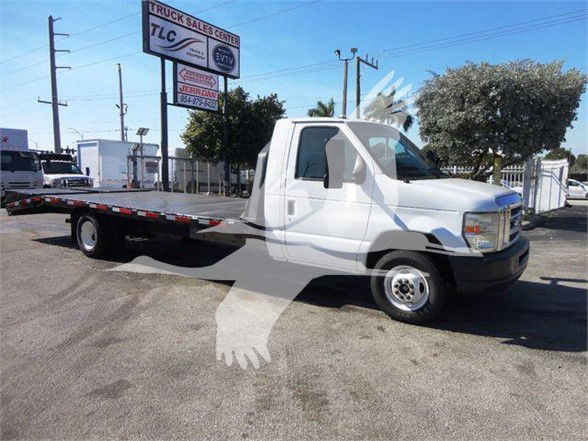
Showing 13 to 13 of 13 results
Have flatbed truck to sell? List it here to reach thousands of buyers.
About Flatbed Trucks in Florida
The first buying decision is payload and deck configuration. A simple straight deck works well for palletized freight loaded by forklift from either side. A beavertail with spring-assisted ramps is better for small machines, scissor lifts, sweepers, and other wheeled equipment because it reduces loading angle and speeds unloading at the site. Steel beds are common on work trucks because they tolerate hard use and concentrated point loads, while aluminum beds save weight and resist corrosion, which matters in humid coastal Florida service. Stake pockets, rub rails, headache racks, and tie-down points are basic features worth checking closely because cargo securement flexibility matters as much as rated capacity.
Chassis choice also changes how a flatbed performs. Gas-powered cutaway and cab chassis trucks are often used for local delivery and contractor work, especially when lower upfront cost and simpler maintenance are priorities. Diesel-powered Ram, Ford, Chevrolet, and Isuzu flatbeds are more common when towing, higher annual mileage, or heavier upfits are involved. Look at GVWR, rear axle rating, wheelbase, cab-to-axle dimension, and suspension before comparing bed length. A truck can have a long deck and still be a poor fit if the axle placement, hitch rating, or weight distribution does not match the load. Crew cabs add passenger capacity for field crews but reduce body length on a given wheelbase, while 4x4 flatbeds are useful on soft jobsites, plant yards, and storm recovery work.
Condition matters beyond engine and transmission. On a used flatbed truck, inspect the deck floor, crossmembers, bulkhead, ramp pivots, lighting, and frame for rust, repairs, or cracking around mounting points. In Florida, sun exposure can also age wiring, hydraulic components, and bed coatings faster than buyers expect. If the truck will tow, verify hitch ratings, trailer plug setup, brake controller compatibility, and any gooseneck hardware. The best flatbed truck is the one sized for the freight, loading method, and route density, not just the one with the biggest deck. A properly spec'd flatbed improves turnaround time, reduces load damage, and gives a small fleet or owner-operator far more flexibility than an enclosed body.
Frequently Asked Questions
What is a flatbed truck used for?
A flatbed truck is used to carry cargo that needs open-deck loading from the side, rear, or top. Common applications include lumber, steel, pallets, equipment, landscape materials, generators, pipe, and jobsite supplies. Flatbed trucks are also used for contractor service, municipal work, and equipment transport when fitted with a beavertail and ramps.
How do I choose between a straight deck flatbed and a beavertail flatbed?
A straight deck flatbed is usually the better choice for pallet freight, building materials, and loads handled mainly by forklift or crane. A beavertail flatbed is better for loading wheeled or rolling equipment because the tapered rear section reduces the approach angle. If the truck will regularly haul mowers, skid steers, floor machines, or compact construction equipment, a beavertail and ramp setup is often the more practical spec.
Is a steel bed or aluminum bed better on a flatbed truck?
Steel beds generally cost less and hold up well in severe-duty service, especially where concentrated loads, abrasive materials, and frequent loading impact are common. Aluminum beds reduce curb weight, which can improve payload, and they resist corrosion better in humid and coastal environments. The better option depends on how the truck is used, how important payload is, and how much exposure it will have to weather and salt air.
What specs matter most when buying a flatbed truck?
The most important specs are GVWR, payload capacity, rear axle rating, wheelbase, cab-to-axle measurement, deck length, and hitch ratings if towing is part of the job. Buyers should also look at deck material, rub rails, stake pockets, bulkhead design, ramp style, and suspension type. These details determine how safely the truck carries weight and how easily it handles the type of freight being moved.
Are flatbed trucks a good choice for Florida work?
Flatbed trucks are a strong fit for Florida because they handle mixed local freight, construction supply runs, landscape work, storm response, and equipment delivery efficiently. Open-deck loading is useful on jobsites with limited dock access, and aluminum or properly coated steel bodies can hold up well in the state's humid conditions. Buyers should still pay close attention to corrosion, electrical condition, and bed hardware on trucks that have spent time near the coast.