
New Conventional Daycab Trucks For Sale
New conventional daycab trucks optimized for regional hauls, low tare weight, corrosion resistance, strong frames, efficient powertrains, safety tech.
Learn moreBrowse Conventional Daycab Trucks by Make
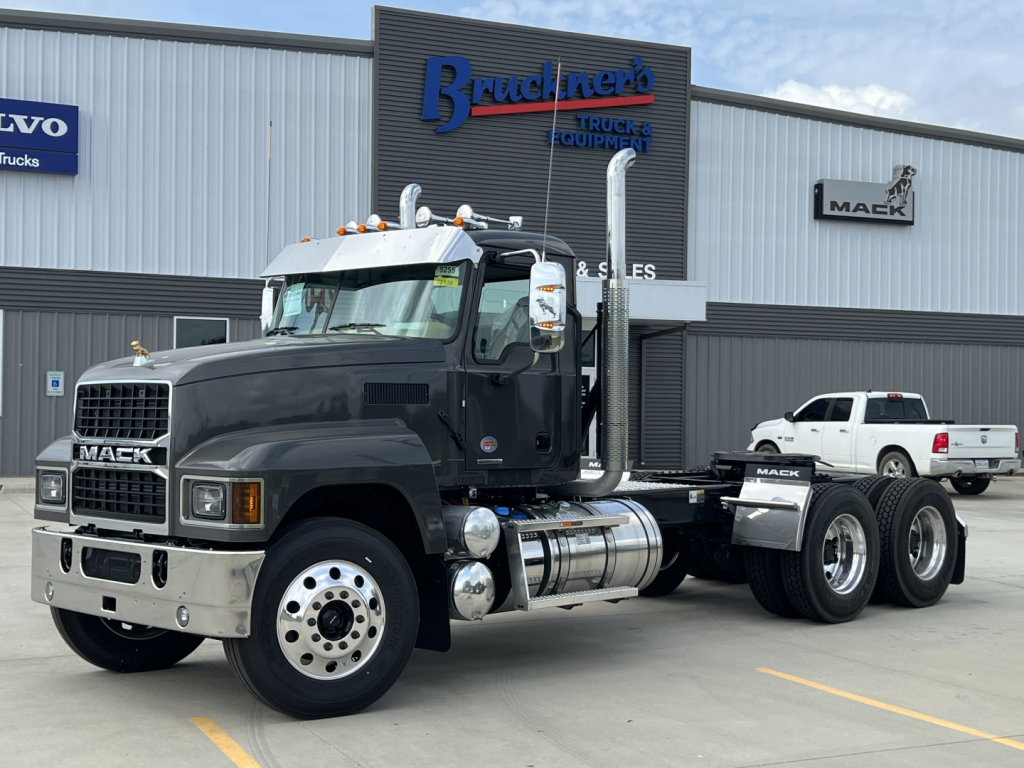
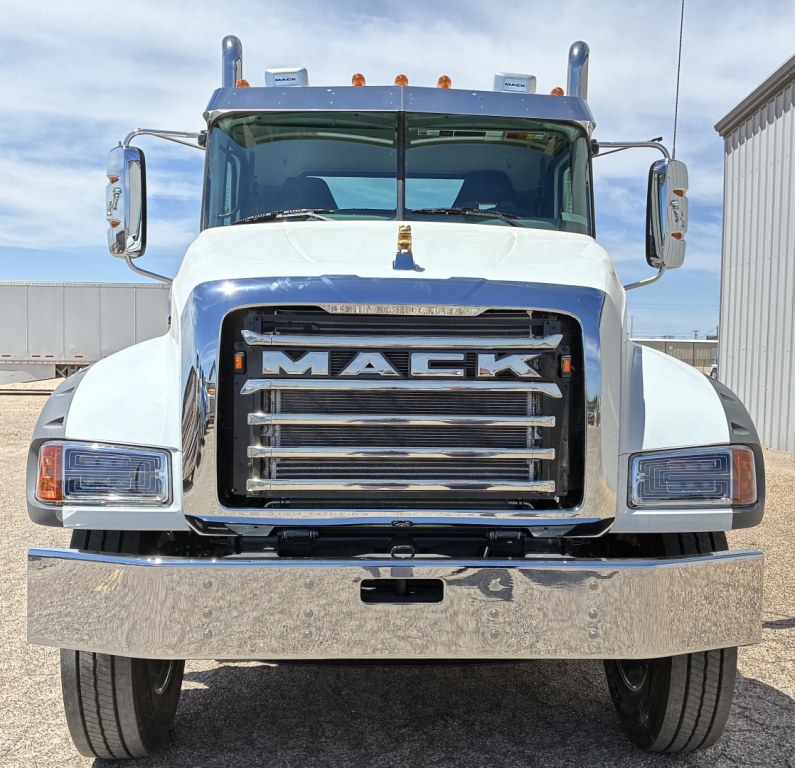
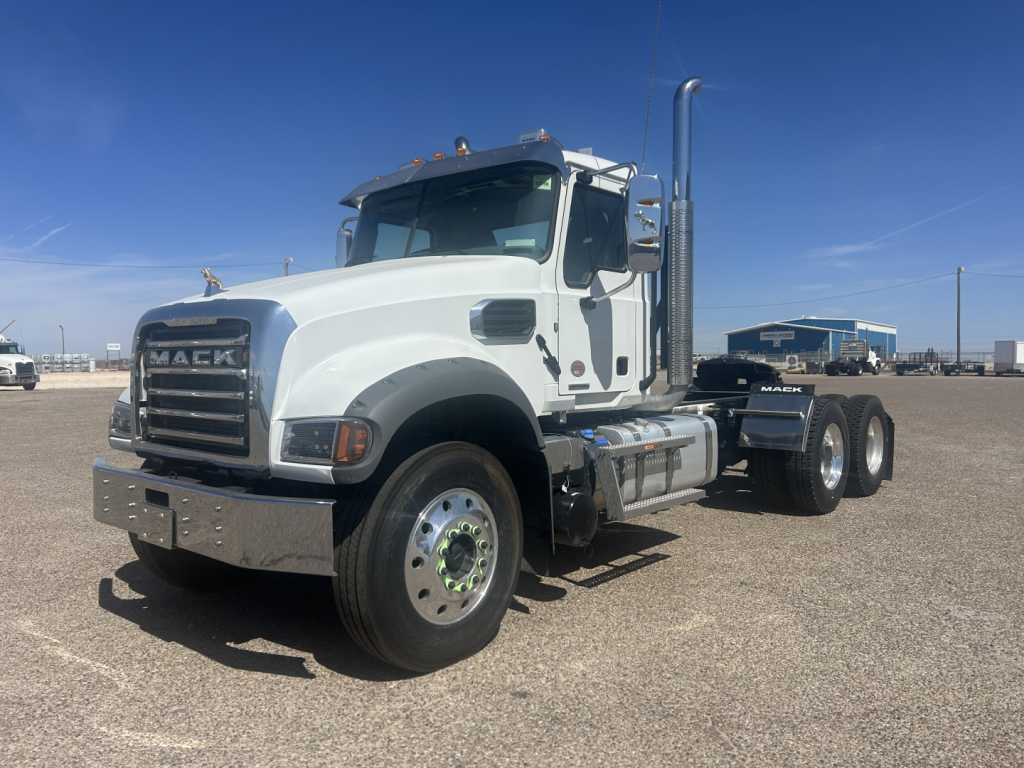
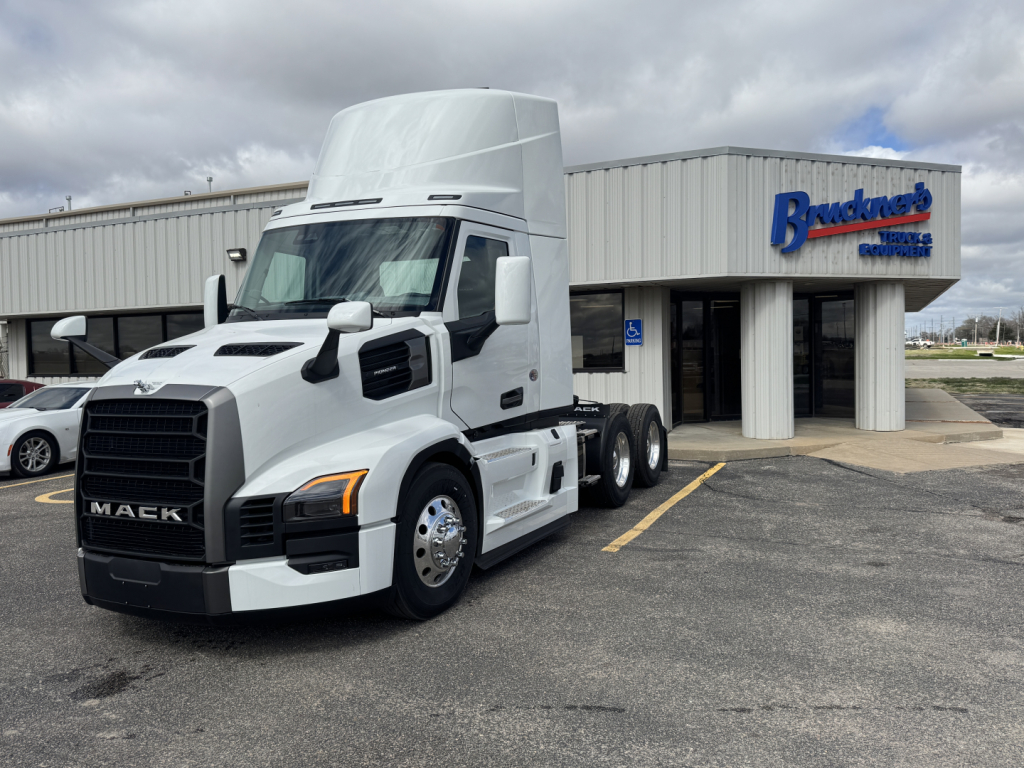

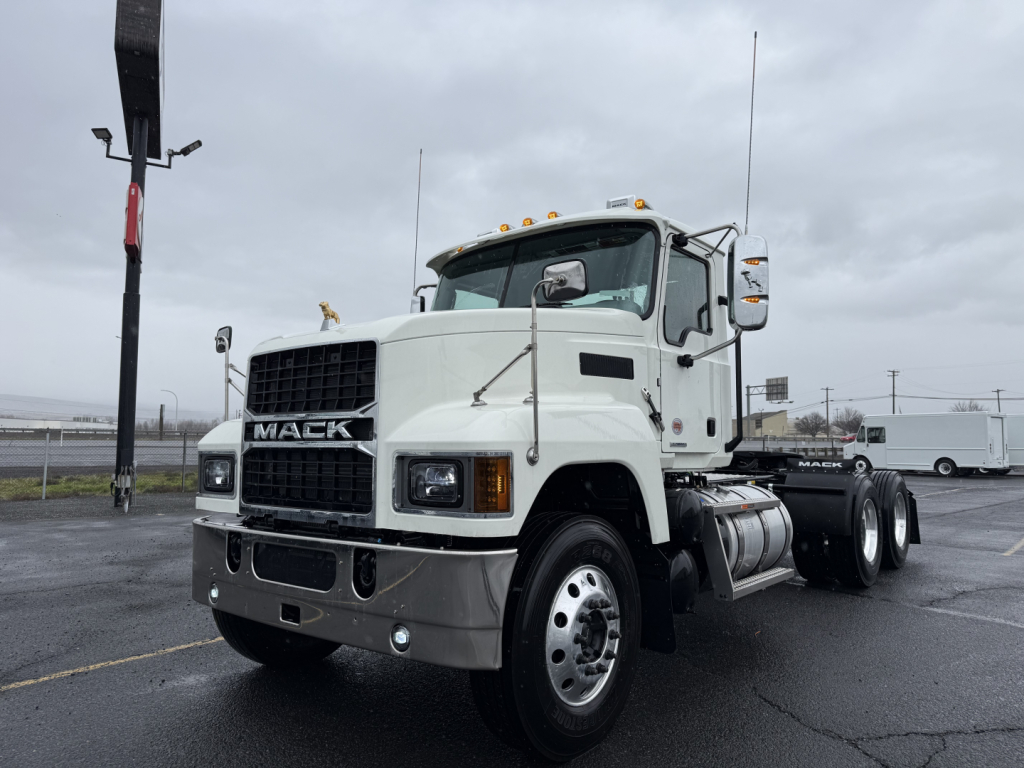
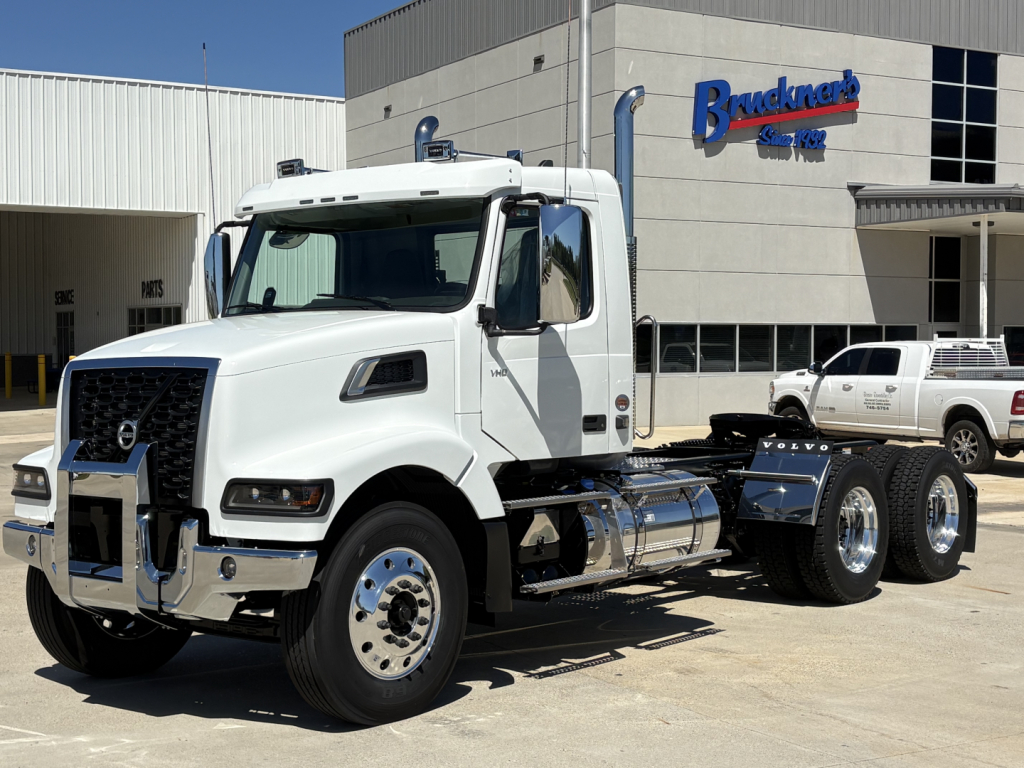
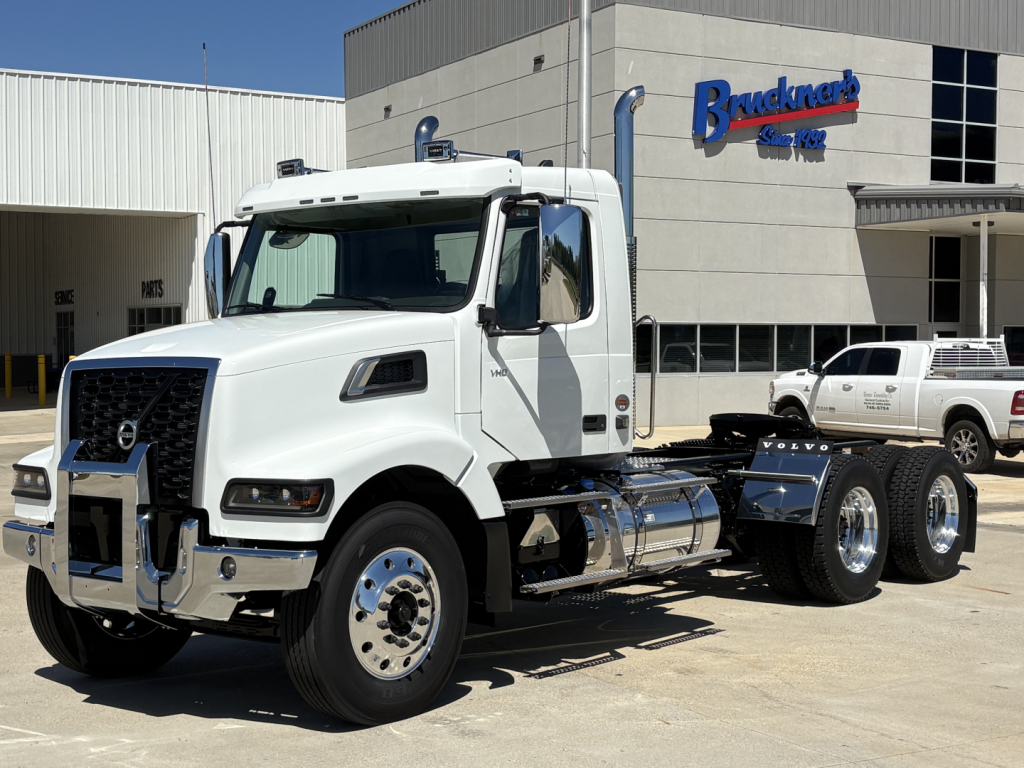
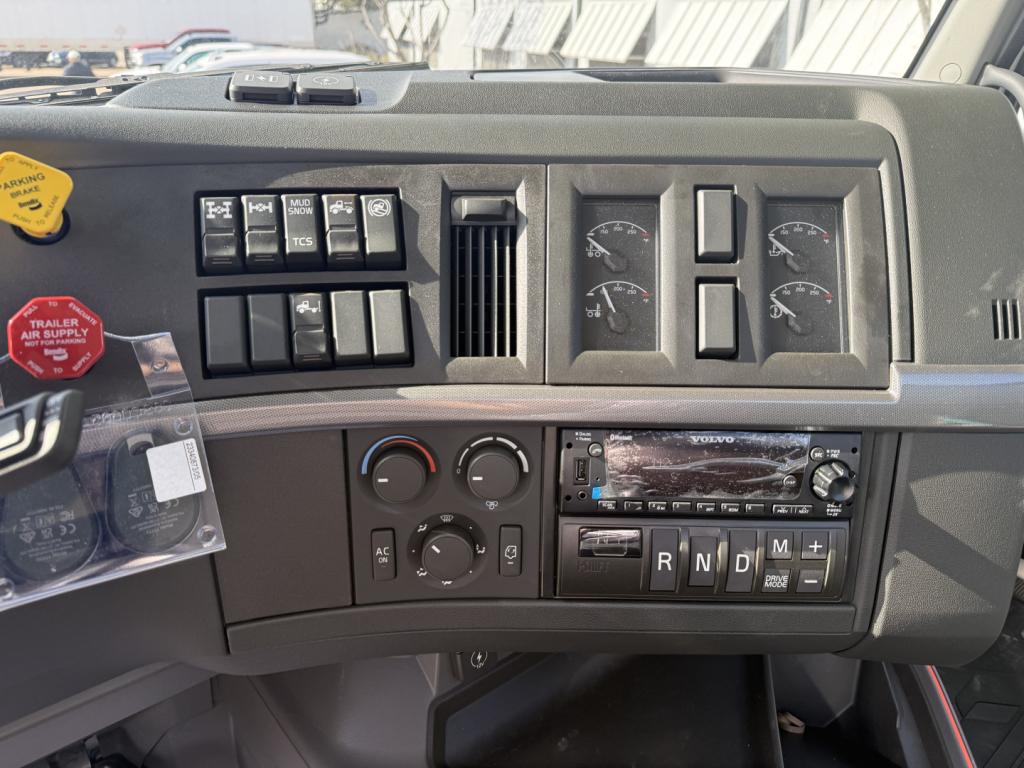
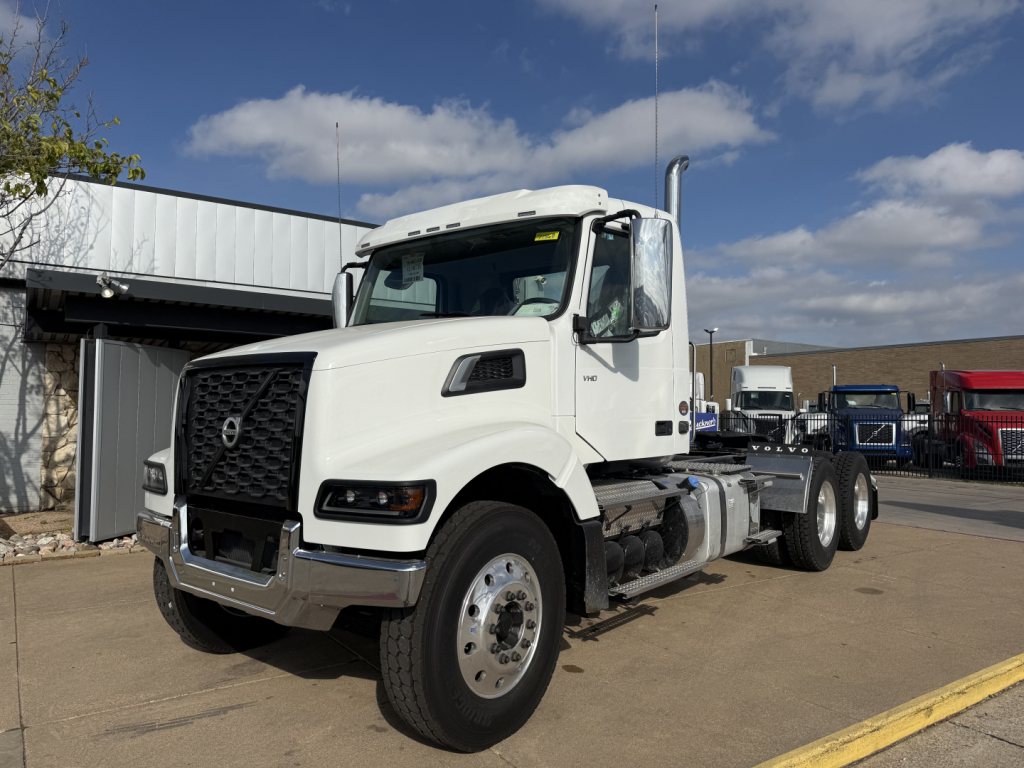
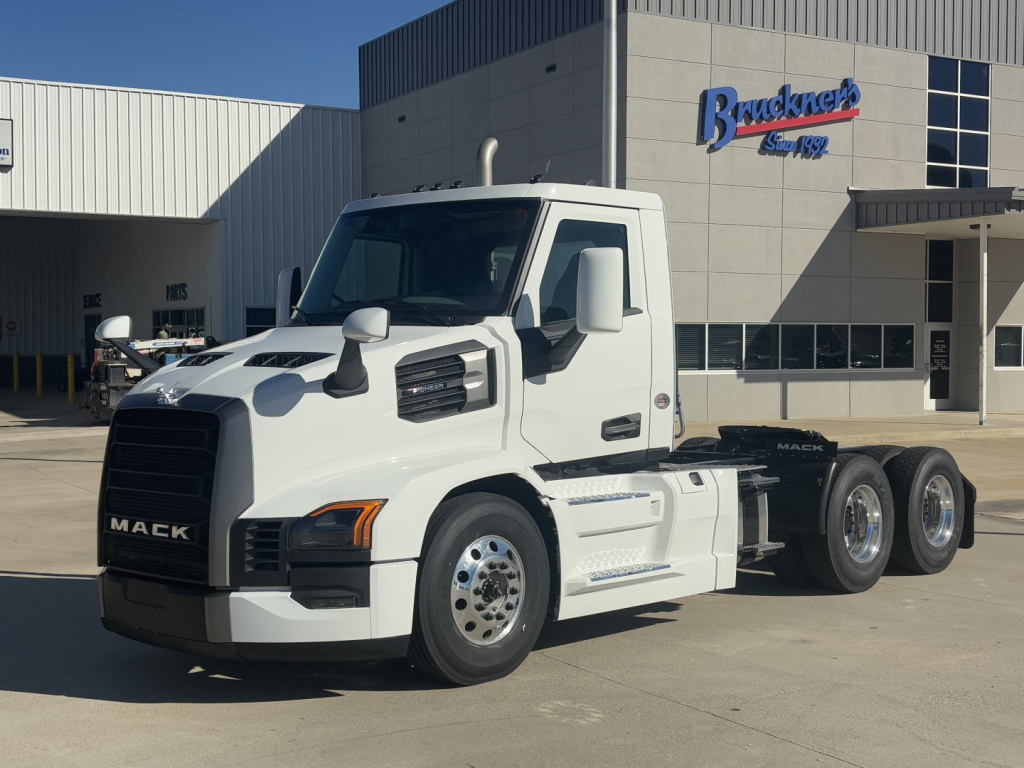
Showing 145 to 156 of 275 results
Have new conventional daycab truck to sell? List it here to reach thousands of buyers.
About New Conventional Daycab Trucks
Tare weight is a primary lever for payload and fuel economy. Lightweight specs such as aluminum wheels, hubs, crossmembers, air tanks, and fuel tanks, low profile fifth wheels, compact 11 to 13 liter engines paired with automated manual transmissions, and 6x2 or liftable pusher configurations can remove hundreds of pounds. The trade-off is traction on wet docks or gravel and less margin for severe-duty shock loads, a 6x4 with full locking differentials and vocational suspensions adds weight but preserves durability and control. Match engine torque and ratio strategy to duty cycle, direct drive with fast axles for steady highway speeds, overdrive with numerically higher axles for mixed stop and go.
Thermal integrity in a daycab matters for driver comfort, alertness, and electronics reliability. Cab shells with robust insulation, laminated or solar control glass, tight door and floor seals, and high efficiency HVAC with proper condenser capacity maintain stable temperatures during urban work where low vehicle speed limits airflow. Strong thermal performance reduces defrost times, limits heat soak on the firewall and dash, and lowers HVAC load that can rob horsepower on hot days.
Corrosion resistance protects uptime and resale value. Look for e-coated frames and brackets, aluminum cabs with treated seams, stainless or zinc-nickel hardware, sealed wiring harnesses and connectors, and composite battery boxes and fenders. Consider air disc brakes for shorter stops and less fade, they add some cost and weight but improve control and pad life, while drums remain viable in abrasive vocational environments. Add collision mitigation, adaptive cruise, electronic stability control, TPMS, and automatic traction aids to protect drivers and equipment, and choose wheelbase, axle ratings, and suspension type to meet bridge law targets and turning radius requirements.
Frequently Asked Questions
What specs improve floor strength and frame durability in a daycab?
Prioritize higher RBM frame rails with adequate section modulus, closer crossmember spacing, and reinforced fifth wheel mounting angles or plates. Use a stationary or long slide fifth wheel sized to your kingpin load, and set the plate height to keep the trailer level. For frequent heavy loads or rough sites, a frame liner or double frame increases torsional resistance, but it adds tare weight and can complicate PTO or body mounting.
How can I reduce tare weight without compromising reliability?
Target components with high weight savings per dollar, such as aluminum wheels and hubs, aluminum air and fuel tanks, optimized crossmembers, low profile fifth wheels, and lighter seats and batteries. Pair a 11 to 13 liter engine with an efficient automated manual transmission when duty cycle allows, and consider a 6x2 or liftable pusher if traction demands are modest. Validate with your routes and docks, then confirm axle ratings, suspension capacity, and brake sizing still meet your payload and terrain requirements.
What features enhance corrosion resistance on new conventional daycab trucks?
Seek an e-coated frame and brackets, aluminum cab construction with sealed and treated seams, stainless or zinc-nickel fasteners, sealed electrical connectors, and protected harness routing. Polymer bushings, composite battery boxes, and coated air tanks also help. In northern or coastal regions, underbody cavity wax or undercoating, plus drain paths that prevent salt retention, extend service life and support higher resale value.
Why does thermal integrity matter on a daycab and how is it achieved?
A thermally tight cab improves driver comfort, keeps electronics within optimal temperature ranges, and reduces HVAC load that can consume horsepower and fuel. It is achieved with quality insulation in the roof, back wall, and floor, laminated or solar control glass, tight door and floor seals, efficient HVAC components with adequate condenser and evaporator capacity, and proper airflow management that speeds defrost and limits heat soak at low vehicle speeds.
Is a 6x2 axle configuration a good choice for regional daycab work?
A 6x2 can cut tare weight and rolling resistance, which improves payload and fuel economy. It works best in high-traction, high-mile routes with limited off-pavement exposure. The trade-offs are reduced traction on slick docks or grades and the need for proper load transfer or liftable axles. If you routinely face snow, gravel, or steep ramps, a 6x4 with interaxle and axle locks provides better control at the cost of added weight.