
Used Freightliner Chipper Trucks For Sale in Florida
Used Freightliner chipper trucks in Florida, built for payload, floor strength, hydraulic cooling, and corrosion resistance, with PTO bodies.
Learn more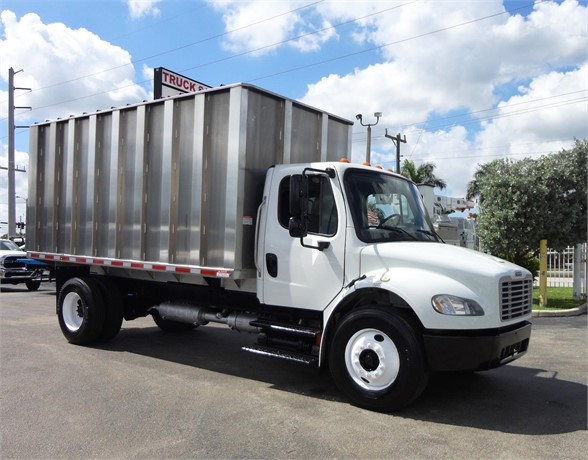
Have used freightliner chipper truck to sell? List it here to reach thousands of buyers.
About Used Freightliner Chipper Trucks in Florida
Body construction is where longevity and uptime are won. Floor strength starts with plate thickness and crossmember spacing, with many quality chip bodies using 3 or 16 inch steel floors and crossmembers on 8 to 12 inch centers to resist bowing and oil canning when debris lands hard. Look for reinforced hoist subframes, stout body sills, and a double acting tailgate that seals chips but still opens wide for dumping. Scuff liners in UHMW or steel protect the lower walls from rakes and logs, while a sealed roof or mesh top, curbside ladder, and positive latches minimize blowout and improve jobsite safety. Verify hoist cylinder capacity and mounting geometry so the body lifts smoothly at full cubic yard capacity, and check that the rear hinge pins, latch dogs, and bed props show even wear.
Tare weight versus durability is the key trade off. Steel chip bodies are toughest against impact and abrasion, though they add 800 to 1,200 pounds compared to comparable aluminum builds. Aluminum bodies trim tare, increase payload, and resist rust in humid coastal air, but they dent more easily and need proper isolation at the steel truck frame to prevent galvanic corrosion. In Florida, corrosion resistance pays, so favor e coat or powder coat over zinc rich primer, stainless or polymer hardware, sealed seam construction, and drain paths that keep wet chips from sitting against the floor. Stainless tailgate hinges, composite scuff panels, and dielectric treated electrical connections help harnesses and lighting survive daily washdowns and salt laden breezes.
Thermal integrity matters in Florida heat. Long PTO idle time and frequent dump cycles raise hydraulic oil temperature, so auxiliary coolers with thermostatic fans, correct reservoir sizing, and clean return line filtration protect seals and pumps. Aftertreatment systems create high exhaust temperatures during regen, so verify intact heat shields, proper stack routing away from the chip body, and no contact points at the roof or bulkhead. Cab HVAC performance at elevated idle, healthy fan clutches, and clean charge air coolers keep engines and operators cooler, which protects transmission and differential lubricants as well. Match body volume to GVWR to keep payload legal, for example 12 to 14 yard bodies on 26,000 pound GVWR singles, or 16 to 20 yard bodies on 33,000 pound GVWR units, and confirm hitch, brake controller, and wiring are rated for the chipper you tow.
Frequently Asked Questions
What body capacity and GVWR pairing works best on a Freightliner chipper truck?
For non CDL operations, many fleets pair a 12 to 14 yard chip body with a 26,000 pound GVWR single axle chassis, which keeps curb weight and payload in balance for brush and light log rounds. For heavier work and larger crews, a 33,000 pound GVWR single or tandem carries a 16 to 20 yard body with better hoist stability and braking margin. Actual payload depends on body material and options, so weigh the truck with tools and fuel to confirm how much chip volume you can legally haul.
Is a steel or aluminum chip body better for Florida conditions?
Steel offers superior impact and abrasion resistance, which helps when occasional log sections hit the floor, and it keeps repair simple, but it adds significant tare and is more vulnerable to rust. Aluminum cuts 800 to 1,200 pounds, improves payload, and resists red rust in humid and coastal environments, but it dents more easily and needs proper isolation from the steel frame to prevent galvanic corrosion. Many Florida fleets choose aluminum walls with a thicker steel or stainless floor, plus sealed seams, quality coatings, and stainless hardware for a balanced approach.
How does heat affect hydraulics and aftertreatment on chipper trucks that idle at jobsites?
Extended PTO idle can overheat hydraulic oil and shorten seal life, so look for a reservoir sized to the hoist cylinder volume, a return line filter with a clean indicator, and an auxiliary oil cooler with a thermostatic fan. Modern DPF systems need periodic regen, which raises exhaust temperature, so verify heat shields are intact, the exhaust stack is properly spaced from the chip body and roof, and no tarps or debris are near the outlet. Using a programmed high idle during PTO and keeping cooling packages clean helps both hydraulics and aftertreatment stay in their safe operating ranges.
What wheelbase and axle setup is best for residential tree work and towing a chipper?
A short to mid wheelbase in the 152 to 190 inch range on a set back front axle Freightliner improves turning in cul de sacs and driveways while still supporting a 12 to 20 yard body. Single rear axles handle most arborist payloads and keep tare and maintenance down, while tandems are useful when running larger bodies or frequent towing on soft ground. Verify front axle ratings if you run a heavy bumper winch, and match hitch rating, brake controller, and lighting to your chipper’s tongue weight and GVWR.
What should I inspect on the body and frame of a used chipper truck before purchase?
Check the chip body floor for bowing, oil canning, or thin spots, and look along crossmember welds for cracks. Inspect the hoist cylinder trunnions, hinge pins, and subframe mounts for play or rust jacking, and verify the tailgate seals tightly and latches square. Look for corrosion behind toolboxes and along body sills, confirm electrical harnesses have sealed connectors and intact grommets, and examine the roof seams and ladder mounts for UV cracking or looseness. On the chassis, review PTO hours, watch for hydraulic leaks, and confirm cooling and exhaust heat shields are complete.