
Cab and Chassis Trucks For Sale in Alabama
Shop cab and chassis trucks in Alabama. Compare wheelbase, GVWR, engine, cab style, and body-ready specs for medium and heavy-duty work.
Learn moreBrowse Cab and Chassis Trucks by Make
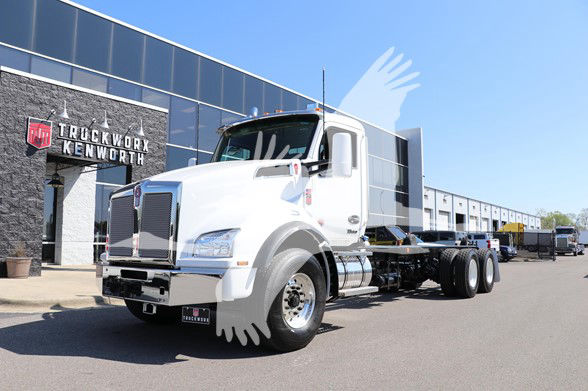
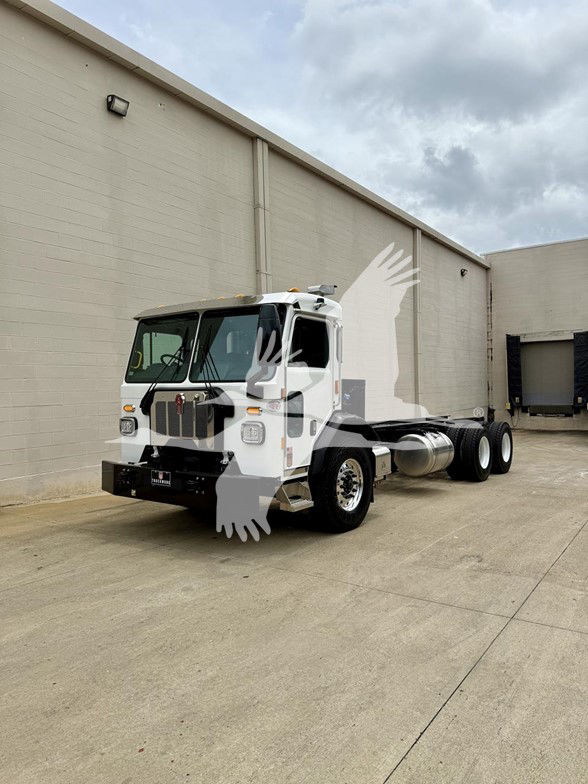
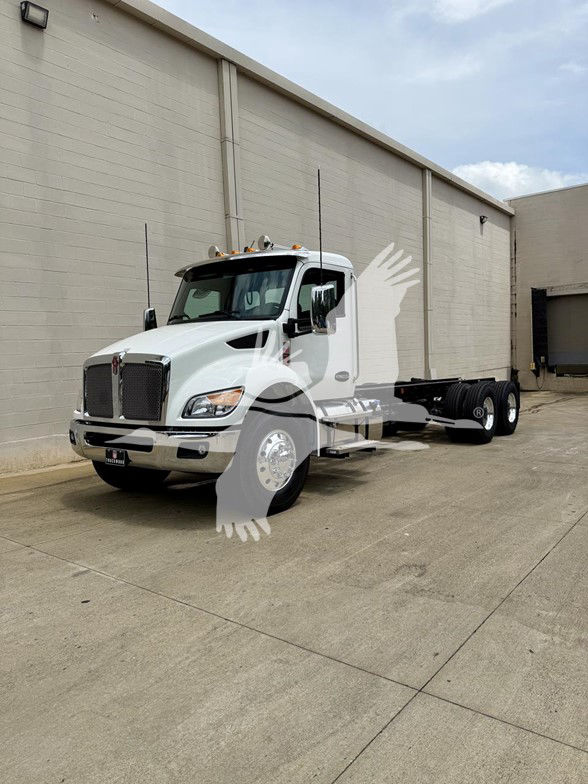
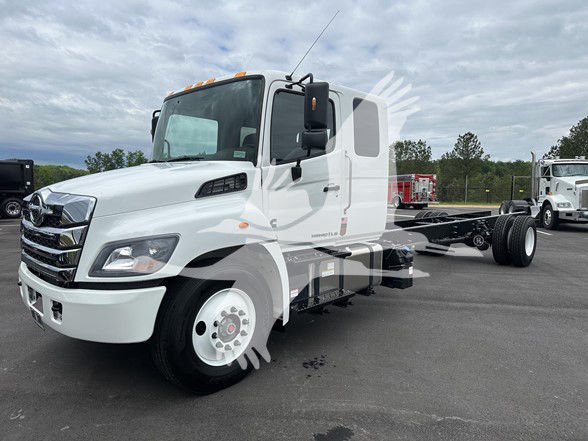
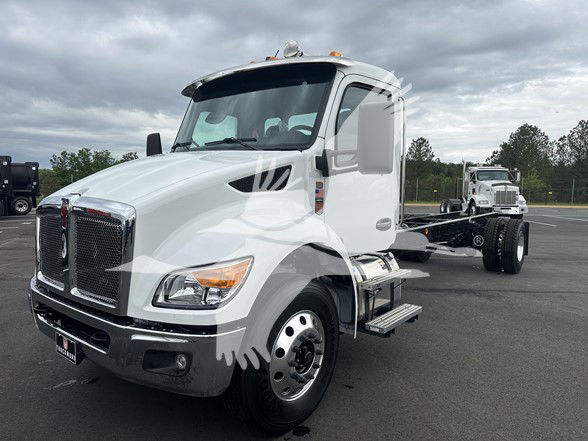
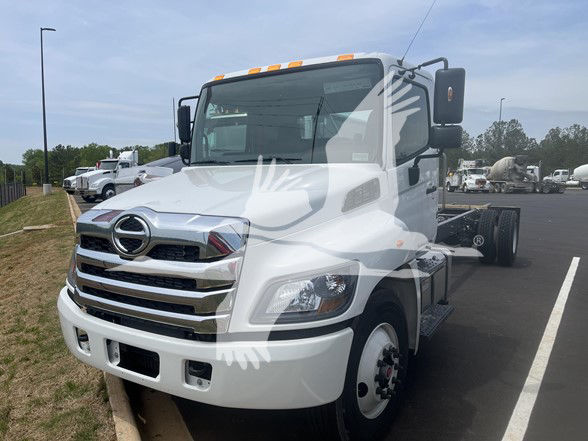
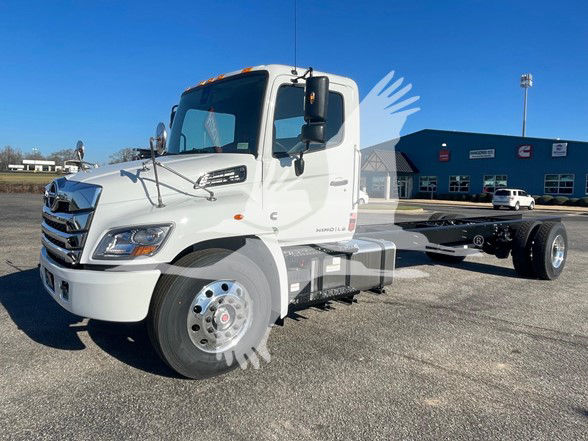
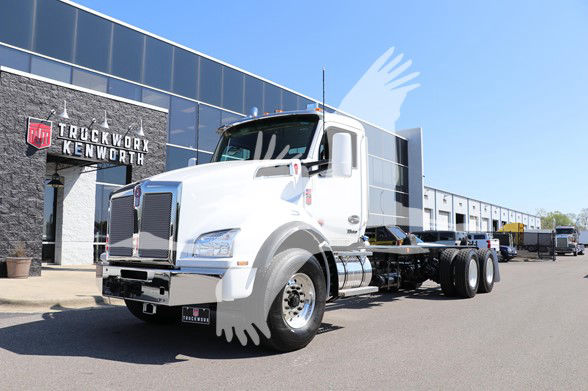
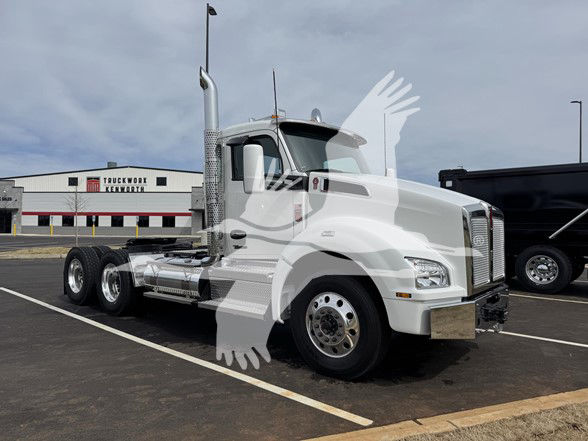
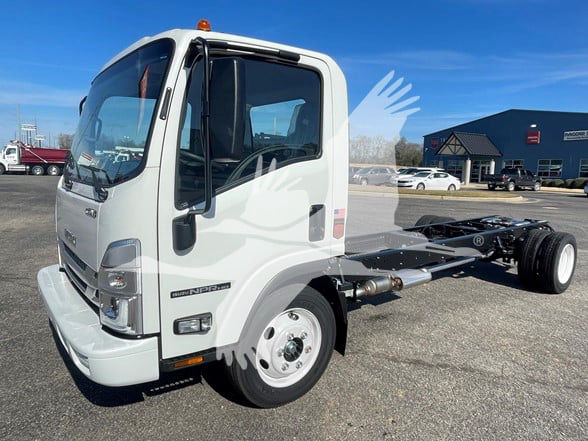
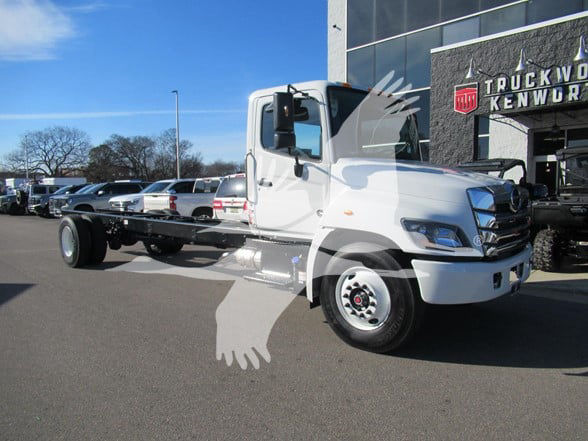
Showing 1 to 12 of 13 results
Have cab and chassis truck to sell? List it here to reach thousands of buyers.
About Cab and Chassis Trucks in Alabama
In Alabama, cab and chassis trucks are commonly used in construction, HVAC, municipal work, propane delivery, local freight, and agricultural support. Medium-duty models like the Hino L6 and Isuzu NPR HD are popular because they can be spec'd for urban delivery or vocational use without moving into a full Class 8 platform. Buyers should pay close attention to GVWR, front and rear GAWR, suspension type, tire size, and fuel type. A shorter wheelbase helps with maneuverability in town and on tighter job sites, while a longer wheelbase supports larger van bodies, rollback decks, and heavier service bodies. Gas engines can make sense for lighter local routes and simpler maintenance programs, while diesel remains the standard for higher mileage, heavier payloads, and PTO-driven applications.
Body compatibility matters as much as drivetrain. Standard cab, crew cab, and low-cab-forward configurations all change the usable frame length and turning radius. Before buying, confirm the exact cab-to-axle and cab-to-end-of-frame dimensions, any frame drill restrictions, PTO provisions, and upfitter switch availability. If the truck will carry a crane, compressor, liftgate, or towing equipment, check frame reinforcement, transmission PTO capability, alternator output, and front axle capacity. Tire and wheel package, rear suspension rating, and brake setup should also line up with the finished truck's working weight, not just the empty chassis.
A good cab and chassis spec leaves room for the body builder to do the job correctly without compromising payload or service life. Buyers comparing listings should look beyond model names and focus on how the truck will perform once upfitted. Wheelbase, engine output, axle configuration, and suspension design all affect body fit, ride quality, and operating cost. The right chassis is the one that supports the body you need, carries the load legally, and stays serviceable in a local or regional fleet for years.
Frequently Asked Questions
What is a cab and chassis truck used for?
A cab and chassis truck is an incomplete truck built to accept a vocational or delivery body. Common end uses include dry van bodies, reefer bodies, flatbeds, dump bodies, utility bodies, stake beds, tow bodies, and service trucks. The truck is purchased based on the body and payload it will carry, so frame length, axle ratings, and wheelbase are usually more important than appearance or trim level.
How do I choose the right wheelbase for a cab and chassis truck?
Wheelbase should be matched to the body length, load distribution, and turning requirements of the finished truck. A shorter wheelbase improves maneuverability and is common for city delivery, plumbing, and electrical service work. A longer wheelbase supports larger van bodies, rollback carriers, and applications that need more body length or better weight distribution across the axles. Buyers should also verify cab-to-axle and cab-to-end-of-frame dimensions because those measurements determine whether the body will fit correctly.
Is diesel or gas better for a cab and chassis truck?
Diesel is typically preferred for heavier payloads, higher annual mileage, towing, and PTO-driven equipment because it offers strong torque and long-duty-cycle performance. Gas engines can be a practical choice for lighter local use, lower upfront cost, and fleets that want simpler emissions-related maintenance. The better choice depends on route length, idle time, body type, payload, and whether the truck will power auxiliary equipment.
What specs matter most before installing a truck body?
The most important specs are GVWR, front and rear GAWR, wheelbase, cab-to-axle measurement, frame section, rear suspension rating, tire size, and PTO capability if equipment will be driven off the transmission. Buyers should also confirm axle ratio, brake system, fuel tank placement, exhaust routing, and any manufacturer upfit guidelines. These details affect body fit, legal payload, and how well the truck handles after the build is completed.
Are medium-duty cab and chassis trucks a good fit for Alabama work fleets?
Yes, medium-duty cab and chassis trucks are widely used across Alabama because they fit a broad mix of municipal, contractor, agricultural, and local delivery applications. They are often easier to maneuver than heavier Class 8 platforms and can still be configured for substantial payload and body flexibility. The right spec depends on terrain, daily miles, body weight, and whether the truck will spend more time on urban streets, rural roads, or job sites.