
Isuzu Cab and Chassis Trucks For Sale in Alabama
Shop Isuzu cab and chassis trucks in Alabama. Compare NPR HD and similar models by GVWR, wheelbase, fuel type, and body upfit needs.
Learn more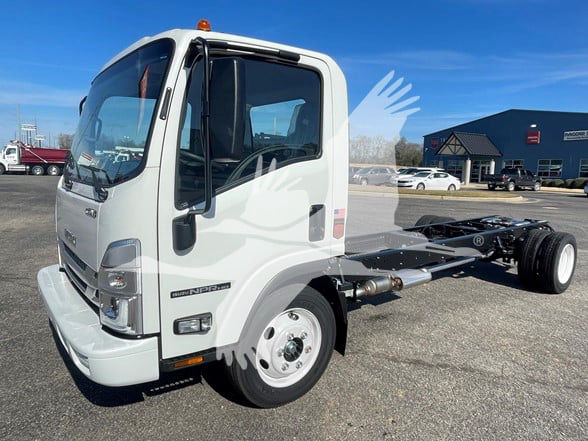
Have isuzu cab and chassis truck to sell? List it here to reach thousands of buyers.
About Isuzu Cab and Chassis Trucks in Alabama
Fuel type and duty cycle matter. Gasoline-powered Isuzu cab and chassis trucks are often selected for simpler maintenance planning, broad service access, and lighter to medium-duty urban routes with frequent stops. Buyers comparing specs should look at horsepower and torque, transmission pairing, rear axle ratio, and suspension setup, especially when the truck will carry a full box body, liftgate, or refrigeration unit. Tire size, usually in the 19.5-inch range on this class of truck, also affects ride, replacement cost, and load support. A spring suspension and single rear axle setup are common in this segment and fit many regional delivery applications.
The cab layout is one of the biggest reasons fleets stay with Isuzu. A standard cab with left-hand drive and a tight turning radius works well in downtown deliveries, narrow alleys, school and hospital campuses, and dense commercial areas. The forward visibility is a real advantage for route work with frequent stops. Buyers should still verify cab comfort and operating details that affect driver retention and uptime, including seat configuration, HVAC performance, entry height, dash layout, and visibility around installed body equipment. If a truck is being ordered for a specialized body, confirm clearances for toolboxes, underbody fuel tanks, battery boxes, and PTO-related components before finalizing the chassis spec.
For Alabama buyers, the right Isuzu cab and chassis usually comes down to matching the chassis to the body builder's requirements and the route's payload pattern. Shorter wheelbases improve maneuverability, while longer wheelbases can support larger bodies and better weight distribution. Check front and rear GAWR, frame strength, and upfitter compatibility before committing. A well-matched cab and chassis truck will be easier to body, easier to service, and more productive over the long term than a chassis chosen on price alone.
Frequently Asked Questions
What is an Isuzu cab and chassis truck used for?
An Isuzu cab and chassis truck is used as a base platform for commercial upfits such as box trucks, reefer bodies, flatbeds, stake beds, dump bodies, and service bodies. The buyer selects the chassis based on GVWR, wheelbase, and cab-to-axle measurement, then a body builder installs the work body needed for the application. This makes the category popular for delivery fleets, contractors, municipalities, and service businesses.
What should I check before buying an Isuzu cab and chassis for a body upfit?
The most important items are GVWR, front and rear GAWR, wheelbase, cab-to-axle dimension, frame height, and any equipment that could interfere with the body installation. You should also confirm fuel tank placement, battery box location, exhaust routing, and transmission or PTO compatibility if the body needs auxiliary power. Matching the chassis to the body builder's exact requirements prevents balance issues, clearance problems, and expensive rework.
Is gasoline a good choice for an Isuzu cab and chassis truck?
Gasoline can be a strong choice for lighter to medium-duty routes, especially when the truck sees local stop-and-go work and returns to base regularly. Many buyers prefer gas for simpler maintenance planning, familiar fueling, and broad service support. The right choice still depends on payload, annual miles, idle time, and the weight of the completed upfit.
Why do buyers choose an Isuzu low-cab-forward chassis?
The low-cab-forward design gives the truck a shorter overall length for a given body size, which helps maximize cargo or equipment space without sacrificing maneuverability. It also improves visibility in tight urban settings and can make route work easier in alleys, loading docks, and crowded commercial areas. For many operations, that combination of body efficiency and turning performance is the main advantage.
How do I choose the right wheelbase on an Isuzu cab and chassis?
The correct wheelbase depends on the planned body length, axle placement, and how the truck will be loaded in real service. A shorter wheelbase generally improves turning and works well in dense city routes, while a longer wheelbase can better support larger bodies and smoother weight distribution. The safest approach is to start with the body manufacturer's recommended cab-to-axle and finished-body dimensions, then select the chassis that fits those numbers.