
Used Bluebird Bus Trucks For Sale in New York
Used Blue Bird buses for sale in New York, including school and transit-style models with diesel power, air brakes, and commercial-duty chassis.
Learn more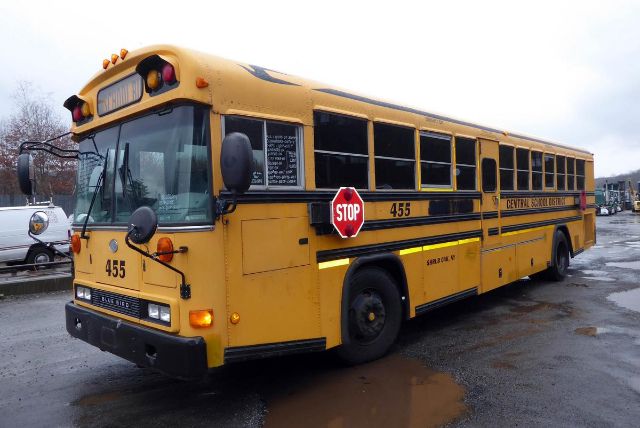
Have used bluebird bus truck to sell? List it here to reach thousands of buyers.
About Used Bluebird Bus Trucks in New York
A transit-style Blue Bird bus, also known as a flat-nose school bus, is usually chosen for higher passenger counts, tighter turning, and easier driver visibility in urban or campus environments. Conventional-nose Blue Bird buses are often preferred when parts familiarity and service access matter most. Buyers should compare GVWR, wheelbase, overall length, axle ratings, suspension type, and tire size, since these details affect route suitability, maintenance cost, and legal operating limits. Interior layout matters too. Seat rows, aisle width, underbody storage if equipped, and adult versus child capacity all change how practical a bus is for a given operation.
For a used Blue Bird bus, drivetrain condition is often more important than cosmetic appearance. A strong-running engine, clean shifting Allison transmission, proper brake performance, and stable cooling system are higher-value indicators than fresh paint or seat upholstery. Check for electrical issues, warning light faults, rust at body mounts and stepwells, floor corrosion, and signs of hard service in suspension components. In New York, corrosion from road salt can be a major factor, so frame condition, brake lines, crossmembers, and underside integrity deserve close inspection. If the bus is being purchased for conversion or private use, verify title status, seating removal requirements, emissions compliance, and any state-specific registration rules before purchase.
Blue Bird buses remain popular because they are commercial-duty units built around widely supported powertrain components. That makes them a practical choice for buyers who need a used bus with straightforward serviceability and known parts channels. The right unit depends on route length, passenger weight, stop frequency, terrain, and whether the bus will stay in fleet service or move into a specialty role such as a mobile office, RV conversion, or support vehicle. A careful review of engine hours, mileage, body condition, and operating systems will usually tell more than model year alone.
Frequently Asked Questions
What are the most important things to check on a used Blue Bird bus?
The most important checks are engine performance, transmission operation, brake system condition, cooling system health, and structural rust. On a Blue Bird bus, buyers should inspect the frame, crossmembers, stepwell, floor, body mounts, and suspension mounting points, especially in northern states where corrosion is common. Electrical faults should also be taken seriously because lighting, warning systems, gauges, and transmission controls can all be affected by wiring issues or module problems.
What is the difference between a transit-style Blue Bird bus and a conventional Blue Bird bus?
A transit-style Blue Bird bus has a flat-front design with the driver positioned farther forward, which improves maneuverability and passenger capacity in a given length. A conventional model has a hood and front engine layout that many fleets prefer for easier engine access and familiar service procedures. Transit-style buses are common for larger passenger loads and tighter operating environments, while conventional buses often appeal to buyers who prioritize simpler maintenance and broad technician familiarity.
Are Blue Bird buses good candidates for commercial or private conversion use?
Blue Bird buses are commonly used for conversions because they are built on heavy-duty commercial platforms and often use well-known diesel engines and Allison automatic transmissions. Buyers should still verify floor condition, roof integrity, electrical system status, and any prior modifications before planning a conversion. Registration, insurance, seat removal, emergency exit requirements, and emissions rules can vary by state, so the legal side should be confirmed before the bus changes use.
What engines and transmissions are common in used Blue Bird buses?
Used Blue Bird buses are often equipped with diesel engines such as Caterpillar or Cummins models, depending on year and configuration. Allison automatic transmissions are especially common because they are well suited for stop-and-go passenger service. The exact engine and transmission combination matters because it affects parts availability, service familiarity, fuel economy, power on grades, and long-term operating cost.
Why does GVWR and axle rating matter on a bus purchase?
GVWR and axle ratings determine how much passenger and equipment weight the bus can legally and safely carry. A bus with a higher gross vehicle weight rating and stronger rear axle is generally better suited for full passenger loads, repeated stop-and-go service, or conversion builds that add interior equipment and materials. These ratings also influence tire selection, brake requirements, and overall durability under commercial use.