
Used Bluebird Bus Trucks For Sale
Browse used Blue Bird buses for sale, including school and transit-style models with common specs, drivetrains, capacities, and buyer tips.
Learn more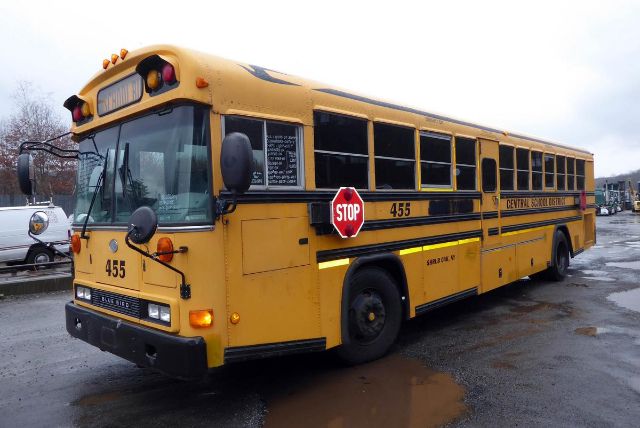
Have used bluebird bus truck to sell? List it here to reach thousands of buyers.
About Used Bluebird Bus Trucks
Engine and transmission choices matter more on a bus than many first-time buyers expect. Older used Blue Bird buses commonly show up with Caterpillar, Cummins, or Mercedes-Benz diesel engines paired to Allison automatic transmissions, often from the 2000 or 3000 series. GVWR on full-size models can push into the 30,000-pound class, with common features including air brakes or hydraulic brakes, spring suspension, 11R22.5 tires, and single rear axles on 4x2 chassis. A buyer comparing listings should pay attention to horsepower, rear axle ratio, wheelbase, and overall length because those specs determine highway speed, gradeability, turning radius, and passenger load performance. If a bus will see stop-and-go local use, transmission behavior, cooling-system condition, and brake system service history deserve close review.
Body style and intended use should drive the purchase decision. A Blue Bird All American or other transit-style bus offers strong passenger capacity and a flat-front layout that can work well for route service, church transport, staff shuttles, or RV and mobile business conversions. Conventional-nose models can be easier to service in some fleets because engine access is more familiar to truck technicians. Interior layout also matters. Buyers should confirm seat count, aisle space, luggage or equipment needs, emergency exit condition, heater function, and whether the bus still carries school-use equipment that may need to be removed for private or commercial repurposing. For conversion buyers, roof height, floor condition, rust at body mounts, and underbody corrosion are often more important than cosmetic paint.
A used Blue Bird bus should be evaluated like a heavy commercial vehicle, not just a passenger unit. Check frame condition, crossmembers, steering play, suspension wear, brake chamber and air system health, tire date codes, electrical function, and signs of coolant or fuel-system issues. On older buses, electrical faults, derates, and speed-limiting problems can turn an inexpensive unit into a downtime project, so road speed, starting behavior, warning lights, and diagnostic history all matter. Buyers in states with emissions or school bus compliance rules should also verify title status, registration class, and any equipment requirements before purchase. A well-maintained Blue Bird bus can deliver long service life, but the right choice depends on route length, passenger count, maintenance capacity, and whether the bus will stay in fleet duty or be repurposed.
Frequently Asked Questions
What are the most common used Blue Bird bus models buyers look for?
The most common used Blue Bird buses on the market include the All American, Vision, and older TC-series models. The All American is a transit-style bus with a flat-front design and strong passenger capacity, while the Vision is a conventional school bus with a hooded front end and familiar service access. The right model depends on your route, maintenance preferences, and whether the bus is staying in passenger service or being converted for another use.
What engine and transmission combinations are common in used Blue Bird buses?
Used Blue Bird buses frequently come with diesel engines from Caterpillar, Cummins, or Mercedes-Benz, usually paired with Allison automatic transmissions. Many buyers prefer Allison units because parts and service support are widely available. When reviewing a listing, engine model, horsepower, transmission series, rear axle ratio, and maintenance history are more useful than brand name alone because they affect speed, reliability, and operating cost.
What should I inspect first on a used Blue Bird bus?
Start with the frame, underbody rust, brake system, tires, steering components, suspension, and electrical operation. After that, verify cold-start performance, road speed, transmission shifting, warning lights, and signs of overheating or coolant contamination. On older buses, neglected electrical issues and corrosion can be more expensive than routine engine service, so a thorough mechanical and structural inspection is essential.
Are Blue Bird buses a good choice for skoolie or shuttle conversion projects?
Blue Bird buses are commonly used for skoolie, mobile office, church shuttle, and specialty conversion builds because they are built on heavy-duty commercial platforms and often have durable drivetrains. Transit-style models can offer good interior volume, while conventional models may be simpler to service. Conversion buyers should focus on roof height, floor integrity, rust, window layout, electrical condition, and local title or registration requirements before buying.
Do I need to pay attention to brake type and GVWR on a used Blue Bird bus?
Yes. Brake type and GVWR affect licensing, inspection requirements, maintenance costs, and how the bus performs under load. Many full-size Blue Bird buses use air brakes and carry GVWR ratings in the medium to heavy range, so operators should confirm driver qualification rules and service capability before purchase. Matching the bus rating to passenger count and route conditions is one of the most important buying decisions.