
Used Freightliner Boom Trucks For Sale in Illinois
Shop used Freightliner boom trucks in Illinois. Compare chassis, crane capacity, tare weight, deck strength, hydraulics, and corrosion protection. Now
Learn more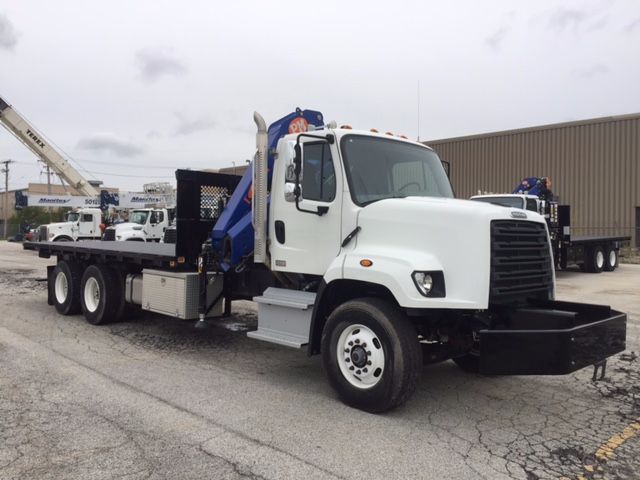
Have used freightliner boom truck to sell? List it here to reach thousands of buyers.
About Used Freightliner Boom Trucks in Illinois
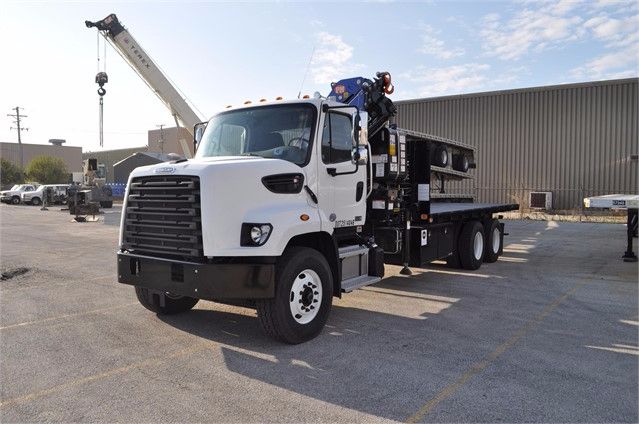
Used Freightliner boom trucks in Illinois typically ride on M2 106, 108SD, or 114SD chassis with Cummins L9 or Detroit DD13 power and Allison RDS automatics for PTO-friendly operation. Pay attention to wheelbase, axle ratings, and frame reinforcements, since these dictate legal payload and stability once the crane and body are installed. Deck or bed strength is critical; look for 3/16 to 1/4 inch tread plate with tight crossmember spacing and stout longitudinal sills so steel plate, cribbing, and rigging do not deform the floor. Storage for outrigger pads, tie-downs set into rub rails, and scuff protection at the bed edges keep the work surface intact over time.
Crane selection drives performance and tare weight. A longer telescopic boom or higher ton rating adds reach and chart capability, it also increases empty weight and requires wider outrigger spread or a front stabilizer to stay inside the load chart. Rear mount maximizes radius off the tail, behind-cab mount improves on-road balance and maneuverability in tight Chicago and suburban jobsites. Verify steer axle capacity, 16k to 20k is common, tandems at 40k to 46k carry the house load, and pusher or tag axles are often needed to meet Illinois bridge and axle limits at 80,000 gross. Aluminum beds and toolboxes trim hundreds of pounds, steel bodies add durability but cost payload; choose based on the loads you actually carry between lifts.
Corrosion resistance matters in Midwest winters. An e-coated or zinc-primed crane subframe, powder-coated outriggers, sealed Deutsch connectors, stainless or zinc-plated fasteners, and thorough frame undercoating slow salt attack, especially around crossmembers, torque boxes, and outrigger sockets. Hydraulic thermal integrity affects cycle speed and longevity; a correctly sized PTO, high-flow pump, adequate tank volume, return-line filtration, and an oil cooler keep temperatures stable on long duty cycles. Heat shielding around aftertreatment and careful hose routing reduce heat soak, which preserves seal life and keeps the LMI and radio remote electronics reliable.
For used units, scrutinize the structure before the paint. Check slew bearing lash with the boom at working radius, inspect boom pins and bushings for ovaling, look for cylinder rod chrome damage and hose cracking, and examine the wire rope, sheaves, and hook block for wear. Test the PTO engagement and pump for smooth pressure build, verify LMI and anti two block alarms, and review the latest OSHA or ASME B30.5 annual inspection. Walk the deck for soft spots that indicate failed crossmembers, look for frame scale between double rails and around outrigger mounts, and confirm axle spacings and ratings align with IDOT requirements. A clean load chart binder, recent dielectric test if a man basket is included, and documented maintenance on the crane and chassis reduce risk and downtime.
Crane selection drives performance and tare weight. A longer telescopic boom or higher ton rating adds reach and chart capability, it also increases empty weight and requires wider outrigger spread or a front stabilizer to stay inside the load chart. Rear mount maximizes radius off the tail, behind-cab mount improves on-road balance and maneuverability in tight Chicago and suburban jobsites. Verify steer axle capacity, 16k to 20k is common, tandems at 40k to 46k carry the house load, and pusher or tag axles are often needed to meet Illinois bridge and axle limits at 80,000 gross. Aluminum beds and toolboxes trim hundreds of pounds, steel bodies add durability but cost payload; choose based on the loads you actually carry between lifts.
Corrosion resistance matters in Midwest winters. An e-coated or zinc-primed crane subframe, powder-coated outriggers, sealed Deutsch connectors, stainless or zinc-plated fasteners, and thorough frame undercoating slow salt attack, especially around crossmembers, torque boxes, and outrigger sockets. Hydraulic thermal integrity affects cycle speed and longevity; a correctly sized PTO, high-flow pump, adequate tank volume, return-line filtration, and an oil cooler keep temperatures stable on long duty cycles. Heat shielding around aftertreatment and careful hose routing reduce heat soak, which preserves seal life and keeps the LMI and radio remote electronics reliable.
For used units, scrutinize the structure before the paint. Check slew bearing lash with the boom at working radius, inspect boom pins and bushings for ovaling, look for cylinder rod chrome damage and hose cracking, and examine the wire rope, sheaves, and hook block for wear. Test the PTO engagement and pump for smooth pressure build, verify LMI and anti two block alarms, and review the latest OSHA or ASME B30.5 annual inspection. Walk the deck for soft spots that indicate failed crossmembers, look for frame scale between double rails and around outrigger mounts, and confirm axle spacings and ratings align with IDOT requirements. A clean load chart binder, recent dielectric test if a man basket is included, and documented maintenance on the crane and chassis reduce risk and downtime.