
Used International Asphalt - Hot Oil Trucks For Sale in Idaho
Browse used International asphalt and hot oil trucks for road maintenance, patching, crack sealing, and emulsion transport jobs.
Learn more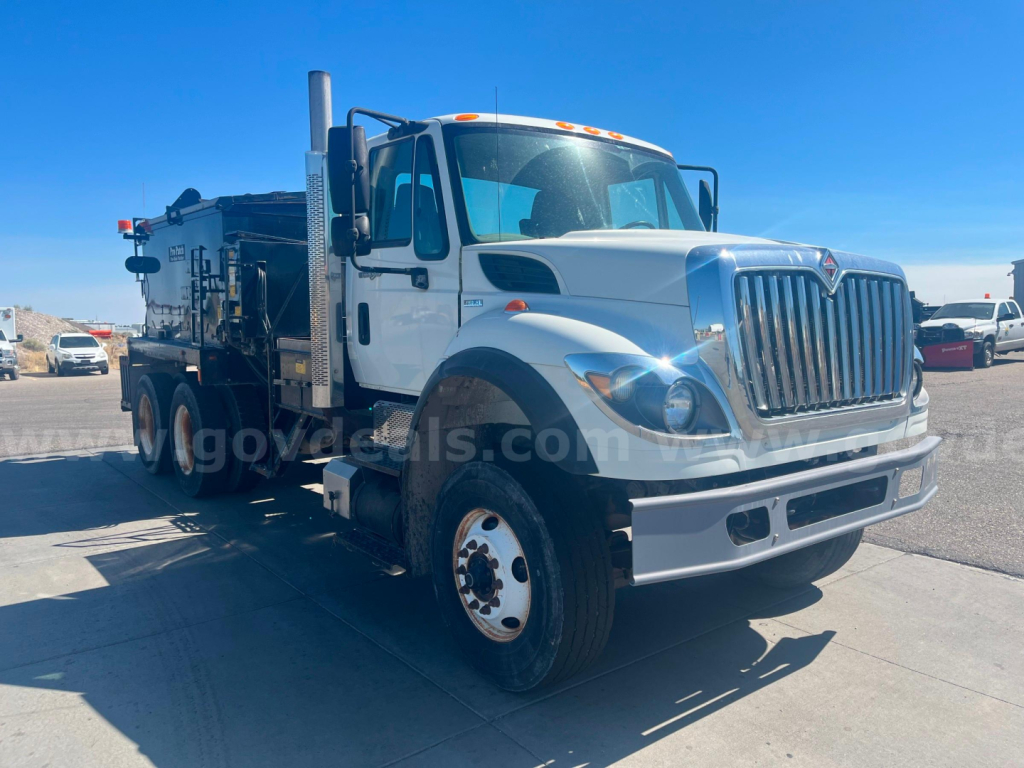
Have used international asphalt - hot oil truck to sell? List it here to reach thousands of buyers.
About Used International Asphalt - Hot Oil Trucks in Idaho
The first buying decision is usually the body and heat system, not just the truck itself. Asphalt and hot oil units can be configured with insulated tanks, recirculation plumbing, heated spray systems, patch boxes, aggregate hoppers, emulsion tanks, wand systems, and rear work platforms. On pothole patcher setups, buyers should look closely at conveyor function, material delivery controls, hopper condition, and burner performance. On hot oil or asphalt distributor-style units, check tank integrity, pump condition, hose routing, valve wear, and how evenly the system maintains temperature. A used unit with a sound chassis can still become expensive if the tank, burner, controls, or plumbing have been neglected.
International chassis in this class commonly use heavy-duty diesel engines paired with Allison automatic transmissions, which are well suited for low-speed municipal and paving work. Axle ratings, wheelbase, PTO setup, hydraulic capacity, and brake type all matter because these trucks spend more time working than cruising. In Idaho and other mountain or seasonal climates, buyers should pay extra attention to cold-weather starting, corrosion around tanks and plumbing, and how well the insulation and heat system recover during early-morning operation. A truck that runs well empty may tell a different story when the body is loaded with patch mix, liquid asphalt, or hot oil and the PTO-driven systems are engaged for a full work cycle.
Condition on a used asphalt or hot oil truck should be judged by service records and functional testing as much as miles. Idle hours, PTO hours, burner hours, and maintenance on pumps, hoses, nozzles, and hydraulic components often matter more than odometer readings alone. Look for evidence of tank repairs, leaks, excessive heat damage, worn spray bars, and patched wiring around controls. A well-kept International in this category can deliver strong value because the chassis is familiar to many fleet shops, while the vocational package gives crews a single truck for patching, sealing, and road repair support tasks.
Frequently Asked Questions
What is an International asphalt or hot oil truck typically used for?
An International asphalt or hot oil truck is typically used for road maintenance tasks such as pothole patching, crack sealing support, tack application, asphalt emulsion handling, and localized paving repair. Some units are dedicated hot oil service trucks with heated tanks and spray or wand systems, while others are pothole patchers with integrated aggregate or patch material handling equipment. The exact use depends on the mounted body, heating system, and delivery controls.
What should I inspect first on a used hot oil or asphalt truck?
Start with the vocational equipment, because that is usually where the highest repair cost sits. Inspect the tank, insulation, burner, pump, spray system, valves, hoses, hydraulic components, and PTO operation before focusing on cosmetic chassis issues. A truck can have a strong engine and transmission but still require major expense if the heating system does not hold temperature, the plumbing leaks, or the patching equipment does not feed material consistently.
Are International WorkStar and similar models a good choice for asphalt and patching applications?
Yes. International WorkStar and similar severe-duty chassis are commonly used for asphalt and patching applications because they are designed for vocational work, heavy payloads, and repeated stop-and-go operation. They are often spec'd with diesel engines, automatic transmissions, PTO capability, and axle ratings that support tanks, hoppers, and hydraulic systems. Their appeal in the used market is usually tied to chassis durability and widespread service familiarity.
Do miles matter as much as hours on a used asphalt truck?
No. On this type of equipment, hours can matter as much as or more than miles. Asphalt and hot oil trucks often spend long periods idling while burners, pumps, conveyors, and PTO-driven systems are operating on the job site. That means low mileage does not automatically equal low wear. PTO hours, burner hours, service records, and evidence of maintenance on the work systems are better indicators of true condition.
What features are important for buyers in Idaho?
For Idaho buyers, cold-weather operation, terrain, and seasonal use patterns are important. Look for dependable cold starts, strong heater and defroster performance, solid brake condition, and a heat system that recovers quickly in low ambient temperatures. Corrosion around tanks, fittings, and plumbing should be checked carefully, especially on trucks that have seen winter road exposure. Proper axle capacity and stable handling also matter when running in hilly areas with a full load of hot material.