
Used Jcb Wheel Loaders For Sale
Browse used JCB wheel loaders with common specs, bucket and fork setups, operating weights, and buying points for loading and material handling.
Learn more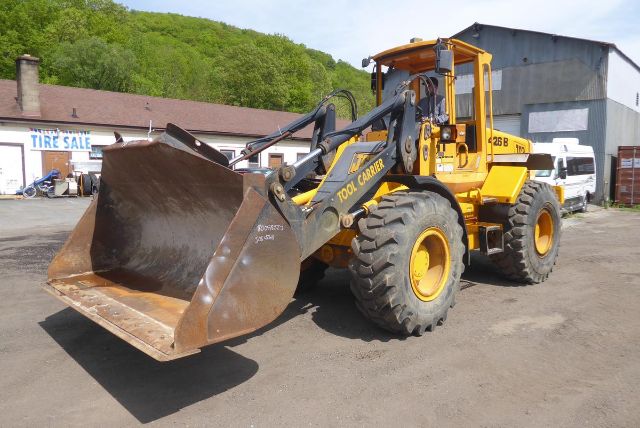
Have used jcb wheel loaders trucking equipment to sell? List it here to reach thousands of buyers.
About Used Jcb Wheel Loaders
A buyer should start with operating weight, bucket capacity, lift height, and hydraulic setup. Older used JCB wheel loaders commonly fall into a mid-size range that works well in yards and job sites where space matters but loader capacity still needs to be meaningful. Engines in these machines are typically diesel, and many older units use simple mechanical fuel systems that some fleets prefer for ease of service. Transmission type, axle condition, articulation joint wear, and brake performance matter as much as engine hours on a used loader. If the machine will switch between a general-purpose bucket, forks, grapple, or snow attachment, check for a quick coupler, third-function hydraulics, and compatible attachment geometry before you buy.
Tire size and undercarriage condition on a wheel loader directly affect operating cost and stability. Look closely at tread depth, sidewall cuts, matching tire wear, wheel condition, and signs of hard-impact damage around the center pins, loader arms, and frame. Bucket edge wear, looseness in pins and bushings, hydraulic cylinder seepage, steering response, and cold-start behavior can tell you a lot about how the loader was maintained. On an older used JCB wheel loader, an open cab versus enclosed cab is another practical decision. An open cab may suit seasonal or yard use, while an enclosed cab with heat can make a major difference for snow work, recycling yards, and long operator shifts.
For trucking-related operations, the best used JCB wheel loader is usually the one sized correctly for the material and the loading area, not simply the biggest machine available. Dense aggregate, wet soil, scrap, mulch, and palletized freight all place different demands on bucket capacity, tipping load, and attachment choice. Review transport dimensions and machine weight if the loader will be moved between sites on a tag trailer or lowboy. A loader that runs well, shifts cleanly, steers tightly, and has a sound hydraulic system will usually outperform a cheaper machine with worn pins, weak lift cylinders, and neglected service history. Buyers comparing listings should pay attention to actual attachment package, tire condition, cab configuration, and recent repairs, because those details often change the real value more than model year alone.
Frequently Asked Questions
What should I check first on a used JCB wheel loader?
Start with articulation joint wear, loader arm pins and bushings, hydraulic cylinder condition, tire condition, transmission performance, and engine cold-start behavior. These areas usually tell more about real machine condition than paint or stated hours alone. Also inspect the bucket edge, frame for cracking or repairs, steering response, brake performance, and any slack in the quick coupler if the machine is attachment-ready.
Are JCB wheel loaders good for trucking yards and material handling?
Yes. A used JCB wheel loader can be a strong fit for trucking yards, bulk material sites, transfer stations, and support operations that need fast cycle times and better lift capacity than a skid steer. Many are used for loading dump trucks, moving aggregate, handling pallets with forks, clearing lots, and feeding processing equipment. The key is matching bucket size, operating weight, and hydraulic capability to the material and the space available.
How important are attachments on a used wheel loader?
Attachments can significantly change the value and usefulness of a used wheel loader. A machine equipped with a hydraulic quick coupler and third-function hydraulics is more flexible for switching between a bucket, forks, grapple, snow pusher, or specialty tool. Buyers should confirm coupler type, hydraulic plumbing, fork rating, and overall compatibility, because an attachment-ready machine can save time and added setup cost after purchase.
What tire and bucket details matter most on a used JCB wheel loader?
On tires, look for even wear, remaining tread, matching sizes, sidewall damage, and any signs the loader was run hard on rough surfaces. Tire replacement is a major ownership cost, so condition matters. On the bucket, inspect the cutting edge, side wear, floor condition, weld repairs, and looseness at the pins. A worn bucket or poor tire set can materially affect productivity, traction, and purchase value.
How do I know if a wheel loader is the right size for my operation?
The right size depends on the material, truck height, loading area, and how often the loader will be transported between jobs. Heavier materials such as gravel or wet soil require more machine stability and breakout force than lighter materials like mulch. Buyers should compare operating weight, bucket capacity, hinge pin height, overall width, and transport weight against their actual work. A properly sized loader will load efficiently without becoming awkward to haul, store, or maneuver.