
Used Case Wheel Loaders For Sale
Browse used Case wheel loaders for material handling, loading, and site work. Compare bucket size, operating weight, tires, drivetrain, and cab setup.
Learn more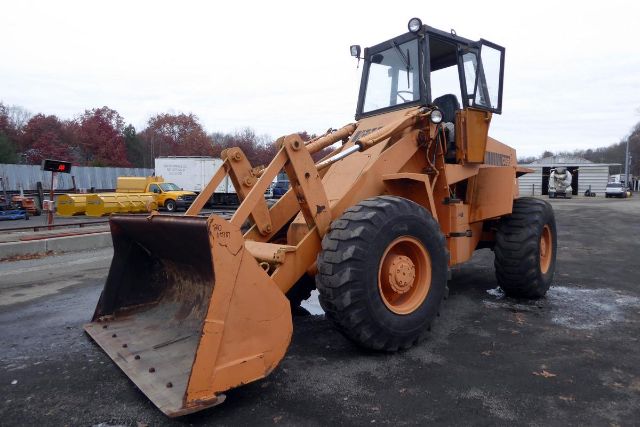
Have used case wheel loaders trucking equipment to sell? List it here to reach thousands of buyers.
About Used Case Wheel Loaders
A buyer comparing Case wheel loaders should pay close attention to articulation joint condition, center pin wear, loader arm pins and bushings, hydraulic cylinder seepage, steering response, and brake performance. Tire size and condition matter because replacement cost can materially change the total deal value, especially on larger machines running 20.5-25 or similar rubber. Bucket width, cutting edge wear, and the presence of attachments or quick coupler systems also affect how well the machine fits its intended work. Cab configuration is another practical factor. Some used units are enclosed but basic, while others may have heat, better visibility packages, or more operator-friendly controls.
Older Case wheel loaders such as the W-series are still found in secondary-duty and yard applications because they can be productive without the acquisition cost of a newer loader. These machines are often used for loading trucks, feeding hoppers, stockpile management, snow handling, and moving dirt, gravel, sand, manure, or debris. Buyers hauling one between jobs should also verify transport dimensions, shipping weight, and local trailer requirements, since overall height, bucket width, and machine weight can determine permit needs and routing.
Condition matters more than paint on a used wheel loader. A strong candidate in this category will show consistent cold starts, clean transmission engagement, stable hydraulic function under load, and no major slop in the front end or articulation area. Service history, engine blow-by, axle leaks, differential noise, and frame condition are all worth checking before purchase. For buyers shopping used Case wheel loaders for sale, the best value usually comes from matching machine size and bucket setup to the material being moved, then verifying that the loader's hydraulic, steering, brake, and driveline systems still have life left in them.
Frequently Asked Questions
What should I inspect first on a used Case wheel loader?
Start with the articulation joint, center pin, loader arm pins and bushings, hydraulic cylinders, and transmission engagement. These areas tell you a lot about structural wear and how the machine was used. Also check for axle leaks, brake response, steering play, tire condition, and engine blow-by. On older mechanical Case loaders, a visual inspection combined with a loaded operational test can reveal more than the hour meter alone.
Are older Case wheel loaders still practical for daily work?
Yes, many older Case wheel loaders are still practical for yards, farms, recycling operations, and light-to-medium loading duty if they have been maintained properly. Their appeal is usually mechanical simplicity, lower purchase cost, and easier field service compared with newer electronically controlled machines. The tradeoff is that buyers need to evaluate wear in the drivetrain, hydraulics, and chassis more carefully because age-related repairs can add up quickly.
How do I choose the right wheel loader size?
Match the loader to the material, the truck height you are loading, the space available on site, and your transport requirements. Operating weight, bucket width, bucket capacity, lift height, and tire size all affect productivity. A loader sized for gravel stockpiles may not be ideal for tight yard work, and a machine that is too small can struggle with dense material. The right fit is usually the machine that handles your heaviest routine material without being oversized for the jobsite.
What are common applications for a used Case wheel loader?
Common applications include loading dump trucks, moving aggregate, feeding bins or hoppers, handling snow, cleaning lots, moving silage or manure, and general site support. In trucking-related operations, wheel loaders are often used around material yards, transfer sites, demolition support jobs, and landscaping supply locations. Bucket style, edge condition, and traction setup can make a big difference depending on whether the material is loose aggregate, dirt, scrap, or organic material.
Why is tire condition so important on a used wheel loader?
Tires are a major cost item on any wheel loader, and poor tire condition can change the economics of the purchase immediately. Uneven wear may point to alignment, articulation, axle, or operating-surface issues. Buyers should confirm tire size, ply or rating, tread depth, sidewall condition, and whether the machine is running air-filled, foam-filled, or specialty tires. On larger loaders, a full set of replacements can represent a significant post-sale expense.