
Terex Recycling For Sale in New York
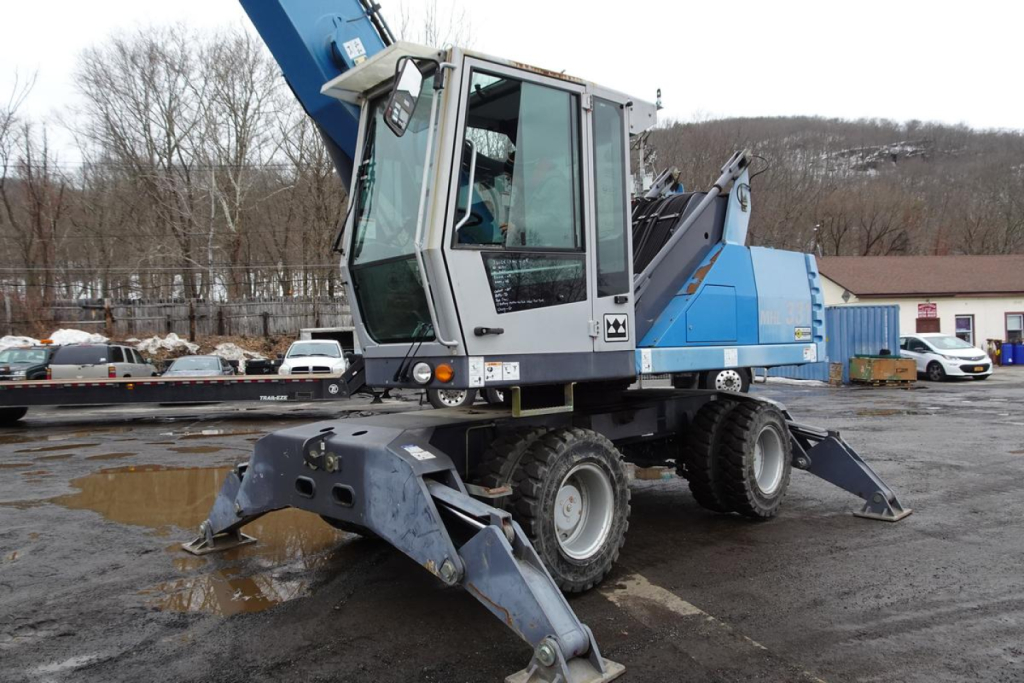
Browse Terex recycling equipment built for scrap and material handling, with wheeled handlers, hydraulic outriggers, elevated cabs, and magnet setups.
Learn more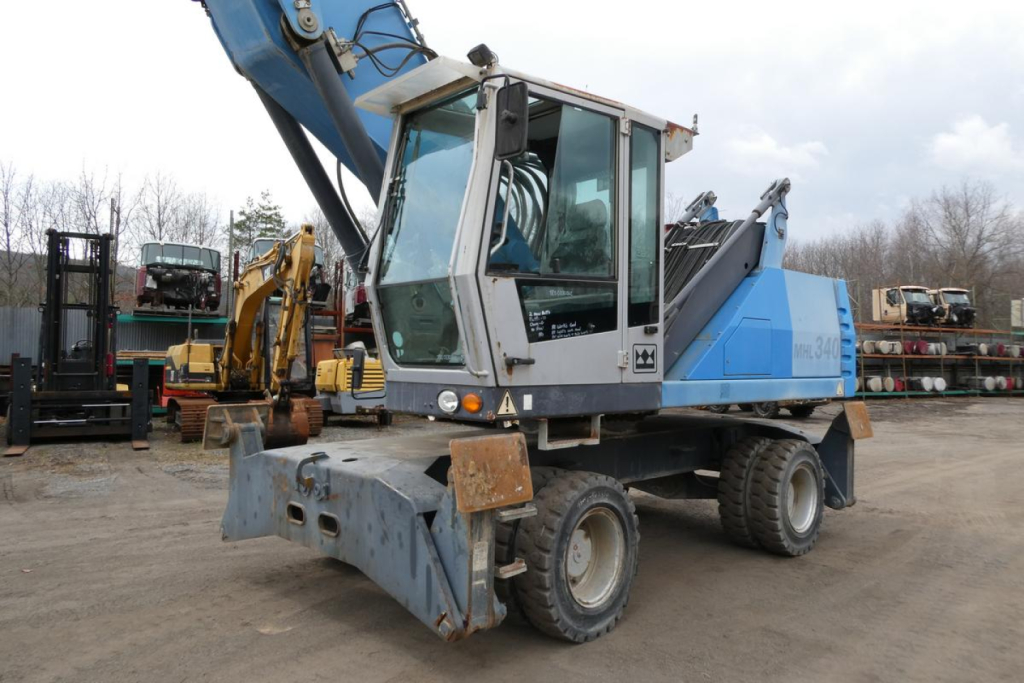
Have terex recycling trucking equipment to sell? List it here to reach thousands of buyers.
About Terex Recycling in New York
Reach and stability are the core buying decisions. A mid-size Terex recycling handler may offer roughly 30 to 45 feet of reach, with operating weights often landing in the 50,000 to 65,000 pound range depending on configuration. Four hydraulic outriggers are a common advantage in scrap applications because they improve footing while picking heavy, irregular loads over the side. Hydraulic adjustable cab height matters too, especially when the operator needs a clear view into high-wall trailers, roll-off boxes, or baler hoppers. Backup cameras, rotators, magnet-generator packages, and grapple combinations are all worth close attention because they directly affect production and attachment flexibility.
Powertrain and service condition matter more on used recycling equipment than cosmetic appearance. Many Terex handlers in this class use Deutz diesel engines and hydrostatic transmissions, a combination that gives smooth low-speed control for sorting and loading work. Buyers should pay attention to hour meter readings, cylinder seepage, boom and stick pin wear, slew bearing condition, outrigger response, and cooling system performance, especially in high-dust scrap environments. Tire size and condition also matter on wheeled handlers because yard travel, curb transitions, and constant maneuvering put real stress on sidewalls, hubs, and steering components. If the machine is set up for a magnet, confirm generator output and electrical function under load.
For New York operations, transport dimensions, jobsite access, and emissions compliance can influence the right choice as much as reach or horsepower. Width, shipping length, and cab height affect hauling permits and site movement, particularly in tighter urban or transfer-station environments. A buyer comparing Terex recycling equipment should also match the machine to the primary attachment and material stream. Scrap metal handling, mixed recycling, waste transfer, and demolition sorting all place different demands on boom geometry, grapple size, lifting stability, and visibility. The right Terex setup is the one that cycles quickly, stays stable with the intended attachment, and can be serviced without turning normal wear items into downtime events.
Frequently Asked Questions
What kind of Terex equipment is most common in recycling applications?
The most common Terex machines in recycling are wheeled material handlers used for scrap, transfer, and sorting work. These are purpose-built machines with elevated cabs, long boom and stick configurations, hydrostatic drive, and support for grapples or magnet systems. They are designed for continuous loading and sorting rather than earthmoving, so visibility, swing performance, and attachment control are usually stronger priorities than travel speed.
What should I check first on a used Terex recycling material handler?
Start with structural and hydraulic condition. Check boom, stick, and grapple linkage for play, inspect all cylinders for leaks or scoring, and evaluate slew bearing movement and swing performance. Then verify outrigger function, cab raise system operation, cooling package cleanliness, tire condition, and generator output if the machine is equipped for a magnet. A recycling handler can still look serviceable while hiding expensive wear in pins, bushings, hydraulic pumps, or the upper structure.
How much reach do Terex recycling handlers usually have?
Many Terex recycling handlers in the market fall into a reach range of about 30 to 45 feet, depending on the model and boom-stick combination. More reach helps with loading trailers, rail cars, and stockpiles, but it also changes lift performance and stability. Buyers should compare the actual reach to the intended work, because a machine feeding a shredder or sorting line may not need the same geometry as one loading out tall scrap trailers.
Why are hydraulic outriggers important on recycling equipment?
Hydraulic outriggers improve stability during side picks and repetitive loading, which is critical in scrap and recycling yards where loads are uneven and attachment weights vary. On a wheeled material handler, outriggers help the machine stay planted while reaching across piles or into containers. That added stability can improve safety, cycle consistency, and usable lifting performance, especially when working with a rotator grapple or magnet attachment.
Are Terex recycling handlers suitable for magnet work?
Yes, many Terex recycling handlers are configured for magnet work if they have the proper generator and electrical setup. A magnet-equipped machine can be effective for ferrous recovery, scrap sorting, and transfer applications. Buyers should confirm generator size, wiring condition, and real-world magnet performance, because a machine may be advertised with a magnet package but still need electrical or hydraulic attention to perform reliably under daily production loads.