
Link Belt Recycling For Sale in New York
Browse Link-Belt recycling equipment for scrap, demolition, and material handling jobs, with specs and features buyers compare most.
Learn more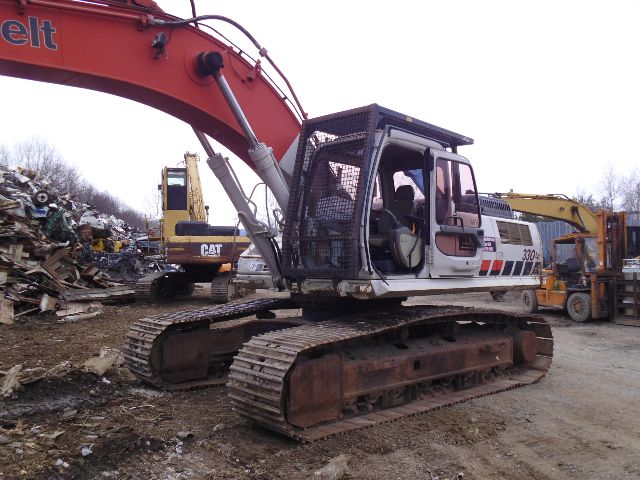
Have link belt recycling trucking equipment to sell? List it here to reach thousands of buyers.
About Link Belt Recycling in New York
For scrap and recycling applications, operating weight, boom and stick length, undercarriage type, and auxiliary hydraulics deserve close attention. Mid-size and large machines are often chosen because they provide the stability needed for heavy attachments and irregular material. A longer front can improve reach into piles, trailers, and processing areas, but it also changes lift capacity and balance. Buyers should confirm pin size, flow requirements, pressure settings, and whether the machine has the plumbing and control package for a shear or grapple already installed. In this segment, an enclosed cab, heat and air, guarding, and good visibility are practical features, not luxuries, especially in all-day yard work.
Condition matters differently on recycling equipment than it does on general construction machines. Scrap and demolition environments are hard on cabs, cylinders, pins, bushings, belly pans, and cooling systems. It is smart to inspect the stick and boom for weld repairs, check swing bearing play, evaluate track and pad wear, and verify that the hydraulic system remains strong under load. If the machine comes with a shear or other processor, buyers should look at jaw wear, blade condition, rotation function, and the overall compatibility between attachment and carrier. Hour meter readings help, but maintenance history, structural condition, and hydraulic response usually tell you more about how the machine will perform in a recycling yard.
In New York, many buyers also weigh transport dimensions, jobsite access, and cold-weather operability. A heavier recycling excavator can be productive in the yard but expensive to move, so width, height, and transport weight should be reviewed early. Link-Belt equipment has long been a familiar name in excavators and material handling applications, and that familiarity can help with technician knowledge and parts sourcing depending on the model. The best unit for this category is the one sized correctly for your attachment, your material stream, and the cycle times your operation needs to hit.
Frequently Asked Questions
What is Link-Belt recycling equipment typically used for?
Link-Belt recycling equipment is typically used for scrap processing, demolition cleanup, waste handling, and material sorting. Most machines in this category are excavator-based units that can be fitted with shears, grapples, magnets, or other hydraulic tools to cut steel, load trailers, separate mixed debris, or feed processing equipment. The right setup depends on the material being handled, the attachment required, and the reach and lifting demands of the job.
What should I check first when buying a used Link-Belt recycling machine?
Start with the hydraulic system, attachment setup, and structural condition. Recycling work puts constant stress on pumps, valves, cylinders, boom and stick weldments, and the swing system. Confirm that auxiliary hydraulics match the attachment's flow and pressure requirements, then inspect for boom or stick repairs, excessive swing bearing movement, undercarriage wear, and signs of overheating or contamination. A machine that runs well at idle still needs to prove it can maintain hydraulic power under real working load.
Are Link-Belt excavators suitable for scrap shears and grapples?
Yes, many Link-Belt excavators are suitable carriers for scrap shears and grapples when they are properly sized and plumbed for the attachment. The key factors are operating weight, stability, auxiliary hydraulic capacity, and the machine's front-end configuration. A heavy attachment like a steel shear needs enough carrier mass and hydraulic performance to stay productive without compromising control or safety. Buyers should verify pin dimensions, coupler compatibility, and any required case drain or rotation circuits before purchase.
How important is machine size in recycling applications?
Machine size is one of the most important decisions in recycling equipment because it affects reach, lift capacity, attachment compatibility, transport cost, and maneuverability. A larger machine can handle heavier tools and tougher material, but it may be harder to move and less efficient in a tight yard. A smaller machine can be more agile and less expensive to transport, but it may struggle with attachment weight or production demands. The best choice is the size class that matches your daily material volume and the tool you plan to keep on the machine.
Does condition matter more than hours on recycling equipment?
In most cases, yes. Hour readings are useful, but recycling and demolition service can age a machine faster than lighter-duty applications. A lower-hour unit that has spent years cutting scrap or working in abrasive debris may show more wear than a higher-hour machine with strong maintenance records. Buyers should prioritize service history, weld integrity, hydraulic strength, undercarriage condition, cab protection, and attachment wear over the hour meter alone.