
Caterpillar Recycling For Sale in New York
Shop Caterpillar recycling equipment for scrap, waste, and material handling jobs, including proven machines built for sorting, loading, and yard work.
Learn more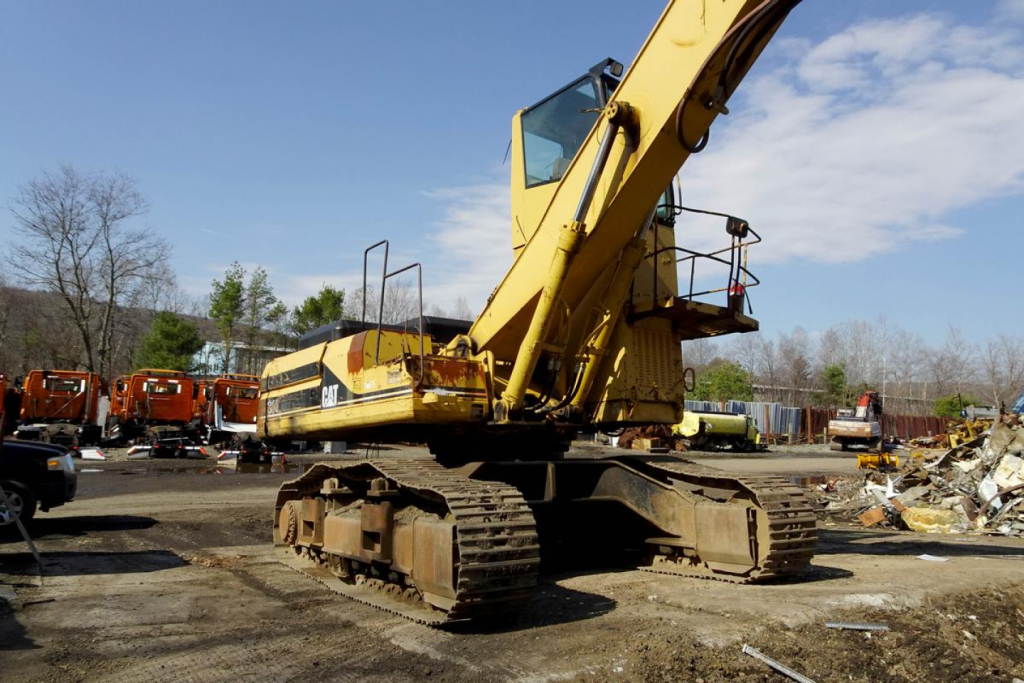
Have caterpillar recycling trucking equipment to sell? List it here to reach thousands of buyers.
About Caterpillar Recycling in New York
For scrap and recycling work, reach and hydraulic capability matter as much as engine power. Many Caterpillar recycling units are configured to give operators better visibility into hoppers, trailers, and stockpiles, often with elevated cabs or material handler fronts. A buyer comparing machines should pay close attention to boom and stick geometry, swing speed, upper structure stability, and auxiliary hydraulic setup. If the machine will run a magnet generator, orange-peel grapple, or shear, the condition of the hydraulic system and any added electrical or generator components becomes a major value factor. In heavier scrap work, guarding, carbody protection, and cooling system condition also deserve close inspection because recycling yards are hard on machines.
New York buyers often need to think beyond the machine itself and focus on transport, site space, and seasonal conditions. A large Caterpillar material handler can offer the reach and lift capacity needed for efficient sorting and trailer loading, but transport width, height, and jobsite access can affect how practical that machine is day to day. Cold-weather starts, undercarriage wear, swing bearing condition, and the integrity of pins and bushings are especially important on older recycling equipment. If the machine will spend most of its time stationary at a scrap pile or transfer station, that may point a buyer toward a different setup than a unit expected to travel around a demolition or mixed-waste site.
The best Caterpillar recycling machine is the one matched to the attachment package and material stream. Light municipal recycling, mixed debris, and transfer work call for a different configuration than ferrous scrap, auto dismantling, or heavy steel handling. Buyers should compare service history, hours, structural repairs, cab condition, emissions tier requirements, and parts support along with core specs. Caterpillar remains a common choice in recycling because the machines are widely understood by operators and technicians, and many units can be adapted for multiple yard roles when the hydraulic and front-end configuration is right.
Frequently Asked Questions
What types of Caterpillar equipment are commonly used in recycling applications?
Caterpillar recycling equipment commonly includes material handlers, excavator-based scrap handlers, and heavy hydraulic machines adapted for sorting, loading, and processing scrap or waste. These units are often equipped for grapples, magnets, shears, or buckets depending on the material stream. In practical use, they are found in scrap yards, transfer stations, C&D recycling operations, and metal recovery facilities where reach, lift capacity, and hydraulic control are more important than road speed.
What should I inspect first on a used Caterpillar recycling machine?
Start with the structure, hydraulics, and attachment support systems. Inspect boom and stick welds, turntable area, swing bearing play, cylinder leaks, auxiliary hydraulics, and any generator or wiring setup for magnets. Then look at pins and bushings, cooling package condition, undercarriage wear, engine performance, and cab visibility. Recycling work is abrasive and high-cycle, so signs of heat, contamination, cracked guarding, or repeated structural repair can tell you more than paint or cosmetic condition.
Is a Caterpillar material handler better than a standard excavator for scrap work?
A Caterpillar material handler is usually the better fit when the job requires long reach, high cab visibility, and repetitive loading or sorting of scrap. Material handlers are designed to work efficiently over piles, rail cars, trailers, and processing lines. A standard excavator can still be effective in lighter recycling or multi-purpose yard work, especially when flexibility matters, but it may not offer the same operator sightlines, front geometry, or productivity in dedicated scrap applications.
Which attachments are most common on Caterpillar recycling equipment?
Common attachments include orange-peel grapples for scrap, plate magnets or magnet systems for ferrous material, sorting grapples for mixed debris, buckets for transfer work, and hydraulic shears for cutting metal. The right attachment depends on the material being handled and the hydraulic flow and pressure available from the machine. Buyers should confirm that the machine's auxiliary circuits, coupler setup, and any generator components are compatible with the intended attachment package.
What matters most when choosing Caterpillar recycling equipment for a New York operation?
For a New York operation, transport dimensions, cold-weather reliability, local service access, and emissions compliance can be just as important as reach and lift capacity. Tight urban sites or transfer stations may favor a more compact machine, while larger scrap yards may benefit from a heavier material handler with more working envelope. Buyers should also consider winter starting performance, parts availability, and how easily the machine can be moved between facilities if the business runs multiple sites.