
Ford Lifts - Aerial For Sale in California
Browse Ford aerial lift trucks for utility, telecom, sign, and tree work. Compare chassis, boom height, reach, GVWR, and PTO setup.
Learn more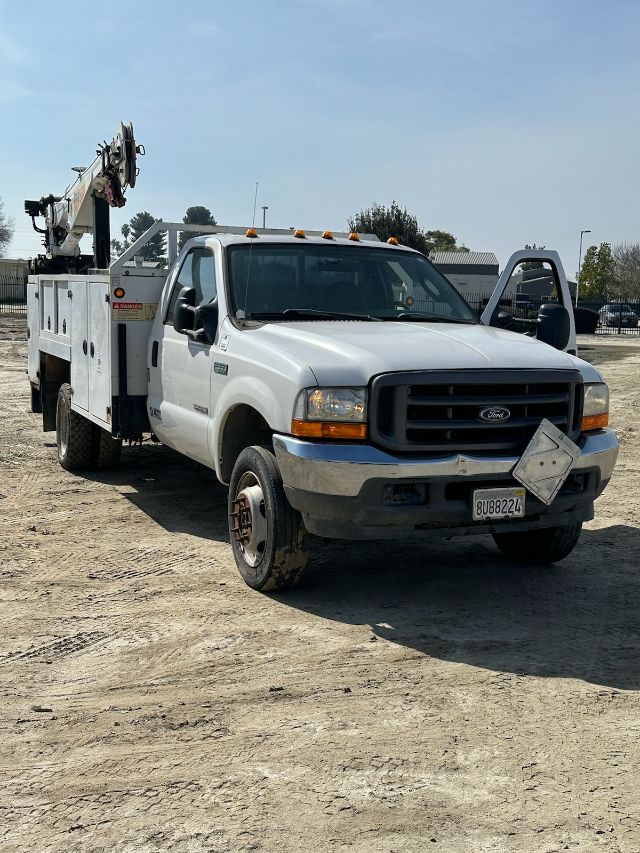
Have ford lifts - aerial trucking equipment to sell? List it here to reach thousands of buyers.
About Ford Lifts - Aerial in California
The lift itself is the critical component. Key specs include platform height, working height, side reach, stowed travel height, boom articulation, platform capacity, and whether the unit is material handling or personnel-only. Many Ford aerial units use insulated or non-insulated booms depending on the work. Utility and telecom applications often require insulation ratings, lower boom articulation for tight street placement, and stable outrigger geometry on uneven shoulders. Sign and lighting work may put more emphasis on compact overall length, easy curbside setup, and maneuverability in parking lots or downtown corridors.
A buyer comparing Ford aerial trucks should inspect the entire hydraulic and structural system, not just the truck cab and engine. Hour meter readings, boom wear, turret condition, hose age, cylinder seepage, control function, basket condition, and outrigger operation are all central to value. Service body details such as compressor mounts, inverter provisions, tool compartments, ladder racks, and reel setups can materially affect field productivity. It is also worth confirming whether the boom was built by a major lift manufacturer and whether dielectric testing, annual inspections, and maintenance records are available, since those items often tell you more than odometer mileage alone.
Ford-based aerial trucks remain popular because parts support for the chassis is straightforward, driver familiarity is high, and the platform adapts well to vocational upfits. The right unit depends on the jobsite footprint, required reach, crew size, and how much onboard storage is needed for tools and materials. Buyers looking at used Ford aerial equipment in California should also verify brake and tire condition, PTO engagement quality, axle ratings, and any signs of frame modification around the body or outrigger mounts, especially on older trucks that may have spent years in stop-and-go utility service.
Frequently Asked Questions
What should I look for first on a used Ford aerial lift truck?
Start with the boom and outriggers before focusing on cosmetic condition. Confirm working height, side reach, basket capacity, insulation rating if required, and smooth control response at both the lower and upper stations. Then inspect hydraulic hoses, cylinders, turret rotation, outrigger pads, body mounts, PTO engagement, and service records. On a Ford chassis, also verify GVWR, axle ratings, wheelbase suitability, and how the upfit affects payload and stability.
Are Ford F-550 aerial lift trucks suitable for utility and telecom work?
Many Ford F-550 aerial lift trucks are well-suited for utility, telecom, lighting, and sign service, provided the boom package matches the application. The chassis is commonly chosen because it offers a strong balance of maneuverability, upfit capacity, and serviceability. For utility or telecom use, buyers should confirm insulation classification, outrigger spread, boom articulation, and any PTO or idle-management setup needed for extended stationary operation.
How important is boom manufacturer support on a Ford aerial truck?
Boom manufacturer support is a major buying factor because long-term parts availability, service documentation, and inspection guidance affect uptime. A solid Ford chassis does not reduce the importance of the lift brand, since the boom assembly, controls, hydraulic components, and structural sections drive most maintenance decisions. Buyers generally place more value on units with recognizable lift manufacturers, clear maintenance history, and documented annual inspections or dielectric testing when applicable.
What California-specific concerns matter when buying an aerial lift truck?
California buyers should verify emissions compliance, registration requirements, and any local operating restrictions that may affect older diesel chassis. It is also smart to check brake condition, cooling performance, and hydraulic reliability if the truck will work in hot inland regions or congested urban routes. If the truck will be used by a contractor or municipality, documented inspections, safety decals, and a clear service history can be just as important as chassis mileage.