
Ford Lifts - Aerial For Sale
Browse Ford aerial lifts and bucket trucks with work-ready chassis, common boom options, and specs suited for utility, telecom, and tree work.
Learn more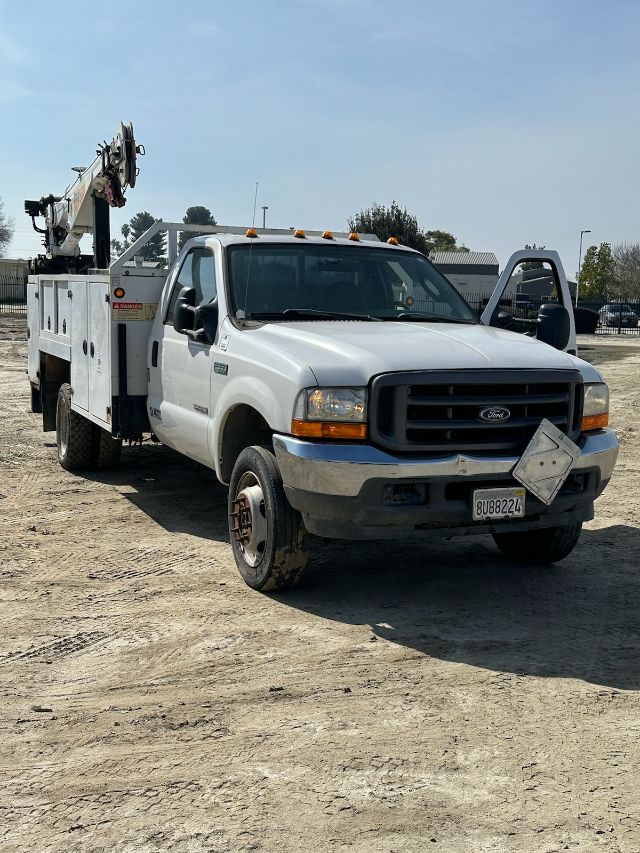
Have ford lifts - aerial trucking equipment to sell? List it here to reach thousands of buyers.
About Ford Lifts - Aerial
A Ford aerial truck can be configured with a non-overcenter or overcenter boom, insulated or non-insulated upper structure, and one-man or two-man bucket arrangements depending on the application. Utility and electric service work often require an insulated boom rated for high-voltage protection, while sign, lighting, and facilities maintenance may prioritize platform capacity and compact overall dimensions over insulation. Common items to inspect include outrigger design, hydraulic system condition, turret wear, PTO operation, bucket controls, lower controls, and any signs of structural repair on the boom or subframe. On used units, maintenance records and dielectric test history can matter as much as the truck mileage.
The Ford chassis itself is a key part of the buying decision. F-550 based aerial trucks are popular because they can handle tighter streets and jobsite access better than larger medium-duty platforms, while still supporting many service-body and small-to-mid height boom packages. Diesel and gas engine availability varies by model year, so buyers should compare idle time, PTO compatibility, service history, axle ratings, and brake condition rather than focusing on odometer readings alone. Service bodies with compartment storage, ladder racks, tow hitches, and scuff-resistant interior shelving are common, and these details affect day-to-day usability more than many first-time buyers expect.
A good Ford aerial lift truck match depends on job radius, road conditions, crew size, and the type of work performed from the bucket. A contractor working in urban corridors may need a shorter wheelbase and quicker setup, while roadside lighting or utility maintenance may call for more boom reach, heavier outriggers, and a higher GVWR chassis. Before buying, confirm working height, horizontal reach, bucket capacity, insulation rating if required, and current ANSI compliance documentation. Those core specifications tell you far more about real jobsite fit than the badge alone.
Frequently Asked Questions
What should I check first when buying a used Ford aerial lift truck?
Start with the boom specifications and safety documentation. Confirm working height, horizontal reach, bucket capacity, insulation rating if applicable, and current ANSI compliance records. After that, inspect the hydraulic system, PTO engagement, outriggers, turret rotation, lower and upper controls, and the condition of the subframe mounting. Aerial trucks can look clean cosmetically while still needing expensive boom or hydraulic work, so functional condition matters more than appearance.
Which Ford chassis are most common for aerial lift applications?
Ford F-450 and F-550 chassis are among the most common for lighter and mid-range bucket truck applications because they offer a practical mix of payload, service access, and maneuverability. Larger jobs may also use Ford F-650 chassis when the boom package, body equipment, or outrigger system requires more GVWR and axle capacity. The right chassis depends on the installed lift, storage needs, and how much payload the truck must carry to the jobsite.
Do all Ford aerial lift trucks have insulated booms?
No. Some Ford bucket trucks are equipped with insulated booms for utility and electrical work, but many are non-insulated units built for sign maintenance, lighting, building service, or tree work. Buyers should verify the boom type directly from the unit specifications and inspection records rather than assuming insulation based on the truck's appearance. If electrical work is involved, dielectric test history and insulation certification are critical.
Is mileage less important than hours on a bucket truck?
In many cases, yes. Aerial lift trucks often spend long periods idling to power the PTO and hydraulic system, so engine hours and PTO usage can be more revealing than mileage alone. A lower-mile truck with heavy idle time may show more wear in certain systems than a higher-mile unit that was driven more and operated less at the worksite. The best evaluation combines mileage, engine hours, service records, hydraulic condition, and overall boom operation.