
Lifts - Aerial For Sale
Browse aerial lifts and bucket trucks for utility, telecom, tree care, and sign work. Compare reach, chassis class, PTO setup, and body design.
Learn moreBrowse Lifts - Aerial Trucking Equipment by Make
Have lifts - aerial trucking equipment to sell? List it here to reach thousands of buyers.
About Lifts - Aerial
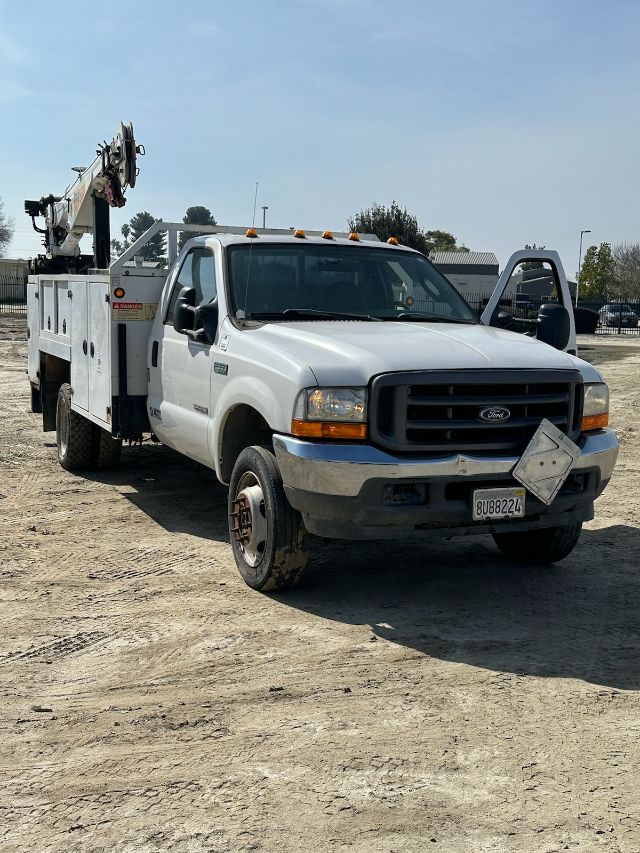
Chassis selection is a big part of buying this equipment class. Lighter aerial trucks are often built on Class 3 through Class 5 chassis such as Ford F-450 and F-550 models, while heavier-duty units may use Class 6 through Class 8 platforms for higher payload, larger bodies, and taller working heights. Buyers should verify GVWR, axle ratings, wheelbase, and body layout because storage compartments, reel racks, ladder racks, and material handling features can change how useful the truck is in daily service. Engine hours on the aerial system, if tracked separately from chassis miles, can tell a more complete story on wear. For many fleets, stability systems, outrigger spread, and the ability to set up in tight urban areas are more important than maximum height alone.
Inspection points should focus on both regulatory compliance and real-world jobsite performance. Dielectric-rated booms may be required for utility and electrical applications, but that rating must be maintained and documented through proper testing and maintenance. Buyers should check for current boom inspection records, ANSI compliance, hydraulic leaks, weld repairs, basket condition, control functionality at the ground and platform, and signs of corrosion on the subframe or turret area. If the truck will be used for frequent stop-and-go service, transmission type, PTO engagement, idle management, and overall maneuverability deserve close attention. In colder regions, rust on outriggers, body mounts, and electrical connections can shorten service life faster than engine wear.
The best aerial lift truck is the one matched to the work envelope and crew requirements, not just the tallest unit on the page. A compact bucket truck may be ideal for municipal or contractor work in alleys and residential streets, while a taller, heavier setup may fit utility line clearance or infrastructure maintenance. Platform style, one-man versus two-man basket configuration, material handling jib options, and storage capacity all affect productivity. A buyer comparing aerial trucks should weigh certified boom condition, service history, and usable reach ahead of cosmetic appearance, because downtime on lift equipment is usually more expensive than routine chassis repairs.
Frequently Asked Questions
What is the difference between an aerial lift truck and a bucket truck?
In trucking and utility service, the terms are often used interchangeably. A bucket truck is a common type of aerial lift truck with a platform mounted at the end of a boom. Aerial lift is the broader category and can include different boom designs, platform layouts, and application-specific bodies for utility, telecom, signage, forestry, and municipal work.
What specs matter most when buying a used aerial lift truck?
The most important specs are working height, horizontal side reach, platform capacity, boom articulation, and chassis GVWR. Buyers should also review outrigger design, storage body configuration, wheelbase, PTO operation, and any separate hour meter for the aerial unit. For utility or electrical work, dielectric rating and inspection documentation are critical because those directly affect legal use and crew safety.
How do I know if an aerial lift truck is suitable for utility or electrical work?
A truck used in utility or electrical service should have the proper boom rating, current dielectric test records if applicable, and documentation showing inspection and maintenance history. It is also important to confirm the basket configuration, insulating components, controls, and body setup match the intended task. Aerial equipment can look similar across industries, but a unit built for sign work may not meet the standards required for energized line work.
Are chassis miles or aerial hours more important on a bucket truck?
Both matter, but they tell different stories. Chassis miles reflect drivetrain and road use, while aerial hours show how much the boom, hydraulics, rotation system, and PTO-driven lift components have been worked. A truck with moderate miles and heavy aerial use may need lift-system attention sooner than the odometer suggests. Buyers should compare both, along with maintenance records, to understand total wear.
What should I inspect first on a used aerial lift?
Start with boom inspection records, ANSI compliance, hydraulic condition, outrigger operation, lower and upper controls, and the physical condition of the basket and turret area. Then inspect the chassis, subframe, rust condition, PTO engagement, and body structure. Structural repairs, hydraulic leaks, and missing certification paperwork usually matter more than paint or interior wear because they can affect safety, compliance, and time to put the truck to work.