
Komatsu Trucking Equipment For Sale
Browse Komatsu trucking equipment including forklifts and loaders. Compare capacities, lift heights, engine types, and operating condition.
Learn moreBrowse Komatsu Trucking Equipment by Category
Have komatsu trucking equipment to sell? List it here to reach thousands of buyers.
About Komatsu Trucking Equipment
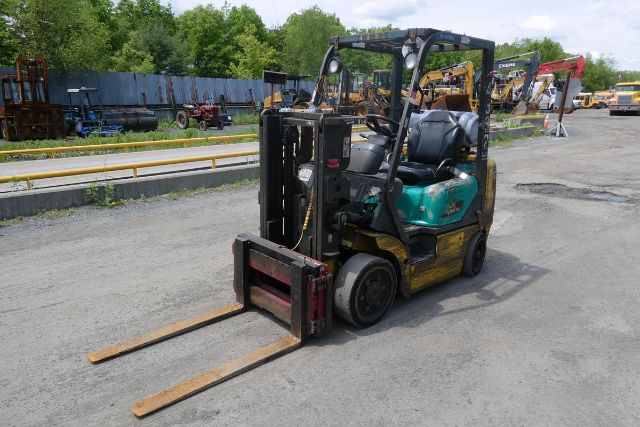
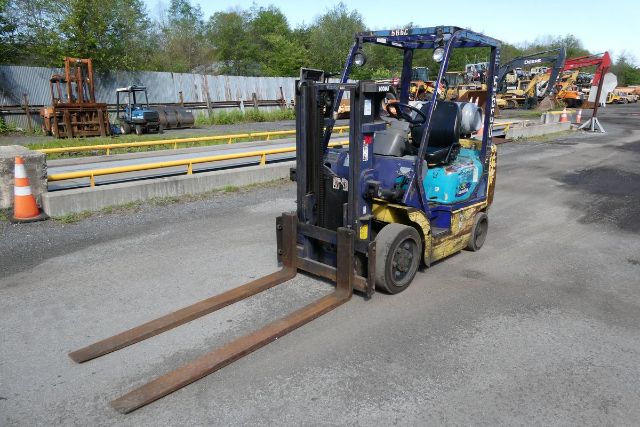
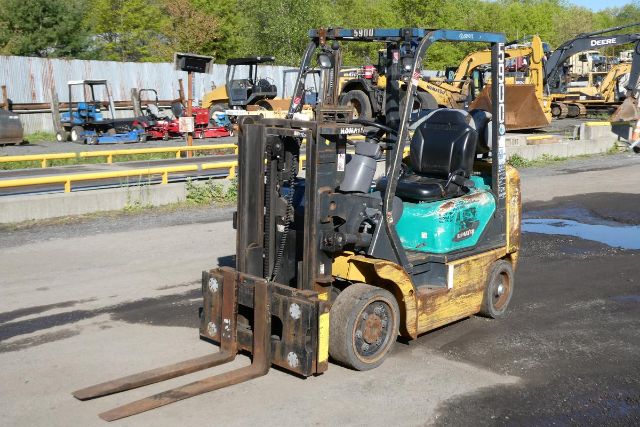
A large share of used Komatsu material handling units on the market are LPG forklifts in the 4,000-pound class, with compact dimensions that fit docks, trailers, and tight indoor-outdoor work zones. Common decision points include mast type, collapsed height, lift height, fork length, back tilt, tire type, and operating weight. A dual-stage mast with an overall height around 6 feet 7 inches can be a practical fit for low-clearance areas while still giving enough lift for trailer loading and pallet handling. Fork length matters more than many buyers expect. Standard pallet work may be fine with shorter forks, but longer forks can help with oversized freight, bundled materials, or unconventional loads. Propane-powered Komatsu forklifts are especially common because they offer quick refueling and cleaner operation than many older diesel units in mixed indoor-outdoor service.
Condition and serviceability should drive the buying decision on used Komatsu equipment. Hour meter readings help, but they do not tell the full story without checking mast wear, chain condition, tilt cylinder leaks, steer axle play, transmission engagement, braking performance, and how the machine starts and idles under load. On forklifts, pay close attention to carriage wear, fork thickness, side shift function if equipped, and whether the mast rails show excessive slack. Open ROPS units can be a cost-effective choice for yard and dock work, while enclosed cabs matter more in cold-weather or all-day outdoor applications. Parts support for many Komatsu models remains a strength, but buyers should still confirm engine family, serial number range, and attachment compatibility before purchase.
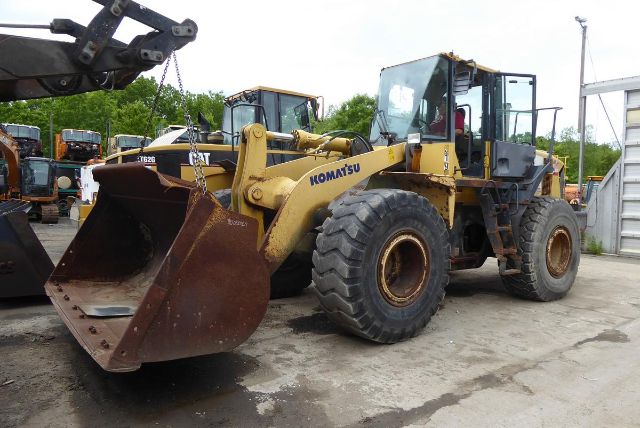
For larger Komatsu trucking equipment such as wheel loaders, the evaluation shifts toward breakout force, bucket size, tire condition, articulation joint wear, hydraulic response, and transmission health. These machines are often used to keep bulk material flowing in support of trucking operations, from loading hoppers and stockpiles to maintaining yards and handling loose commodities. A wheel loader with an enclosed cab and strong hydraulic performance can be a productive support machine, but repair exposure rises quickly if there are drivetrain issues, boom cylinder leakage, or excessive pin and bushing wear. Buyers comparing Komatsu equipment listings should start with application, then narrow by capacity, dimensions, powertrain type, and overall mechanical condition.
Frequently Asked Questions
What types of Komatsu trucking equipment are most common on the used market?
Komatsu forklifts are among the most common units seen in trucking-related equipment listings, especially LPG cushion-tire models used for dock work, warehouse loading, and yard material handling. Komatsu wheel loaders also appear regularly in operations tied to bulk freight, recycling, aggregates, and heavy yard support. The right choice depends on whether the job is palletized freight handling or loose material movement.
What should I check first on a used Komatsu forklift?
Start with rated capacity, mast configuration, collapsed height, and fork length to make sure the machine actually fits the work. After that, inspect chain wear, mast rollers, carriage movement, hydraulic leaks, steer axle play, brake response, and transmission engagement in forward and reverse. Engine type also matters because LPG units are common and practical, but buyers should confirm fuel system condition and tank compatibility.
Is a 4,000-pound Komatsu forklift enough for trucking and dock work?
A 4,000-pound forklift is a common fit for general freight, palletized goods, and trailer loading, especially in warehouse and terminal environments. It is usually a good middle ground for maneuverability and lifting capability. If the operation handles denser loads, long material, uneven pallets, or frequent outdoor work on rough surfaces, buyers may need to step up in capacity or move to a different tire and chassis configuration.
Are Komatsu propane forklifts a good choice for mixed indoor-outdoor use?
Yes, propane Komatsu forklifts are often a strong fit for mixed indoor-outdoor service because they refuel quickly, avoid some of the emissions concerns tied to older diesel units, and perform well in frequent stop-and-go cycles. They are especially common in warehouses, lumber yards, and freight terminals. Buyers should still verify local emissions requirements, ventilation conditions, and the overall health of the fuel and ignition systems.
What matters most when buying a used Komatsu wheel loader?
Transmission condition, hydraulic performance, articulation joint wear, tire condition, and bucket or cutting edge wear are the biggest factors. A wheel loader can look serviceable and still carry expensive drivetrain problems, so shifting quality, power delivery, and hydraulic response should be checked carefully. If the machine will support trucking operations, bucket size, loading reach, and cycle time should also match the material being moved.