
Grove Trucking Equipment For Sale
Browse Grove trucking equipment including industrial cranes and boom lifts. Compare lift capacity, boom reach, drivetrain, and operating condition.
Learn moreBrowse Grove Trucking Equipment by Category
Have grove trucking equipment to sell? List it here to reach thousands of buyers.
About Grove Trucking Equipment
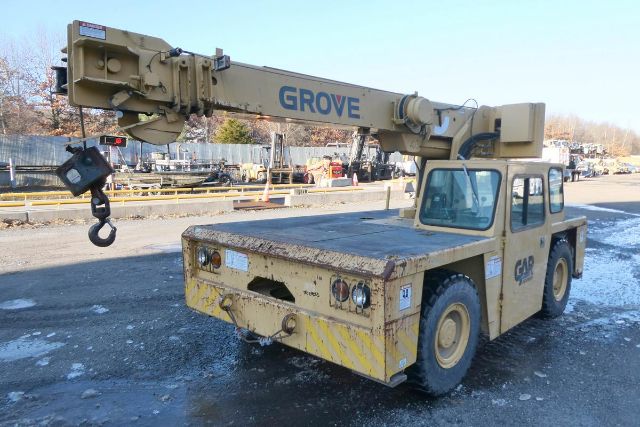
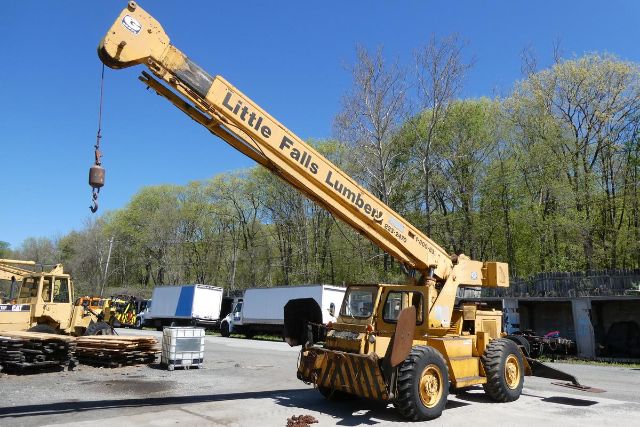
Capacity and reach matter more than model year in this category. Small carry deck and yard cranes may be set up for tight spaces with short overall length, three-way steering, and lower machine weight, while larger rough-terrain or truck-style crane units step up into longer booms, jib extensions, and heavier pick capability. A buyer should look closely at rated lifting capacity at various radiuses, boom section design, swing function, hoist operation, outrigger condition if equipped, and any signs of hydraulic seepage at cylinders, turntables, pumps, or control valves. Tire size, brake type, cab condition, and drivetrain setup also affect how well a machine will perform on gravel lots, paved yards, industrial sites, or mixed terrain.
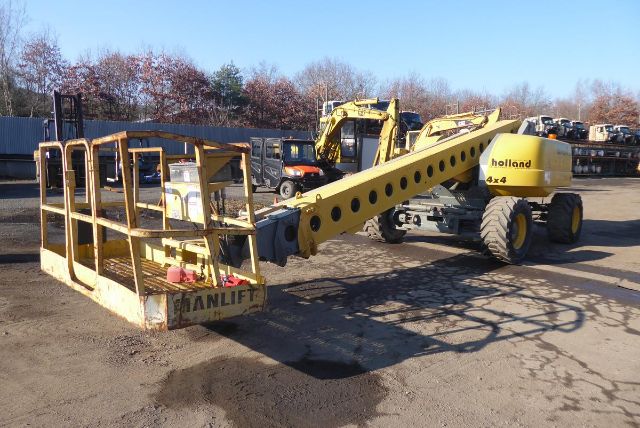
Powertrain and operating systems vary widely across older Grove equipment. It is common to see diesel engines, propane setups, or dual-fuel industrial engines depending on the application the machine was built for. Transmission types can range from simple automatic arrangements to hydrostatic drive systems on boom lifts and other self-propelled units. For buyers, the practical questions are straightforward: does it start easily, build hydraulic pressure correctly, steer and brake as it should, and operate all boom or platform functions smoothly under load. On boom lifts, pay attention to platform height, horizontal reach, basket dimensions, occupant rating, and whether four-wheel drive or all-wheel drive is needed for the jobsites where the machine will work.
Grove equipment can be a strong fit for operations that need lifting capability without stepping into the cost of newer specialized machines. A well-kept older Grove crane or lift can still serve fabrication shops, precast yards, utility contractors, equipment movers, and maintenance crews if inspection points check out. Service records, hour meter readings, structural condition, weld integrity, wire rope condition, and the presence of load charts or spec plates are especially important on this equipment class. Buyers should confirm transport dimensions, axle and tire condition, and local compliance requirements before purchase, particularly on older cranes that may need brake, lighting, or safety updates before going to work.
Frequently Asked Questions
What should I inspect first on used Grove trucking equipment?
Start with the structural and hydraulic basics. On Grove cranes and lifts, inspect the boom sections, turntable area, pins and bushings, cylinder rods, hoses, and any visible weld repairs. Then verify that steering, braking, drive functions, swing, hoist, and boom functions operate smoothly and consistently. On older units, small leaks and cosmetic wear are common, but major seepage, cracked structure, missing load charts, or non-working brakes can change the machine from usable equipment into a repair project.
Are older Grove cranes and boom lifts still practical to own?
Yes, if the machine matches the application and parts support is understood upfront. Many older Grove units were built with durable mechanical and hydraulic systems that remain serviceable through specialty parts sources, salvage channels, and hydraulic repair shops. They are often most practical for yard work, plant maintenance, steel handling, and lower annual hour applications where a buyer values lifting capability and lower acquisition cost more than modern electronics or fleet standardization.
How do I choose between a Grove crane and a Grove boom lift?
The job decides it. A Grove crane is designed to lift and place suspended loads using a boom, hoist, and hook block, making it suitable for material handling, machinery moving, and construction support. A Grove boom lift is built to raise personnel in a platform to working height, which is better for maintenance, installation, and elevated access tasks. Buyers should not treat the two as interchangeable because capacity ratings, safety requirements, and intended use are completely different.
What specs matter most when comparing Grove equipment listings?
Focus on rated capacity, maximum boom or platform height, horizontal reach, machine weight, overall transport dimensions, steering mode, drivetrain type, and hours. On cranes, also review jib length, boom sections, hoist condition, and the availability of load charts. On boom lifts, platform size, occupant rating, drive configuration, and function speed matter. These specifications affect not only what the equipment can do, but also how easily it can be transported, positioned, and used on the kinds of surfaces your crew works on.
Is hydraulic condition more important than engine hours on Grove equipment?
In many cases, yes. Hour meter readings help estimate usage, but on older lifting equipment the condition of the hydraulic system often tells you more about future reliability. A machine with moderate hours but weak hydraulics, leaking cylinders, or erratic control response can become expensive quickly. A higher-hour unit with clean function operation, dry cylinder seals, steady pressure, and documented maintenance may be the better buy.