
Grove Lifts - Boom For Sale
Shop Grove boom lifts for sale. Compare platform height, reach, AWD, capacity, and jobsite-ready specs for access equipment buyers.
Learn more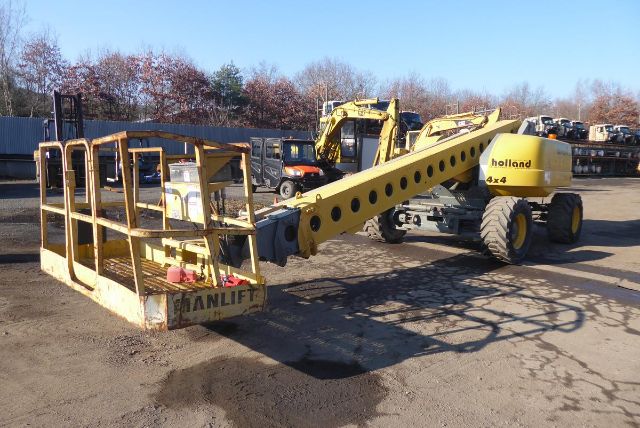
Have grove lifts - boom trucking equipment to sell? List it here to reach thousands of buyers.
About Grove Lifts - Boom
One of the first decisions is boom type and reach profile. Telescopic boom lifts, often called straight boom lifts, are preferred when you need maximum horizontal reach and a direct path up and out. Key specs to compare are platform height, working height, minimum and maximum horizontal reach, basket size, and rated platform capacity. Many buyers also look closely at how the machine carries its weight, especially on rougher sites. Features such as all-wheel drive, hydrostatic drive, oscillating axle design, and tire size all affect traction and maneuverability. Transport width, stowed height, and machine weight also matter if the lift will move regularly between jobs or operate in tighter industrial yards.
Powertrain and hydraulic condition are especially important on used Grove boom lifts. Diesel-powered units are common, including compact industrial engines that prioritize torque, serviceability, and long run time over road speed. Buyers should pay attention to engine model, hours, cold-start behavior, hydraulic responsiveness, turntable rotation, boom extension function, steering mode operation, and any visible cylinder or hose leakage. Platform controls, emergency lowering systems, tilt alarms, and safety interlocks should all be verified. On older machines, tire condition, basket integrity, pins and bushings, and wear in the boom sections can tell you a lot about how the lift was used and maintained.
For buyers comparing Grove lifts in the boom category, the real value is in matching the machine to the work envelope. A 60-foot class boom lift may be right for exterior building access and utility-related tasks, while a more compact unit can make more sense for plant maintenance or congested commercial jobsites. Ground conditions, required outreach, two-person platform needs, and transport logistics should drive the decision. Grove has long been associated with lifting equipment, and that matters when buyers want familiar controls, proven hydraulic systems, and parts and service support that align with established jobsite equipment standards.
Frequently Asked Questions
What should I look at first when buying a used Grove boom lift?
Start with platform height, horizontal reach, rated basket capacity, and drive configuration because those specs determine whether the machine fits the job. After that, focus on operating condition. Check engine hours, hydraulic performance, boom extension and retraction, turntable rotation, steering response, tire condition, and platform control function. A used boom lift can look acceptable cosmetically and still have expensive wear in cylinders, hoses, pins, bushings, or boom sections, so function matters more than paint.
What is the difference between platform height and working height on a boom lift?
Platform height is the maximum height of the basket floor, while working height is the approximate reach of an operator standing in the platform. In most equipment listings, working height is estimated by adding about 6 feet to platform height. Buyers should confirm which measurement is being used in the listing so they do not overestimate the machine’s usable reach on the jobsite.
Are Grove boom lifts suitable for rough terrain jobsites?
Many Grove boom lifts are well suited for rough terrain work, especially units equipped with all-wheel drive, industrial tires, and chassis designed for uneven ground. Suitability depends on grade, soil conditions, machine weight, and tire setup. A rough terrain boom lift still needs proper site conditions and safe operating procedures, but AWD and strong hydraulic drive systems can make a major difference on construction sites, utility work areas, and undeveloped access routes.
How important is basket capacity on a boom lift?
Basket capacity is critical because it determines how many occupants, tools, and materials can be lifted safely. A common rating may allow one or two occupants with limited tools, but that does not mean the platform should be treated like a material carrier. Buyers should compare the rated capacity to their actual work practices, including tool weight, replacement parts, and safety gear, and confirm that the expected load stays within the manufacturer’s limits at all times.
Do transport dimensions matter when comparing boom lifts for sale?
Yes. Overall length, width, stowed height, and machine weight affect trailer selection, permitting, jobsite access, storage, and loading logistics. A boom lift with the right reach can still be a poor fit if it is too wide for plant aisles, too tall for enclosed transport, or too heavy for the trailer and towing setup. Transport dimensions should be reviewed early, especially for contractors moving equipment frequently between multiple jobs.