
Ford Trucking Equipment For Sale
Browse Ford trucking equipment, including medium-duty and vocational work trucks known for serviceability, upfit flexibility, and broad parts support.
Learn moreBrowse Ford Trucking Equipment by Category
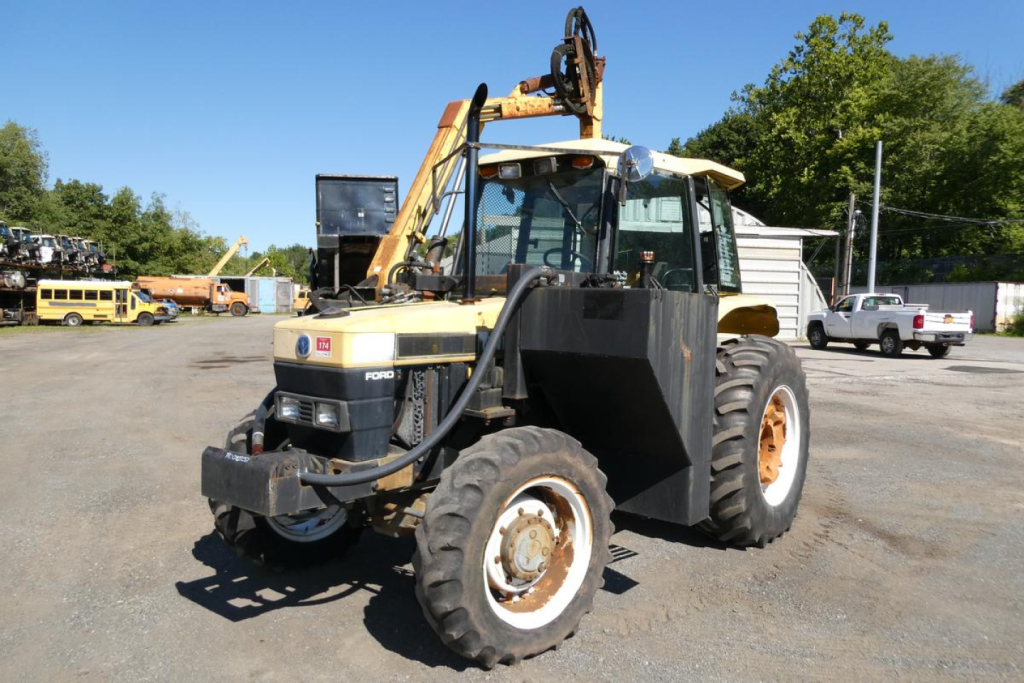
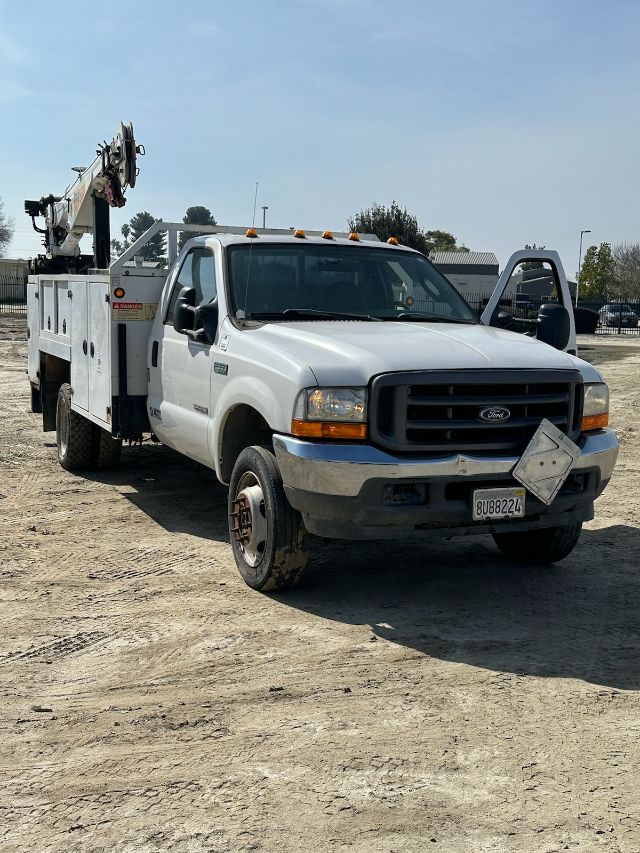
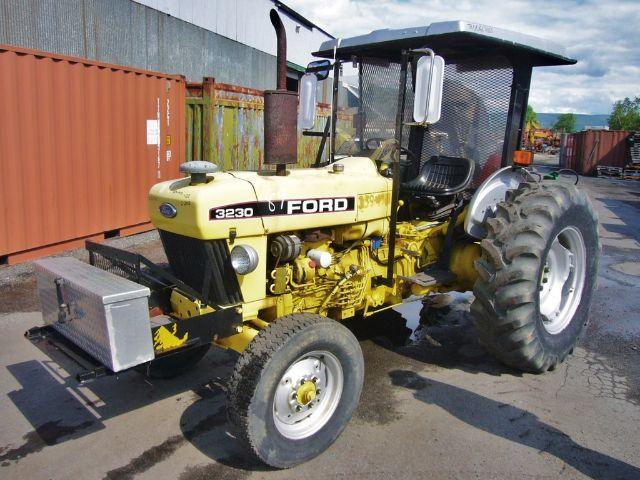
Have ford trucking equipment to sell? List it here to reach thousands of buyers.
About Ford Trucking Equipment
On used Ford trucking equipment, powertrain and upfit compatibility matter as much as model year. Buyers typically compare diesel versus gas engines based on duty cycle, maintenance budget, idle time, and regional emissions requirements. Transmission type, PTO provision, rear axle ratio, wheelbase, and suspension setup all affect how the truck performs once equipped with a crane, compressor, bucket, rollback, or contractor body. Ford chassis are common in municipal, utility, landscaping, construction, and field service fleets because parts availability is generally strong and many technicians are already familiar with the platform.
Condition should be evaluated beyond the cab and drivetrain. On vocational Ford trucks, inspect the frame for corrosion, cracks, previous modifications, and signs of overloading around spring hangers, hoist mounts, and body attachment points. If the truck has an upfit, confirm that the hydraulic system, PTO engagement, electrical integration, outriggers, boom controls, tool compartments, and safety interlocks work as intended. Mileage and engine hours should be weighed together, especially on trucks that spend long periods idling to run auxiliary equipment. A clean title matters, but service records, brake life, tire date codes, steering play, and evidence of proper body installation often tell more about long-term value.
Ford commercial trucks remain popular because they are straightforward to spec, easy to repurpose, and available in many body styles. For buyers comparing listings, it helps to match the truck to the actual job instead of shopping by badge alone. A service body truck has very different priorities than an aerial unit or a dump truck, even if both start with a Ford chassis. The right choice comes down to payload target, body length, CDL requirements, towing needs, engine preference, and how easily the truck can be serviced in your operating area.
Frequently Asked Questions
What types of trucking equipment are commonly built on Ford chassis?
Ford chassis are widely used for service trucks, utility bodies, flatbeds, dump trucks, mechanics trucks, tow trucks, stake beds, box trucks, and aerial lift units. Models such as the F-450 and F-550 are common in contractor and municipal fleets, while the F-650 and F-750 are often chosen for heavier commercial applications. The body and axle configuration usually matter more than the badge alone because they determine payload, towing capacity, and jobsite suitability.
What should I check first on used Ford trucking equipment?
Start with the chassis rating, wheelbase, cab-to-axle measurement, and axle capacities to make sure the truck fits the intended application. Then inspect frame condition, engine and transmission operation, brake wear, steering components, suspension, and tire age. If the truck has a vocational body or hydraulic equipment, verify PTO function, hydraulic performance, wiring quality, and any safety systems tied to the upfit. Service history and engine hours are especially important on trucks that idle extensively.
Are Ford medium-duty trucks good for vocational upfits?
Ford medium-duty trucks are a common choice for vocational upfits because they offer flexible frame layouts, multiple wheelbase options, and broad familiarity among body installers and service shops. They are often used for utility, towing, crane, and contractor applications where body integration and service access matter. The best fit depends on matching GVWR, rear axle ratio, suspension, and PTO capability to the equipment being installed.
How do I choose between a Ford F-550 and a heavier Ford medium-duty truck?
An F-550 is often suitable for lighter vocational work, tighter jobsite access, and applications where maneuverability matters. A heavier Ford medium-duty truck such as an F-650 or F-750 may be the better choice when the body is larger, the payload is higher, or the truck will spend more time in severe-duty service. Buyers should compare gross vehicle weight rating, front and rear axle ratings, frame strength, brake capacity, and the total weight of the installed equipment before deciding.
Does mileage matter more than engine hours on Ford work trucks?
Both matter, but engine hours can be just as important as mileage on vocational trucks. A Ford work truck that has spent years powering hydraulic tools, idling at jobsites, or running auxiliary equipment may show moderate mileage but still have significant engine wear. The best evaluation looks at mileage, hours, maintenance records, idle history, and the condition of the drivetrain and upfit systems together.