
Case Trucking Equipment For Sale
Browse Case trucking equipment including loaders, backhoes, and tractors. Compare horsepower, hydraulics, operating weight, and attachment options.
Learn moreBrowse Case Trucking Equipment by Category

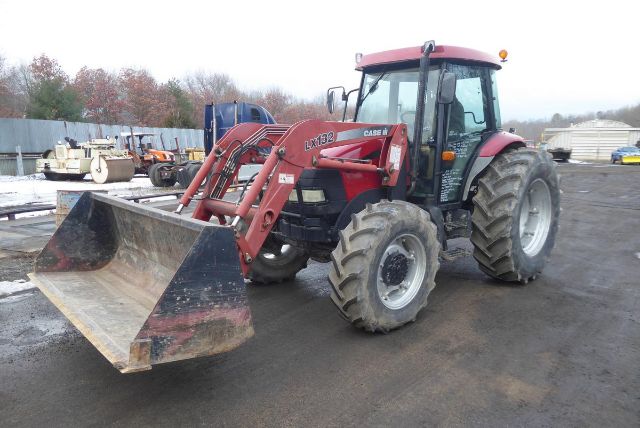
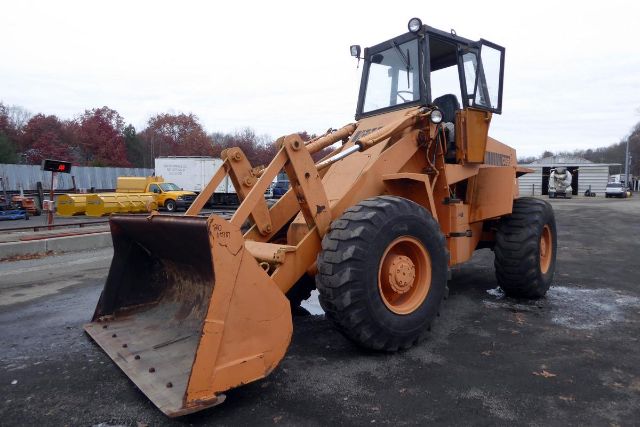
Have case trucking equipment to sell? List it here to reach thousands of buyers.
About Case Trucking Equipment
For loader and backhoe buyers, the biggest used-equipment decisions are engine condition, transmission type, hydraulic response, and pin-and-bushing wear. Older Case machines often use simple mechanical diesel engines that are valued for straightforward serviceability, while later models may offer better operator comfort, improved hydraulics, and more refined controls. Wheel loaders are often judged by bucket size, breakout force, articulation condition, tire size, and brake performance. Backhoes are typically compared by dig depth, loader bucket setup, extendahoe availability, stabilizer condition, and how tight the boom, dipper, and swing components feel in operation. On tractors, key checkpoints include PTO function, 3-point hitch operation, front axle condition on MFWD or 4WD units, and compatibility with loaders or rear hydraulic implements.
Specs vary widely across the Case lineup, but buyers should expect to review horsepower, operating weight, tire or ROPS/cab configuration, transmission gearing, auxiliary hydraulics, and attachment interface. In practical terms, an older wheel loader may be chosen for bulk material movement and yard loading, while a utility tractor with a loader is often a better fit for lighter property maintenance, snow handling, and general support work. Enclosed cabs, heat and air conditioning, quick-attach buckets, auxiliary remote hydraulics, and mechanical versus powershift transmissions all affect day-to-day usability and long-term operating cost. Machines that have been used around aggregate, demolition, or heavy excavation deserve extra attention around center pins, boom cylinder seepage, frame integrity, and underside corrosion.
A good Case equipment purchase usually comes down to matching condition and configuration to the intended workload. High-hour machines can still be productive if the drivetrain is sound, the hydraulics are strong, and wear points have been maintained, but deferred repairs on cylinders, brakes, steering, or articulation joints can quickly change the value equation. Service access, parts support, and the availability of common attachments also matter, especially for fleets that need a machine working with minimal downtime. For buyers sorting through multiple listings, the most useful comparisons are not just year and price, but actual operating condition, attachment package, cab features, tire life, and evidence of maintenance on the systems that do the real work.
Frequently Asked Questions
What types of equipment are commonly found in the Case trucking equipment category?
This category often includes Case wheel loaders, backhoes, agricultural or utility tractors, and other support machines used alongside trucking operations. These machines are commonly used for loading material, site maintenance, trenching, snow removal, property upkeep, and general yard work. The exact machine type matters because a wheel loader, backhoe, and farm tractor may all serve different roles even if they appear in the same broad equipment category.
What should I inspect first on a used Case wheel loader or backhoe?
Start with the engine, transmission, hydraulics, and structural wear points. On a wheel loader, pay close attention to articulation, center pin wear, brake performance, bucket condition, and tire life. On a backhoe, inspect boom and dipper play, stabilizers, swing function, loader arm condition, and any hydraulic cylinder leaks. Excessive looseness in pins and bushings, weak hydraulic response, or visible frame damage usually matters more than cosmetic appearance.
Are older Case machines still a practical buy for fleet or farm use?
Older Case equipment can still be a practical purchase if the machine matches the job and has been maintained properly. Many older units use mechanical diesel engines and simpler driveline systems that are easier to diagnose and repair than more complex late-model machines. The key is to evaluate actual operating condition, parts availability, and the cost of any needed repairs. A lower purchase price can be offset quickly if the machine needs major hydraulic, brake, or transmission work.
How do I choose between a Case tractor with loader and a Case wheel loader?
The decision usually comes down to duty cycle, lift demands, and the type of terrain or attachments involved. A tractor with loader is generally better for mixed-use property work, light material handling, mowing support, and implement use through the PTO or 3-point hitch. A wheel loader is the better fit for repetitive loading, stockpile work, aggregate handling, and applications where bucket capacity, durability, and loader geometry matter more than implement versatility.
Which specs matter most when comparing used Case equipment listings?
The most important specs depend on machine type, but buyers usually focus on horsepower, operating weight, drivetrain layout, transmission type, hydraulic setup, cab or open-station configuration, and attachment compatibility. For loaders and backhoes, bucket dimensions, lift capability, and wear in working joints are critical. For tractors, PTO operation, rear remotes, tire size, and front axle condition can be just as important as engine power. Hours are useful, but they should always be considered alongside maintenance history and visible wear.