
New Van Trailers For Sale
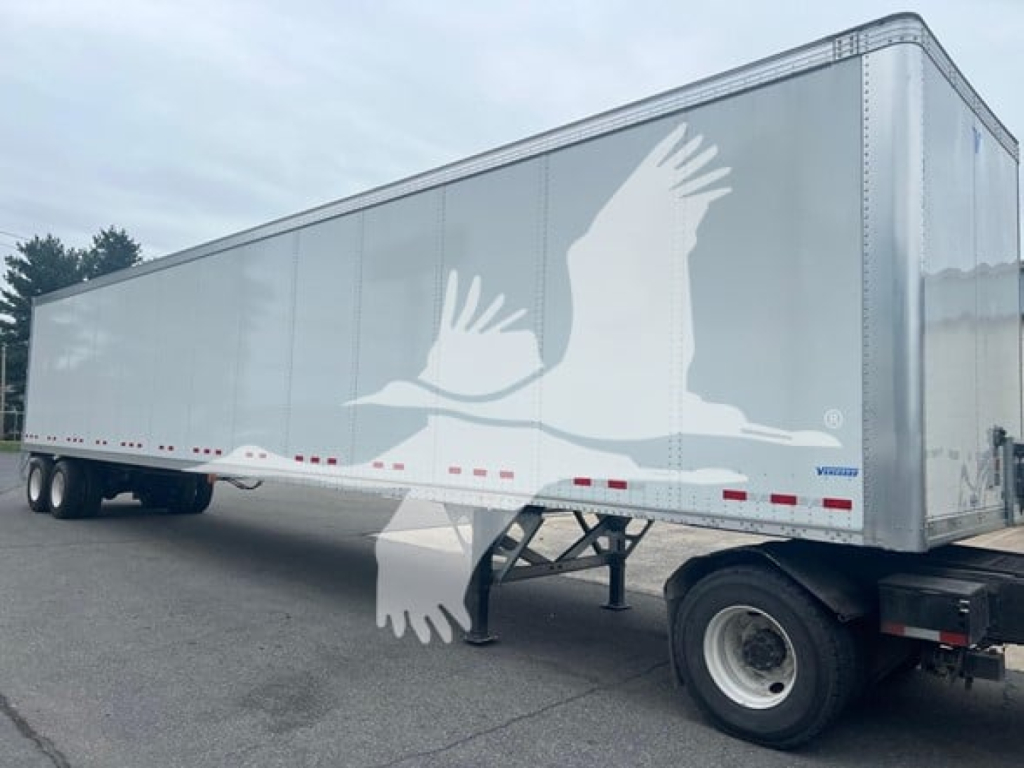
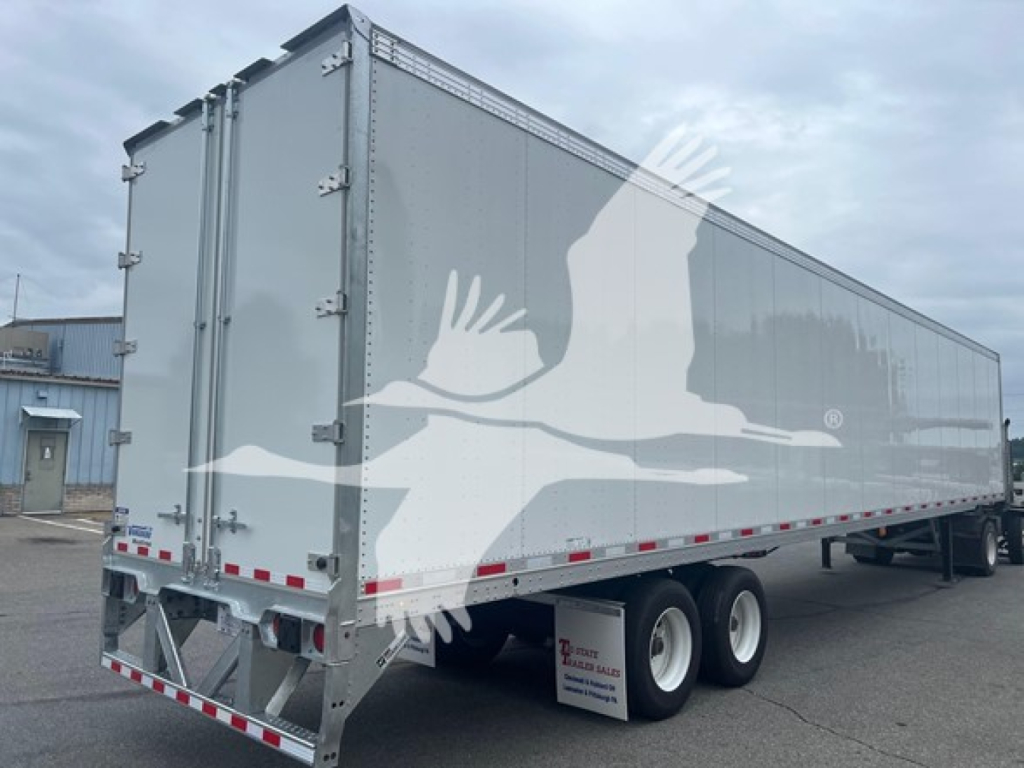
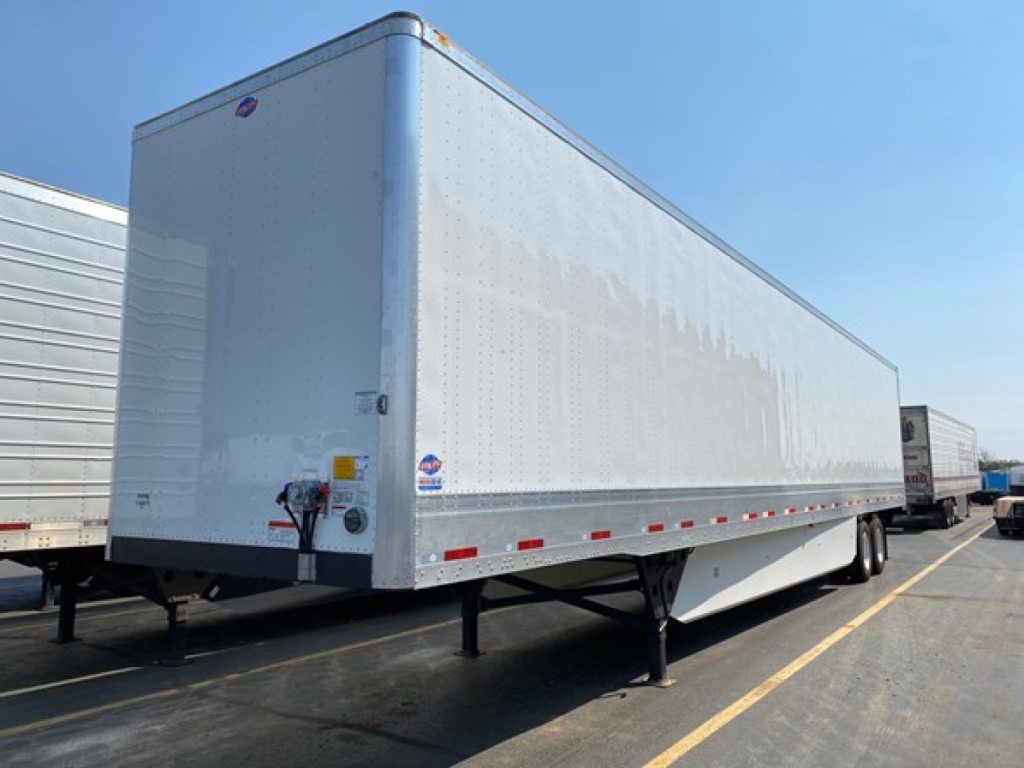
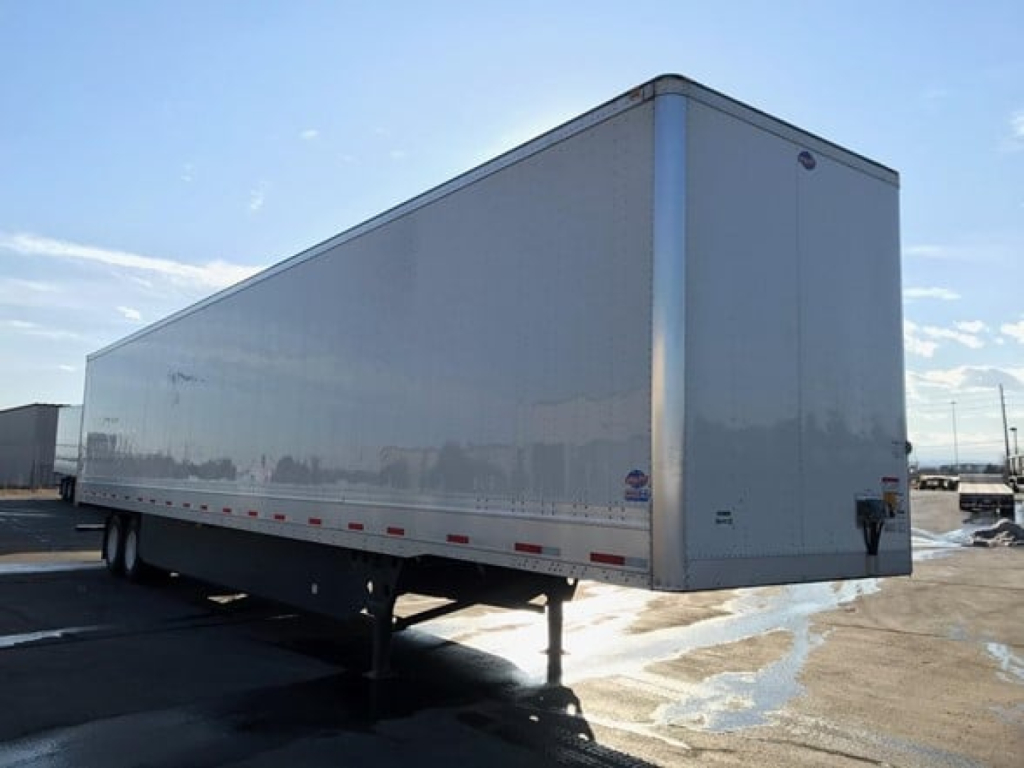
Shop new dry van trailers with 53-foot lengths, air ride suspensions, swing doors, logistics posts, and fleet-ready specs.
Learn moreBrowse Van Trailers by Make

Showing 109 to 120 of 129 results
Have new van trailer to sell? List it here to reach thousands of buyers.
About New Van Trailers
Spec details make a real difference in long-term cost. Air ride suspension is common on new van trailers because it protects freight better than spring ride and tends to be preferred in fleet service. Buyers should pay close attention to wall construction, floor design, and rear frame durability. Plate or composite sidewalls, steel scuff liners, and logistics posts are common on current trailers built for distribution work. A wood floor with multiple screws per board remains a proven spec for forklift traffic, especially when paired with a heavy-duty threshold plate and reinforced rear structure for repeated dock impact. Roof construction is typically aluminum to keep weight reasonable while maintaining corrosion resistance.
Loading style and freight profile should drive the door and interior decision. Swing rear doors are still the most common configuration on dry vans because they seal well and hold up in dock use. Inside height, door opening height, post spacing, and scuff configuration all affect how efficiently a trailer handles high-cube freight and repeated forklift entry. Logistics posts on 24-inch or 48-inch centers support load securement options, while side scuff and nose lining help protect the trailer body from pallet and fork damage. For fleets concerned with uptime, options like tire inflation systems, anti-dock-walk features, galvanized rear frames, dock bumpers, and LED lighting packages can reduce service events and improve trailer life.
When comparing new van trailers for sale, focus on empty weight, durability at the rear sill and threshold, suspension brand, tandem slider range, tire size, and wheel mix. Aluminum outside wheels are often chosen for appearance and weight savings, while steel inner wheels help control cost. Tire sizes such as 295/75R22.5 and low-pro 22.5-inch setups are both common depending on fleet preference. The best trailer spec is the one that matches your freight density, loading pattern, maintenance program, and trade cycle. A van trailer built for high-frequency dock work needs different reinforcement and lining than one dedicated to lighter long-haul freight.
Frequently Asked Questions
What is the most common specification for a new dry van trailer?
The most common new dry van trailer spec is a 53-foot by 102-inch tandem axle trailer with a sliding suspension, air ride, swing rear doors, aluminum roof, wood floor, and logistics posts. That configuration fits the widest range of general freight applications and gives carriers flexibility on axle positioning, loading, and dock compatibility.
Should I choose air ride or spring ride on a new van trailer?
Air ride is the preferred choice for most new van trailer buyers because it provides better ride quality, improves freight protection, and is widely accepted in fleet operations. Spring ride may reduce upfront cost, but air ride usually offers better long-term value for general freight, retail freight, and any operation handling damage-sensitive loads.
Why do logistics posts and scuff liners matter in a van trailer?
Logistics posts and scuff liners directly affect cargo securement and trailer durability. Posts provide multiple tie-off and load bar positions, while scuff liners protect the lower interior walls from forklift and pallet contact. Trailers used in LTL, retail distribution, and frequent dock loading benefit from tighter post spacing and durable steel scuff protection.
What floor and threshold specs should I look for in a new van trailer?
A wood floor with a strong fastener pattern is still the industry standard for forklift service because it balances durability, repairability, and cost. Buyers should also look at threshold plate thickness and rear sill reinforcement since the rear entry area takes the most concentrated abuse. Heavier-duty floor and threshold specs are especially important for high-cycle dock operations.
Is a tire inflation system worth it on a new van trailer?
A trailer tire inflation system can be a strong value add for fleets focused on uptime, tire life, and roadside cost control. Systems such as automatic inflate and pressure management setups help maintain proper tire pressure, which can reduce irregular wear, improve fuel efficiency, and lower the chance of service interruptions caused by underinflated trailer tires.