
New Vacuum Trailers For Sale
New vacuum trailers for oilfield and industrial liquid hauling. Compare barrel capacity, tank material, pump setup, suspension, and code rating.
Learn moreBrowse Vacuum Trailers by Make
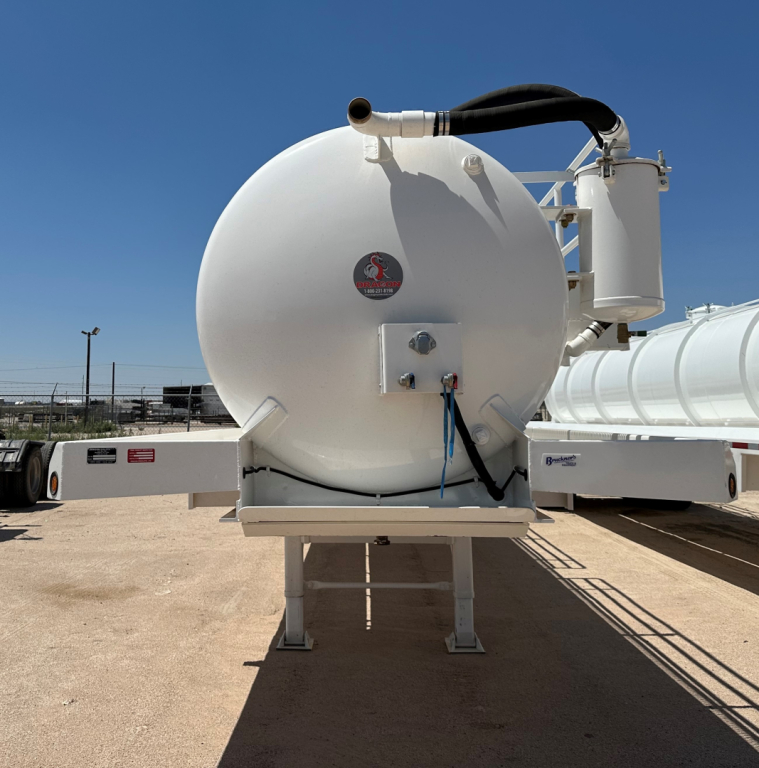
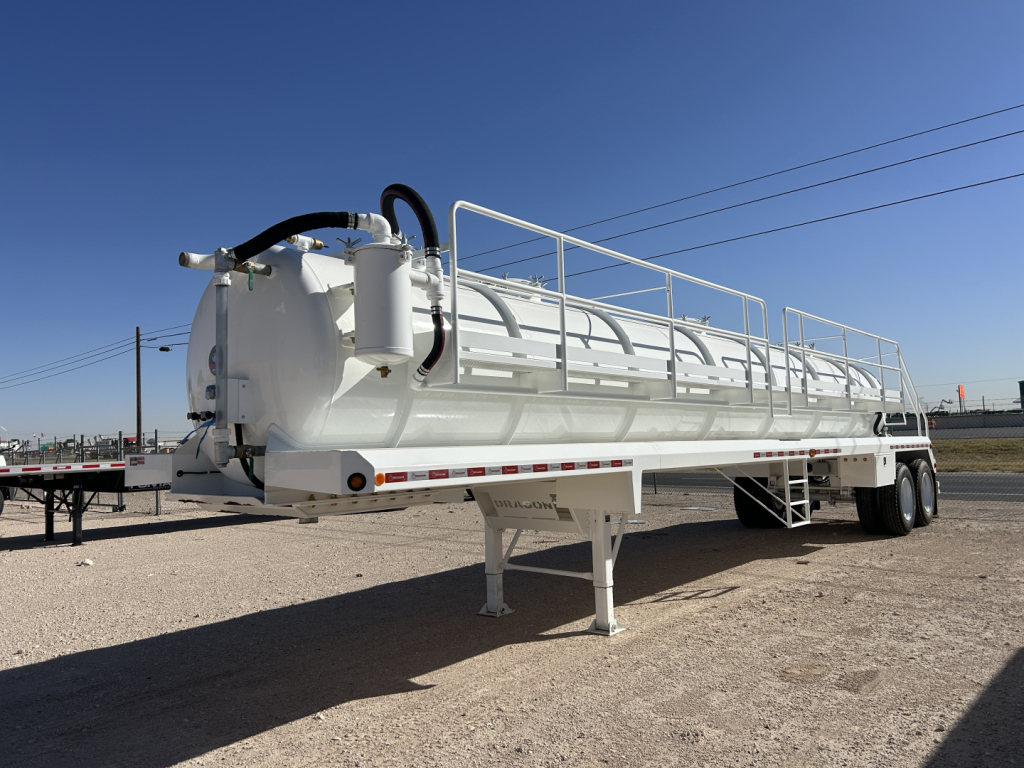
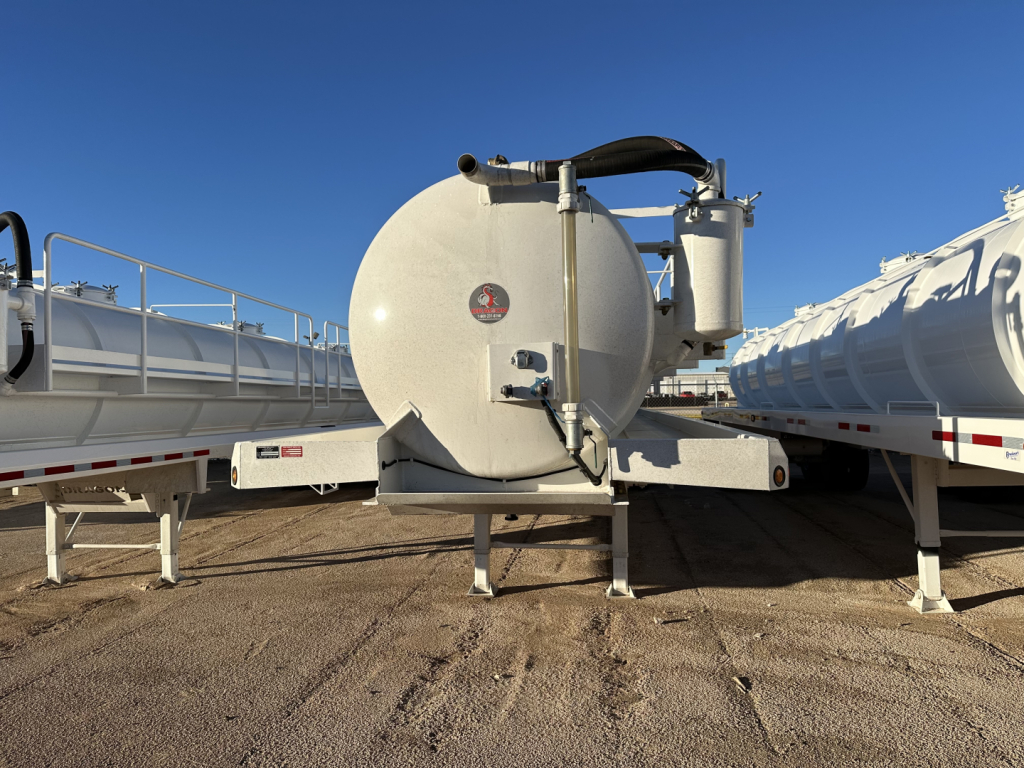
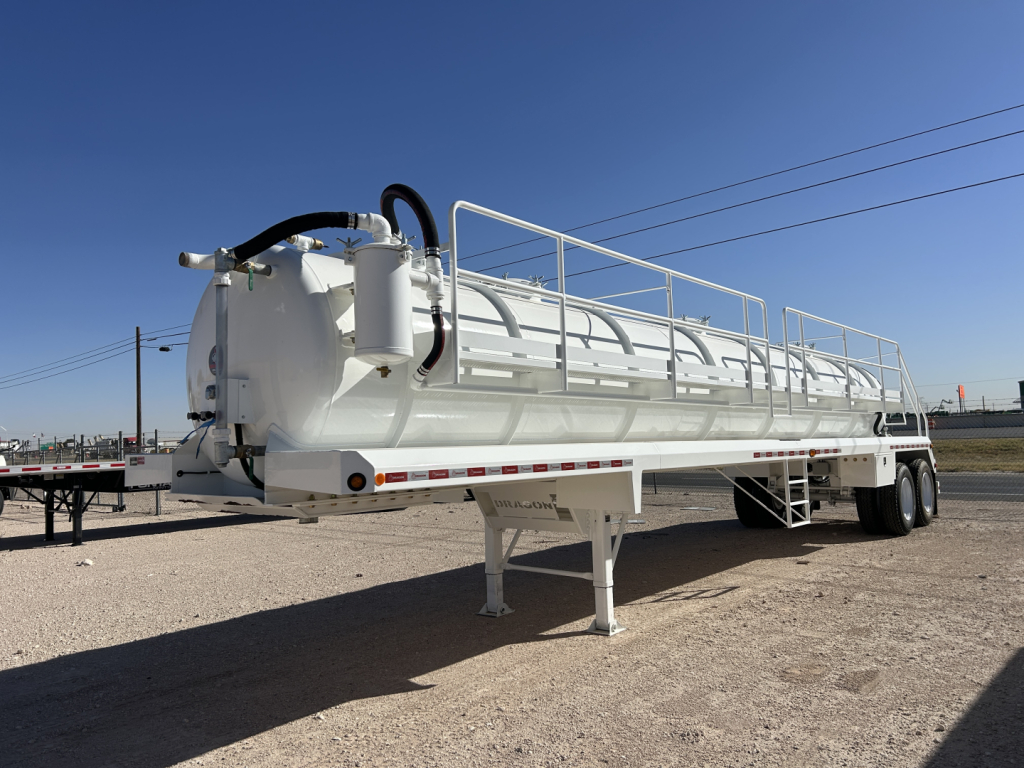
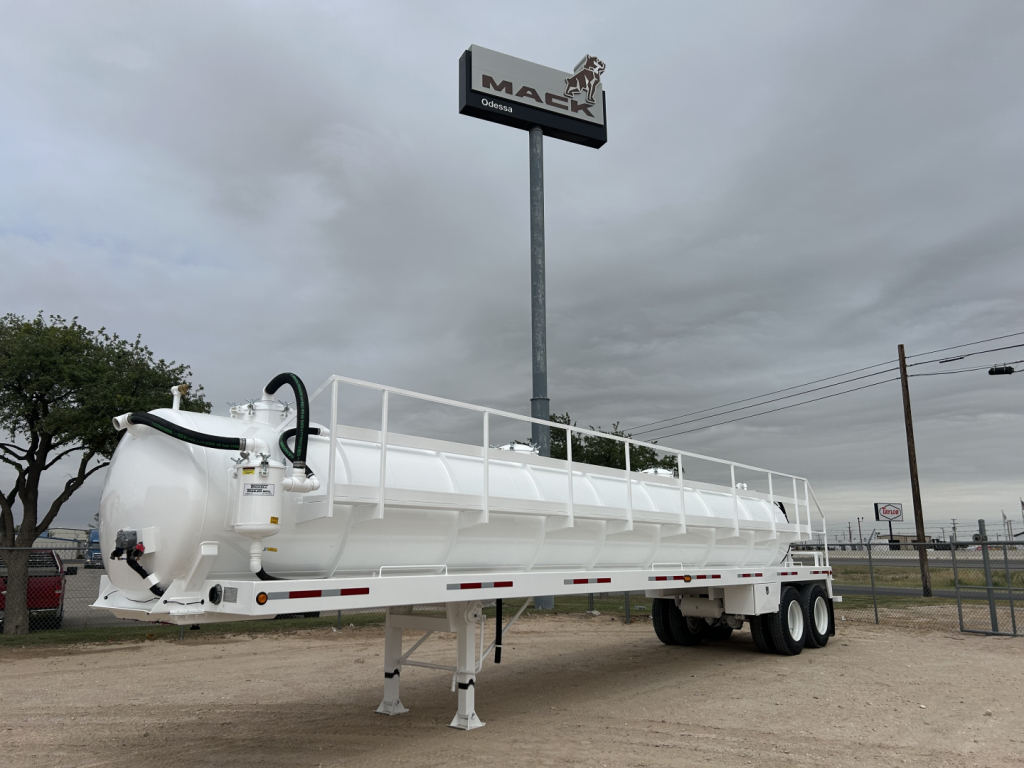

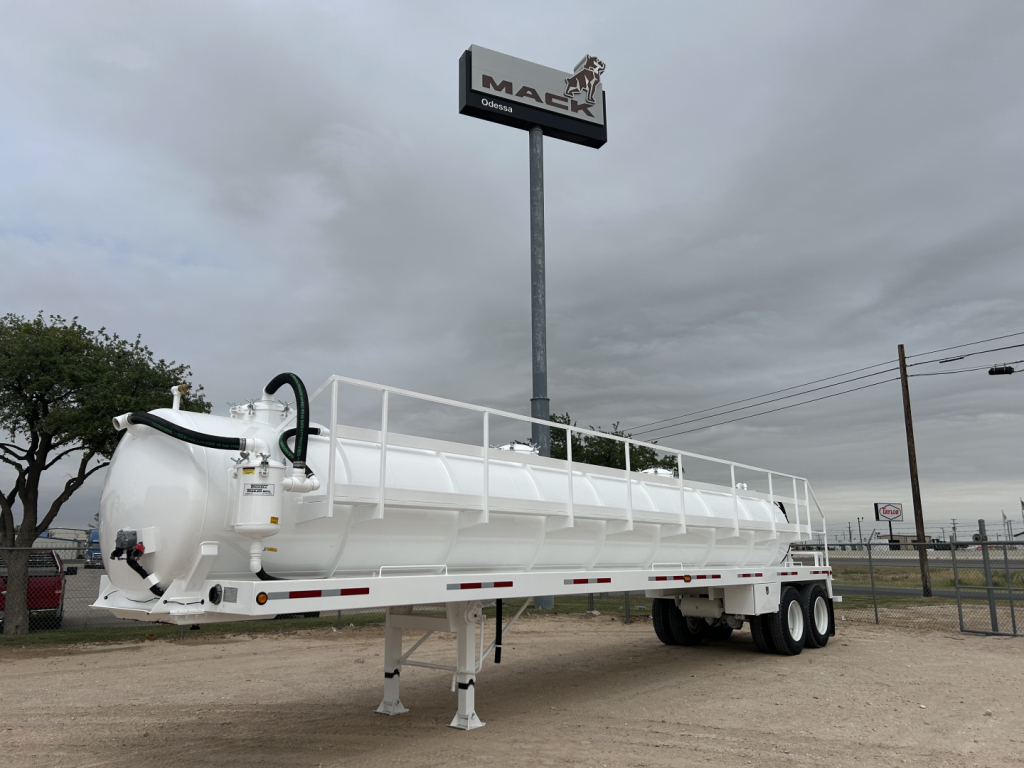
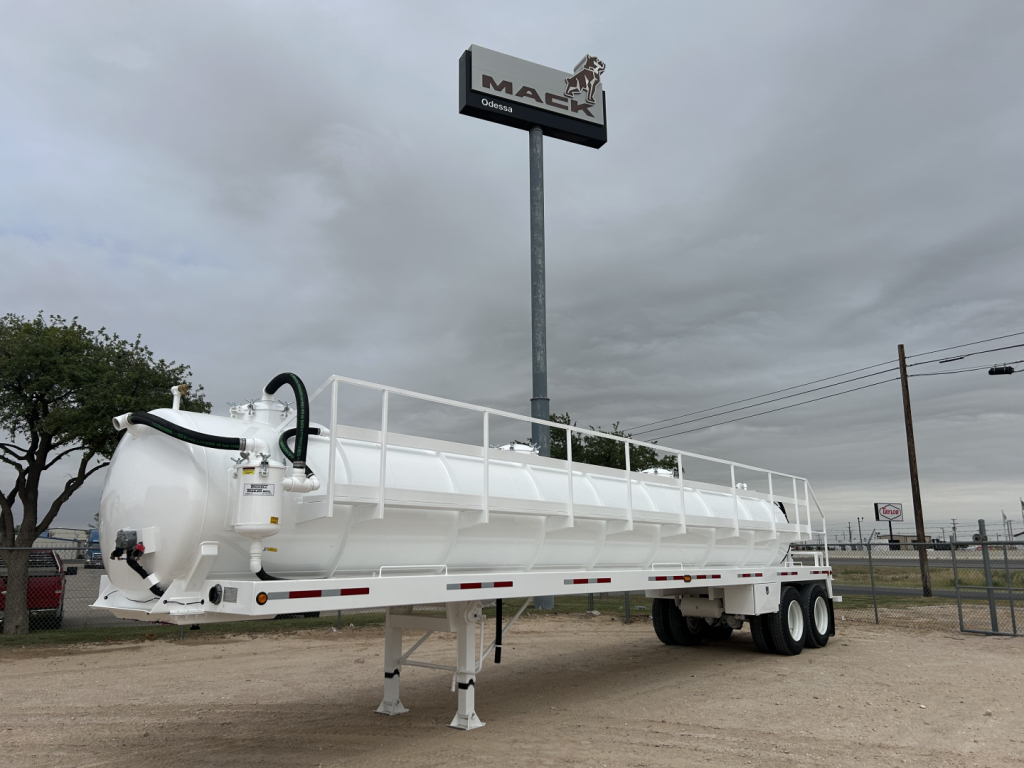
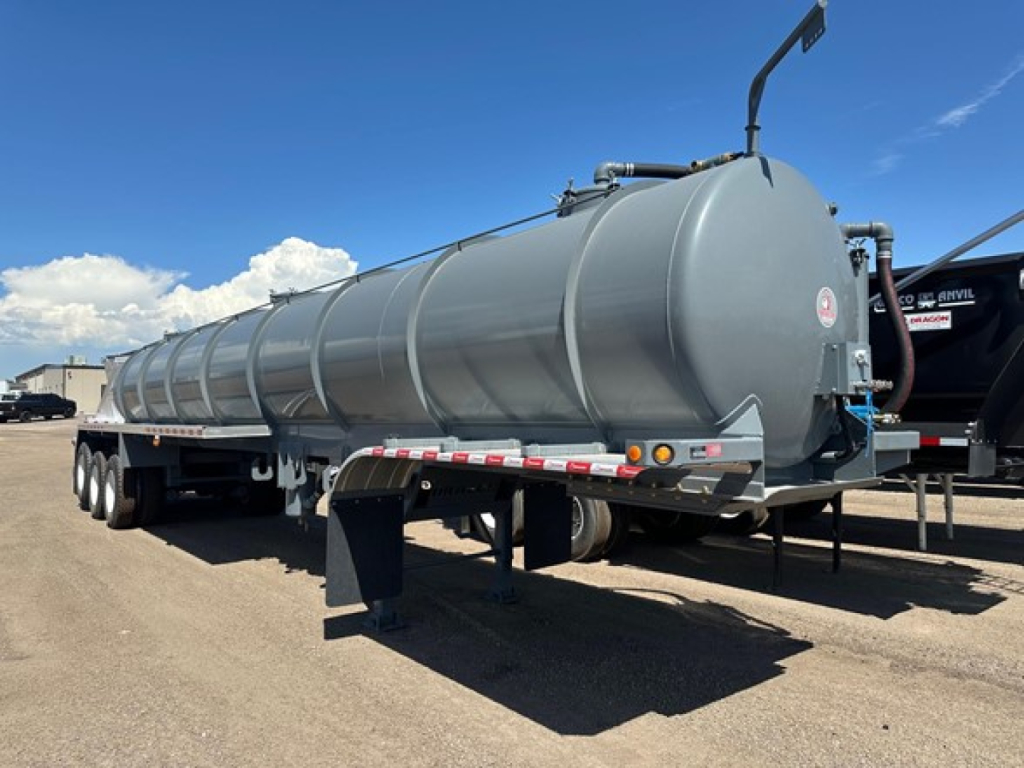
Showing 1 to 12 of 13 results
Have new vacuum trailer to sell? List it here to reach thousands of buyers.
About New Vacuum Trailers
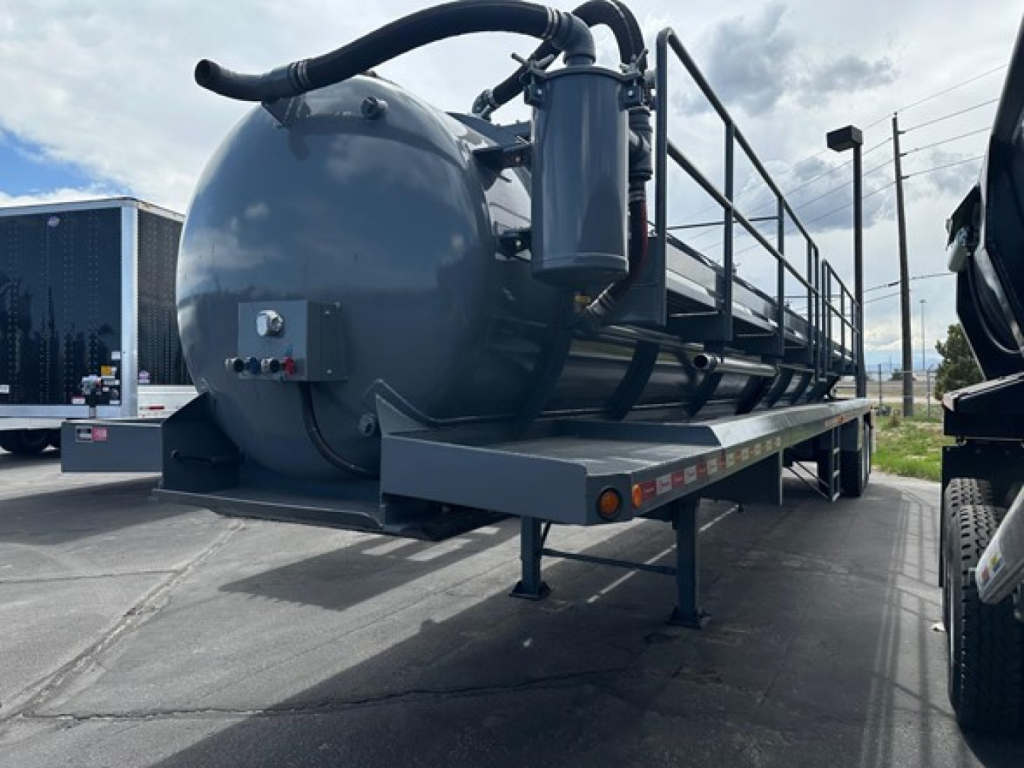
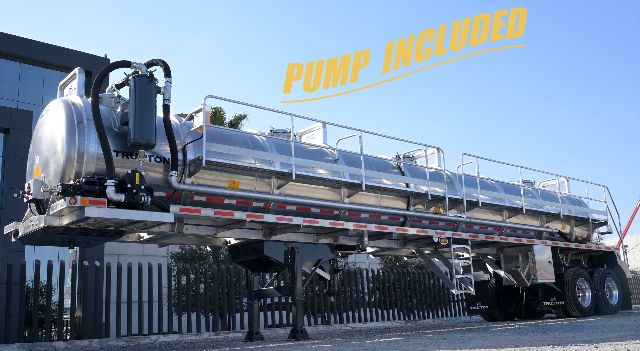
Capacity is commonly listed in barrels, with 130 BBL and 150 BBL configurations among the most common on the market. Tank material matters because it directly affects empty weight, corrosion resistance, and long-term repair cost. Steel vacuum trailers are common for rugged field service and lower upfront cost. Aluminum vacuum trailers reduce tare weight and can improve payload while offering good corrosion resistance in the right application. You will also want to look at shell thickness, head thickness, baffle design, sight glasses, interior lining, and discharge plumbing. A straight cylindrical tank with rear discharge, relief protection, and a proper shutdown system is typical on this class of trailer.
Running gear and chassis specs deserve close attention because vacuum trailers often spend their lives on rough lease roads, disposal sites, and mixed highway routes. Tandem axle layouts are standard, usually with either spring ride or air ride suspension. Spring suspension is simple and durable in off-road work, while air ride can improve stability, cargo control, and component life on longer highway runs. Common tire sizes include 11R22.5 and 11R24.5. Buyers should also check brake spec, ABS configuration, wheel material, landing gear, kingpin plate construction, and whether the trailer includes a full walkway with handrails, ladder access, toolbox, hose trays, and rear work lighting.
Pump package and safety equipment often separate one vacuum trailer from another. Many new units are equipped for hydraulic-driven vacuum pumps, along with primary and secondary shutoff protection, vacuum relief, pressure relief, and rear sight indicators. For field productivity, details like valve size, sump design, discharge tube diameter, manway layout, and cleanout access have a real effect on loading speed and maintenance time. If the trailer will be used in oilfield service, buyers should verify compatibility with existing tractors, wet kits, hose connections, and service practices across the fleet. A well-matched vacuum trailer should fit the product being hauled, the roads it runs on, and the loading and unloading method used every day.
Frequently Asked Questions
What is the difference between a code and non-code vacuum trailer?
A non-code vacuum trailer is generally built for vacuum loading and transport of materials that do not require an ASME or DOT pressure vessel specification. A code trailer is built to a defined pressure vessel standard for regulated commodities or higher-pressure service. The correct choice depends on the product being hauled, the operating pressure and vacuum range, and the regulatory requirements of the lane or jobsite. Buyers should verify legal and customer-specific requirements before putting a trailer into service.
What barrel capacity is common for a vacuum trailer?
Common vacuum trailer capacities include 130 BBL and 150 BBL, though exact gallon capacity depends on the tank design. A 130 BBL trailer is often a practical balance of payload, maneuverability, and overall length for oilfield routes and disposal work. A 150 BBL trailer can improve efficiency where legal weights, road access, and product density allow it. Capacity should be evaluated alongside tare weight, axle rating, suspension, and the specific gravity of the material being hauled.
Is steel or aluminum better for a vacuum tank trailer?
Steel vacuum trailers are typically chosen for durability, lower acquisition cost, and demanding field conditions where impact resistance and repair familiarity matter. Aluminum vacuum trailers reduce weight and can improve legal payload while also offering corrosion resistance in many environments. The better choice depends on commodity, operating terrain, expected corrosion exposure, and maintenance strategy. Fleets that prioritize payload often lean toward aluminum, while heavy-duty oilfield service frequently stays with steel.
What suspension is best on a vacuum trailer, spring ride or air ride?
Spring ride is common on vacuum trailers used in oilfield and off-road service because it is simple, durable, and familiar to maintain. Air ride can improve ride quality, reduce vibration, and help with control on highway-heavy routes. The best suspension depends on where the trailer spends most of its time. Rough lease roads and lower-speed field work often favor spring ride, while longer over-the-road use and more sensitive loads can justify air ride.
What features matter most on a new vacuum trailer?
The most important features are the correct code rating, barrel capacity, tank material, pump setup, relief protection, and shutoff system. After that, buyers should focus on practical service details such as sight glasses, valve layout, manway access, interior lining, hose storage, walkway and handrails, lighting, and suspension type. A trailer that is easy to load, unload, clean, and inspect will usually create less downtime than one that only looks good on a basic spec sheet.