
New Reefer Trailers For Sale
Shop new reefer trailers for food, pharma, and cold-chain freight. Compare 53-foot specs, TRU options, insulation, floors, and compliance.
Learn moreBrowse Reefer Trailers by Make
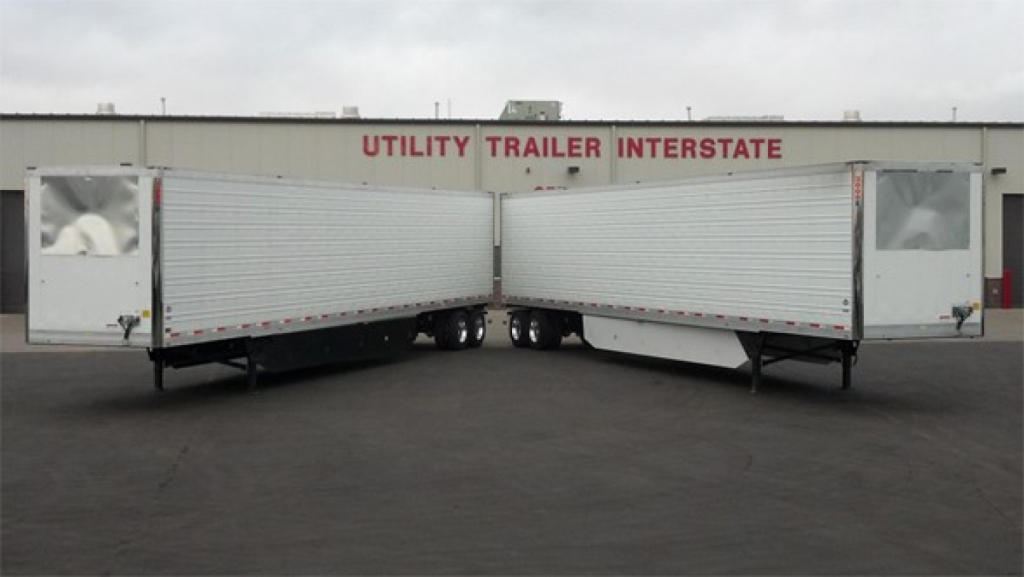
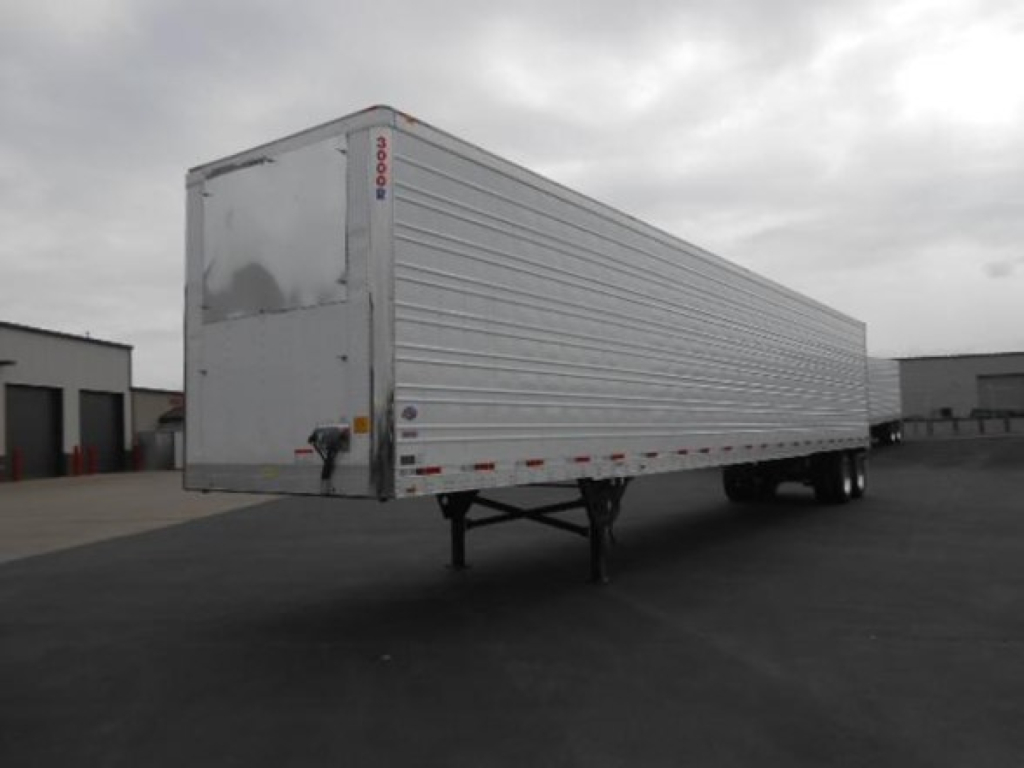
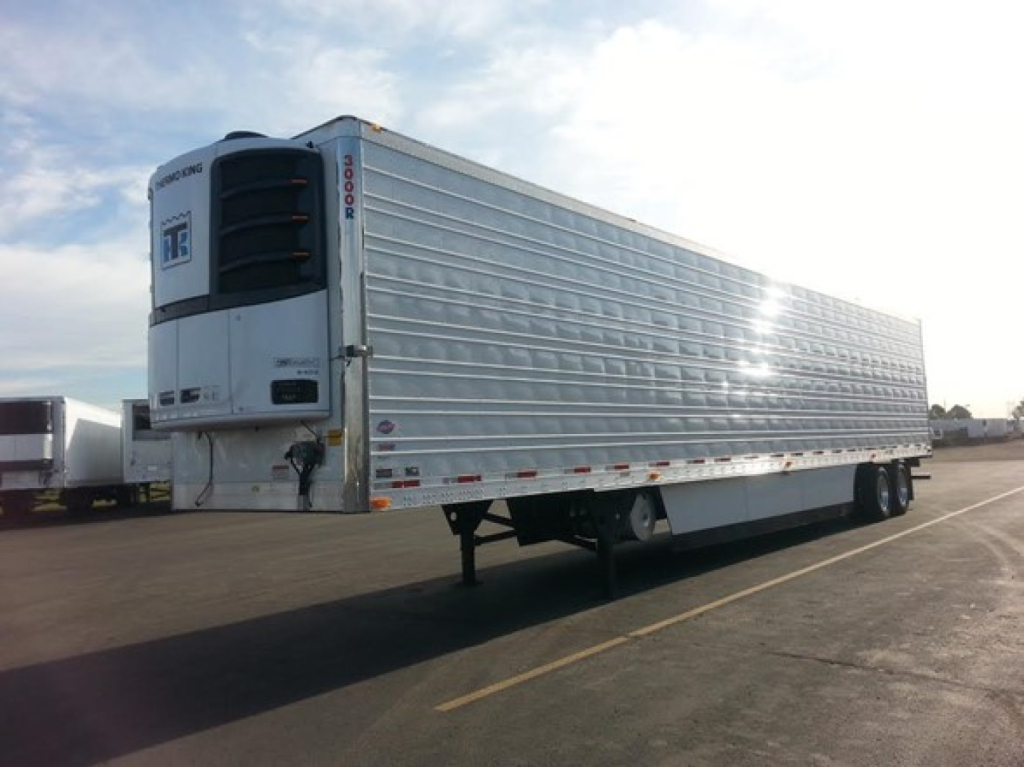
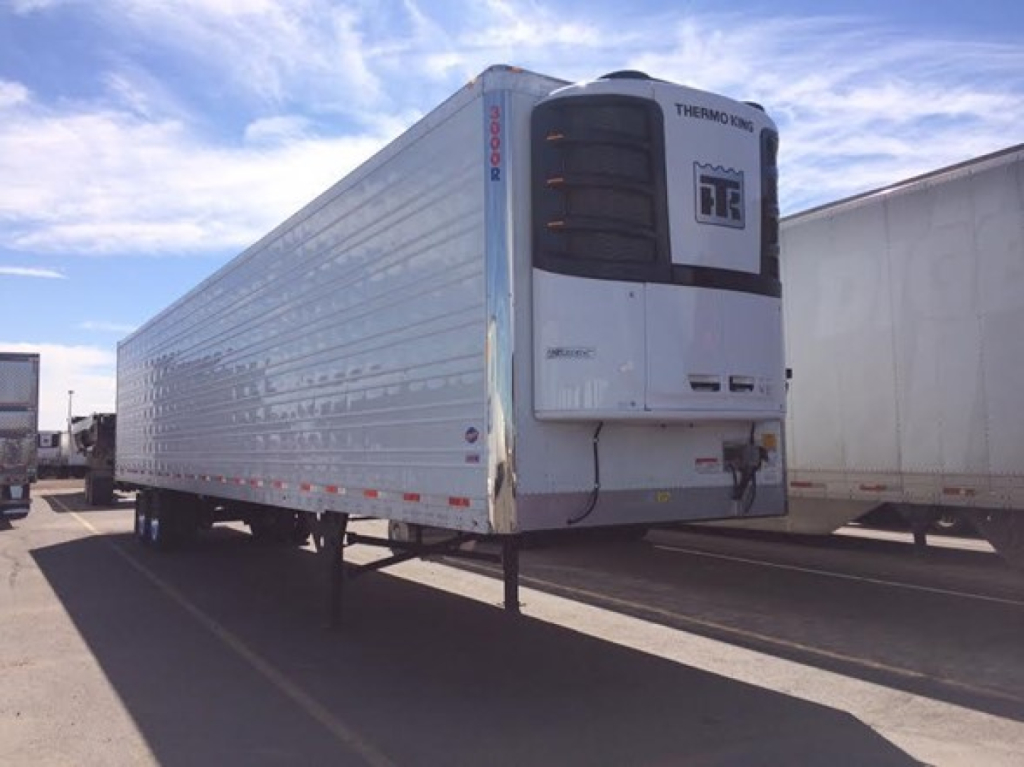
Showing 13 to 16 of 16 results
Have new reefer trailer to sell? List it here to reach thousands of buyers.
About New Reefer Trailers
A buyer comparing new reefer trailers should start with the refrigeration package and the trailer body together, not as separate decisions. Unit capacity, single-temp versus multi-temp capability, start-stop and continuous run settings, California and CARB compliance, shore power availability, and telematics all affect where and how the trailer can be used. Just as important is the box construction. Foamed insulated walls, a heavy-duty aluminum duct floor, a properly designed chute, rear venting, and interior scuff liners help maintain consistent airflow and protect the lining from pallet damage. Swing doors remain common on reefer vans because they seal well and hold up in dock service. Features like stainless front corners, galvanized or corrosion-resistant components, quilted rear doors, wearbands, and anti-dock walk devices add durability in fleets that load hard and turn trailers quickly.
The running gear matters more than many buyers expect. Air ride suspension is standard on many new reefer trailer specs because it helps protect fragile cargo and keeps ride quality consistent across long hauls. Tandem axles with a slider are common for bridge law flexibility and dock positioning, while closed tandem layouts may appeal in certain weight-distribution or fleet-standard applications. Tire inflation systems such as TireMaxx or MTIS help reduce roadside failures and protect fuel economy. Side skirts and, in some cases, rear aerodynamic devices can improve operating cost on linehaul lanes. Wheel and tire choices also deserve attention. 22.5 low-profile tires, aluminum outer wheels, steel inner wheels, and drum or disc brake selections all influence tare weight, service intervals, and total cost per mile.
New reefer trailers also differ in how they fit a shipper profile. Foodservice and grocery operators may prioritize chute design, bulkheads, E-track, and fast recovery after repeated door openings. Long-haul frozen carriers often focus on insulation integrity, continuous airflow, and TRU reliability over thousands of hours. Buyers running regional distribution in emissions-regulated states should pay close attention to California-legal refrigeration units and hybrid or shore-power-ready configurations. A well-matched reefer trailer is more than a refrigerated box. It is a temperature-management system on wheels, and the best spec is the one that matches lane length, dock time, commodity mix, service network, and the maintenance discipline of the fleet.
Frequently Asked Questions
What is the most common spec for a new reefer trailer?
The most common new reefer trailer configuration is a 53-foot by 102-inch refrigerated van with tandem axles, air ride suspension, swing doors, an aluminum duct floor, and a single-temp refrigeration unit. Many buyers also look for a sliding tandem, 22.5 low-profile tires, side skirts, interior scuff liners, and a tire inflation system because those features support broad freight compatibility and lower operating cost.
How do I choose between Carrier, Thermo King, and Schmitz Cargobull reefer units?
The right refrigeration unit depends on dealer support, parts access, fleet familiarity, and the duty cycle of the trailer. Carrier and Thermo King remain common choices because of their service networks and broad market acceptance. Schmitz Cargobull units may appeal to buyers interested in newer hybrid or efficiency-focused designs. In practice, local service coverage and technician familiarity are often as important as published performance numbers because reefer uptime depends on fast repairs and routine maintenance.
Why is a duct floor important on a reefer trailer?
A duct floor is critical because it carries cold air from the refrigeration unit under the load and helps maintain even temperature throughout the trailer. Without proper airflow under and around the freight, the front of the trailer may cool correctly while product at the rear or center runs warmer than target. Heavy-duty aluminum duct floors are common because they balance airflow performance with durability under pallet jack and forklift traffic.
What does California-legal or CARB-compliant mean on a reefer trailer?
California-legal or CARB-compliant generally means the transport refrigeration unit meets emissions requirements for operation in California and other jurisdictions that follow strict clean-air rules. This is a major buying point for fleets that cross state lines or serve shippers with compliance-sensitive distribution networks. Buyers should verify the exact TRU model, emissions certification, and any shore power or hybrid capability if they expect the trailer to spend time at regulated facilities or in states with tighter emissions enforcement.
Should I buy a reefer trailer with a slider tandem?
A sliding tandem gives the trailer more flexibility for bridge law compliance, axle weight distribution, and loading dock positioning. That makes it a common choice for for-hire carriers and fleets that run mixed lanes or serve multiple shippers. A fixed or closed tandem can still make sense in dedicated applications where loading patterns are predictable and the fleet wants a simpler or lighter configuration. The better choice depends on how often axle position needs to change in day-to-day operation.