
New Utility Reefer Trailers For Sale
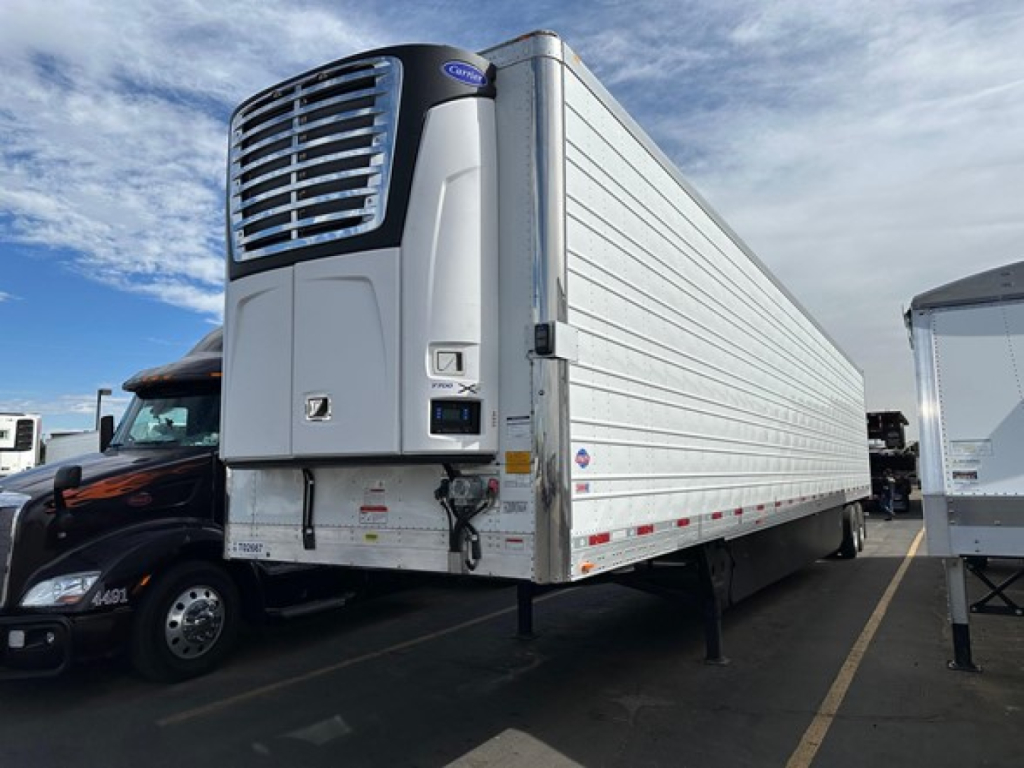
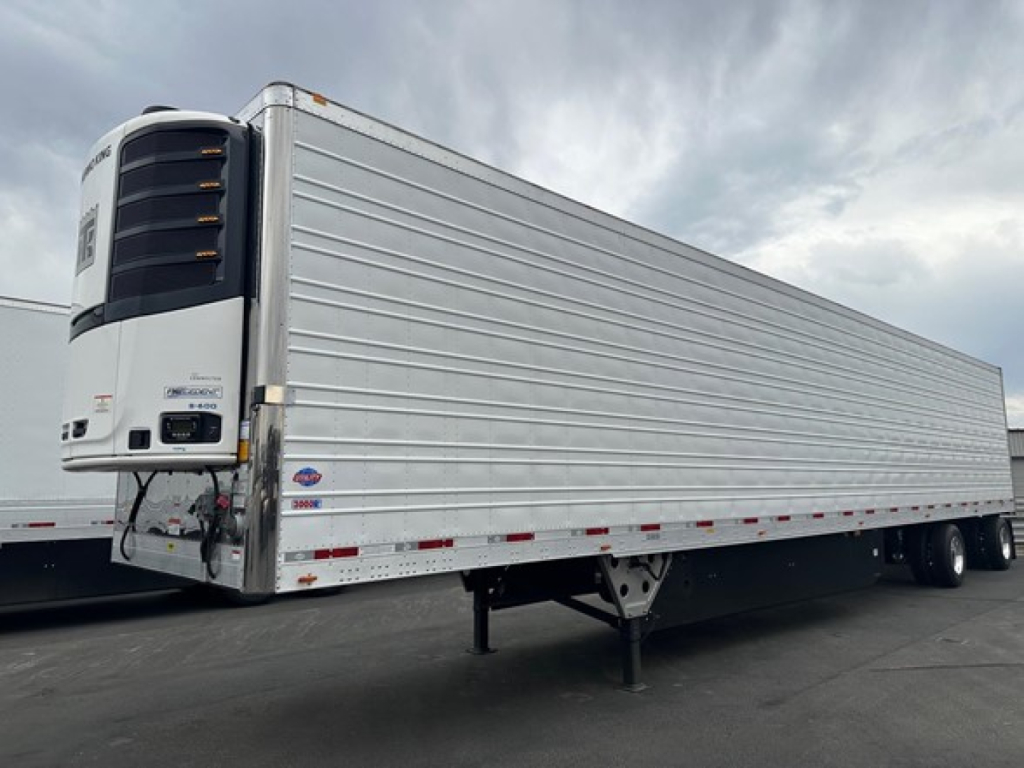
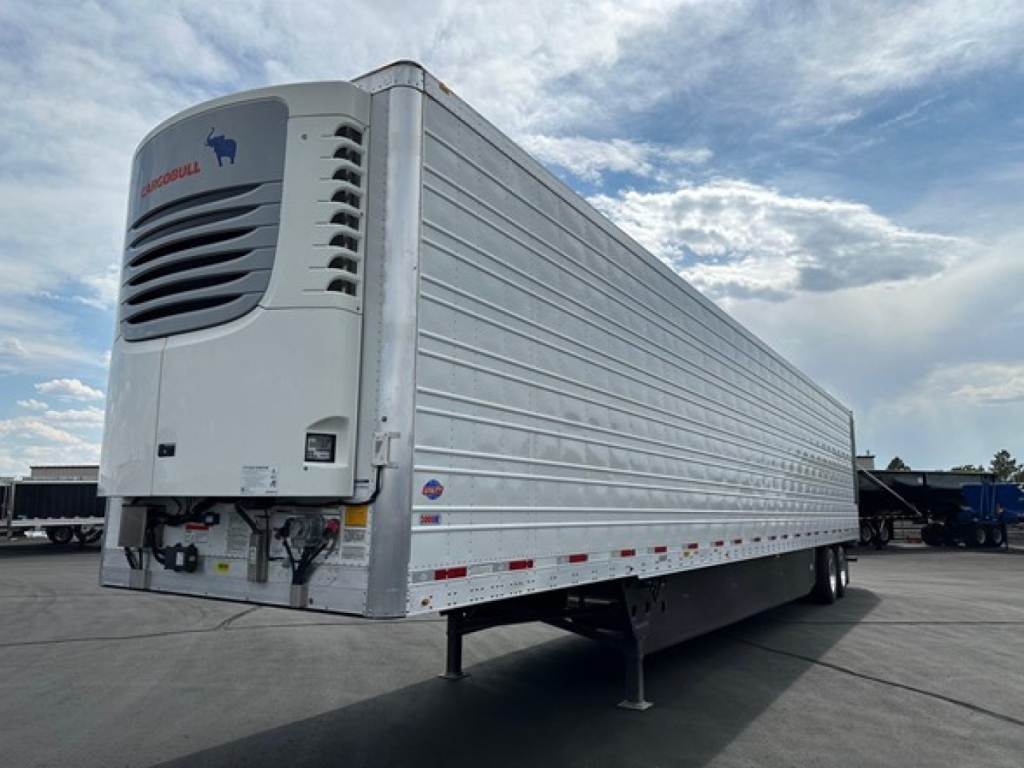
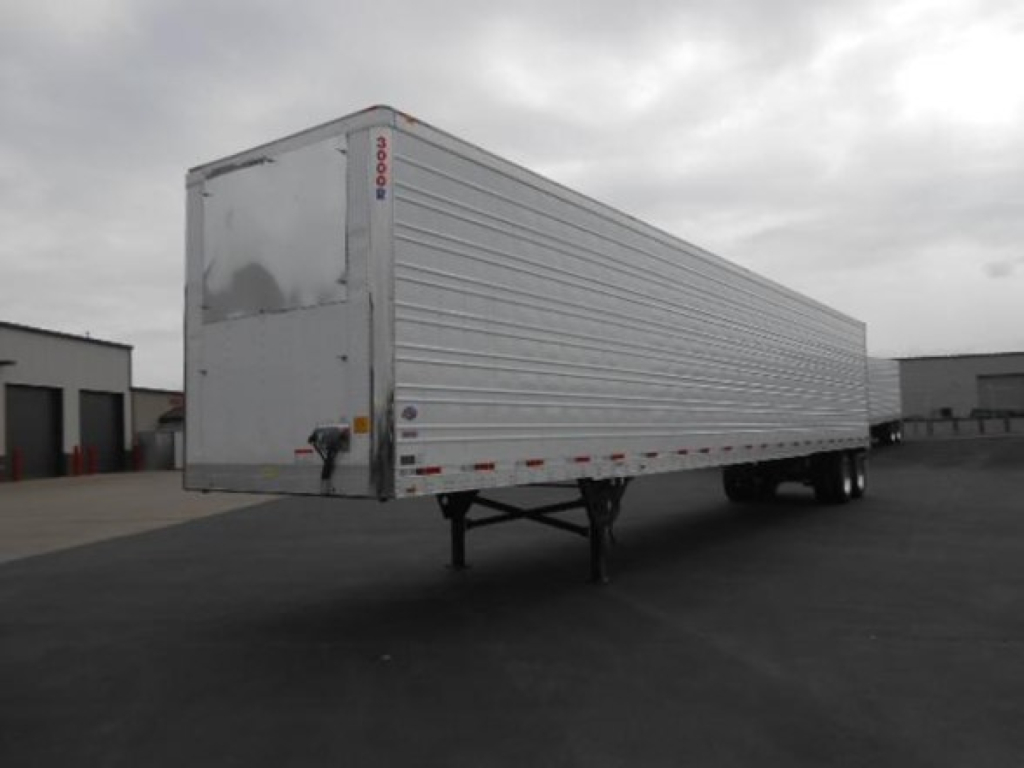
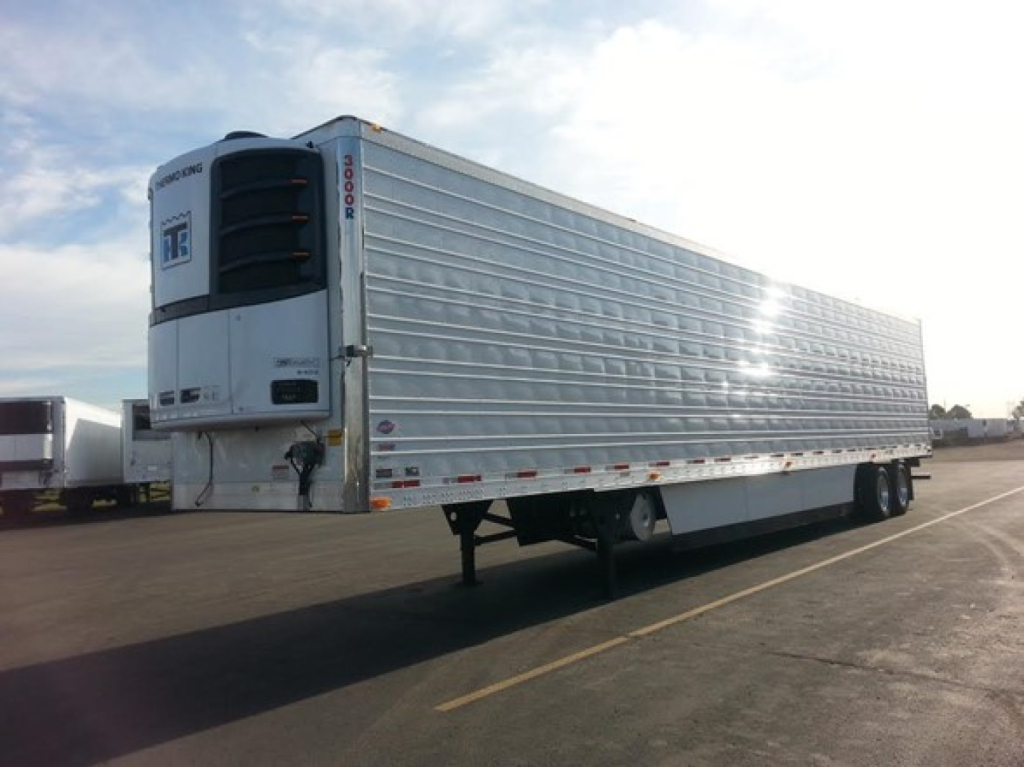
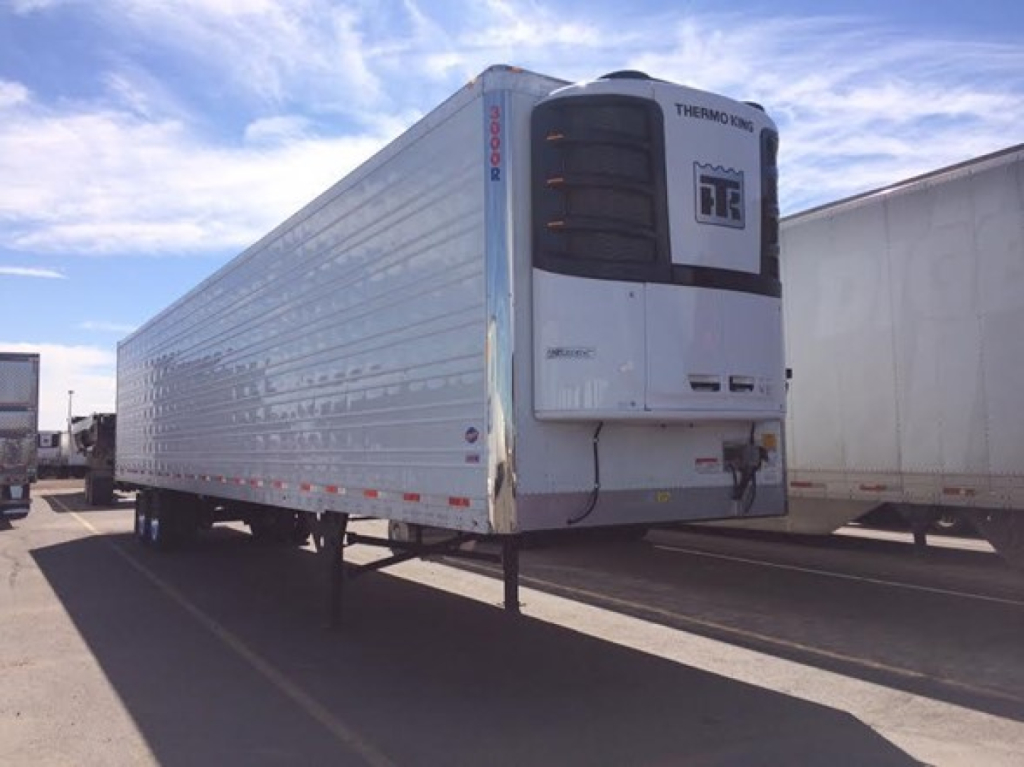
Shop new Utility reefer trailers for sale, including 3000R models with air ride, aerodynamic specs, duct floors, and multi-temp-ready builds.
Learn more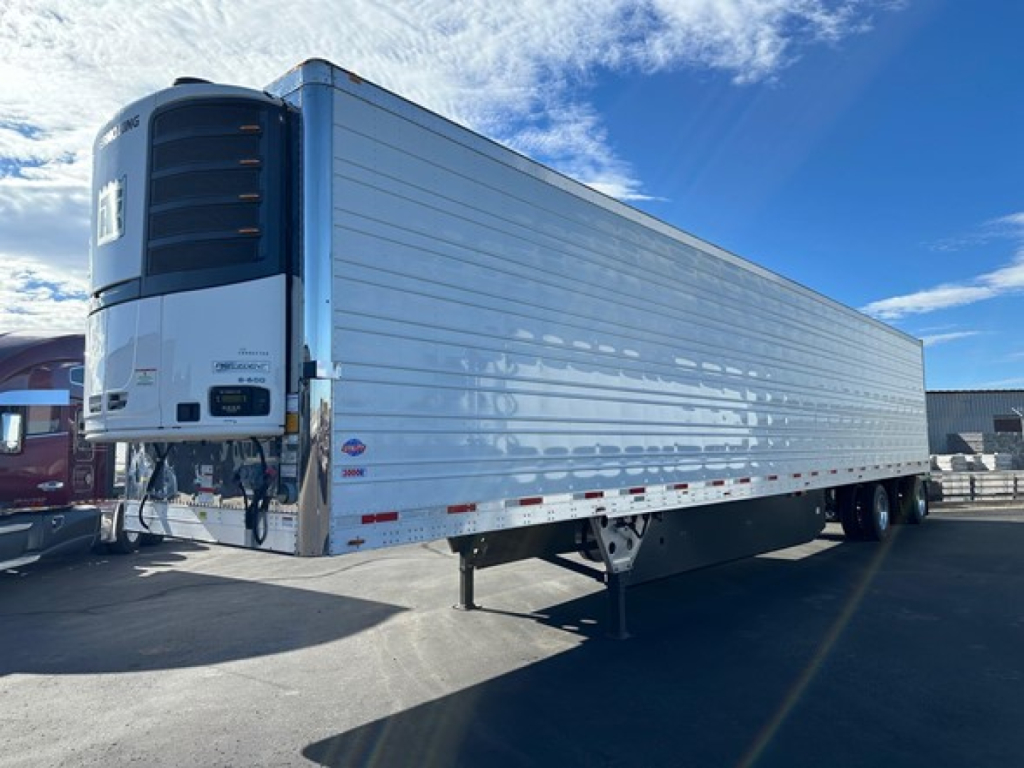
Have new utility reefer trailer to sell? List it here to reach thousands of buyers.
About New Utility Reefer Trailers
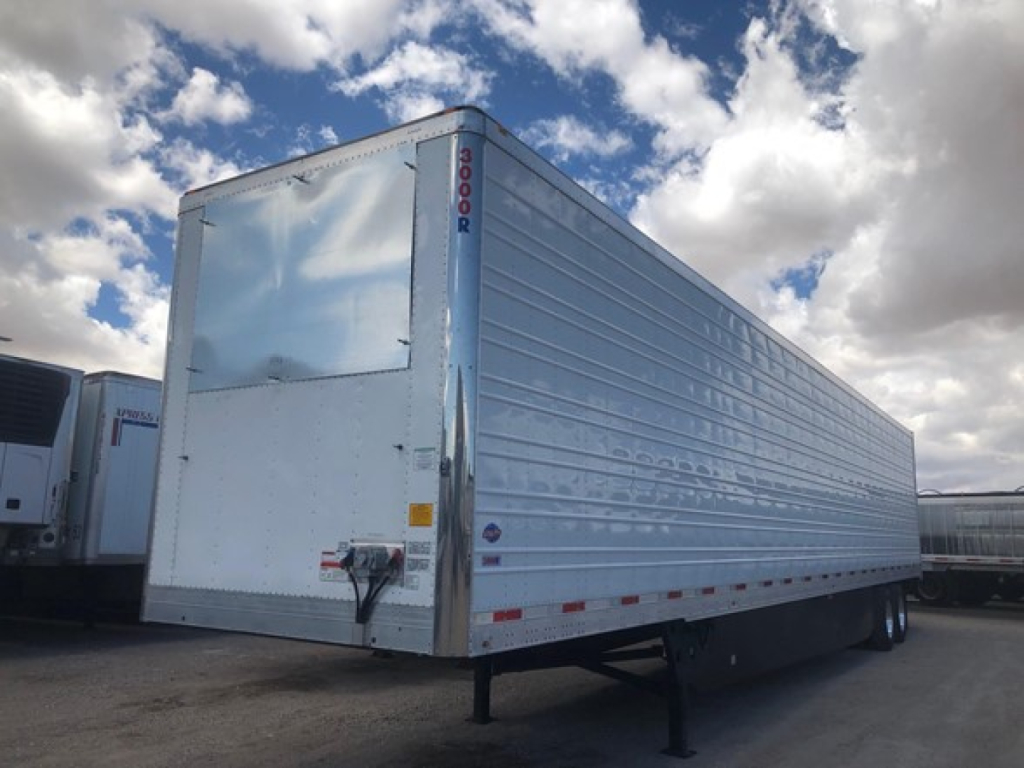
On newer Utility reefers, common specs include Hendrickson air ride suspension, slider tandems with air-operated pins, anti-dock walk systems such as Surelok, and 22.5 low-profile tires. Many are equipped with side skirts, aluminum wheels, LED lighting, rear vents, and stainless front corner protection for durability in dock and yard work. Inside the box, details matter. HD aluminum duct floors support airflow under the load, wearbands protect the lower interior walls from pallet and forklift contact, and insulated rear swing doors help maintain temperature integrity. Features like scuff protection, bulkheads, chute systems, and interior liners can make a real difference depending on whether the trailer is handling single-temp lanes or more demanding multi-stop foodservice work.
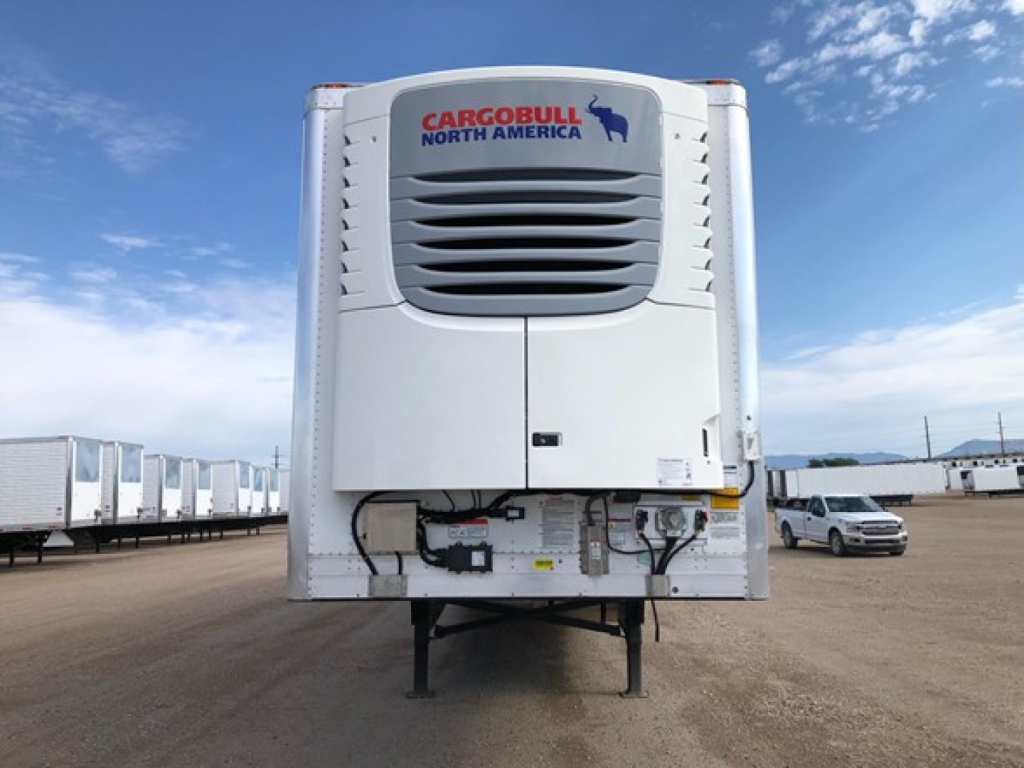
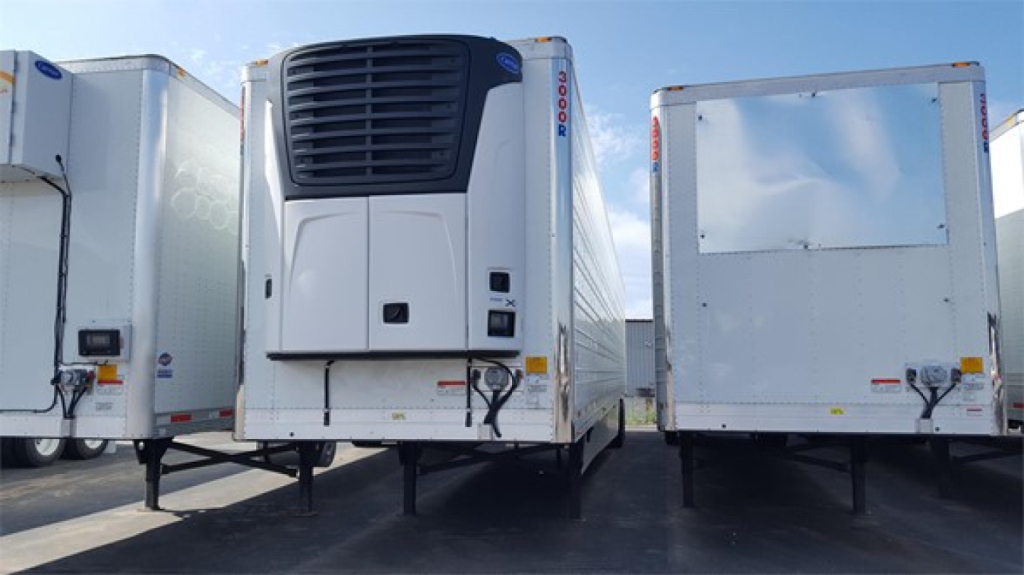
The reefer unit itself is often the biggest buying decision. New Utility reefer trailers may be paired with Carrier or other major TRU options, including hybrid and shore power-ready configurations for operations focused on emissions compliance, idle reduction, or California CARB requirements. Single-temp units are common for high-cube, full-truckload refrigerated freight, while fleets running split loads or route distribution may look for bulkheads, chutes, and stronger airflow management. If the trailer will spend time at crowded docks, closed tandem layouts, anti-dock walk protection, and durable rear door hardware are worth close attention. Tire inflation systems such as PSI or Tire-Maxx Pro also help reduce roadside downtime and protect tire life in high-mileage service.
A good Utility reefer spec comes down to lane profile and handling requirements. Long-haul carriers may prioritize lightweight construction, aerodynamic tails, side skirts, and low rolling resistance tire setups to control operating cost. Regional and grocery distributors often put more value on door durability, floor strength, dock hardware, and refrigeration compliance. Utility trailers are known for strong parts support and familiar maintenance practices, which matters when uptime is tied to the cold chain. For most buyers comparing listings, the key differences are not the box size but the suspension, tandem setting, interior airflow design, and the exact refrigerated unit and emissions package mounted on the front wall.
Frequently Asked Questions
What makes the Utility 3000R a popular refrigerated trailer?
The Utility 3000R is widely used because it combines a durable insulated trailer body with practical fleet specs that support food-grade and temperature-sensitive freight. Common configurations include 53-foot length, 102-inch width, air ride suspension, duct floors, wearbands, and aerodynamic packages. Buyers also value the broad service familiarity of the platform, which can simplify maintenance, parts sourcing, and driver acceptance across mixed operations.
What specifications matter most when buying a new Utility reefer trailer?
The most important specs usually include the refrigeration unit brand and emissions status, floor type, suspension, tandem slider setup, tire size, and door construction. A duct floor is important for airflow under pallets, while wearbands and interior liners help protect the trailer body during repeated loading. Buyers should also review anti-dock walk systems, tire inflation systems, side skirts, rear venting, and whether the trailer is spec'd for single-temp or multi-temp work.
Are new Utility reefer trailers suitable for California and other strict emissions markets?
Many new Utility reefer trailers are available with refrigeration units designed to meet strict emissions requirements, including California-compliant and hybrid TRU configurations. Some units also include shore power capability for electric operation at the dock, which can help reduce fuel burn and support regulatory compliance. Buyers should confirm the exact TRU model, certification status, and operating limitations for the states and facilities they plan to serve.
Why do duct floors and wearbands matter in a reefer trailer?
A duct floor helps move cold air evenly from the front-mounted refrigeration unit to the rear of the trailer by maintaining airflow beneath the cargo. That airflow is critical for stable box temperatures, especially with dense palletized freight. Wearbands protect the lower sidewall area from repeated pallet and forklift impact, reducing interior body damage and helping preserve the insulated structure over time.
What is the advantage of air ride, slider tandems, and tire inflation systems on a reefer?
Air ride suspension helps protect sensitive refrigerated cargo by reducing road shock and improving ride quality. Slider tandems with air-operated pins make axle adjustment faster and easier for bridge laws, dock positioning, and weight distribution. Automatic tire inflation systems such as PSI or Tire-Maxx Pro help maintain correct tire pressure, which improves tire life, reduces roadside failures, and supports fuel efficiency in long-haul reefer service.