
Trailers For Sale in Oklahoma
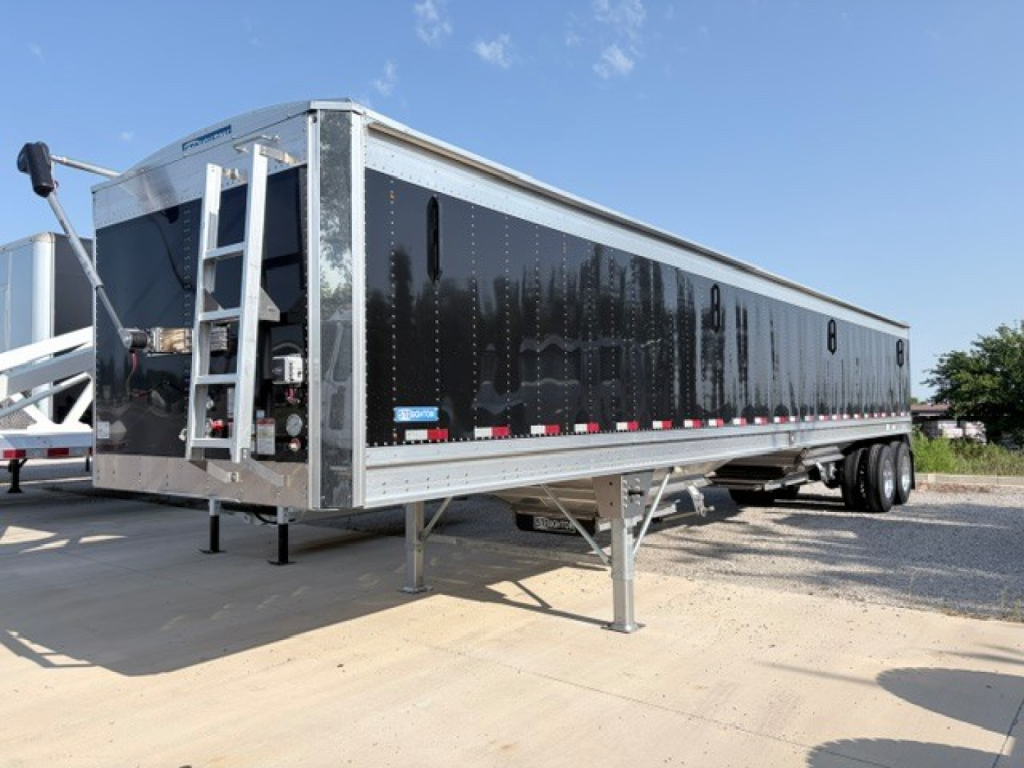
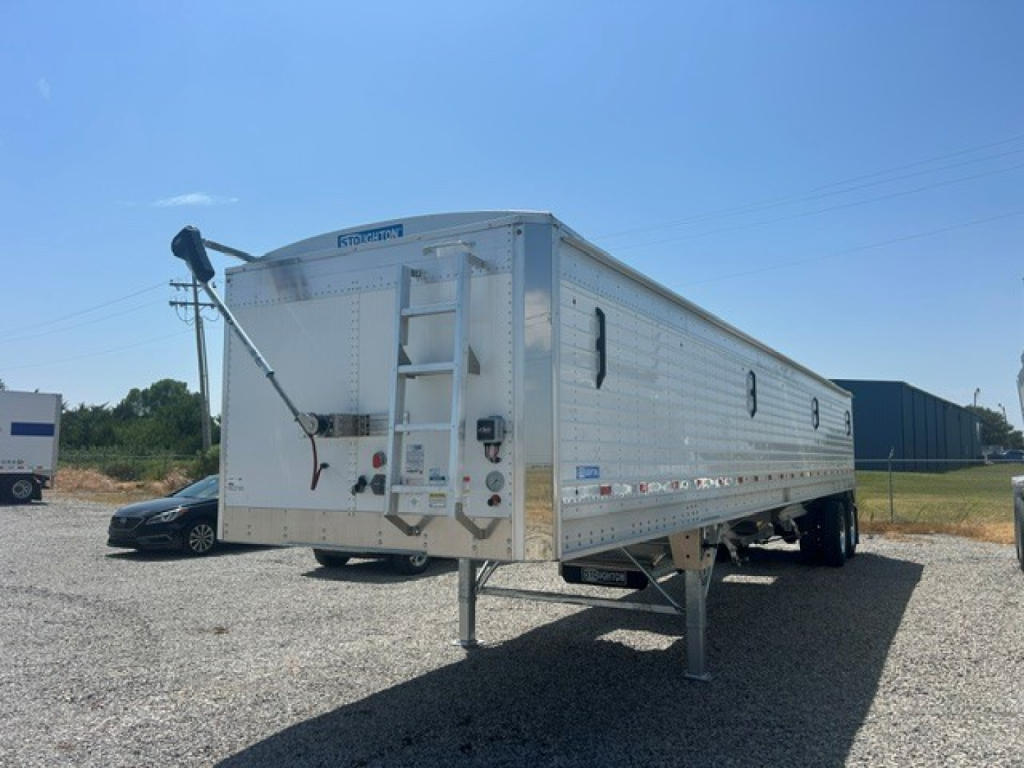
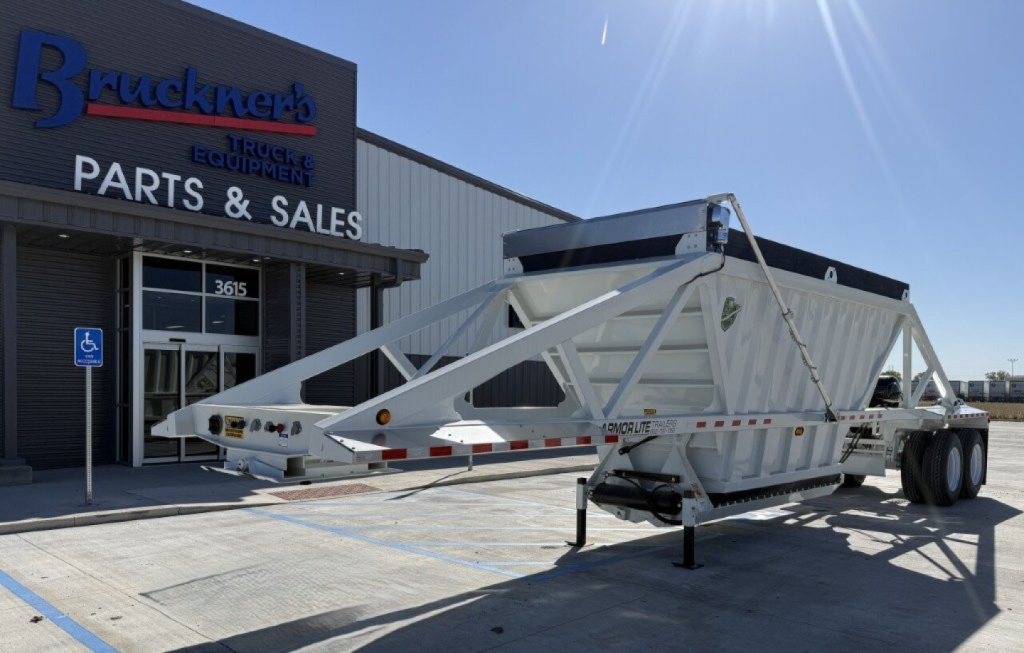
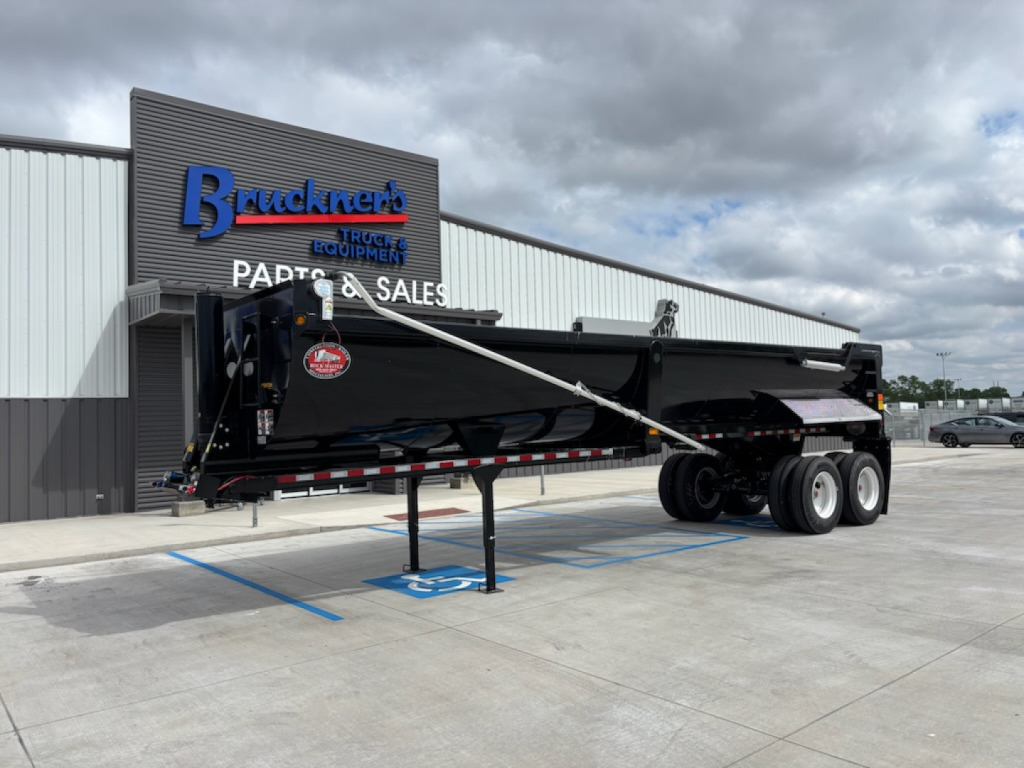
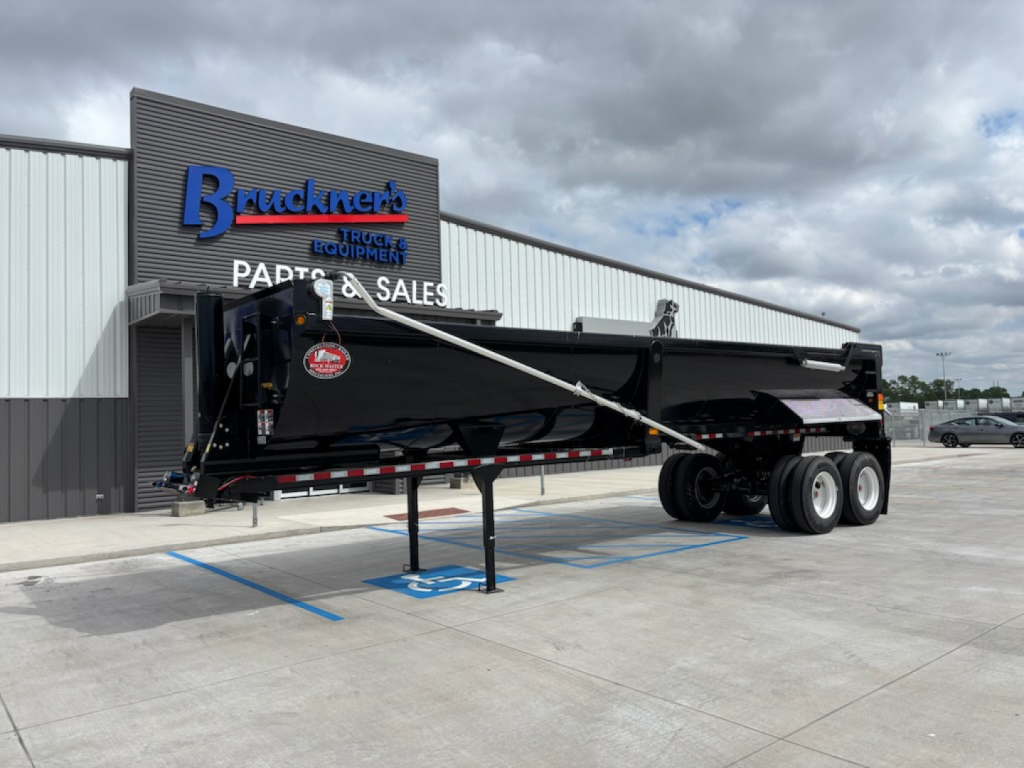
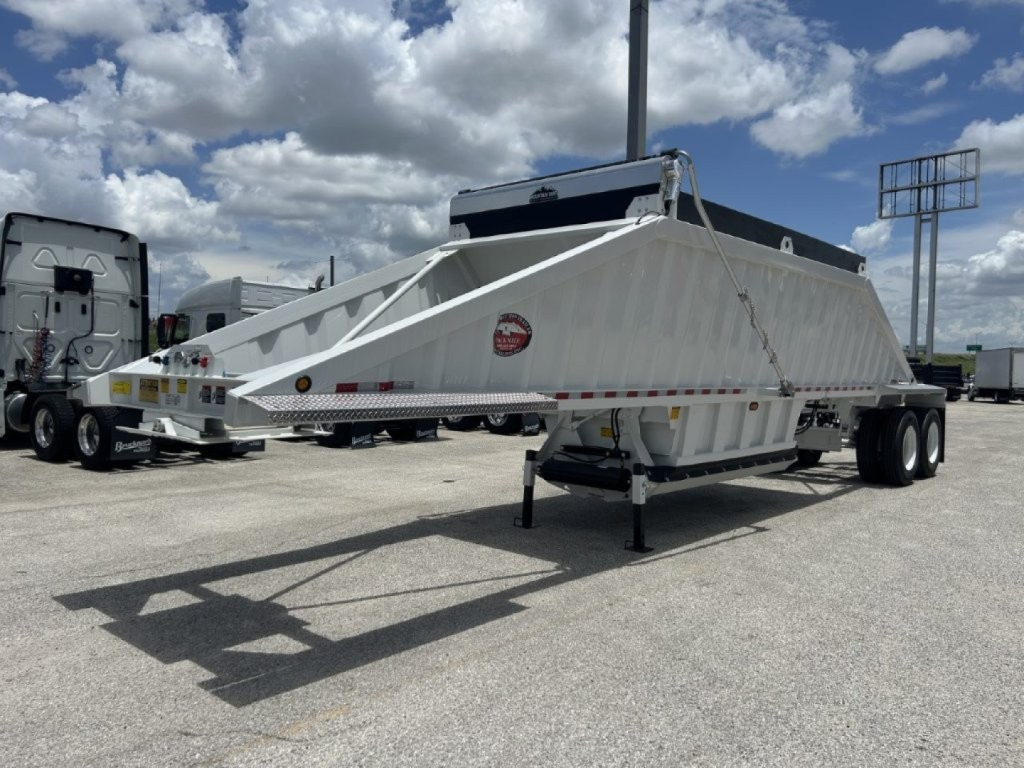
Showing 1 to 24 of 25 results
Have trailer to sell? List it here to reach thousands of buyers.
Trailers in Oklahoma
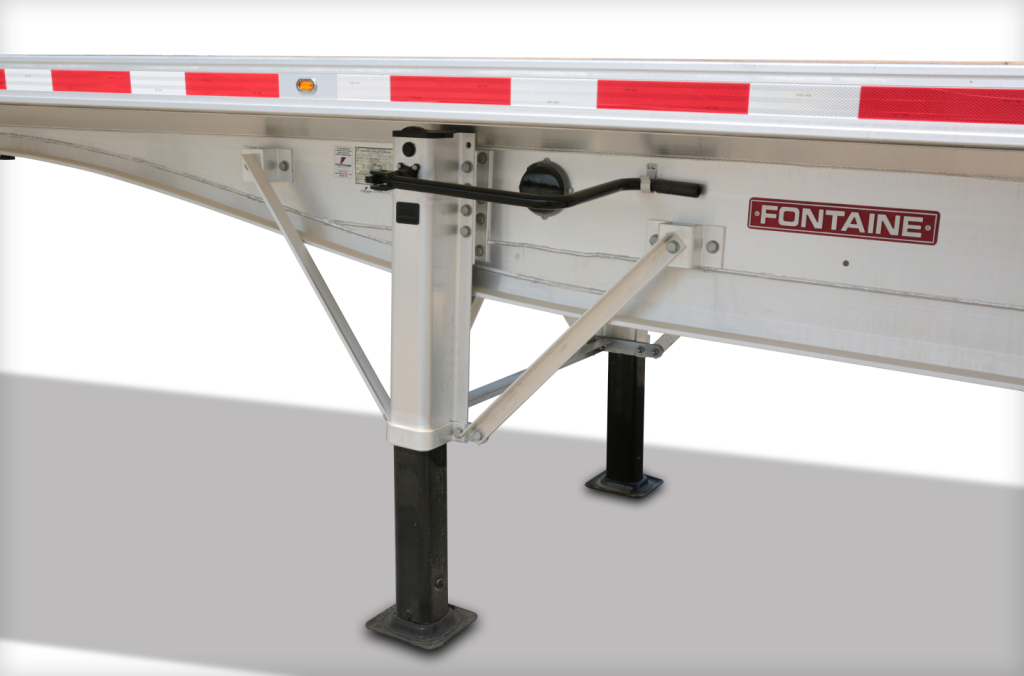
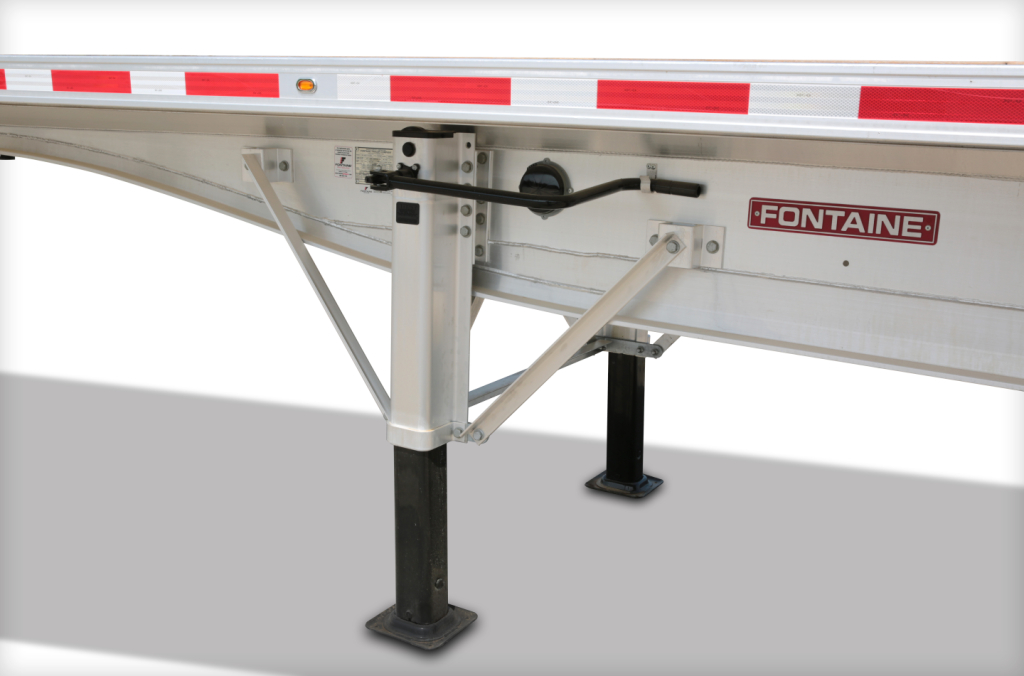
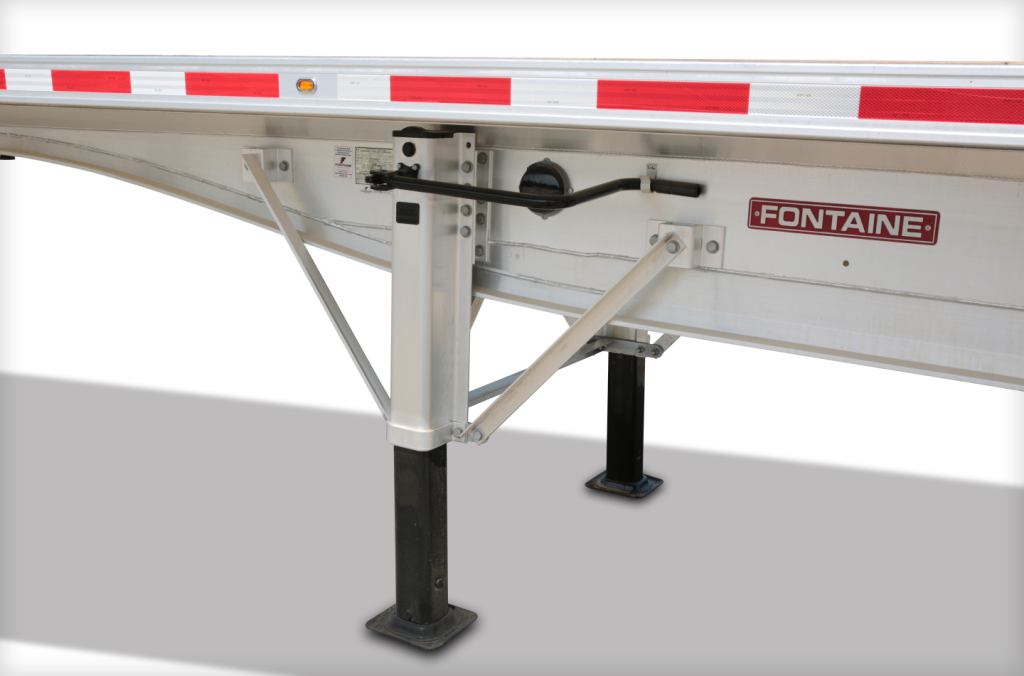
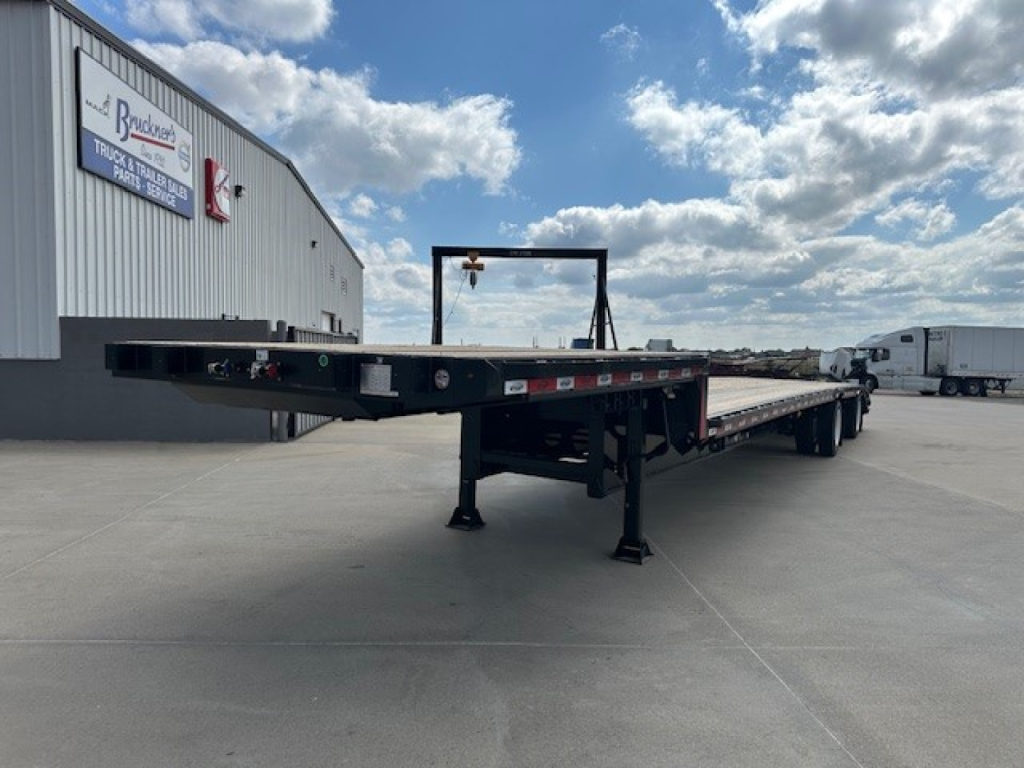
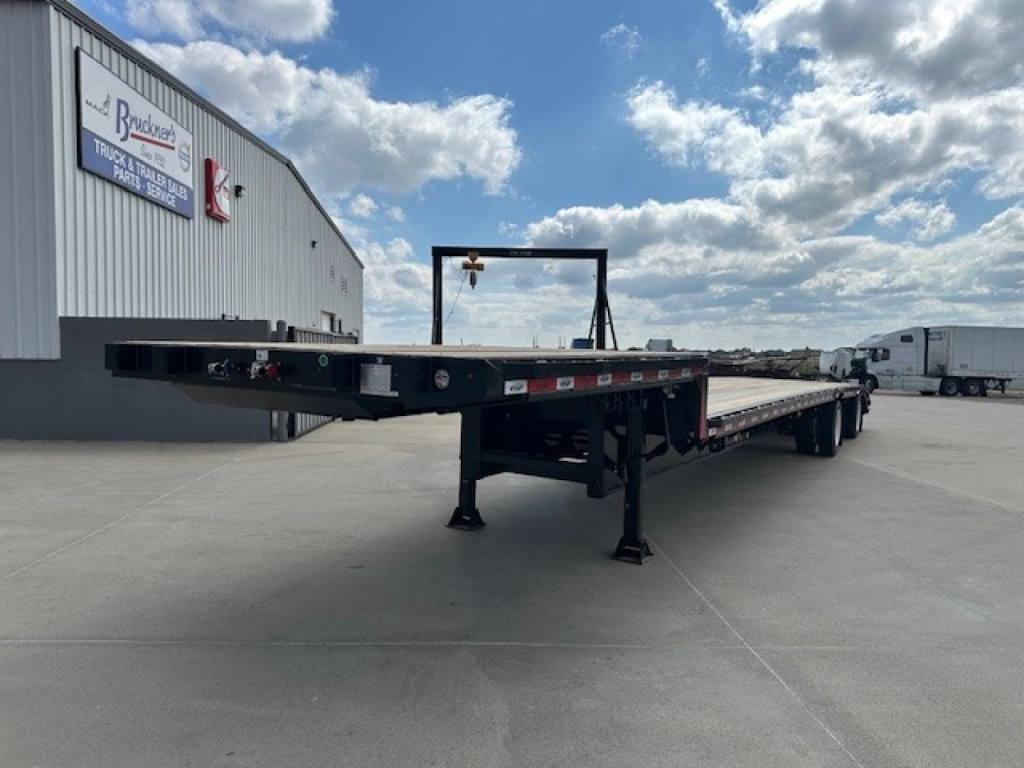
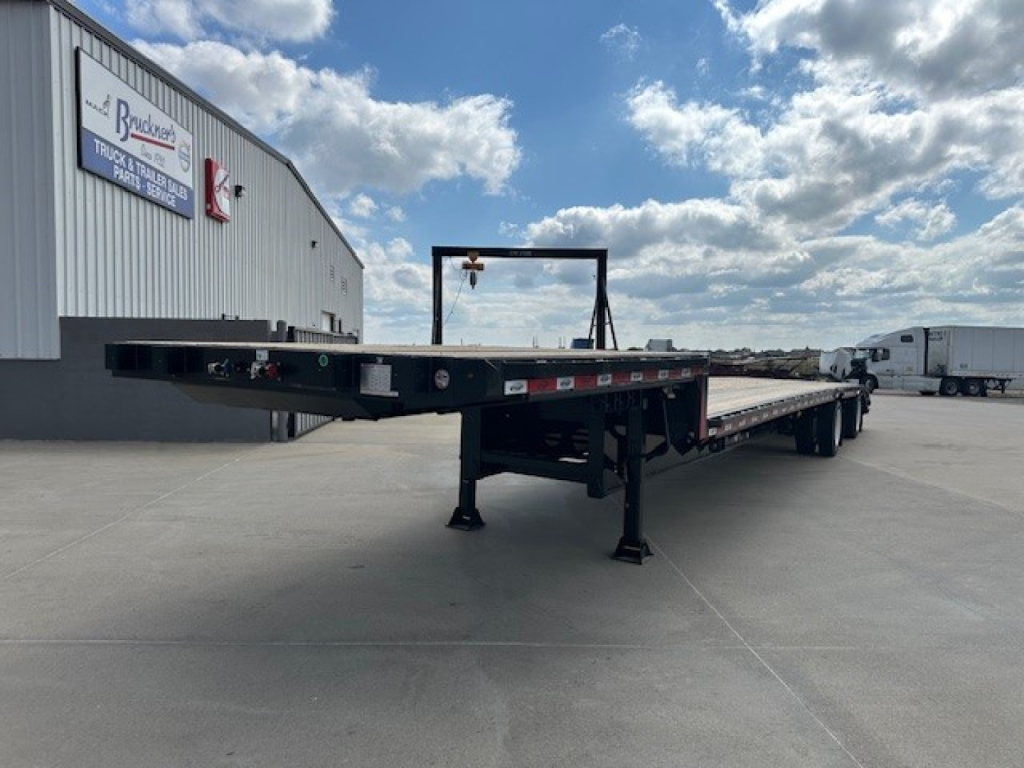
Flatbed trailers, also known as open deck trailers, remain the standard for general commodity hauling because they load from the side, rear, or overhead crane. Buyers should pay close attention to deck material, crossmember spacing, winch track layout, coil package specs, bulkhead configuration, and axle spread or sliding tandem setup. Combo flatbeds help reduce tare weight, while all-steel trailers can make sense for harder-use environments. Drop deck trailers, also called step deck trailers, trade some deck uniformity for legal height advantages. A lower main deck makes them better suited for taller machines, palletized freight, and mixed loads that would be difficult to keep under height on a standard flatbed. Beavertails, ramps, winches, and dump valves are common spec points that matter when the trailer sees frequent equipment loading.
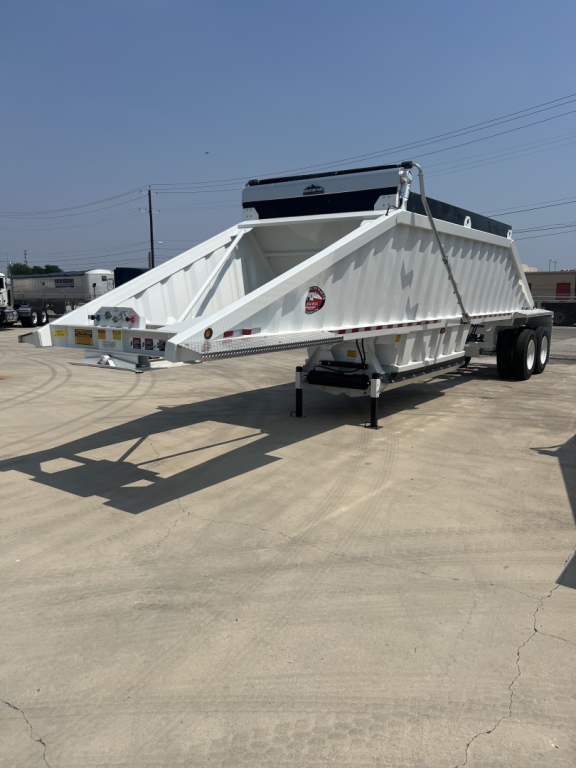
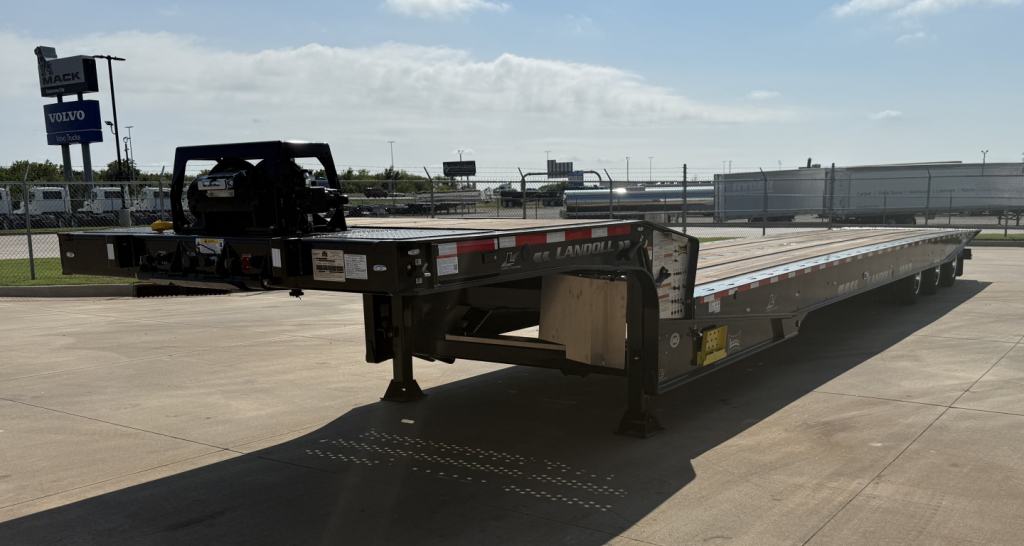
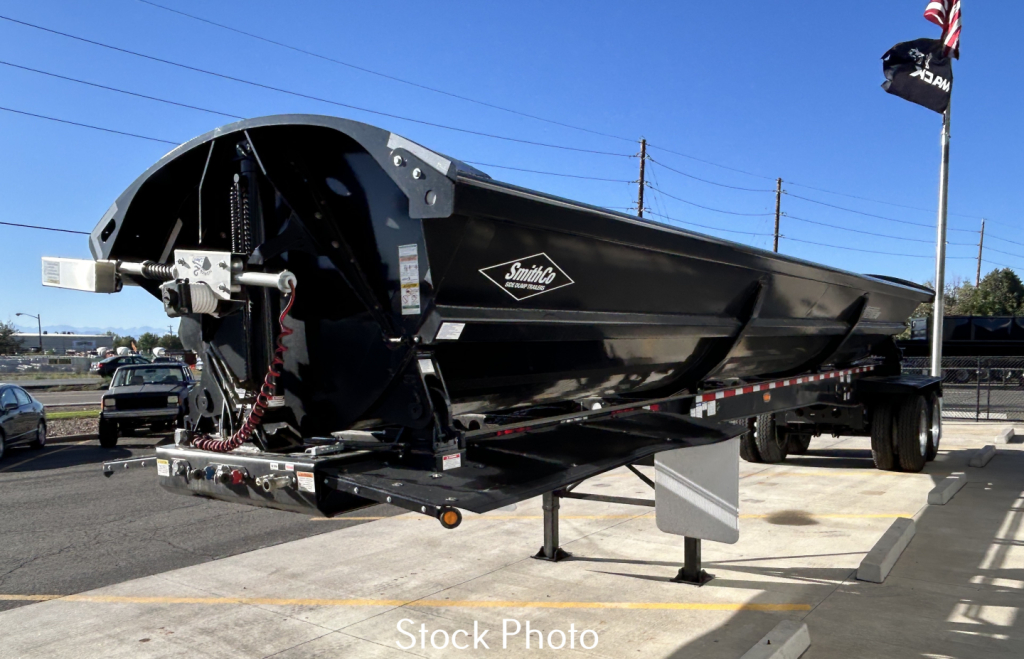
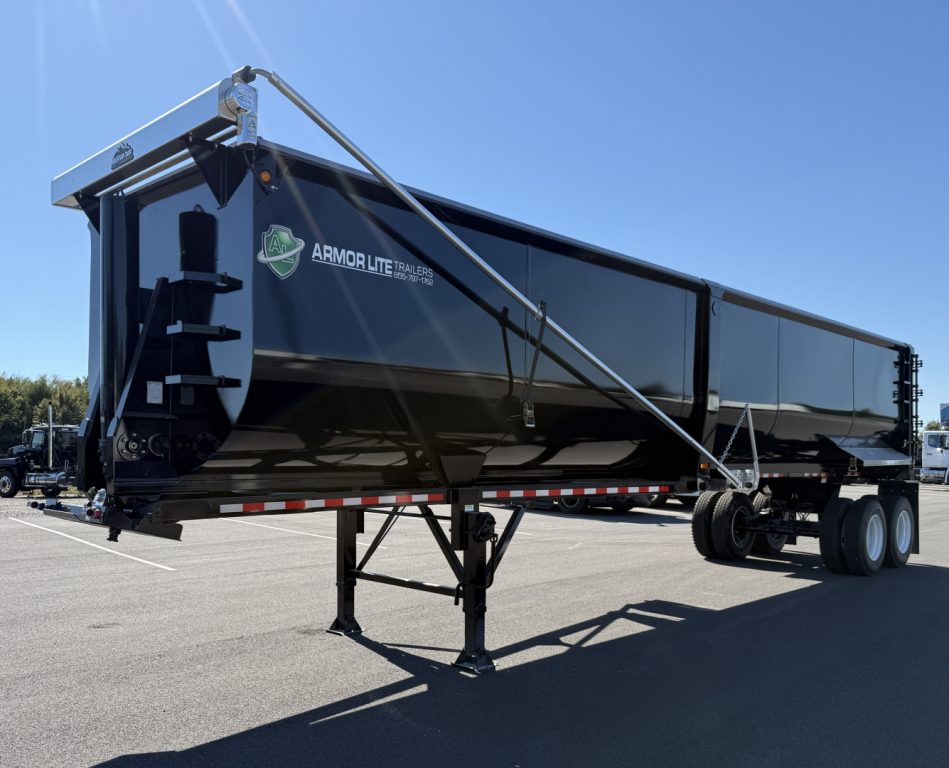
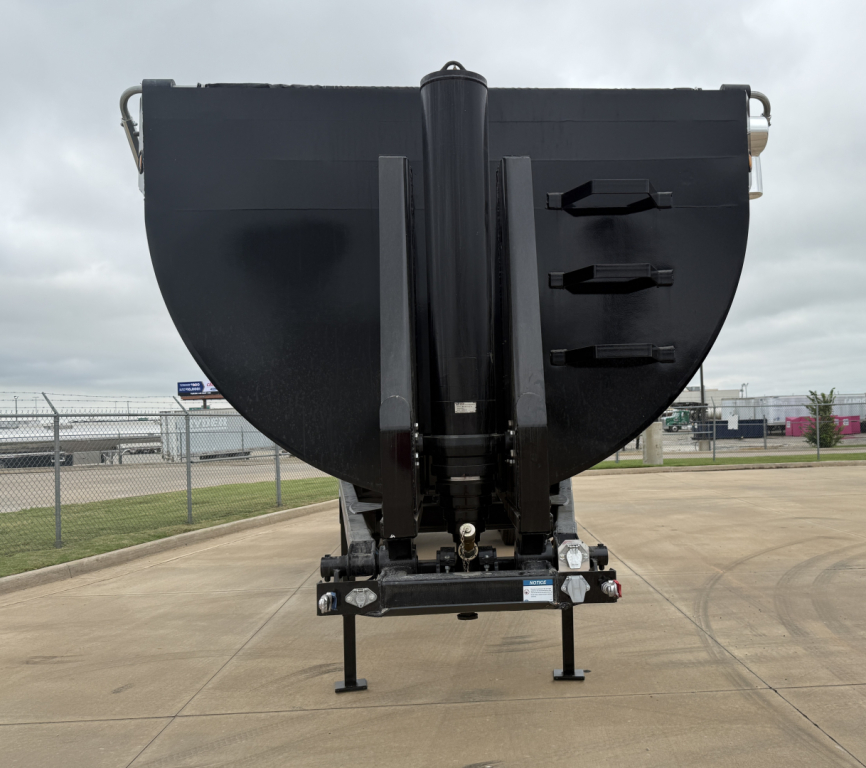
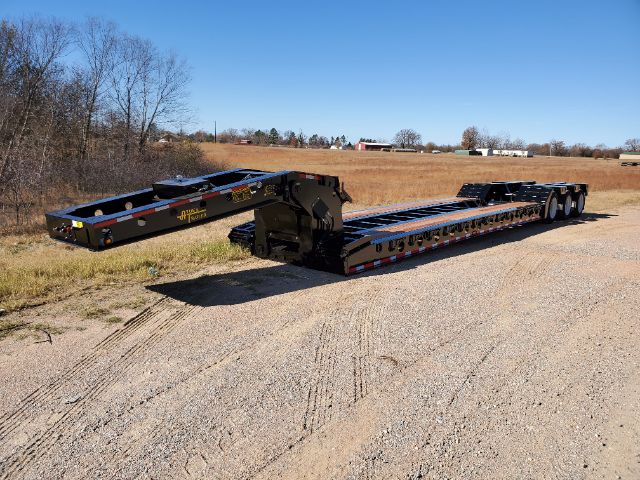
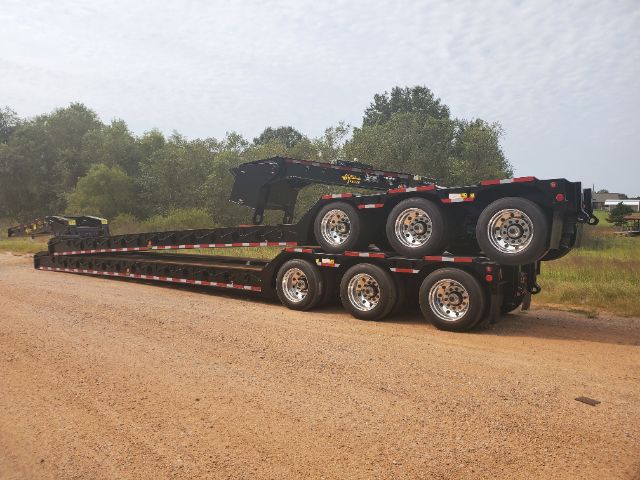
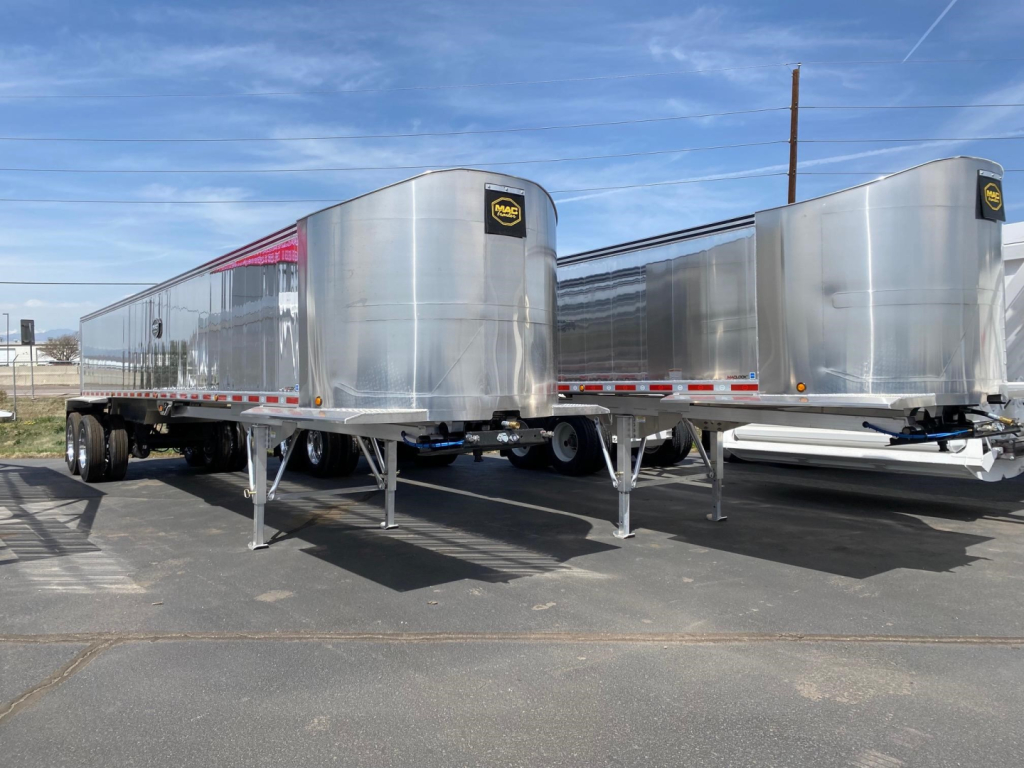
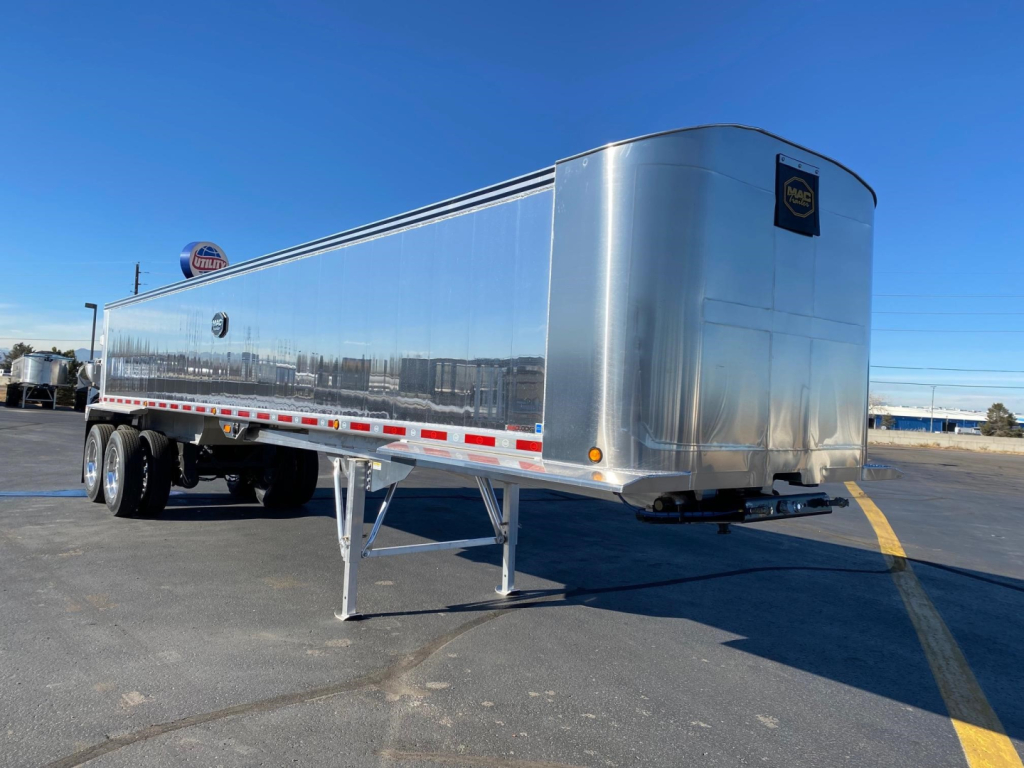
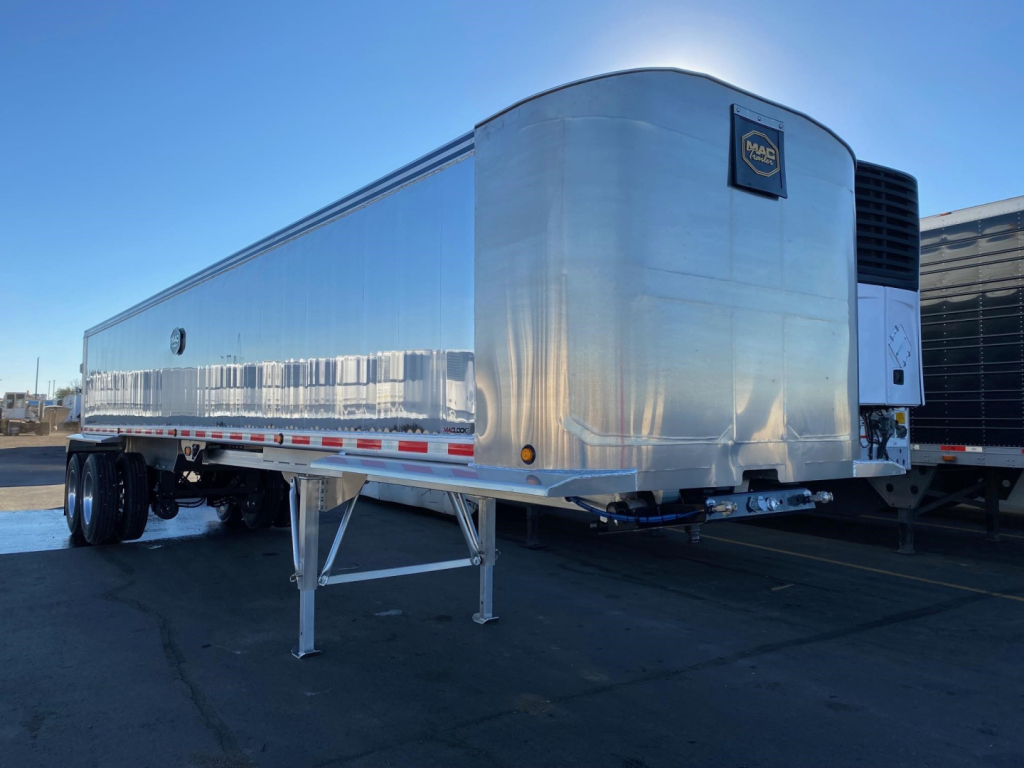
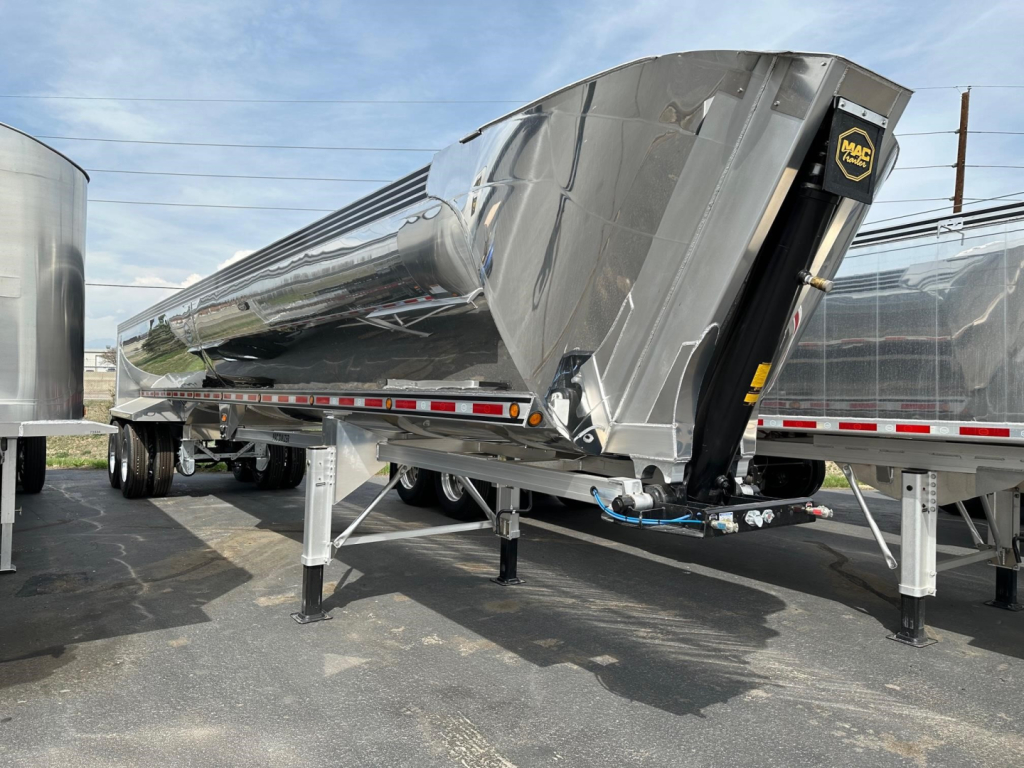
Lowboy trailers, including removable gooseneck or RGN trailers, are the heavy-equipment choice when deck height and concentrated load capacity matter more than versatility. Key buying points include well length, loaded deck height, axle count, tire size, neck style, outriggers, D-rings, and suspension design. A 26-foot well on a 53-foot trailer is a common setup for moving dozers, excavators, and other construction iron across Oklahoma job sites. Hydraulic goosenecks, apitong flooring, air ride suspensions, and tri-axle layouts are all common on heavy-haul specs. For dump trailers, frameless aluminum end dumps are popular where payload matters and corrosion resistance is valuable. Buyers should compare cubic yard capacity, body style such as half-round or flat wall, liner options, gate type, lift axle configuration, internal side height, and wheel and tire package. Top-hinged gates, air ride suspensions, front lift axles, and aluminum wheels are frequent specs on units intended for aggregate and material hauling.
The best trailer choice comes down to legal payload, loading method, route conditions, and how often the trailer changes assignments. A contractor moving compact equipment every day may prioritize ramps, beavertail geometry, and lower deck height. A steel or building-products hauler may care more about winch count, forklift package, bulkhead setup, and deck durability. A dump trailer buyer usually focuses on body capacity, liner life, suspension stability, and empty weight. In Oklahoma, buyers should also consider regional maintenance support, brake type, tire size commonality, and how the axle configuration fits bridge laws and jobsite maneuverability. Good trailer specs save time at the dock, reduce damage during loading, and keep the trailer productive across more lanes and seasons.
Frequently Asked Questions about Trailers in Oklahoma
What type of trailer is best for hauling equipment in Oklahoma?
For routine equipment hauling, the best trailer depends on machine weight, machine height, and how the equipment is loaded. A drop deck works well for lighter or mid-weight equipment that can be driven up ramps, while a lowboy or RGN is better for taller and heavier machines because the deck sits lower and supports concentrated loads more effectively. Buyers hauling excavators, dozers, or larger construction equipment usually focus on well length, axle count, loaded deck height, and gooseneck style before anything else.
What is the difference between a flatbed and a drop deck trailer?
A flatbed has a full-height, straight deck from front to rear, which makes it ideal for general freight, side loading, and overhead loading. A drop deck, also called a step deck, has an upper deck and a lower main deck, allowing taller freight to ride lower and stay within legal height limits more easily. Buyers choosing between the two usually compare freight profile, loading method, securement needs, and whether the lower deck creates enough flexibility to justify the more specialized design.
Why do many dump trailer buyers choose frameless aluminum end dumps?
Frameless aluminum end dumps are popular because they keep empty weight down, resist corrosion, and maximize payload for bulk materials. That makes them a strong fit for aggregate, demolition debris, and similar work where payload efficiency drives revenue. Buyers still need to match body shape, liner type, gate design, suspension, and lift axle spec to the material being hauled, because sticky material, rough jobsite conditions, and uneven dumping surfaces can all affect long-term durability and stability.
What trailer specs matter most when comparing lowboys or RGN trailers?
The most important lowboy and RGN specs are axle count, capacity rating, well length, loaded deck height, neck design, and deck width. Outriggers, D-rings, flooring material, tire size, and suspension type also matter because they affect securement flexibility, maintenance cost, and how the trailer handles heavy equipment. Buyers should compare these specs against the actual machines they move most often, not just the highest advertised capacity.
Are air ride suspensions common on trailers for sale in Oklahoma?
Yes. Air ride suspension is common across flatbeds, drop decks, lowboys, and dump trailers because it improves ride quality, helps protect freight or equipment, and can improve handling on mixed highway and secondary-road use. It is not the only workable suspension, but many buyers prefer it for regional hauling, equipment transport, and material operations where trailer stability and cargo protection are important.