
New Trailers For Sale in New Mexico
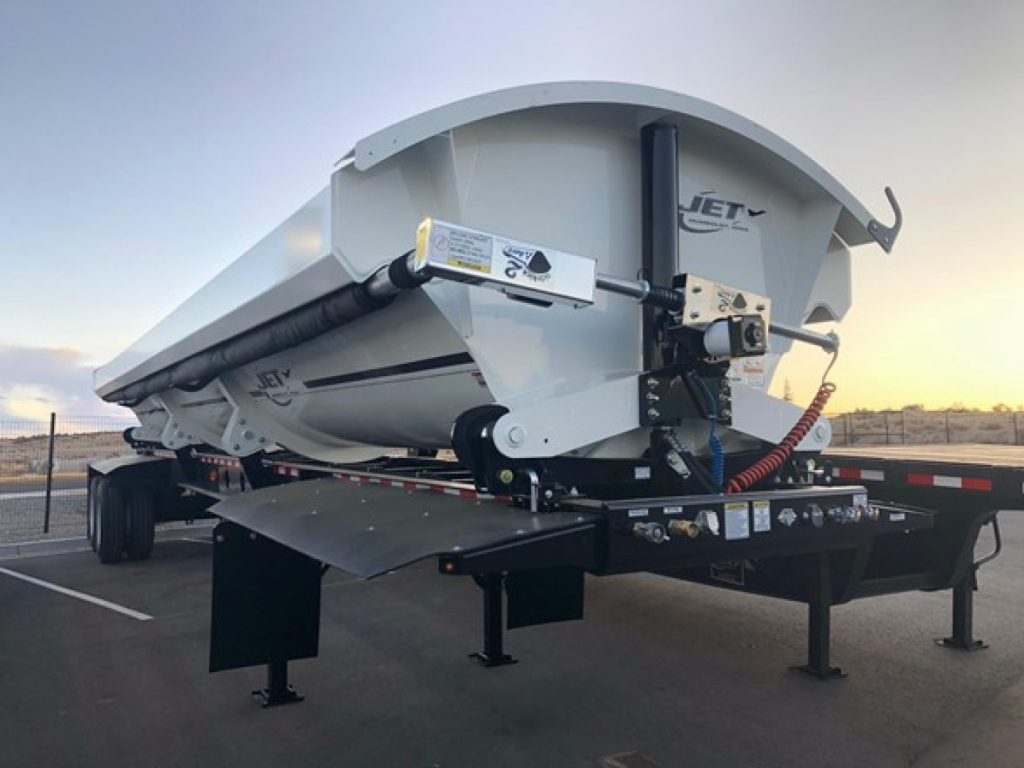
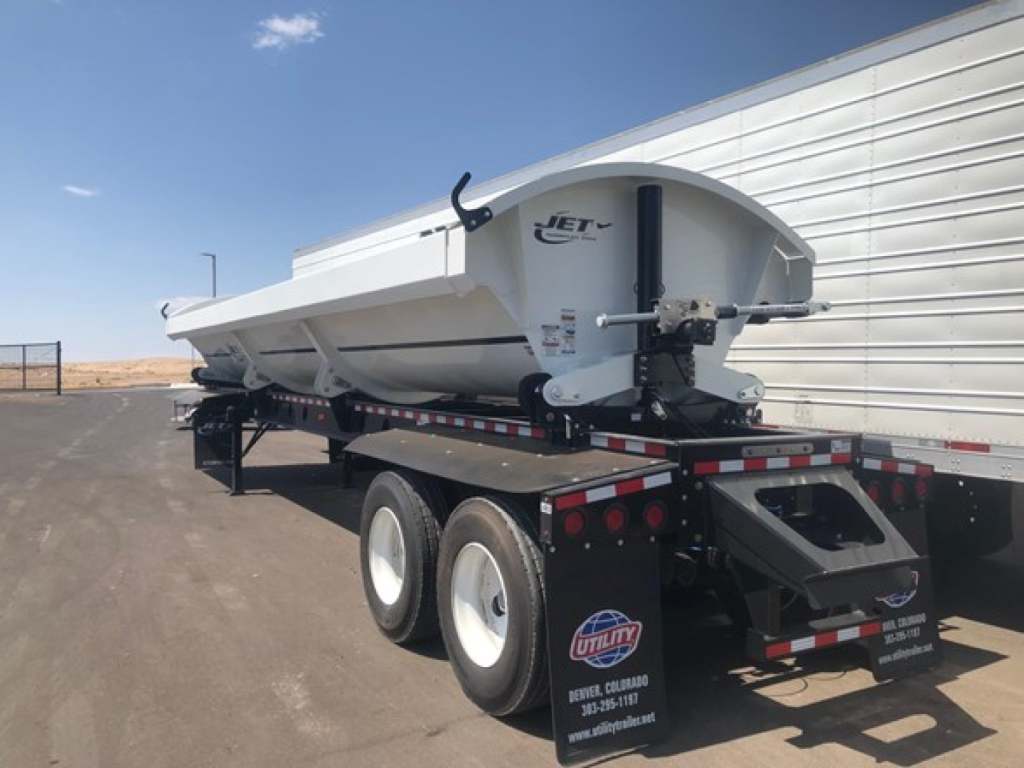
Shop new trailers for sale in New Mexico, including flatbeds, hoppers, dump trailers, and lowboys built for heavy-duty regional hauling.
Learn morePopular Trailers Categories
Showing 13 to 15 of 15 results
Have new trailer to sell? List it here to reach thousands of buyers.
About New Trailers in New Mexico
Frequently Asked Questions
What types of new trailers are most common for buyers in New Mexico?
The most common new trailer types in New Mexico include flatbed trailers, hopper bottom trailers, dump trailers, and lowboy trailers. Flatbeds are used for building materials, machinery, and general open-deck freight. Hopper trailers are common in agricultural hauling for grain and feed. Dump trailers are widely used in construction, aggregate, and paving work. Lowboys are selected for heavy equipment transport, especially when load height and concentrated weight make a standard deck trailer impractical.
What should I compare first when shopping for a new trailer?
Start with the trailer’s intended application, then compare structural specs that directly affect payload and loading efficiency. For flatbeds, key items include length, construction type, axle spread, suspension, winch track, coil package, and sliding axle setup. For hoppers, look at side height, hopper style, tarp system, suspension, and discharge operation. For dump trailers, compare tub length, wall height, material thickness, gate style, suspension, and tarp system. For lowboys, focus on ton rating, well length, neck type, axle count, kingpin settings, outriggers, and any lift axle or fourth axle provisions.
Are air ride suspensions worth it on a new trailer?
Air ride suspension is a strong value for many operations because it improves ride quality, helps protect cargo, and can reduce shock transfer into the trailer structure. It is especially common on flatbeds, hoppers, and many lowboys. On dump trailers, the decision depends on the material hauled, road conditions, and maintenance preference, since some buyers still prefer simpler suspension designs for severe-duty work. The best choice comes down to freight sensitivity, expected mileage, and how much emphasis you place on ride control versus simplicity.
How do I choose between aluminum, steel, and combo trailer construction?
Material choice affects tare weight, durability, repair approach, and long-term operating cost. Aluminum trailers generally save weight and can improve payload, which is attractive in bulk and open-deck applications. Steel trailers are often preferred in harsher duty cycles like demolition, rock, and scrap because of their impact resistance and repair familiarity. Combo trailers, such as flatbeds with steel main beams and aluminum decking or crossmembers, are designed to balance strength and weight. Buyers should match construction type to freight, loading methods, corrosion exposure, and maintenance capabilities.
What matters most when buying a new lowboy trailer?
The most important factors on a lowboy are legal load height, concentrated load capacity, deck and well dimensions, and detach style. A 55-ton rating, for example, only tells part of the story because capacity is often measured over a specific section of the deck, such as in 12 feet. Buyers should confirm the equipment’s axle spacing, track width, machine weight, and attachment position against the trailer’s well length, beam design, and tie-down layout. Features like hydraulic detachable necks, outriggers, load-bearing fenders, ride height adjustment, and additional axle provisions can make a major difference in day-to-day versatility.