
Mac Trailers For Sale
Browse Mac trailers for hauling bulk materials, aggregates, scrap, and palletized freight, including dump, pneumatic dry bulk, and curtainside models.
Learn moreBrowse Mac Trailers by Category
Showing 25 to 34 of 34 results
Have mac trailer to sell? List it here to reach thousands of buyers.
About Mac Trailers
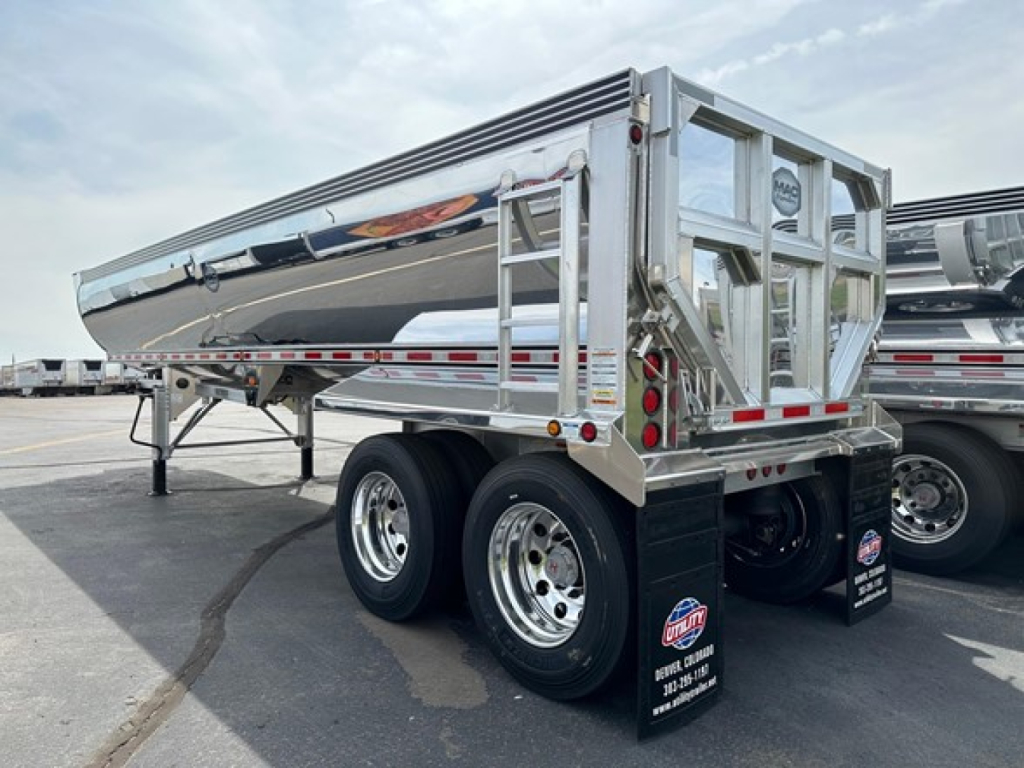
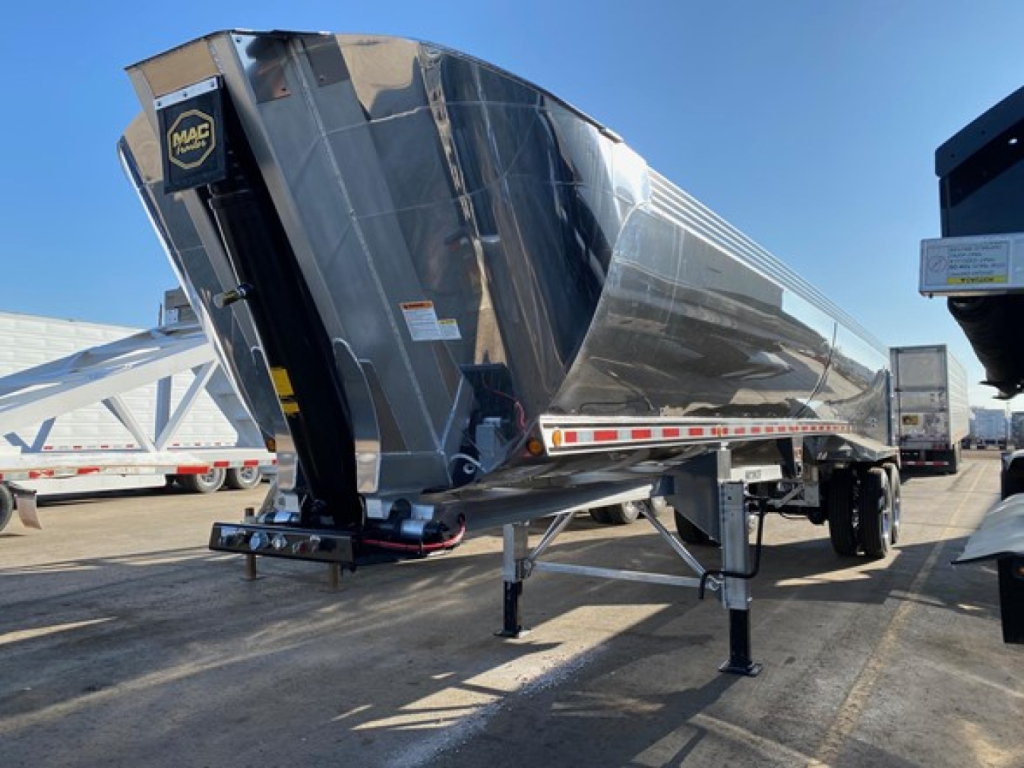
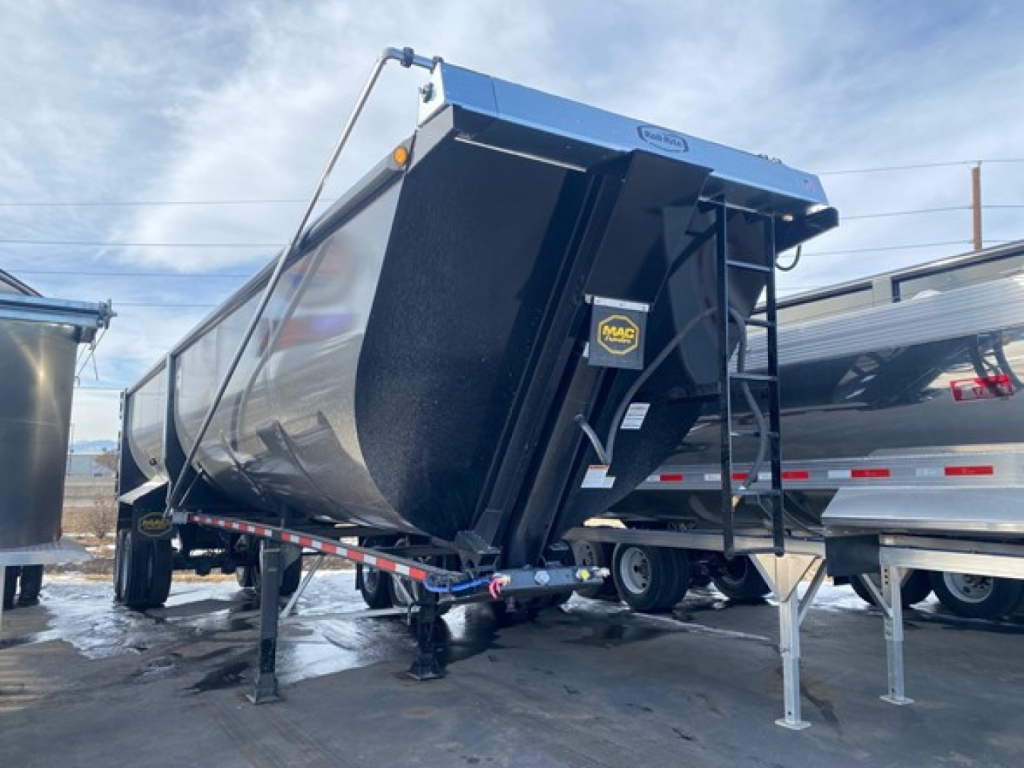
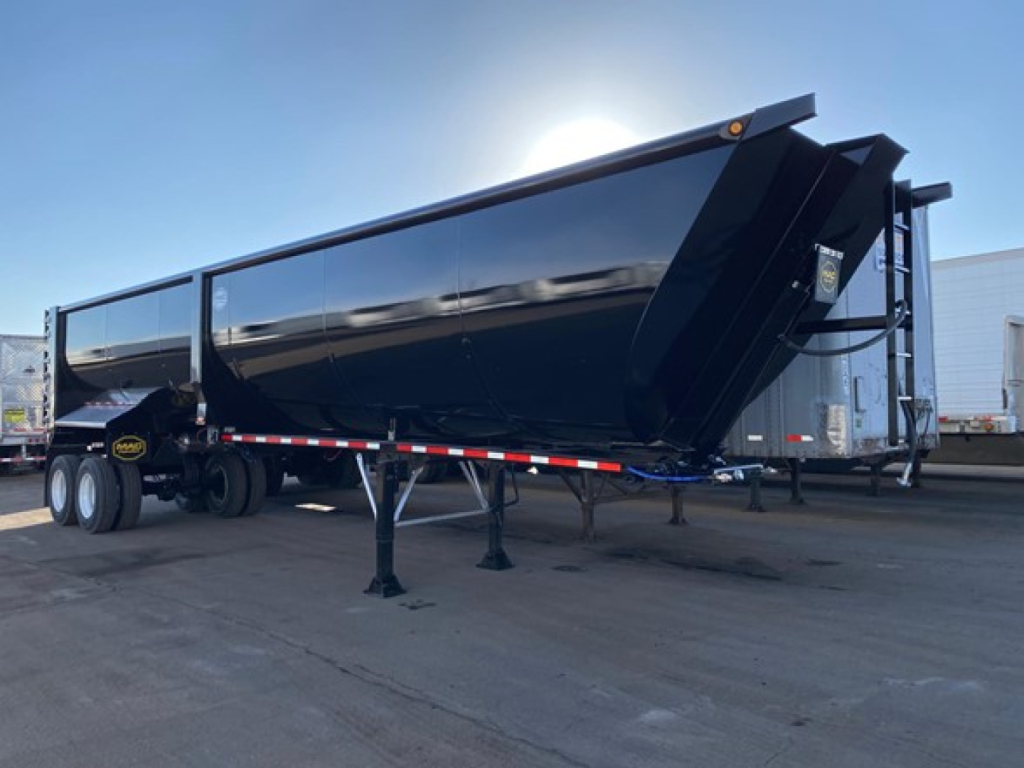
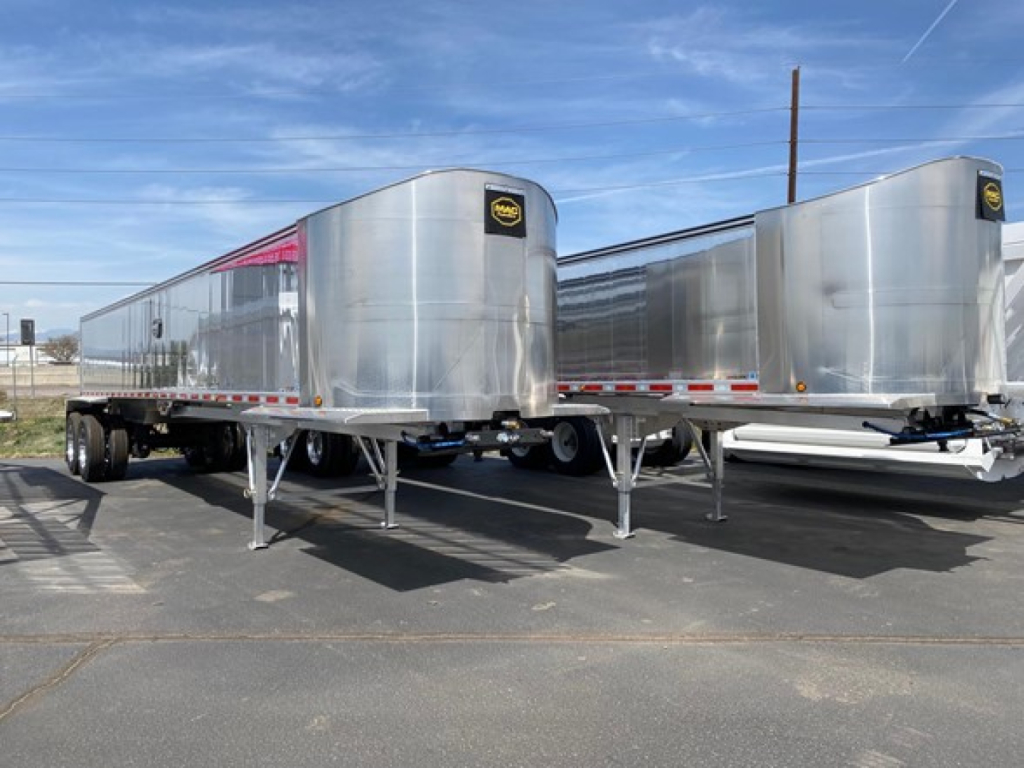
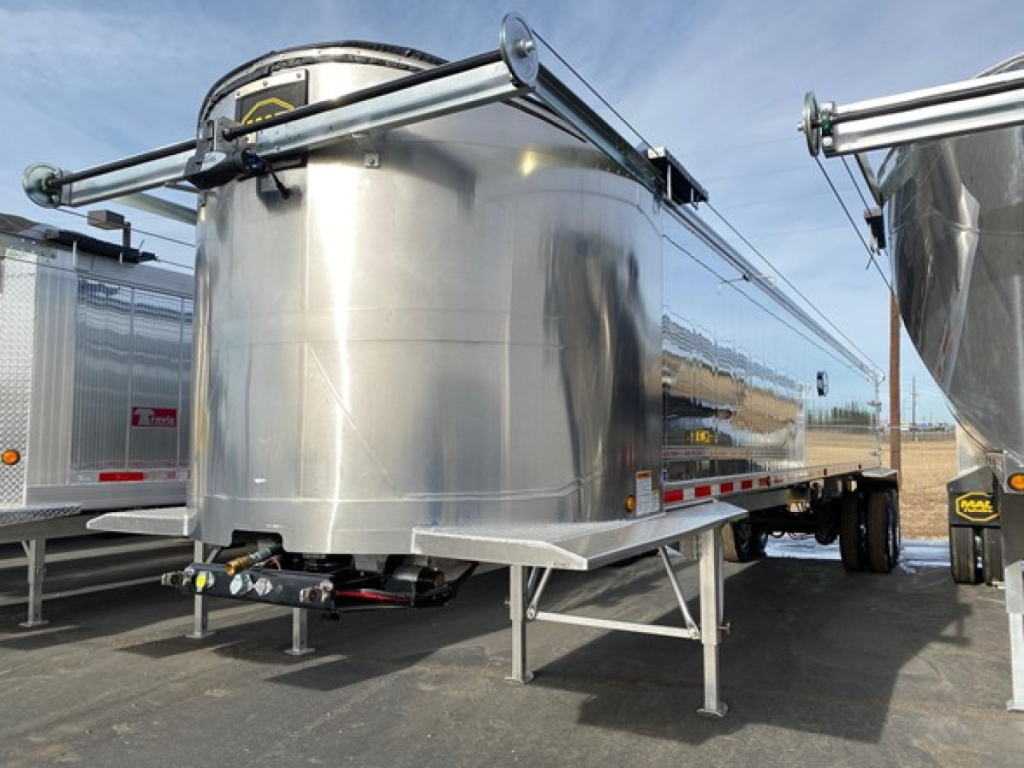
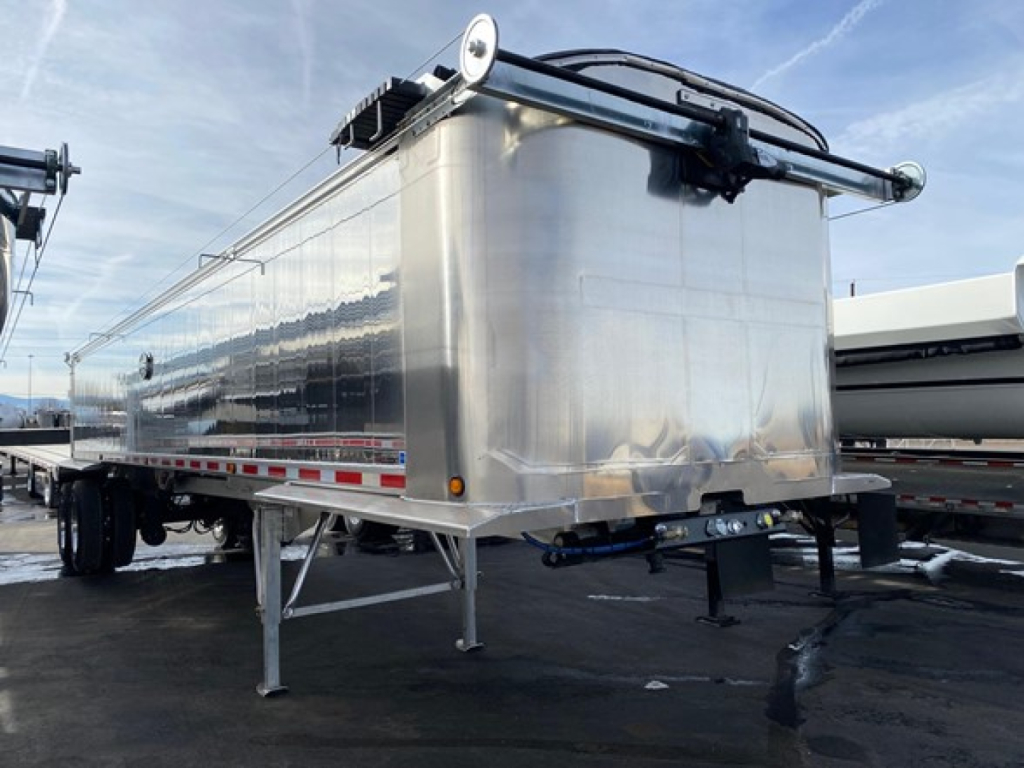
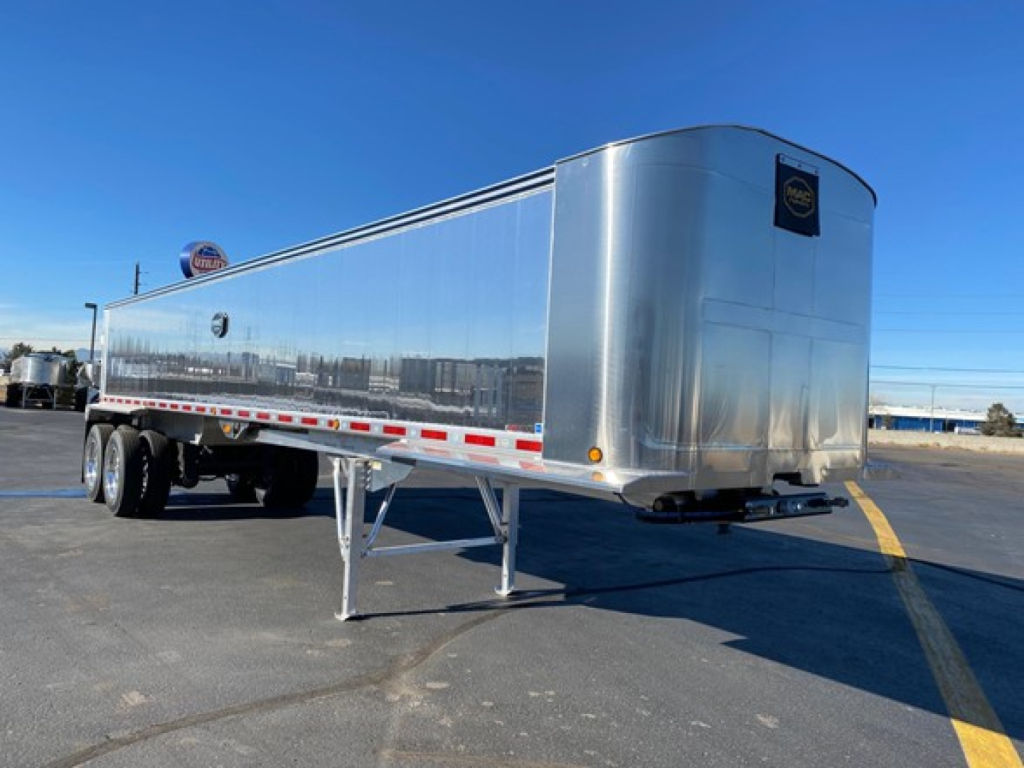
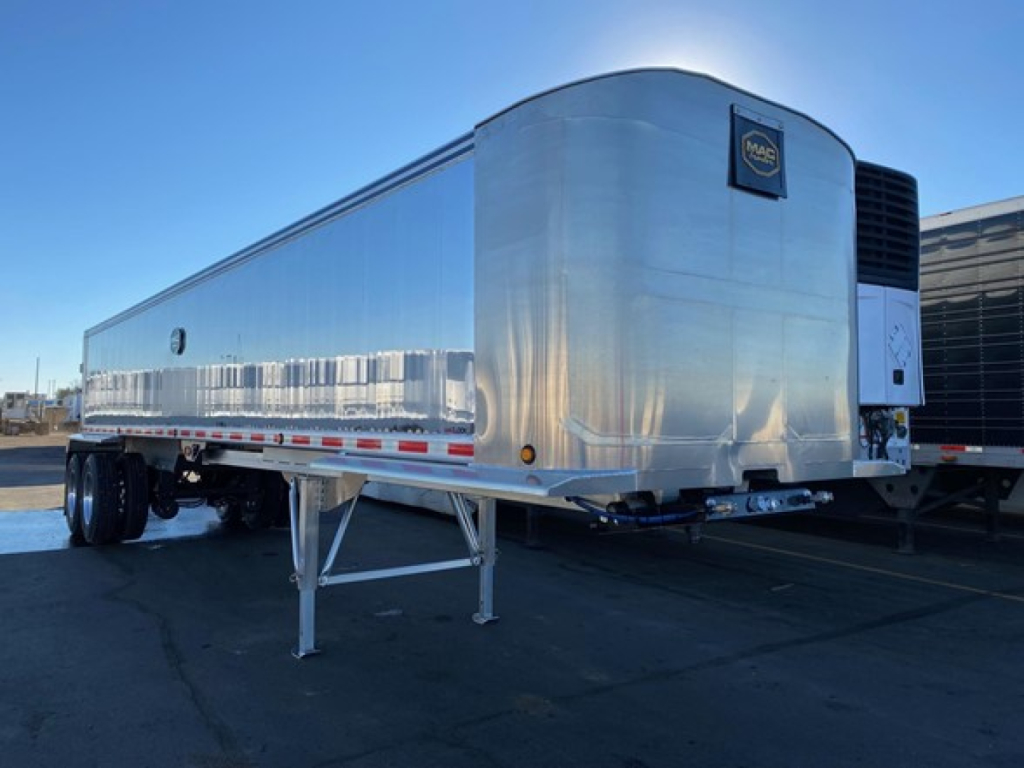
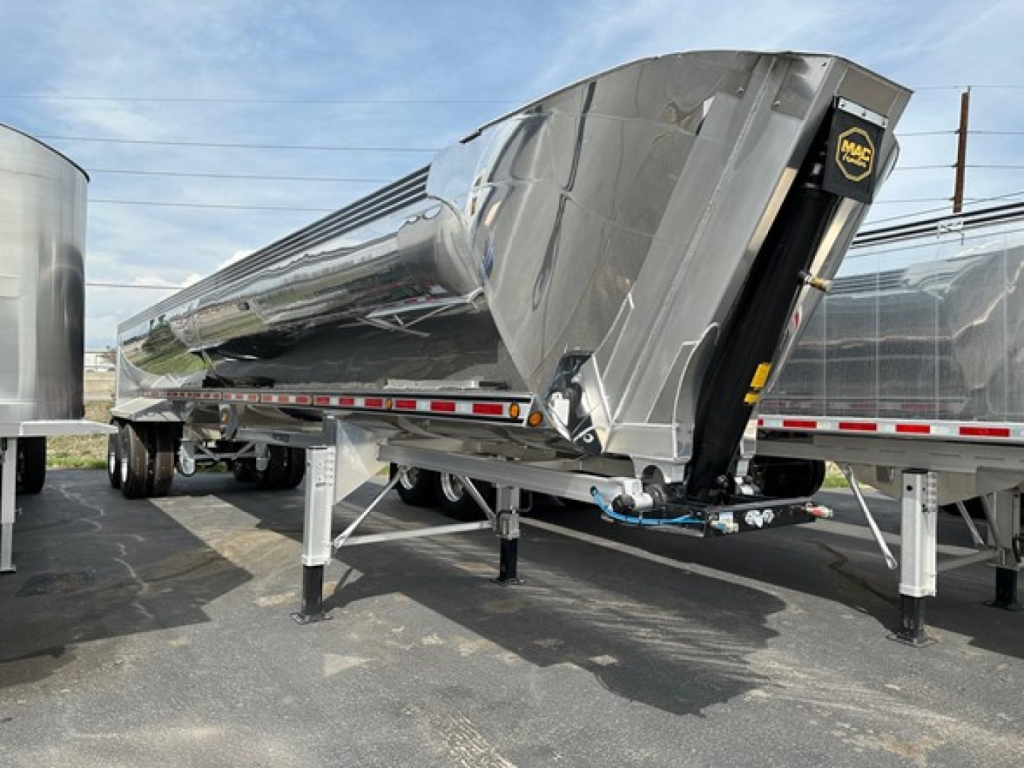
For dump applications, MAC frameless aluminum end dumps are a common choice for sand, gravel, millings, demolition debris, and other free-flowing materials. Key decisions usually start with body style and gate configuration. Half-round or tub-style bodies typically improve cleanout and material flow, while flat nose and square-front designs can affect capacity and loading characteristics. Buyers should compare trailer length, side height, cubic yard capacity, liner type, top-hinge or combo gate setup, suspension layout, and whether a lift axle is spec'd. Closed tandem air ride suspensions are common, and details like 102-inch axle settings, electric tarp systems, rear ladders, and aluminum wheel packages matter when the trailer is running daily in paving or quarry work.
In pneumatic dry bulk service, MAC trailers are often spec'd around 1,050 cubic feet with three hoppers, aluminum barrels, and tandem axle air ride configurations. These trailers are used for cement, lime, fly ash, sand, and other dry bulk products that need pressure unloading. Buyers should pay close attention to discharge plumbing, aeration layout, valve brand and size, manhole count, hopper configuration, rear discharge style, and overall trailer weight. Adjustable kingpin settings, hose tube storage, fittings cabinets, and raised center axle suspensions can all affect day-to-day usability and axle balance. On used units, barrel condition, piping material, landing gear wear, brake life, and fifth wheel plate condition deserve a close look because those items directly affect operating cost and uptime.
MAC also shows up in aluminum platform and curtainside configurations, including trailers equipped with Conestoga-style rolling tarp systems for freight that needs weather protection with side loading access. In that segment, floor construction, crossmember spacing, bulkhead design, winch track location, coil package equipment, and overall deck spec are more important than brand name alone. Across the MAC lineup, the best value comes from matching the trailer spec to the commodity, route, and unloading method instead of shopping by price only. Capacity, empty weight, suspension design, gate or discharge setup, and corrosion resistance will have more impact on long-term performance than cosmetic condition alone.
Frequently Asked Questions
What types of MAC trailers are most common on the used market?
The most common MAC trailers buyers will see are aluminum end dump trailers, pneumatic dry bulk trailers, and aluminum flatbed or curtainside-style trailers. End dumps are popular in aggregate, asphalt, and construction work. Pneumatic trailers are common in cement, sand, lime, and other dry bulk hauling. Platform and curtainside models are typically used where low tare weight and corrosion resistance are important.
Why do many buyers choose a MAC aluminum trailer?
Many buyers choose MAC because aluminum construction can reduce empty weight and improve payload without giving up the structural features needed for demanding haul cycles. That matters in bulk hauling where every pound of tare weight affects revenue. Aluminum also offers strong corrosion resistance, which is important in regions with road salt, wet material exposure, or frequent washouts.
What should I check first on a used MAC end dump trailer?
Start with the body condition, liner wear, gate seal, hoist area, and suspension. Cracks around stress points, excessive denting, floor wear, and loose or damaged tarp hardware can indicate a trailer that has seen severe service. Also inspect axle alignment, brake condition, tire wear patterns, landing gear, and any signs of previous weld repairs. A clean tub matters, but structural condition matters more.
What matters most when buying a MAC pneumatic dry bulk trailer?
The most important items are cubic foot capacity, trailer weight, hopper count, barrel condition, aeration system, and discharge plumbing. Buyers should also confirm valve sizes, piping material, manhole layout, rear discharge configuration, and kingpin setting. The right specification depends on the product being hauled because cement, lime, sand, and plastic resin can each load and unload differently.
Are MAC trailers a good fit for weight-sensitive operations?
Yes. MAC trailers are often selected for operations where payload and tare weight are critical, especially in bulk commodity and aggregate hauling. The brand has a strong presence in lightweight aluminum trailer specifications, but the right fit still depends on commodity density, route conditions, axle laws, and how the trailer is loaded and unloaded each day.