
Landoll Trailers For Sale
Shop Landoll trailers for hauling equipment and machinery, including traveling axle and tilt models with low load angles and strong winch systems.
Learn moreBrowse Landoll Trailers by Category
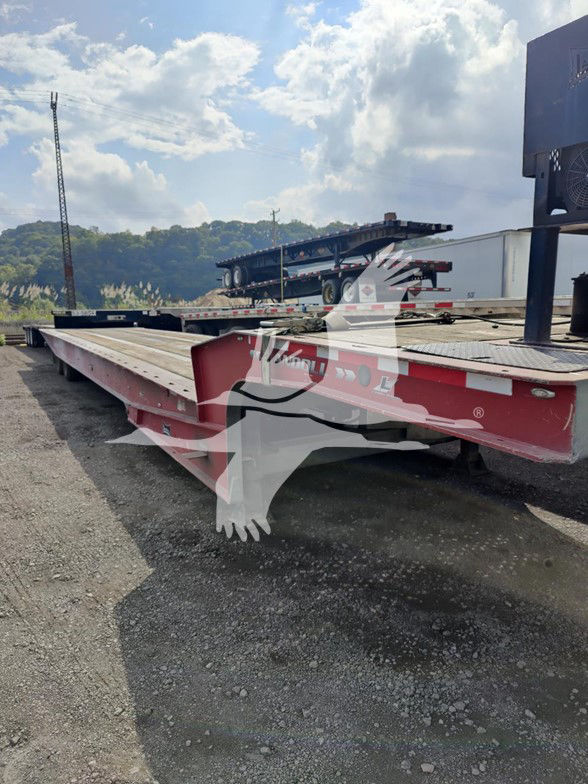
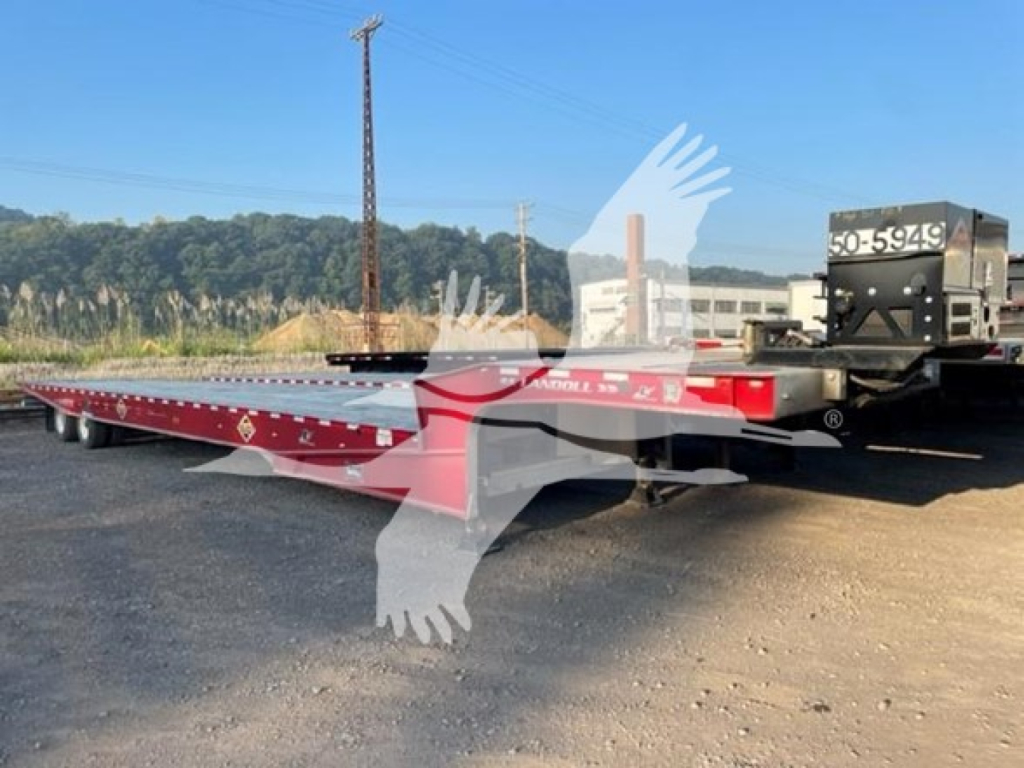
Showing 25 to 26 of 26 results
Have landoll trailer to sell? List it here to reach thousands of buyers.
About Landoll Trailers
The first decision is usually trailer style and loading method. A Landoll traveling axle trailer uses a sliding axle system and hydraulic tilt to lower the rear loading angle, which helps when loading low-clearance machines without long ramps. Common specs include 50-foot to 53-foot overall lengths, 102-inch width, tandem air ride suspension, and main deck heights around the upper-30-inch range when loaded. Many units are set up with 1 3/8-inch Apitong flooring, double keyhole chain slots on tight centers, steel perimeter beams, Braden winches in the 20,000-pound class, and wireless remote controls for tilt, winch, and axle travel. Buyers comparing listings should pay close attention to load angle, kingpin setting, deck length, hydraulic setup, and whether the trailer uses truck-supplied hydraulics or a pony motor.
Construction and corrosion protection matter on Landoll trailers because many spend their lives in severe service. Galvanized frames or galvanized side sections are common and can be a major value point for fleets running in snow, salt, and year-round jobsite conditions. Air ride suspensions from brands like Neway, 17.5-inch tires, Jost landing gear, centralized grease systems, LED lighting, and lockable toolboxes are all common features that affect long-term usability and maintenance cost. On used units, inspect the hydraulic cylinders, winch condition, remote functions, crossmember spacing, deck wear, chain slot damage, tire age, brake percentage, and any cracking or repairs around the suspension area and approach plate.
A good Landoll trailer fit depends on the machines you haul every week, not just maximum capacity on paper. Check concentrated load ratings, deck-in-10-foot ratings, overall trailer weight, and how the axle position affects bridge compliance and tractor setup. If your freight includes low ground-clearance equipment, the low approach angle can be more important than raw deck length. If you haul mixed machinery over longer distances, suspension condition, deck layout, tie-down placement, and galvanized construction may matter more than a small difference in payload. Landoll remains a strong choice for buyers who need a purpose-built equipment trailer with fast loading, secure tie-down options, and proven jobsite durability.
Frequently Asked Questions
What is a Landoll traveling axle trailer used for?
A Landoll traveling axle trailer is used primarily for hauling construction equipment, industrial machinery, forklifts, lifts, rollers, and other machines that benefit from a low loading angle. The hydraulic sliding axle and tilt deck design lets operators load equipment with less risk of dragging or high-centering compared with steeper ramp-style trailers. That makes this trailer type especially useful for low-clearance equipment and frequent load-and-unload cycles.
What should I check when buying a used Landoll trailer?
Focus first on the hydraulic system, because the tilt and axle travel functions are central to how the trailer works. Check cylinders for leaks, inspect hoses and couplers, verify remote operation, and confirm whether the unit runs from wet-line hydraulics or a pony motor. Also inspect deck condition, Apitong wear, chain slots, winch function, suspension components, tire date codes, brake wear, lighting, landing gear, and any frame or crossmember repairs. Corrosion protection is important, so galvanized sections can add value in harsh climates.
Why do buyers choose a Landoll instead of a standard equipment trailer with ramps?
The biggest reason is loading geometry. A Landoll trailer can offer a much lower load angle than a conventional fixed deck trailer with ramps, which helps with machines that have low ground clearance, long wheelbases, or delicate undercarriage components. It also speeds up loading in many applications because operators can avoid handling heavy ramps and can position equipment more precisely using the hydraulic tilt and winch system.
What specs matter most on a Landoll trailer listing?
The most important specs usually include overall length, usable deck length, loaded deck height, load angle, axle configuration, suspension type, and hydraulic setup. Buyers should also review kingpin setting, concentrated load ratings, winch capacity, tire size, flooring type, tie-down layout, and trailer weight. These details affect what machines the trailer can carry, how easily it loads, and how well it pairs with a specific tractor.
Are galvanized Landoll trailers worth paying more for?
For many buyers, yes. Galvanized construction can significantly improve corrosion resistance, especially in regions where trailers are exposed to road salt, moisture, and abrasive jobsite debris. A galvanized Landoll may hold condition better over time and can reduce refinishing needs compared with a painted-only trailer. The added value is usually strongest for fleets that keep trailers for several years or run them in demanding weather conditions.