
Flatbed Trailers For Sale
Shop flatbed trailers with aluminum or steel construction, air or spring ride, and specs suited for lumber, steel, machinery, and general freight.
Learn moreBrowse Flatbed Trailers by Make
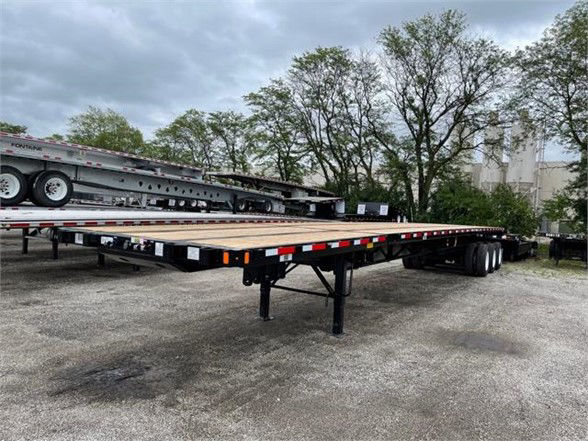
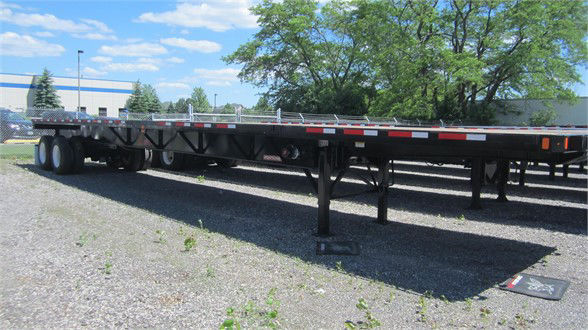
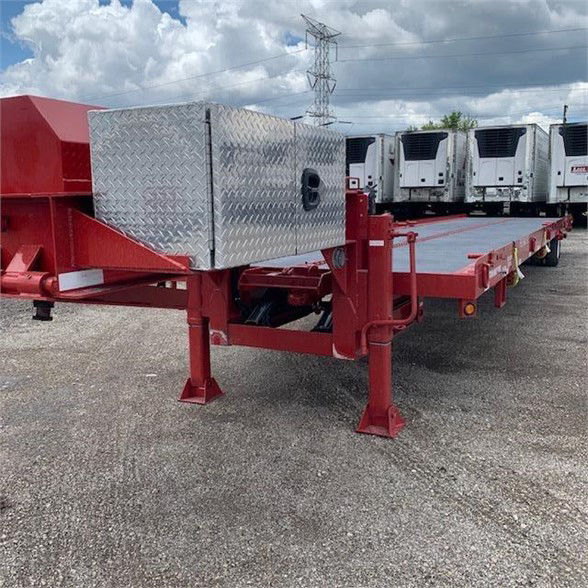
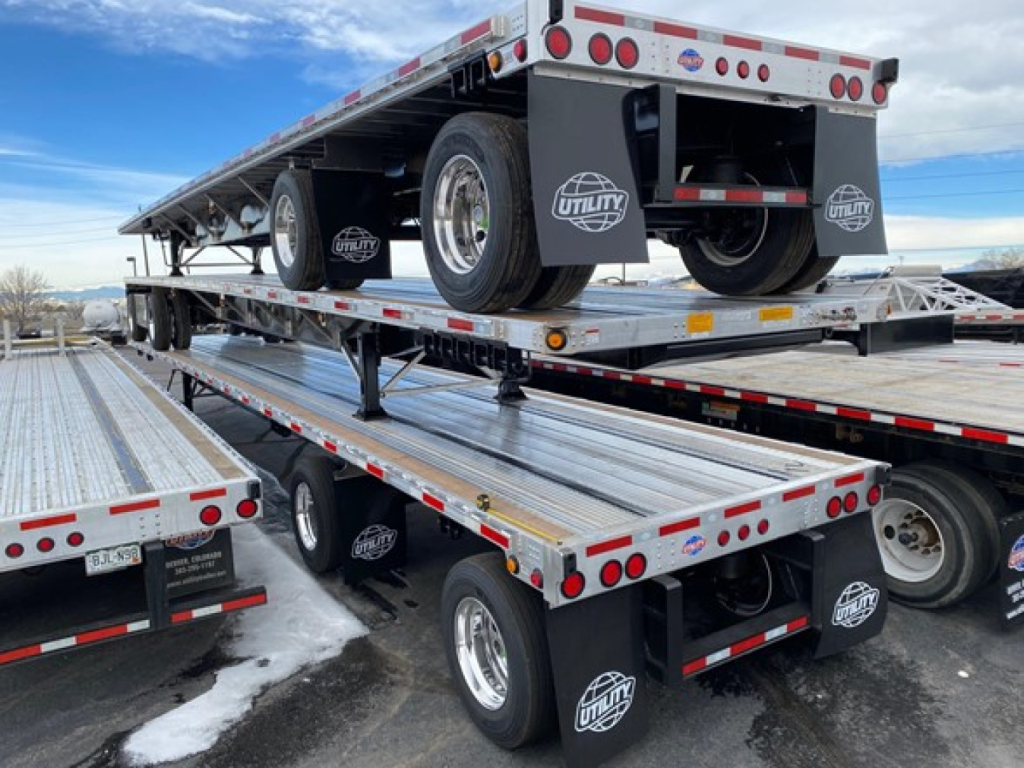
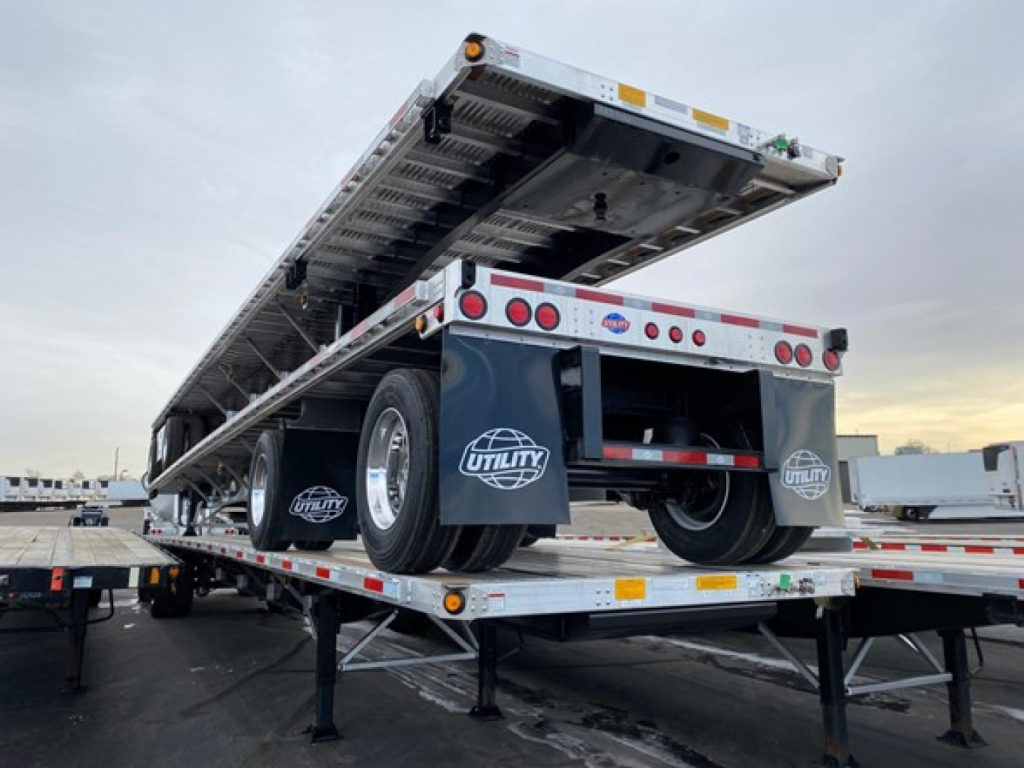
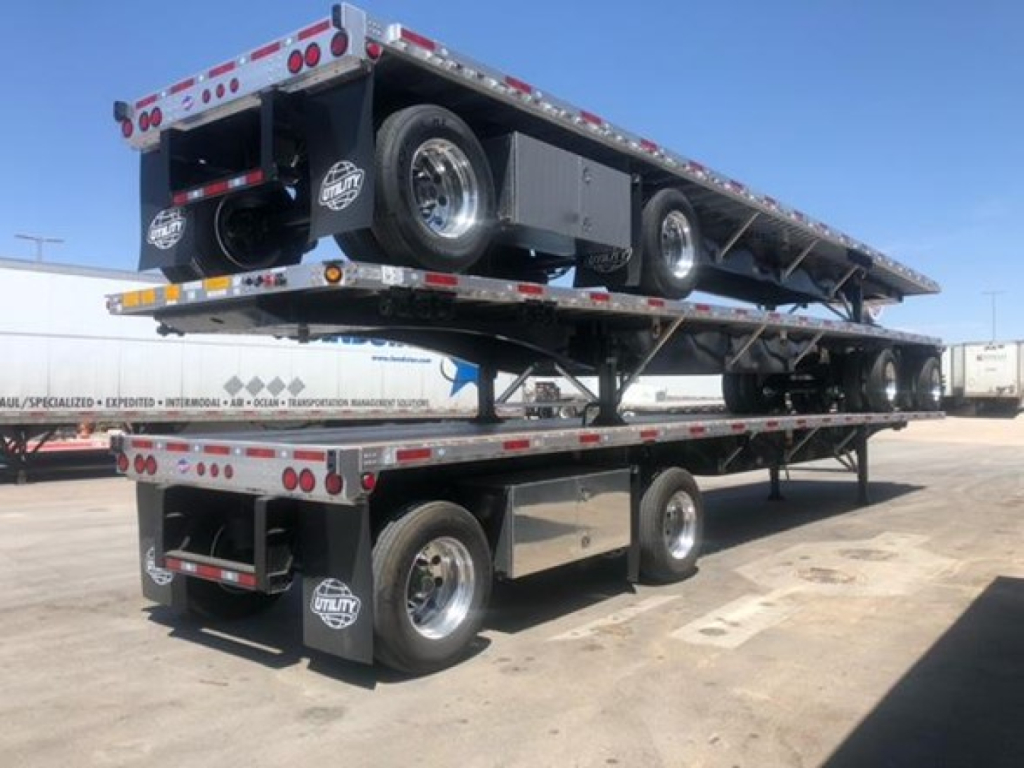
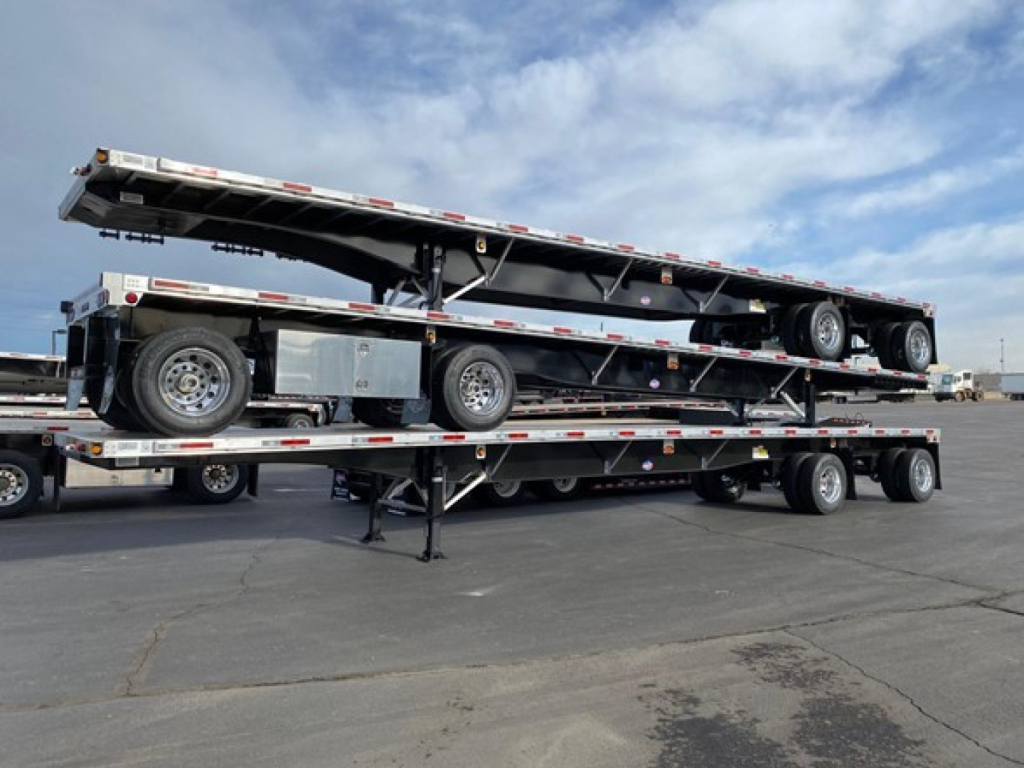
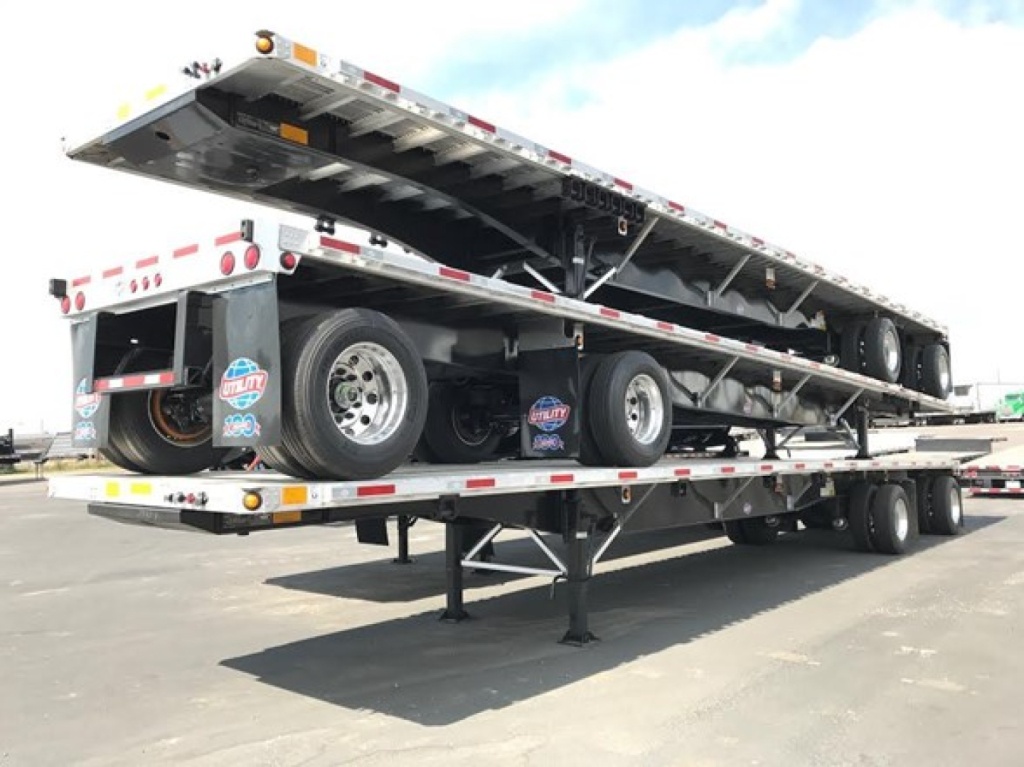
Showing 397 to 408 of 410 results
Have flatbed trailer to sell? List it here to reach thousands of buyers.
About Flatbed Trailers
One of the first decisions is aluminum versus steel. Aluminum flatbeds are favored when payload matters because they cut tare weight and resist corrosion, making them popular in general freight, building materials, and multi-stop work. Steel flatbeds usually cost less up front and remain common in heavier-duty applications where abuse resistance is a priority. Floor design also matters. Aluminum floors reduce weight, while apitong and other wood floors are still preferred by many operators for traction, repair simplicity, and securement flexibility. Side rails, stake pockets, pipe spools, sliding winch tracks, and nailing strips all affect how easily the trailer handles day-to-day securement.
Suspension and axle layout should match the lanes you run and the commodities you haul. Air ride is common on highway flatbeds because it improves ride quality and helps protect sensitive loads. Spring ride still has a place on vocational and heavier-use applications where simplicity is valued. Spread axles can improve weight distribution and are common on aluminum platform trailers, while sliding tandems give more flexibility for bridge compliance and loading balance. Buyers should also pay attention to kingpin setting, crossmember spacing, landing gear spec, tire size, wheel material, and whether the trailer has features like dump valves, tire carriers, coil package options, or dual-sided winch tracks.
Not every flatbed is built for the same freight. A standard platform trailer is different from a beavertail flatbed with ramps for equipment loading, and both differ from an extendable flatbed designed for long loads such as steel, pipe, or precast components. Capacity, deck height, securement points, and overall trailer weight all affect revenue potential. The best flatbed trailer for sale is the one that matches your typical load length, securement method, axle laws, and maintenance expectations without adding unnecessary tare weight or features you will not use.
Frequently Asked Questions
What is the most common flatbed trailer size?
The most common flatbed trailer size is 48 feet long and 102 inches wide. This configuration works for a wide range of legal freight, fits standard loading docks and jobsite handling practices, and remains the baseline spec for general commodity hauling. Some operations move up to 53-foot platforms or choose extendable flatbeds when longer freight is routine.
Should I buy an aluminum or steel flatbed trailer?
Aluminum flatbed trailers are usually the better choice when payload, fuel efficiency, and corrosion resistance are high priorities. Steel flatbeds generally have a lower purchase price and can make sense for tougher duty cycles where cosmetic wear is less important and added trailer weight is acceptable. The right choice depends on your freight mix, annual miles, and how much value you place on tare weight savings over the life of the trailer.
What axle setup is best for a flatbed trailer?
Tandem axle flatbeds are the standard for general freight, but spread axle and sliding tandem setups each serve a different purpose. Spread axles can improve weight distribution and are common on lightweight aluminum trailers, though they can be harder on tires in tight turns. Sliding tandems give the operator more flexibility for bridge laws and load positioning. Tri-axle flatbeds are more specialized and are often used when higher weight capacity or vocational hauling demands it.
What features matter most on a flatbed trailer for load securement?
The most important flatbed securement features usually include stake pockets, sliding winches, winch tracks, pipe spools, rub rails, and a floor that supports your preferred tie-down methods. Buyers hauling steel may prioritize coil package options and tighter crossmember spacing, while building materials haulers may focus on nailing strips and side access. A securement layout that matches your freight reduces loading time and helps keep drivers compliant and efficient.
When does an extendable flatbed make sense?
An extendable flatbed makes sense when you regularly haul freight longer than a standard 48-foot deck, such as pipe, structural steel, or oversized construction materials. The advantage is flexibility because the trailer can run in a shorter closed position for standard loads and extend when needed for long freight. Buyers should pay close attention to extension lock spacing, weight capacity when extended, deck strength, and axle placement because these details directly affect legal loading and ease of use.