
Drop Deck Trailers For Sale in Texas
Shop drop deck trailers for sale in Texas. Compare step deck specs, deck lengths, axle setups, tie-down options, and heavy-haul features.
Learn moreBrowse Drop Deck Trailers by Make
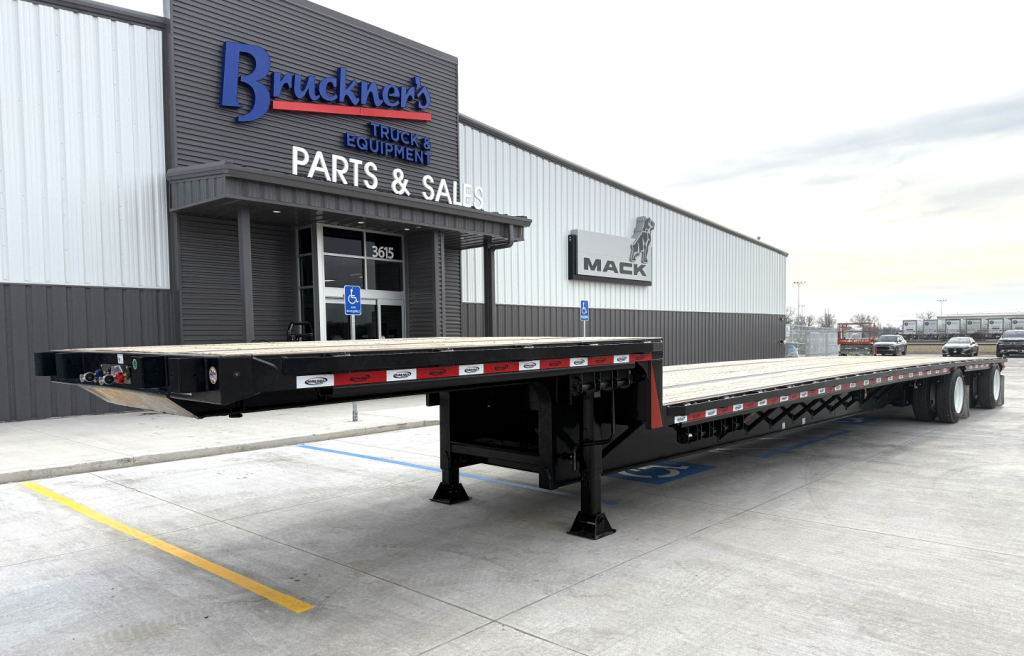
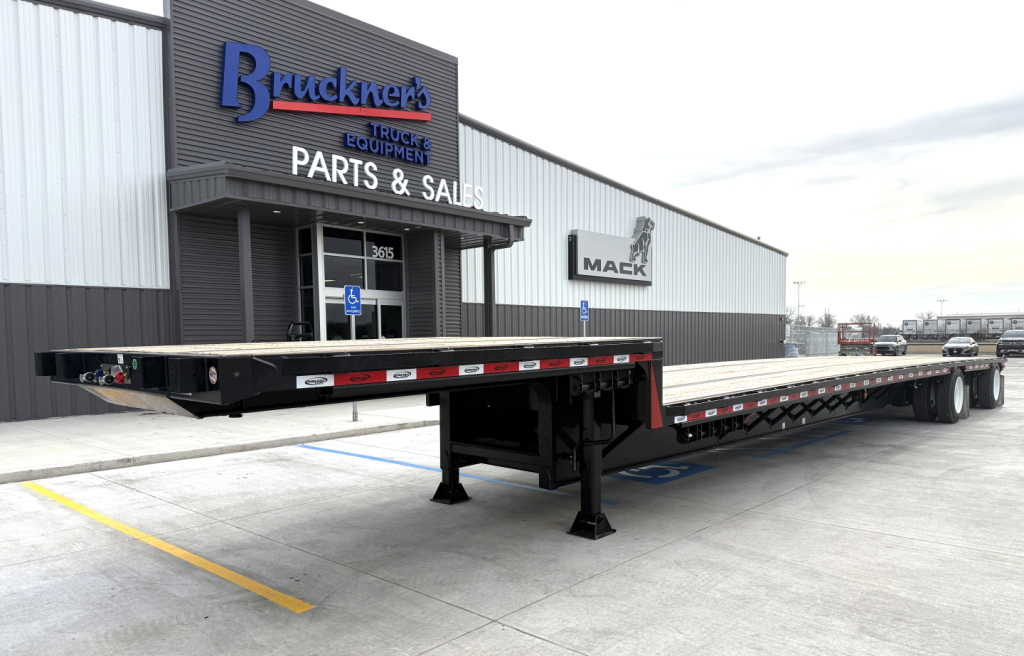
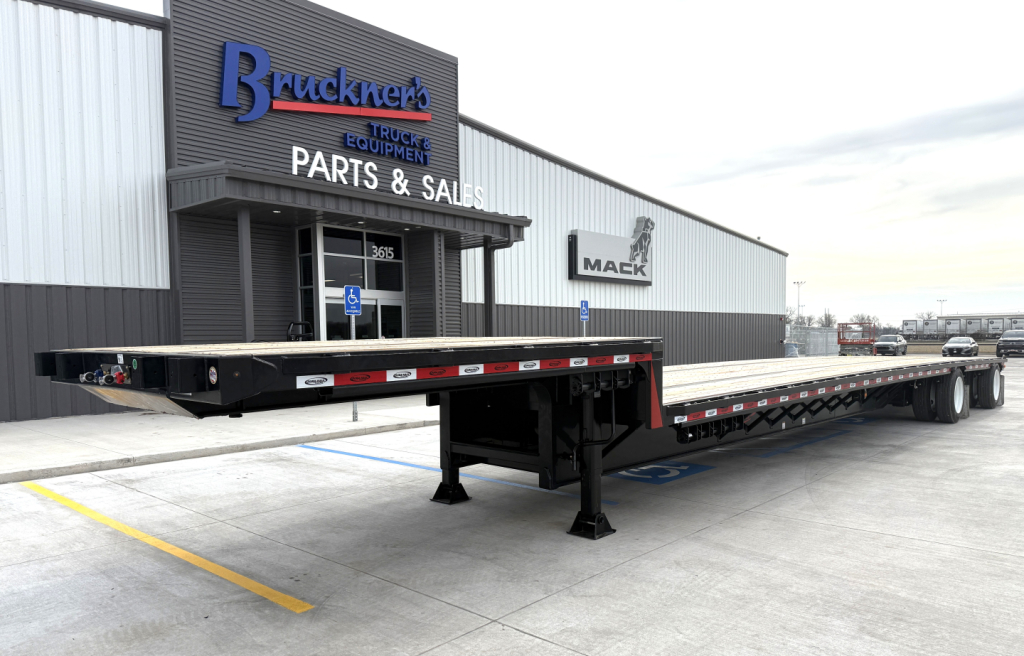

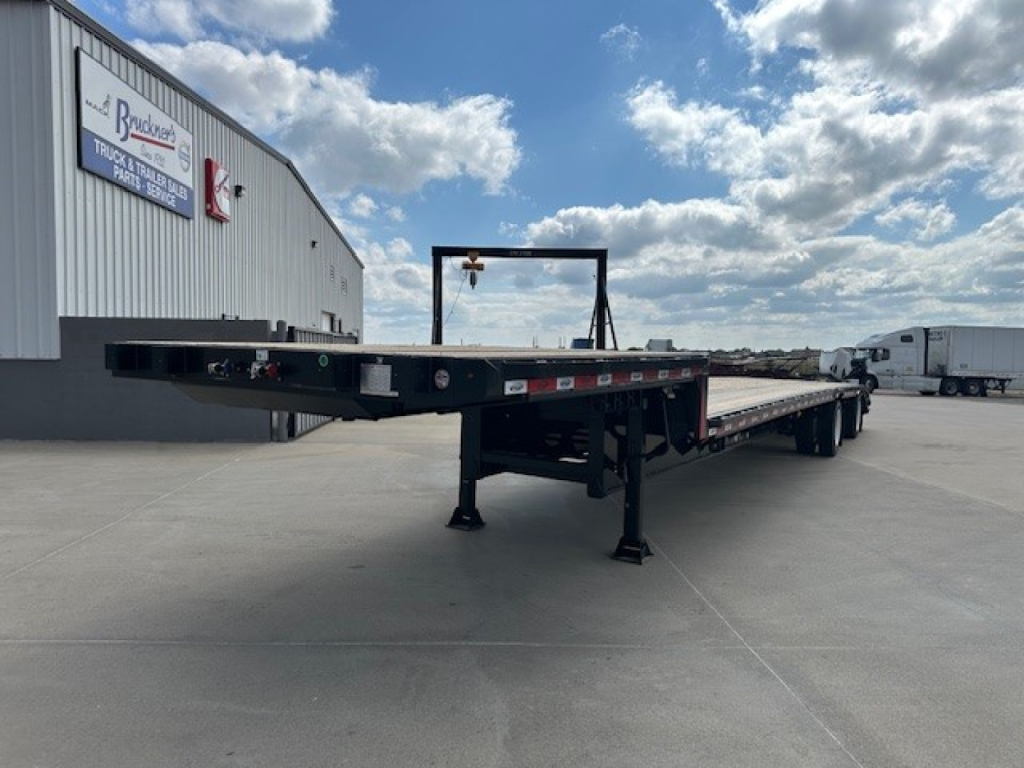
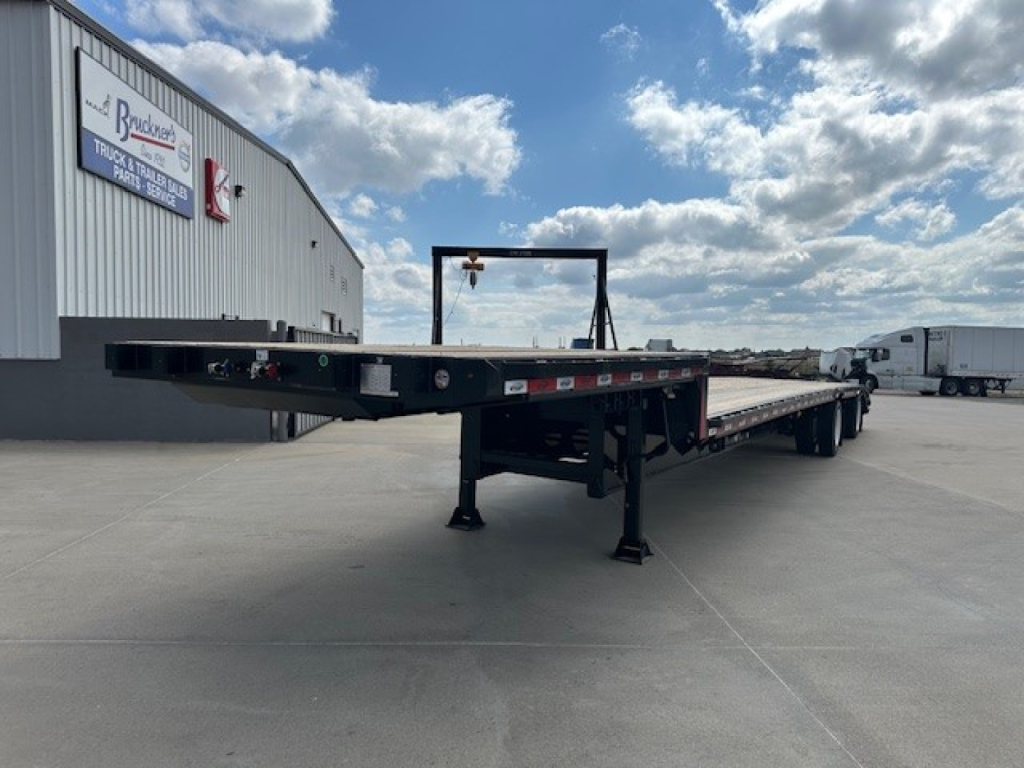
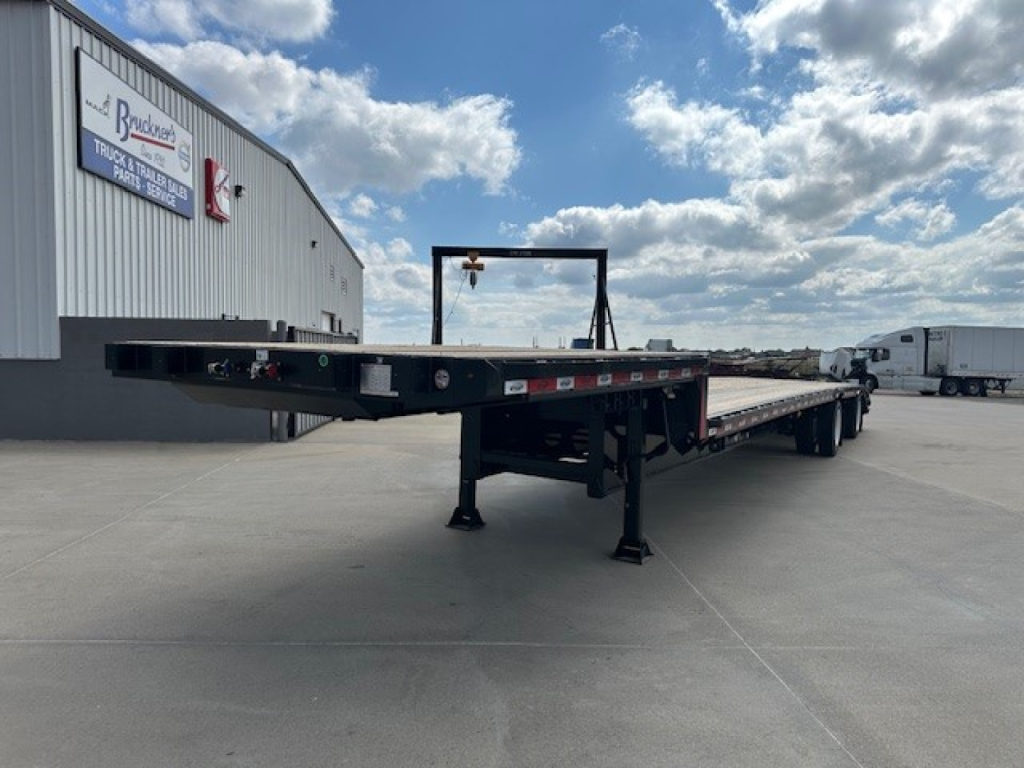
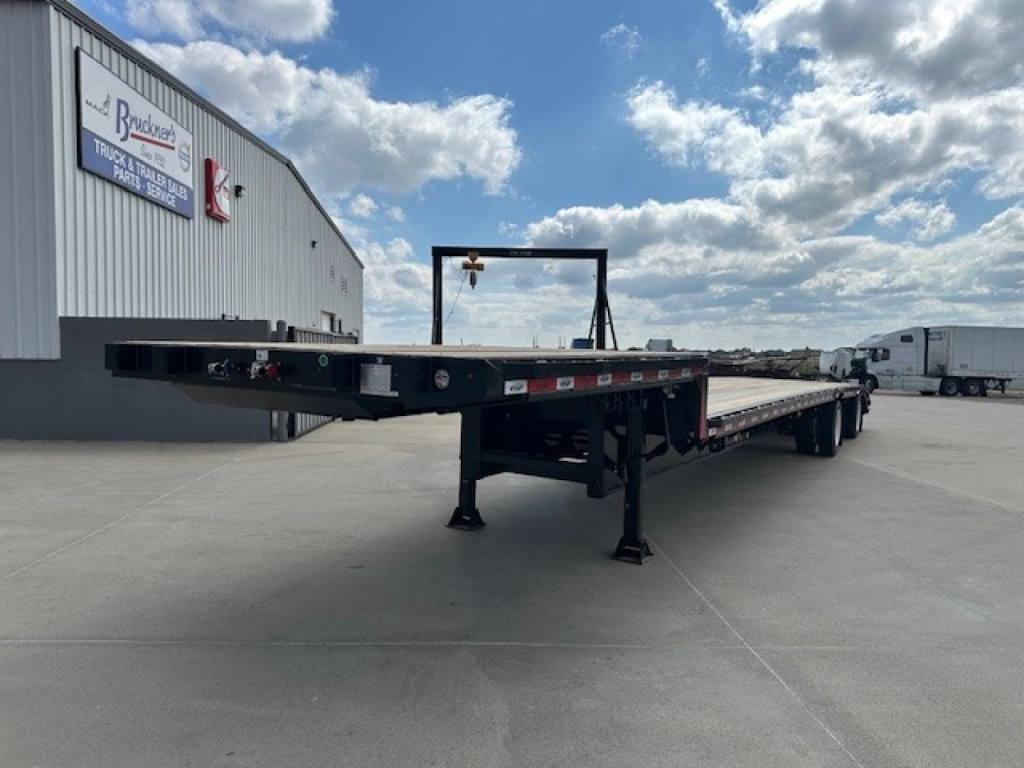
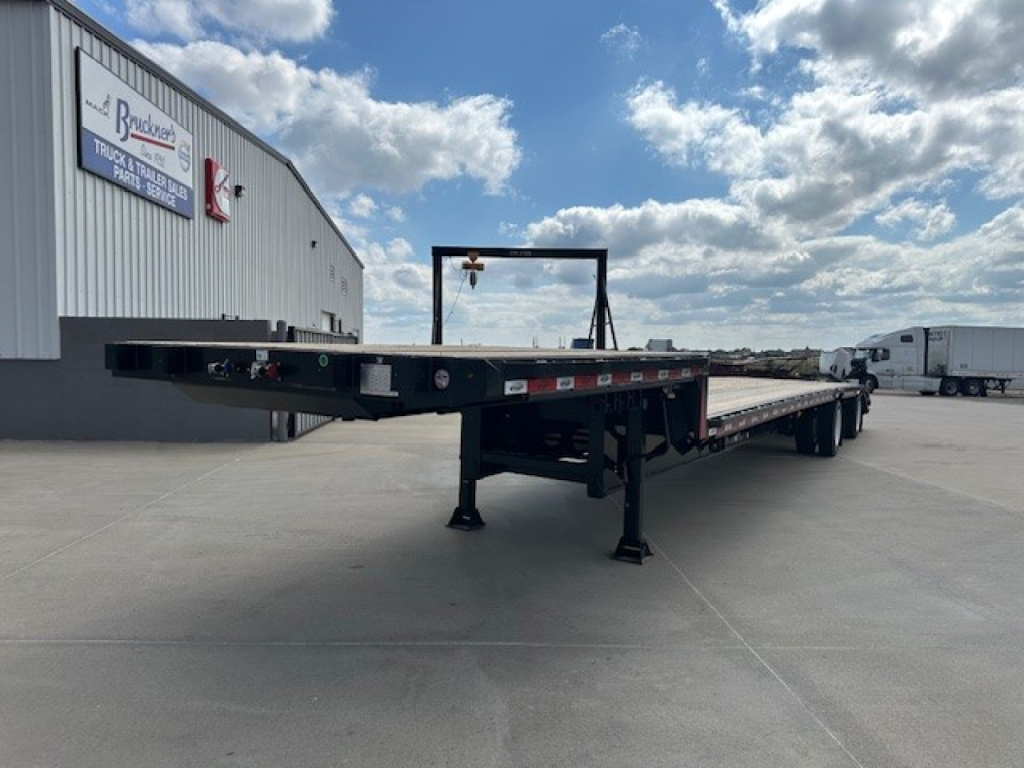
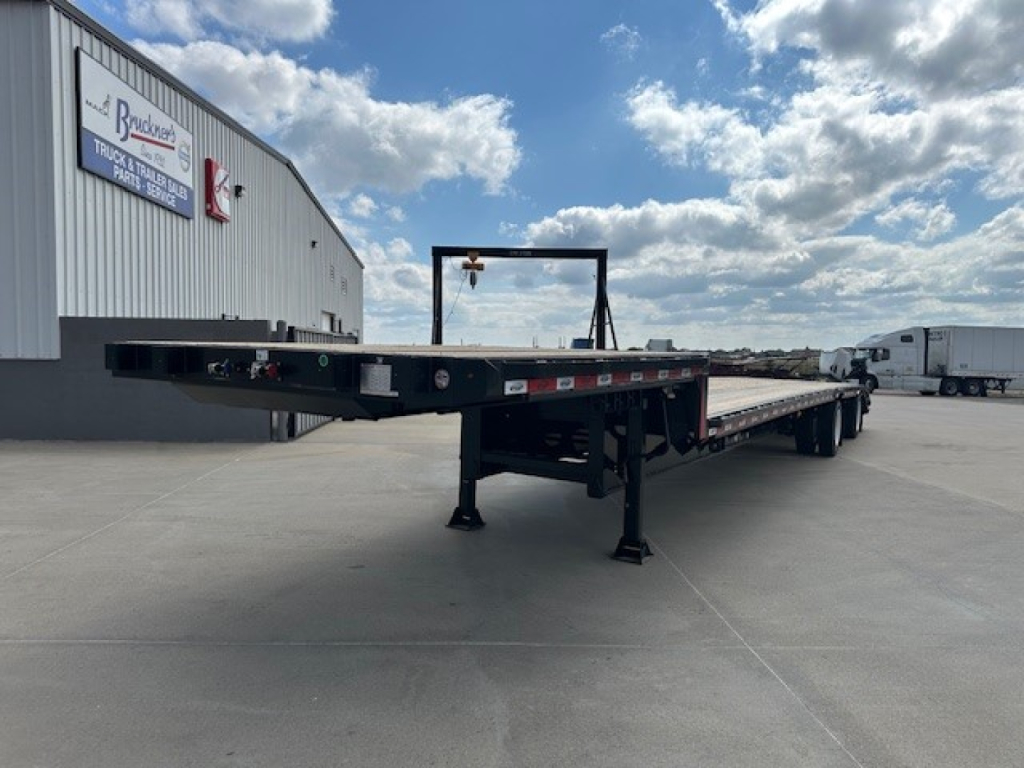
Showing 13 to 24 of 32 results
Have drop deck trailer to sell? List it here to reach thousands of buyers.
About Drop Deck Trailers in Texas
Texas buyers often look closely at frame construction, deck material, and suspension because these trailers see a mix of interstate miles, rough lease roads, and heavy concentrated loads. Steel drop decks typically offer durability and higher abuse tolerance, while aluminum models reduce tare weight and can improve payload. Apitong and aluminum flooring are both common, and crossmember spacing matters if you routinely haul forklifts, scissor lifts, steel products, or dense machine loads. Air ride suspension, dump valves, axle lift setups, and tire inflation systems are all worth paying attention to if uptime and load protection are priorities.
Tie-down package and deck spec separate a basic step deck from one that is ready for specialized work. Sliding winches, built-in chain tie-downs, stake pockets, winch tracks, and coil package reinforcement all affect how flexible the trailer will be from one load to the next. Kingpin setting, usually around 18 to 24 inches, can also matter depending on tractor wheelbase and bridge law considerations. Tandem axle trailers remain common for general freight, but tri-axle configurations and lift axles show up when higher GVWR, concentrated weight, or oilfield and equipment applications are part of the job.
Condition should be evaluated beyond model year. Buyers should inspect lower deck frame rails, crossmembers, landing gear, suspension components, brake condition, tire size and wear pattern, and any signs of concentrated load stress near the rear bridge or coil area. On a used drop deck, current inspections, clear title status, and evidence of regular maintenance can be as important as brand name. A well-matched step deck trailer should fit the freight first, then the route, then the operating cost profile.
Frequently Asked Questions
What is the difference between a drop deck trailer and a flatbed trailer?
A drop deck trailer has two deck heights, a raised upper deck and a lower main deck, while a flatbed trailer has one continuous deck height. The lower deck on a step deck allows taller freight to move legally without the height restrictions that often limit standard flatbeds. That makes drop decks a common choice for equipment, crated machinery, taller building materials, and other freight that benefits from extra vertical clearance.
What length and deck dimensions are common on a drop deck trailer?
The most common drop deck trailer sizes are 48-foot and 53-foot lengths with a legal width of 102 inches. Many 53-foot models have an upper deck around 10 feet 6 inches and a lower deck around 42 feet 6 inches, while 48-foot units often have shorter lower deck lengths and upper decks closer to 10 to 12 feet. Exact dimensions vary by manufacturer, so buyers should compare usable lower deck length, loaded deck height, and rear deck transition for their freight profile.
Should I choose a tandem or tri-axle drop deck trailer?
A tandem axle drop deck is typically the right fit for general freight and standard legal-weight operation. A tri-axle drop deck is better suited for heavier concentrated loads, higher GVWR needs, and some specialized hauling applications where bridge distribution or additional carrying capacity matters. The tradeoff is added tare weight, more tire and brake expense, and more complexity, so the best choice depends on the loads you actually move.
What features matter most on a step deck trailer for heavy or specialized freight?
For heavier or more demanding applications, buyers should look closely at floor sill spacing, frame reinforcement, coil package options, chain tie-down layout, sliding winches, and suspension specification. Air ride helps protect sensitive freight, while dump valves and lift axles can improve maneuverability and reduce tire scrub. Tire inflation systems, heavy-duty landing gear, and strong side rails also add value when the trailer is expected to stay loaded hard and run consistently.
What should I inspect on a used drop deck trailer before buying?
A used drop deck should be inspected for frame cracks, bent crossmembers, deck wear, landing gear damage, brake and suspension condition, and uneven tire wear that may point to alignment or axle issues. Pay special attention to the lower deck area, rear transition, and any reinforced sections that may have seen repeated concentrated loads. Maintenance records, inspection status, title clarity, and signs of proper repair work are all important because cosmetic appearance alone does not tell you how the trailer has been used.