
EXA Drop Deck Trailers For Sale in Texas
Shop EXA drop deck trailers for sale in Texas. Compare low-profile specs, axle options, deck lengths, tire systems, and heavy-haul features.
Learn more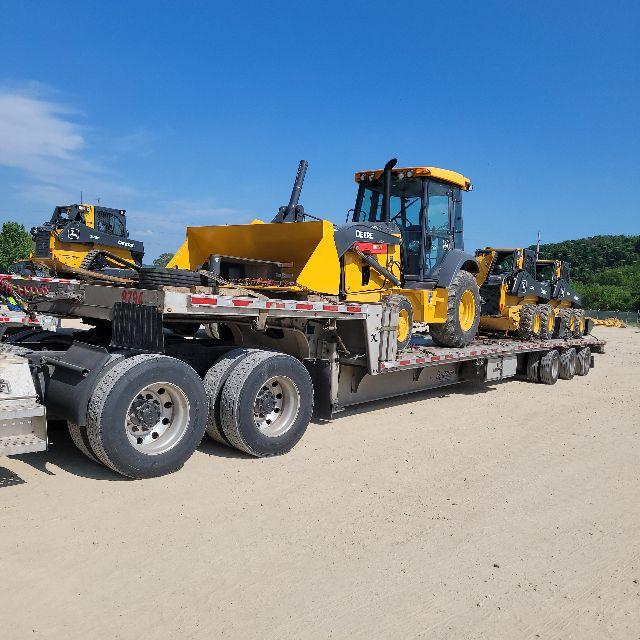
Have exa drop deck trailer to sell? List it here to reach thousands of buyers.
About EXA Drop Deck Trailers in Texas
On this trailer class, low-profile configuration matters. Many operators look for 17.5-inch wheels, air ride suspension, and tire inflation systems to keep deck height down while improving ride quality and reducing roadside issues. A lower rear deck can make a real difference when hauling equipment, pipe, or crated freight through Texas corridors where permit thresholds, bridge clearances, and route flexibility all affect profitability. Features like axle control, pressure gauges, rear ramp mounts, and load levelers add value for buyers who regularly load heavy or uneven cargo and need better control over weight distribution and loading angle.
A typical EXA drop deck in the market will often be a 48-foot or 53-foot trailer with a shorter top deck and a longer lower deck, plus multiple tie-down points for securement. Trailer width, deck flooring, crossmember spacing, concentrated load capacity, and kingpin setting are worth checking closely, especially if the freight mix includes forklifts, compact equipment, or dense building materials. On used units, condition of the suspension, brakes, air system, tires, deck surface, and frame alignment should carry as much weight as model year. Current inspections and service history can tell you a lot about how quickly the trailer can go to work.
For Texas buyers, the right EXA drop deck is usually the one that balances legal height, payload, and ease of loading. If your work includes oilfield support, regional machinery moves, fabricated steel, or general open-deck freight, a drop deck can cover a wide range of applications while staying simpler and lighter than more specialized heavy-haul equipment. The best buying decision comes from matching deck height, axle setup, and securement features to the freight lanes and commodity types you run most often.
Frequently Asked Questions
What is an EXA drop deck trailer best used for?
An EXA drop deck trailer is best suited for freight that is too tall for a standard flatbed but does not require a detachable lowboy. Common applications include machinery, industrial components, construction materials, steel products, and palletized freight with extra height. The lowered main deck gives you more vertical clearance while maintaining the versatility of a general open-deck trailer.
What specs matter most when buying a used EXA step deck trailer?
The most important specs are loaded deck height, lower deck length, upper deck length, GVWR, axle configuration, and tire size. Buyers should also look at suspension type, concentrated load rating, flooring condition, tie-down equipment, kingpin setting, and brake condition. On a used trailer, frame condition, tire wear, air leaks, and maintenance records are just as important as headline dimensions.
Why do some EXA drop deck trailers use 17.5-inch wheels?
17.5-inch wheels are commonly used on low-profile drop deck trailers to reduce deck height. A lower deck height helps operators stay under legal height limits with taller cargo and can improve loading flexibility. The tradeoff is that tire selection, replacement cost, and service intervals should be evaluated carefully, especially for fleets that run long Texas routes in hot conditions.
Are tire inflation systems and axle control worth having on a drop deck trailer?
For many operators, yes. A tire inflation system can help maintain proper tire pressure, reduce irregular wear, and cut down on roadside failures. Axle control can improve maneuverability, help during loading, and assist with weight distribution depending on the suspension and axle setup. These features are especially useful when the trailer handles heavy freight, mixed commodities, or frequent loading changes.
How is a drop deck trailer different from a flatbed trailer?
A drop deck trailer has two deck levels, a raised front deck and a lower main deck, while a flatbed has a single deck height from front to rear. The lower main deck on a drop deck allows taller freight to be transported without exceeding legal height as quickly as it would on a flatbed. A flatbed may be simpler for some cargo, but a drop deck gives more flexibility for loads with extra height or equipment that benefits from a gentler loading angle.