
New CTS Trailers For Sale
New CTS dump trailers built for aggregate, paving, and site work. Compare 36' and 40' tandem specs, air ride or spring ride, and body options.
Learn moreBrowse CTS Trailers by Category
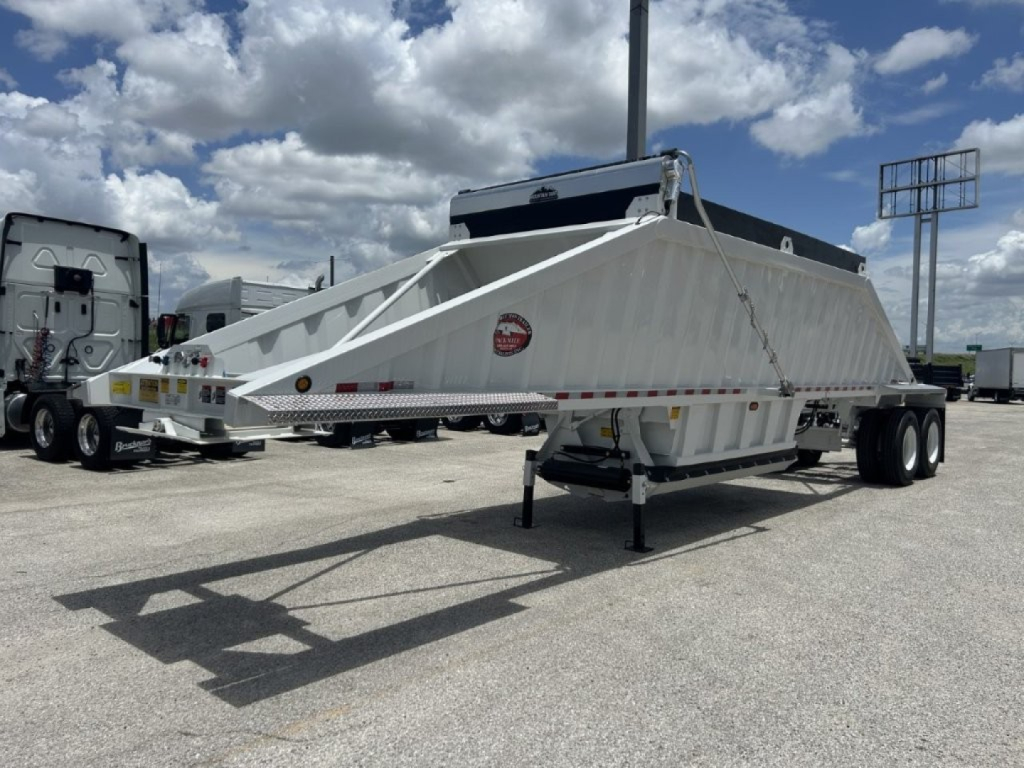
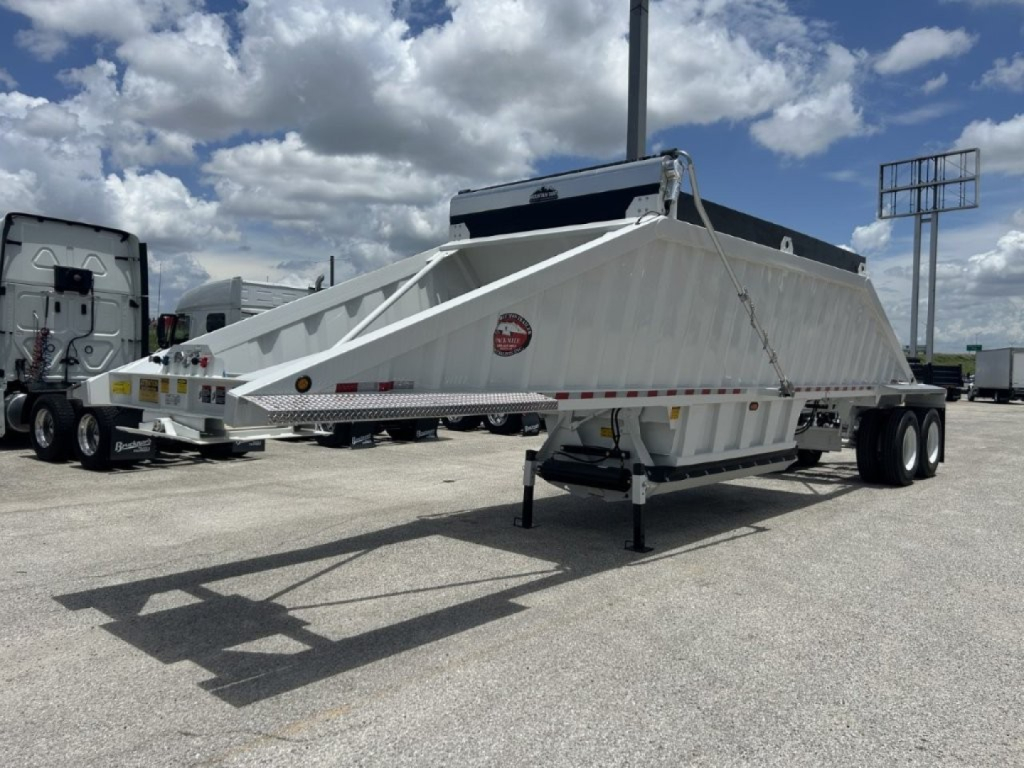
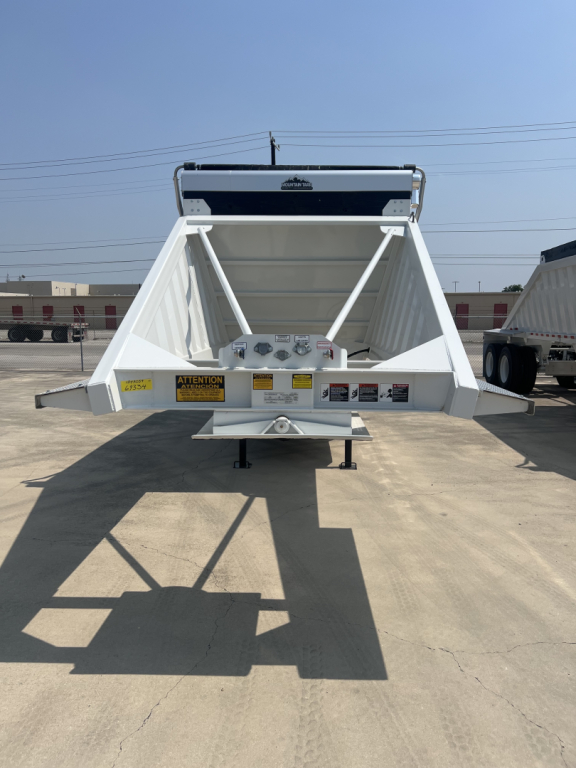
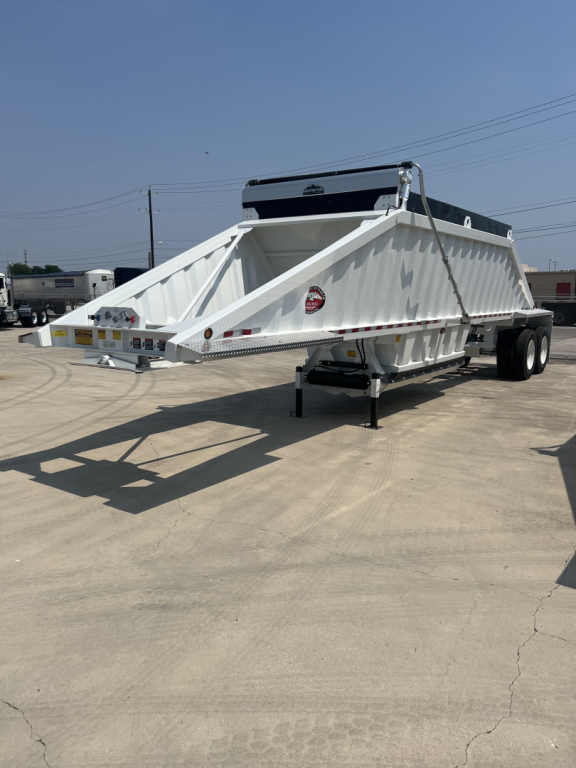
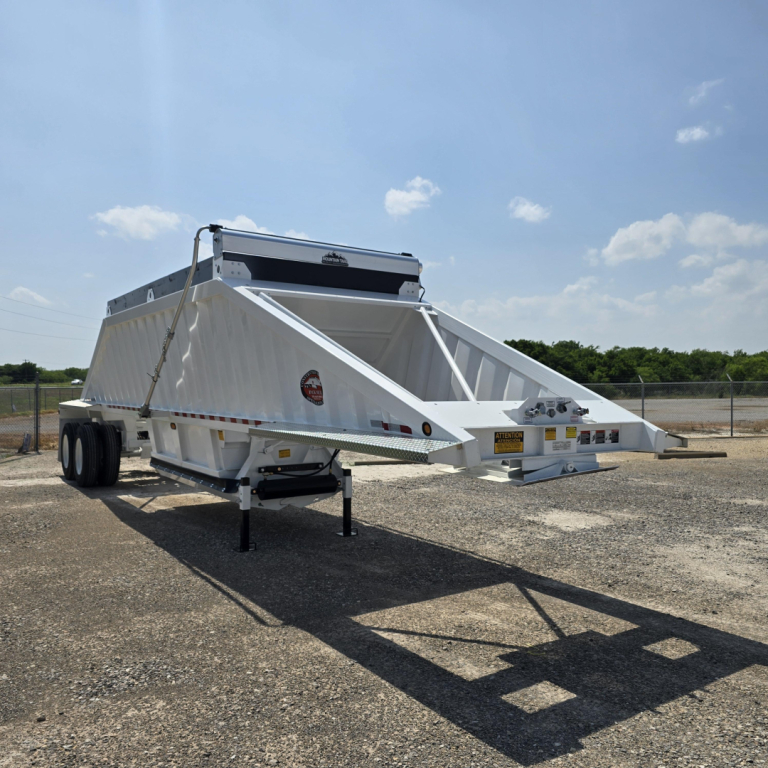
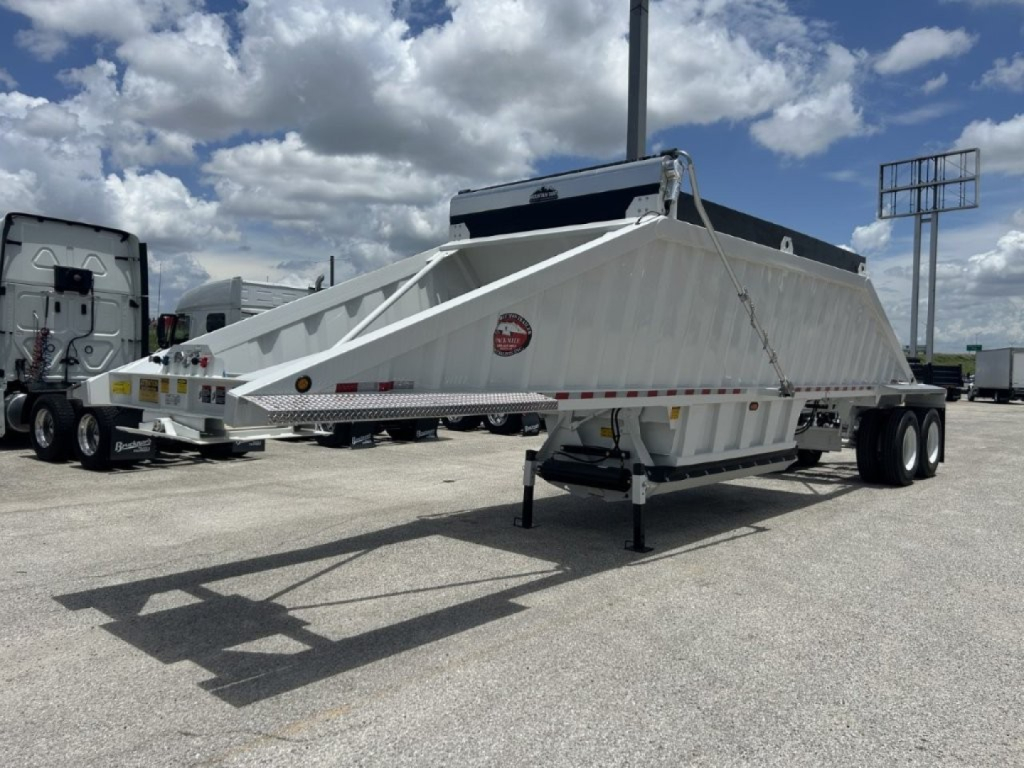
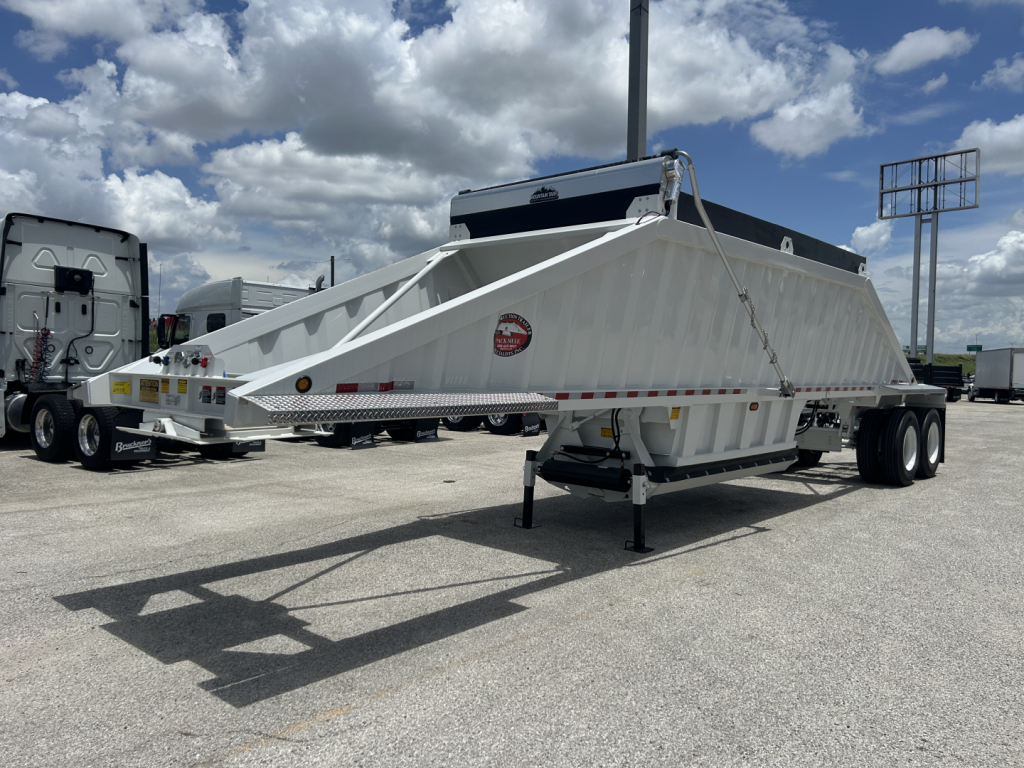
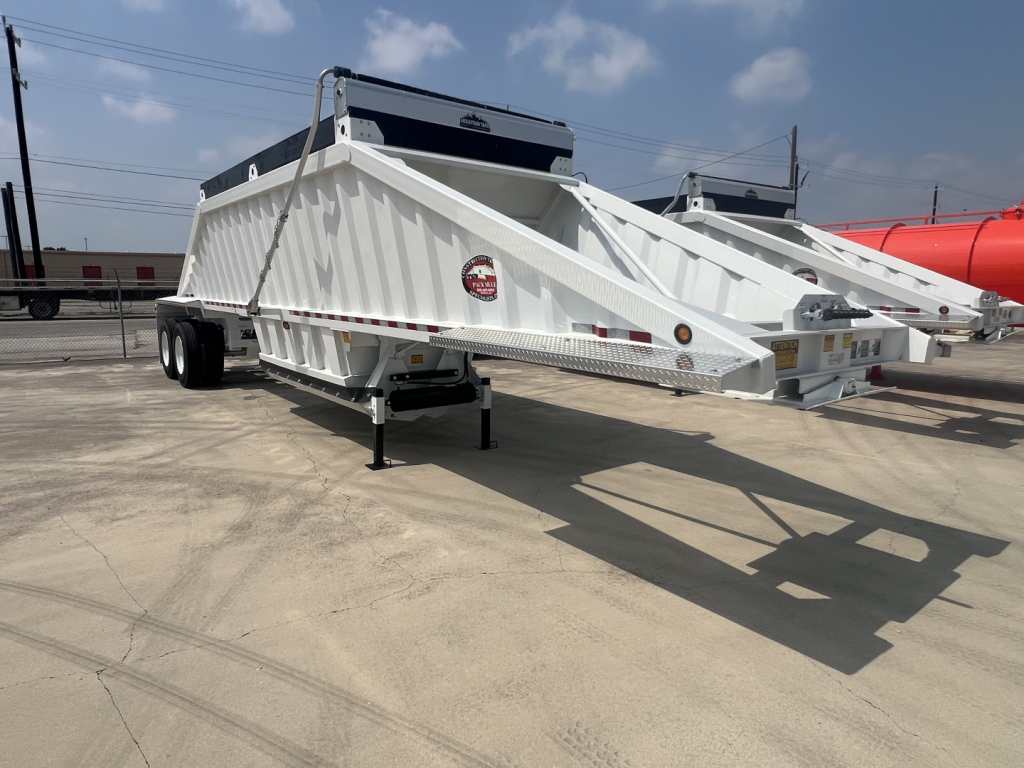
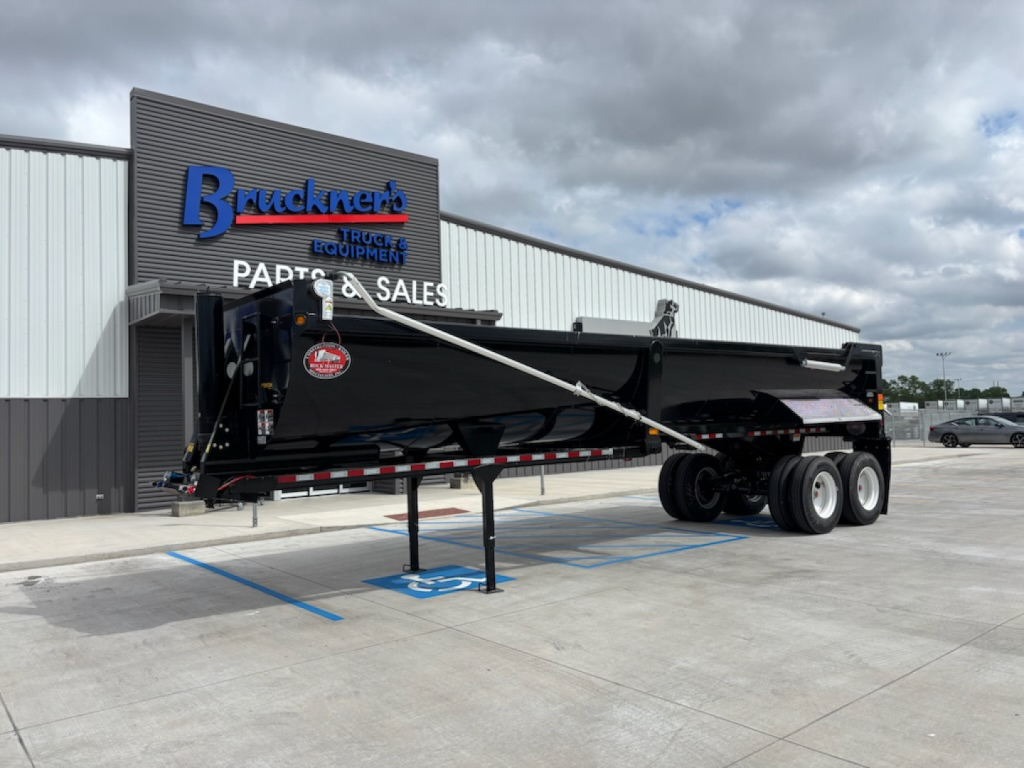
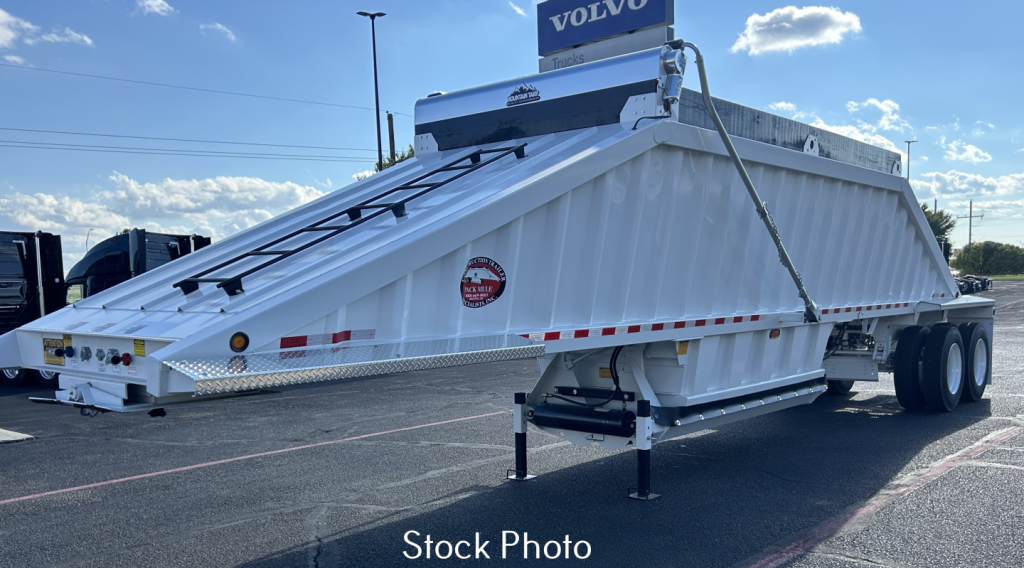
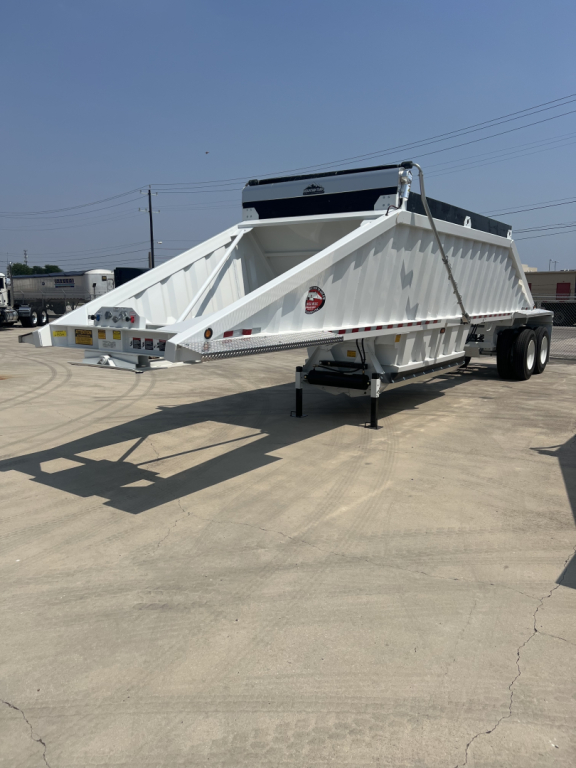
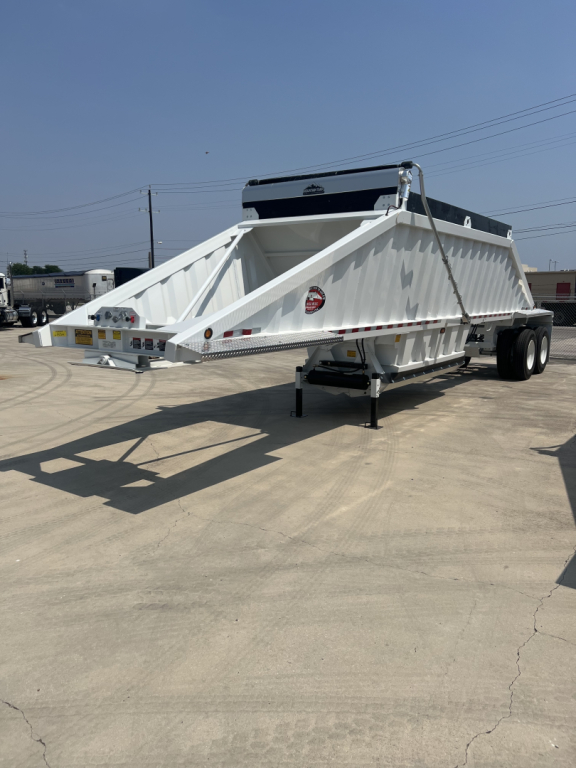
Showing 25 to 36 of 38 results
Have new cts trailer to sell? List it here to reach thousands of buyers.
About New CTS Trailers
The first decision is usually suspension and body configuration. Spring ride remains a practical choice for straightforward quarry and jobsite service, with fewer variables and lower upfront complexity. Air ride can help with ride quality, load stability, and pavement-sensitive applications, especially when the trailer sees more highway miles. On the body side, slope sheets versus no slope sheets matters more than many buyers expect. Slope sheets can improve material flow with sticky loads, while no slope sheet designs may appeal to operators focused on weight, simplicity, or specific commodity mixes. Cross gate setups, gate seals, quick release valves, and windrow deflectors are all worth close attention because they directly affect discharge control and cleanup on the road.
Most new CTS dump trailers in this group are set up with tandem axles, drum brakes, steel wheels, and 11R24.5 or 11R x 24.5 rubber. Steel construction is common in this class because it handles abrasive material well and stands up to repeated loading cycles. Buyers should look closely at side height, board configuration, push block design, air tank capacity, tarp system, and fender construction. Features like 10-inch boards, extended push blocks, 60-gallon air tanks, aluminum diamond plate fenders, and electric Flip and Go tarp systems are practical details, not cosmetic ones. They affect loading compatibility, unloading efficiency, safety, and daily uptime.
A new CTS trailer makes the most sense when the work demands repeated, controlled unloading and a durable frame and gate system that can hold alignment under hard use. Match trailer length and gate arrangement to the material you haul most often, not just to maximum cubic yard rating. Dense rock, sand, asphalt, and millings all behave differently, and legal payload is often reached before advertised volume. If your routes include uneven site entrances, frequent paving moves, or mixed highway and plant service, suspension choice, gate sealing, and tarp reliability should be near the top of the checklist.
Frequently Asked Questions
What is a CTS bottom dump trailer best suited for?
A CTS bottom dump trailer is best suited for hauling aggregate, sand, gravel, asphalt, millings, and other bulk materials that need fast, controlled unloading. This type of dump trailer is especially common in road construction and paving because it can place material in a windrow or spread it along the roadway more precisely than a rear dump in many applications.
Should I choose air ride or spring ride on a new CTS dump trailer?
Spring ride is often chosen for simplicity, durability, and lower initial cost in hard-use construction environments. Air ride is typically preferred when ride quality, load stability, and reduced shock transfer matter more, especially on longer highway runs or when protecting the trailer structure and cargo flow is a priority. The better choice depends on route conditions, commodity type, and how much on-road versus off-road service the trailer will see.
What difference do slope sheets make on a bottom dump trailer?
Slope sheets help material move more consistently toward the gates, which can be useful with sticky or less free-flowing loads. A trailer without slope sheets may offer a simpler body design and can be attractive where weight, maintenance preferences, or specific commodity behavior make that setup more practical. The right choice depends on the materials hauled and how important clean discharge is to your operation.
What specs matter most when comparing new CTS dump trailers?
The most important specs are trailer length, cubic yard capacity, axle configuration, suspension type, gate arrangement, side height, brake type, tire size, and body construction. Buyers should also evaluate practical operating features such as tarp systems, push blocks, air tank size, fender material, gate seals, and quick release valves because those details affect everyday performance, maintenance, and unloading control.
How should I size a new CTS dump trailer for my operation?
Start with the material you haul most often and the legal weight limits on your regular routes. Cubic yard rating alone does not tell the full story because dense materials like sand, rock, and asphalt can max out legal payload before the trailer is full by volume. A 36-foot or 40-foot tandem setup may both fit the job, but the better trailer is the one that matches your commodity density, discharge needs, plant loading pattern, and road conditions.