
Container Trailers For Sale
Compare container trailers and shipping container transport equipment by length, twist-lock setup, axle spread, suspension, and payload fit.
Learn moreBrowse Container Trailers by Make
Showing 13 to 24 of 26 results
Have container trailer to sell? List it here to reach thousands of buyers.
About Container Trailers
The most important hardware on a container trailer is the twist-lock arrangement and frame layout. A trailer has to match the container type you plan to carry, including ISO maritime containers, domestic 53-foot containers, tank containers, or specialized open-side and double-door boxes. Fixed chassis are simple and lighter, while sliding tandem or adjustable-length models give more flexibility for axle placement and weight distribution. Suspension choice matters too. Air ride is common for better cargo protection and ride quality, while spring ride can appeal in harsher service where simplicity is a priority. Buyers should also look closely at tire size, wheel spec, crossmember construction, lighting protection, and corrosion resistance, especially in coastal or winter road environments.
Payload planning is not just about gross capacity. Container position, kingpin setting, tandem spread, and local bridge laws all affect whether a load can move without rework. A 20-foot container trailer used for dense freight may need different axle configuration than a 40-foot or 53-foot domestic setup carrying lighter cube. Gooseneck tunnel compatibility is another practical detail, especially with high-cube domestic containers. If the operation includes drop lots, port terminals, or rough yards, structural durability and landing gear design become more important than cosmetic features. Fleet buyers also pay attention to brake system compatibility, ABS, tire inflation systems, and ease of twist-lock inspection because downtime on container equipment is usually caused by repetitive-duty wear points.
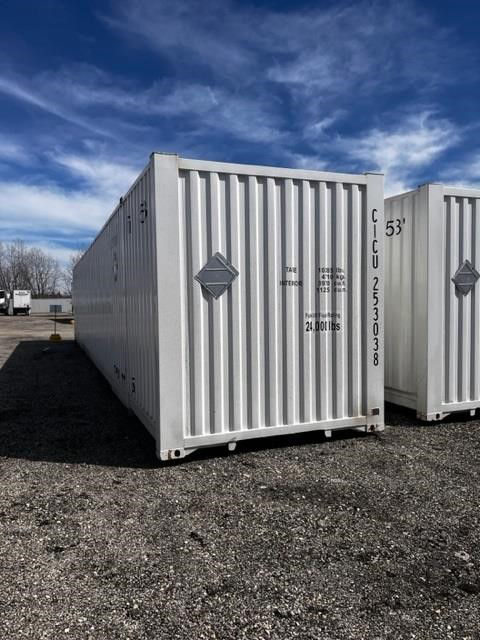
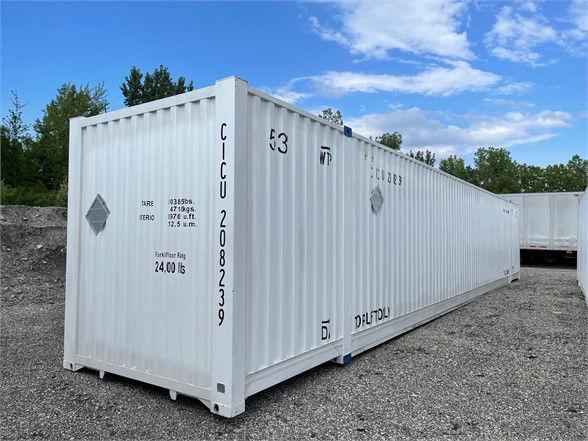
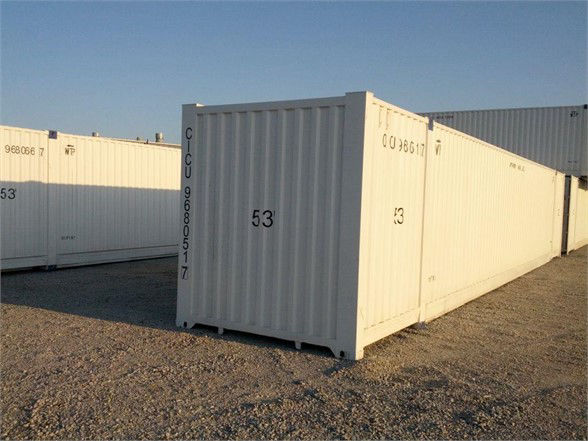
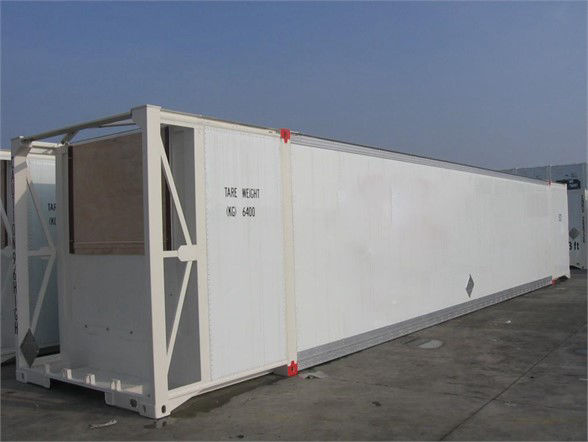
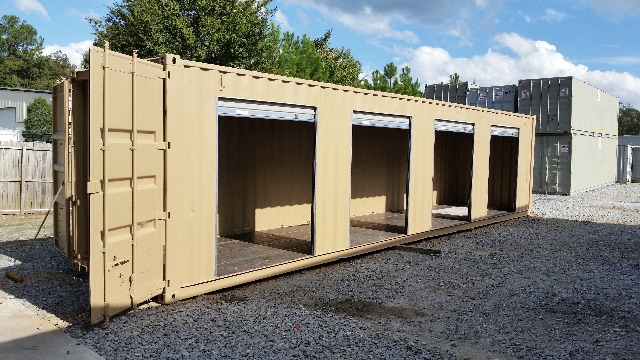
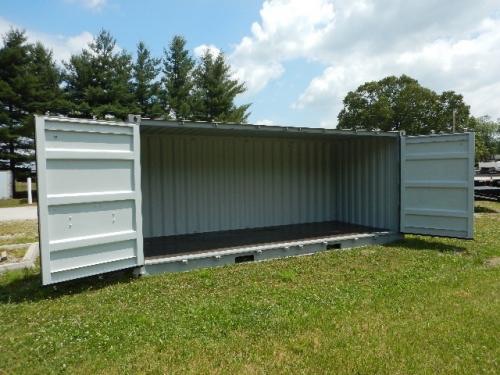
Some listings in this category may also include shipping containers themselves or container handling trailers designed to load and unload boxes without separate yard equipment. That makes it important to confirm whether the unit is a road-going chassis, a yard-style container transporter, or the container body itself. The right choice depends on how the equipment will actually be used: port drayage, regional warehouse transfer, storage delivery, intermodal work, or specialized container handling. A good container trailer should match your core box sizes, meet bridge requirements in your operating states, and hold up under repeated lock, lift, and haul cycles.
Frequently Asked Questions
What is the difference between a container trailer and a container chassis?
In most trucking and intermodal operations, the terms are often used interchangeably, but a container chassis usually refers to the road-going frame designed specifically to carry a shipping container using twist locks. A container trailer category can also include specialized transporters or handling trailers used to move or load containers in non-standard applications. The key buying point is to confirm the equipment’s intended use, legal road configuration, and what container lengths and corner casting positions it supports.
What container lengths can a container trailer haul?
Common container trailer configurations are built for 20-foot, 40-foot, 45-foot, and 53-foot containers. Some trailers are dedicated to one length, while others use extendable frames or sliding tandem arrangements to handle multiple sizes. The best choice depends on your freight mix, bridge-law requirements, and whether your operation is primarily port drayage, domestic warehouse transfer, or mixed intermodal work.
Why does kingpin setting and axle placement matter on a container trailer?
Kingpin setting and axle placement directly affect load distribution, bridge compliance, turning characteristics, and how easily you can scale a loaded container legally. Dense 20-foot containers can create very different weight challenges than lighter 40-foot or 53-foot boxes. A trailer with the right tandem slide range and frame design can reduce rework at the scale and help keep the tractor steer axle, drives, and trailer tandems within legal limits.
Do I need a gooseneck chassis for domestic high-cube containers?
Many domestic 53-foot high-cube containers are designed to sit lower in a gooseneck tunnel, which helps keep overall loaded height within legal road limits. If you plan to haul domestic containers regularly, tunnel compatibility is an important specification to verify. Without the right chassis design, height compliance and secure fit can become problems even if the trailer length appears correct.
What should I inspect first on a used container trailer?
Start with the twist locks, frame rails, crossmembers, tandem slide mechanism, suspension, brakes, lighting, and any visible corrosion around structural connection points. Container equipment sees repeated impact and torsional stress during loading, locking, and yard handling, so wear is often concentrated at functional hardware rather than cosmetic surfaces. It is also smart to confirm VIN data, container length positions, brake system type, and any evidence of repairs around the kingpin area or rear bolster.