
Used Utility Cargo Van Trailers For Sale in Georgia
Browse used Utility cargo van trailers for sale in Georgia. Compare 53-foot dry van specs, lining options, suspension, doors, and cargo systems.
Learn more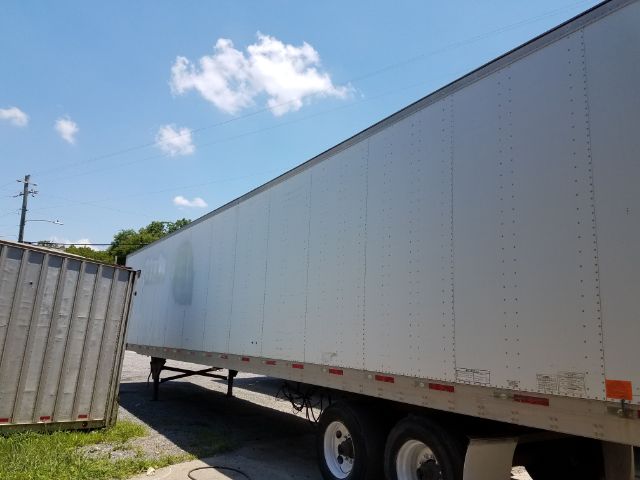
Have used utility cargo van trailer to sell? List it here to reach thousands of buyers.
About Used Utility Cargo Van Trailers in Georgia
Interior build is where one used Utility van can differ significantly from another. Common setups include sheet-and-post construction, plywood-lined walls, composite linings, scuff protection, and logistics-ready interiors with E-track or logistic posts. Post spacing is especially important if the trailer will handle dense freight or paper rolls. Tighter post centers can provide better wall support for demanding applications, while carpet, food-grade, or paper-spec interiors may be better suited to specialized freight programs. Buyers should also inspect the floor type and floor wear carefully, especially in high-forklift-use trailers, since floor repair is one of the bigger cost items on an older dry van.
Suspension and running gear should match the lanes and loading environment. Utility cargo van trailers are commonly equipped with either spring ride or air ride, and that choice affects ride quality, cargo protection, and maintenance planning. Air ride is often preferred for more sensitive freight and longer haul service, while spring ride can still be a practical fit for tougher freight and budget-focused operations. Tire condition, brake percentage, wheel-end service history, and axle alignment all deserve close attention on a used trailer. In Georgia, where regional and port-related freight can involve frequent turns and heavy dock use, door condition, seal integrity, ICC bumper condition, roof repairs, and signs of sidewall damage are also worth checking before purchase.
Rear access and light management can also shape the right spec. Swing doors remain the standard on many Utility dry vans because they are simple, durable, and easy to repair, but roll-up doors can make sense for frequent multi-stop delivery work. Some buyers prefer aluminum roofs with translucent roof sections to improve interior visibility during loading. A used Utility cargo van with the right kingpin setting, interior cargo control system, and structural spec can slot into an existing fleet with minimal modification. The best listing is usually the one that matches the freight first, then shows solid maintenance history, clean title status, and enough remaining life in the brakes, tires, floor, and body structure to support the intended cycle.
Frequently Asked Questions
What should I look at first on a used Utility cargo van trailer?
Start with the structural and wear items that are expensive to correct. Inspect the floor for forklift damage, soft spots, patches, and excessive wear at the rear and nose. Check the sidewalls, posts, roof bows, and front wall for repairs, separation, or impact damage. Then review brakes, tires, suspension, axle alignment, wheel ends, and door condition. On a dry van, a clean interior spec that matches the intended freight is just as important as the running gear.
Are Utility 53-foot dry vans a good fit for general freight?
Yes. A 53-foot Utility cargo van is one of the most common trailer types in general dry freight service. It is widely used for palletized goods, packaged products, retail freight, and dedicated lane work because capacity, parts support, and resale familiarity are all strong. The key is choosing the right interior and suspension spec for the cargo rather than assuming every dry van is built the same.
What is the difference between spring ride and air ride on a used cargo van trailer?
Spring ride is mechanically simpler and can be a cost-conscious option, but it generally transmits more road shock to the cargo. Air ride helps cushion the load and is often preferred for higher-value or damage-sensitive freight, longer haul work, and shippers with tighter cargo protection requirements. When evaluating a used trailer, condition matters as much as design, so inspect bushings, hangers, air bags, shocks, and overall suspension wear regardless of ride type.
Why do wall lining and post spacing matter on a used dry van?
Wall construction affects durability, repair cost, and what freight the trailer can handle. Plywood-lined or composite-lined interiors can offer better resistance to forklift and cargo contact, while sheet-and-post construction is common in many dry van applications. Post spacing influences wall strength and suitability for certain heavy or concentrated loads, including paper-spec service. If the trailer will carry demanding freight, matching the wall and post configuration to the application is critical.
Are swing doors or roll-up doors better on a Utility cargo van trailer?
Swing doors are the standard choice for many linehaul and dock operations because they seal well, are durable, and are usually less costly to repair. Roll-up doors can be useful for frequent stop-and-go routes where quick rear access matters, but they can reduce rear opening height and add maintenance considerations. The better choice depends on dock setup, route type, and how often the trailer is loaded and unloaded.